

The Transformation of Ancient Yoga
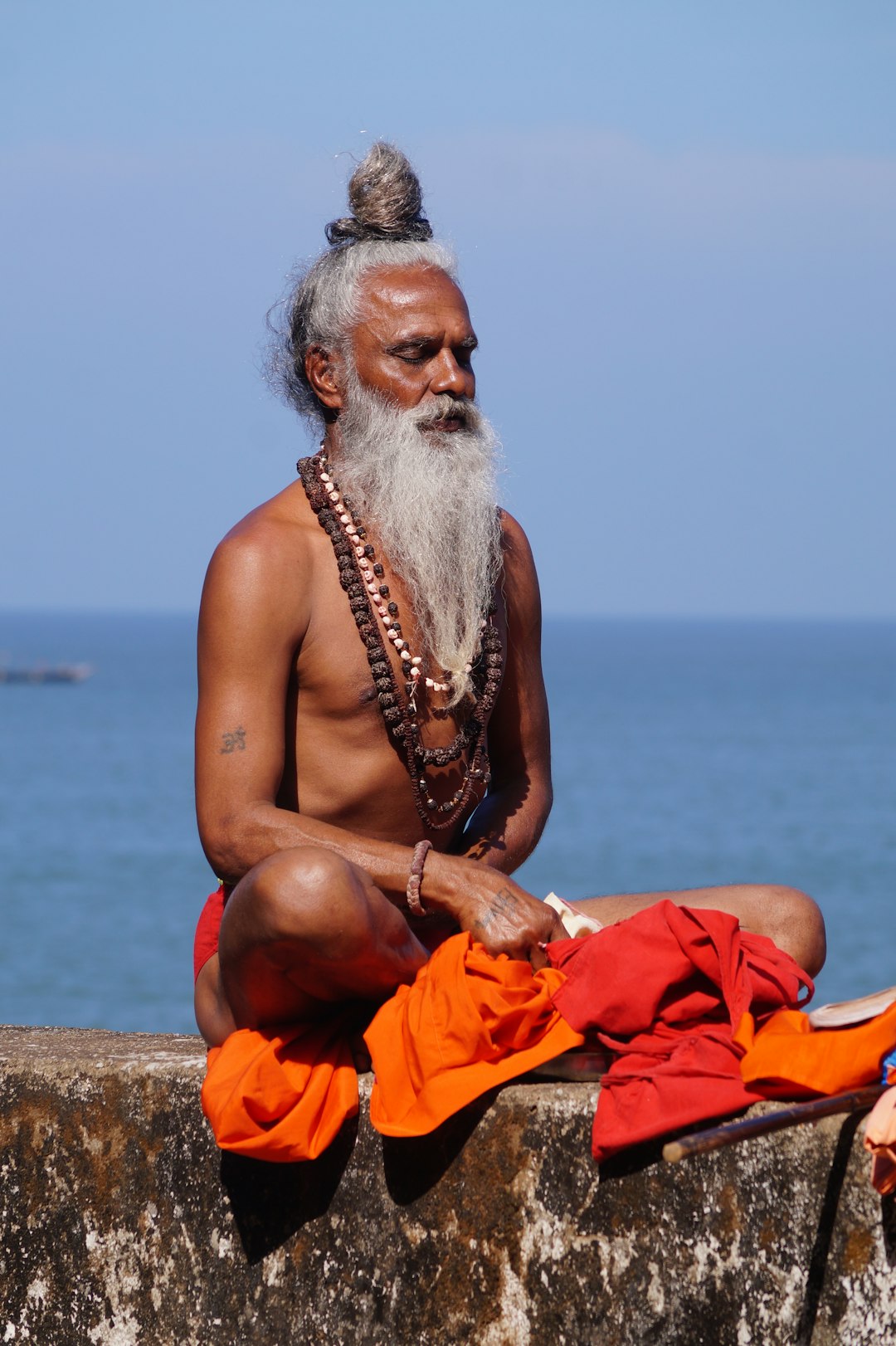
Yoga, a practice that dates back more than 5,000 years, began as a deeply spiritual discipline in India, focusing on self-realization and inner harmony. Originally, it was a holistic practice that integrated physical postures, breathing exercises, meditation, and ethical principles to achieve a balanced state of being. However, as yoga expanded beyond its roots, it transformed into a global phenomenon. This transformation often saw the dilution of its core philosophies, turning it more into a fitness routine than a profound spiritual journey. The essence of yoga, which once emphasized introspection and self-awareness, is now often overshadowed by its physical aspects. This shift has led to a superficial understanding of yoga, where the spiritual depth is sometimes lost in translation.
The Booming Yoga Industry

Today, the yoga industry is a colossal enterprise, valued at over $80 billion worldwide. This staggering figure encompasses yoga apparel, accessories, studio memberships, and more. The commercialization of yoga has birthed a new wave of influencers and celebrity endorsements, often prioritizing appearance over authenticity. This commercial influence creates a pressure for practitioners to fit a certain mold of what a yogi should look like. The emphasis is frequently on aesthetics—perfect poses, stylish attire—rather than the spiritual journey. As a result, many individuals may find themselves chasing an image, rather than embracing the true ethos of yoga. This focus on external appearance can detract from the internal benefits of the practice.
The Misleading Perception of Balance

Yoga, at its core, promotes both mental and physical balance. However, the commercialized version often presents a distorted view of what this balance entails. Many practitioners today equate balance with achieving aesthetically pleasing poses or adhering to a trendy lifestyle, rather than cultivating inner peace and self-acceptance. This external focus can lead to feelings of inadequacy, especially when the reality doesn’t match the idealized image. Instead of finding harmony within, individuals may experience burnout from striving for an unattainable standard. The true benefits of yoga—such as mental clarity and emotional resilience—can be overshadowed by this relentless pursuit of perfection.
The Influence of Social Media

Social media platforms, particularly Instagram and TikTok, have significantly shaped the modern yoga landscape. The rise of “yoga influencers” who showcase flawless poses and luxurious lifestyles has set unrealistic expectations for many followers. These curated images can make yoga seem more like a performance art than a meditative practice. Followers might feel the need to emulate these influencers to be deemed successful in their practice. This pressure to perform can distract practitioners from the introspective and meditative aspects of yoga. Instead of focusing on personal growth, the emphasis shifts to external validation and comparison.
The Commercialization of Yoga Studios

Many yoga studios today operate with a business-first mindset, often prioritizing profit over the well-being of their students. High membership fees, pricey workshops, and exclusive retreats can alienate those who cannot afford them. This exclusivity stands in stark contrast to yoga’s inclusive nature, which traditionally welcomed all individuals, regardless of their financial status. The commodification of yoga classes means that the spiritual and philosophical teachings are sometimes sidelined in favor of more marketable offerings. This shift can make yoga feel inaccessible to those genuinely seeking its benefits, further perpetuating the illusion of balance.
The Yoga Merchandise Mania

The market for yoga-related products—mats, clothing, and accessories—has seen an unprecedented boom. While quality gear can enhance practice, the emphasis on branded merchandise often leads to consumerism overshadowing the true purpose of yoga. Practitioners may feel compelled to invest in expensive equipment to validate their commitment to the practice. This consumer-driven approach can divert attention from the core values of yoga, which are rooted in simplicity and self-discovery. Instead of focusing on personal growth, individuals may become preoccupied with acquiring the latest yoga trends.
Authenticity in Yoga Practice

To counteract the effects of commercialization, practitioners must return to yoga’s roots and embrace its authentic teachings. This involves prioritizing personal growth, mindfulness, and self-acceptance over external validation. By focusing on the spiritual and philosophical aspects, practitioners can foster a more genuine connection to yoga. It’s essential to seek instructors who emphasize authenticity and holistic well-being, rather than those who cater to superficial trends. By doing so, individuals can experience the true benefits of yoga, beyond the commercial facade.
Finding True Balance

Achieving true balance in a commercialized yoga landscape requires a conscious effort to disconnect from societal pressures. Practitioners can cultivate a more authentic practice by setting personal intentions for their yoga journey and engaging in self-reflection and mindfulness. Building a supportive community of like-minded individuals can also help reinforce these values. Prioritizing mental and emotional well-being over physical appearance allows individuals to reconnect with yoga’s true essence. This approach fosters a deeper understanding of balance, rooted in internal harmony rather than external validation.
Reclaiming the Essence of Yoga

In a world where yoga has become heavily commercialized, it is crucial for practitioners to remember the practice’s true essence. By focusing on internal growth and self-acceptance, individuals can reclaim their yoga journey from the clutches of commercialization. Yoga should be about finding balance within oneself, rather than conforming to external expectations. Embracing the authentic teachings of yoga can lead to a more fulfilling and enriching practice, free from the illusions of commercialism.