

Introduction to Spiritual Journeys
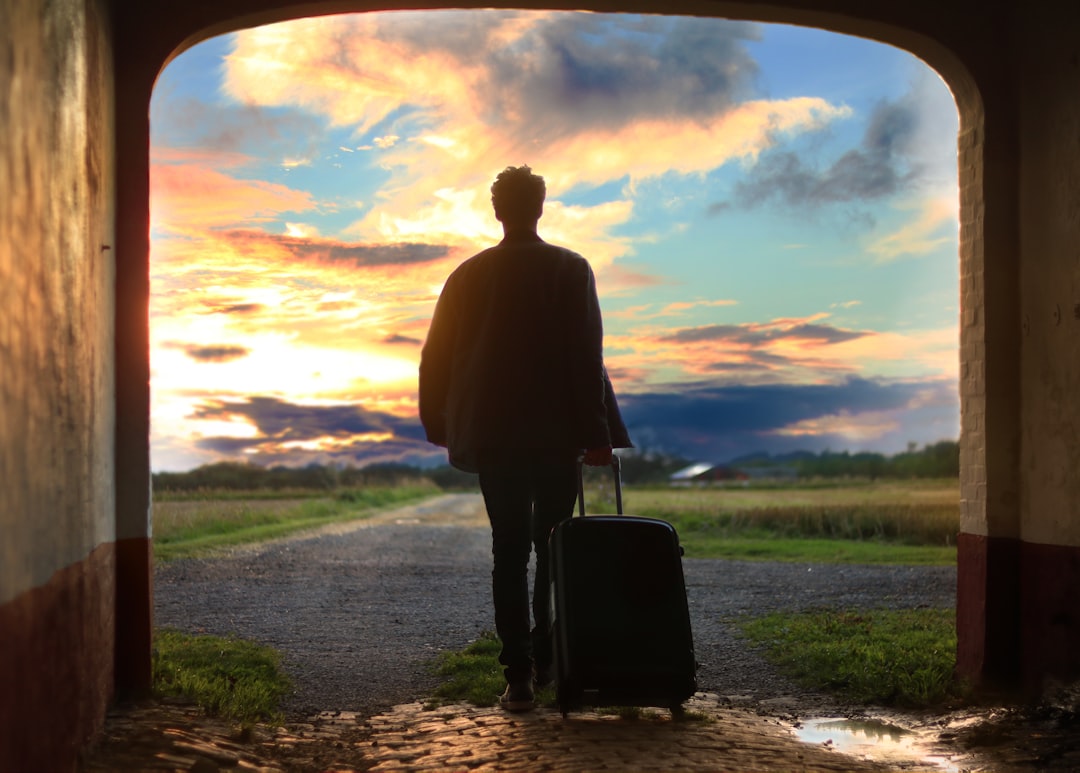
Spiritual journeys are often likened to a gamble, where individuals seek deeper meaning and understanding of life, existence, and their inner selves. Just like in gambling, the outcomes of these journeys can be unpredictable, leading to both profound insights and unexpected challenges. The essence of a spiritual journey lies in the exploration of personal beliefs, values, and experiences, which can lead to transformative changes in one’s life. Whether it’s through meditation, prayer, or reflection, individuals embark on these paths hoping to discover something greater than themselves. It’s a quest for truth and enlightenment that often begins with a simple question: “Who am I?”
The Nature of Spirituality
Spirituality encompasses a wide range of beliefs and practices that connect individuals to something greater than themselves. It can include religious practices, meditation, mindfulness, and personal reflection. According to a survey by the Pew Research Center, approximately 27% of adults in the U.S. identify as spiritual but not religious, highlighting the diverse ways people approach spirituality. This indicates a shift from traditional religious practices towards more individualized forms of spiritual expression. Spirituality can be seen as a personal journey rather than a communal one, where each individual defines their path based on their own experiences and insights.
The Gamble of Spiritual Exploration

Embarking on a spiritual journey can feel like placing a bet on the unknown. Individuals may invest time, energy, and emotions into practices that may or may not yield the desired results. The uncertainty of outcomes can be daunting, yet it is often this very uncertainty that leads to personal growth and enlightenment. The unpredictability of spiritual exploration is what makes it both exciting and terrifying. You never truly know what you’ll find or how it will change you. This is a gamble in the truest sense, where the stakes are high but the potential rewards are even higher.
The Rewards of Spiritual Journeys

Despite the risks, many find that the rewards of a spiritual journey can be profound and life-changing. These rewards can manifest in various forms, including improved mental health, a greater sense of purpose, and enhanced relationships. Individuals often report feeling more connected to themselves and others, experiencing a deeper sense of peace and contentment. A spiritual journey can provide clarity and direction in life, helping individuals to navigate challenges with grace and resilience. In a world that often feels chaotic and unpredictable, spirituality offers a refuge, a place of solace and understanding.
Finding Your Path
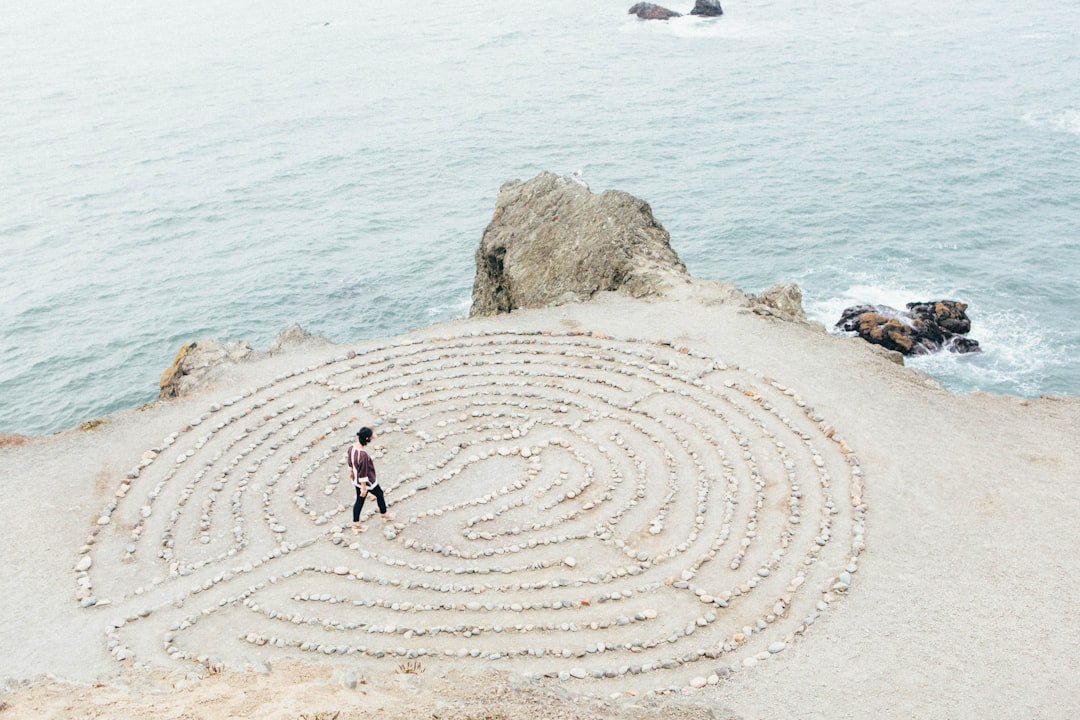
Choosing a spiritual path is a deeply personal decision, and there is no one-size-fits-all approach. Individuals may explore various practices, such as meditation, yoga, or religious traditions, to find what resonates with them. It’s important to approach this journey with an open mind and heart, allowing yourself to be guided by intuition and experience. Each path is unique, and what works for one person may not work for another. This exploration is a journey within a journey, a continuous process of discovery and growth.
The Role of Mindfulness in Spirituality
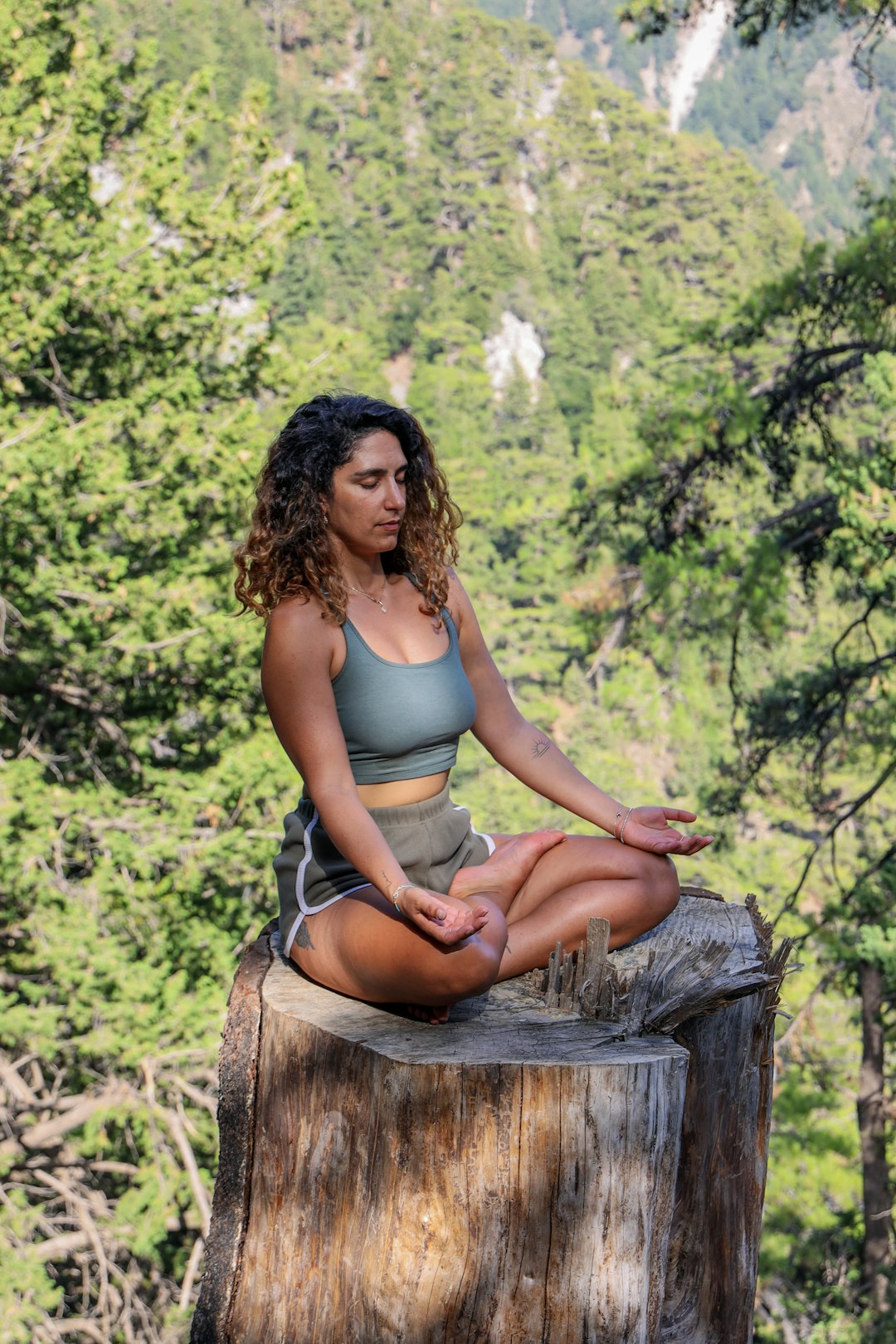
Mindfulness plays a crucial role in many spiritual practices, helping individuals stay present and aware of their thoughts and feelings. By cultivating mindfulness, individuals can enhance their spiritual journeys and deepen their understanding of themselves. Mindfulness allows individuals to observe their inner world without judgment, creating space for insight and healing. It’s a tool that can be used to navigate the complexities of life and spirituality, providing a foundation for growth and transformation.
Embracing the Uncertainty

Ultimately, a spiritual journey is a gamble with uncertain rewards. While the path may be fraught with challenges and risks, the potential for personal growth, deeper understanding, and fulfillment makes it a worthwhile endeavor. Embracing the uncertainty of the journey can lead to profound insights and a more meaningful life. The unknown becomes a source of inspiration rather than fear, a world of possibilities waiting to be explored. This embrace of uncertainty is what makes the spiritual journey so compelling and rewarding.
Trusting the Process

Spiritual growth takes time and patience, much like any other form of growth. It’s important to trust the process, allowing yourself to be guided by intuition and experience. Celebrate the small wins along the way, acknowledging the progress you’ve made and the insights you’ve gained. This journey is not a race but a lifelong exploration, a continuous unfolding of self and spirit. Trusting the process means letting go of expectations and being present with whatever arises, embracing the journey as it is.
Connecting with Others

Connecting with others who are on similar paths can provide support and shared experiences. Spiritual communities offer a space for individuals to come together, share insights, and learn from one another. These connections can enhance the spiritual journey, providing a sense of belonging and understanding. In a world that often feels disconnected, spiritual communities offer a refuge, a place of connection and camaraderie. Sharing the journey with others can provide encouragement and inspiration, helping individuals to stay committed to their path.
Conclusion

In conclusion, while the spiritual journey may resemble a gamble, it is one that can lead to incredible rewards for those willing to take the leap. Embracing the uncertainty and trusting the process can lead to personal growth, deeper understanding, and a more meaningful life. This journey is a personal exploration, a quest for truth and enlightenment that is unique to each individual. By staying open-minded, reflecting regularly, and seeking community, individuals can navigate the complexities of spirituality and find a path that resonates with them.