

In 2025, the world finds itself in a unique position. With technological advancements and global connectivity at an all-time high, many might think the focus is solely on scientific progress. Surprisingly, alongside these developments, a growing number of individuals are gravitating towards spiritual practices. This shift is driven by a combination of societal changes, personal needs, and the search for deeper meaning amid the chaos of modern life. Let’s explore why spirituality is becoming a refuge for many.
The Rise of Mindfulness and Meditation
In recent years, mindfulness and meditation have become buzzwords. As people are inundated with constant information and digital noise, they seek solace in practices that promise peace and clarity. Mindfulness, which involves being present in the moment, helps individuals combat stress. Meditation, a practice rooted in ancient traditions, offers a way to center oneself and find inner tranquility. With apps and online resources, these practices have become more accessible than ever, allowing people to incorporate them into their daily routines seamlessly.
Search for Meaning Beyond Materialism

Despite living in a consumer-driven society, many individuals are beginning to question the value of material possessions. The pursuit of wealth and status often leaves a void, leading people to search for deeper fulfillment. Spiritual practices offer a sense of purpose and connection that material goods cannot. By focusing on inner growth and self-discovery, individuals find a more meaningful existence that transcends the superficial allure of materialism.
Coping with Global Challenges
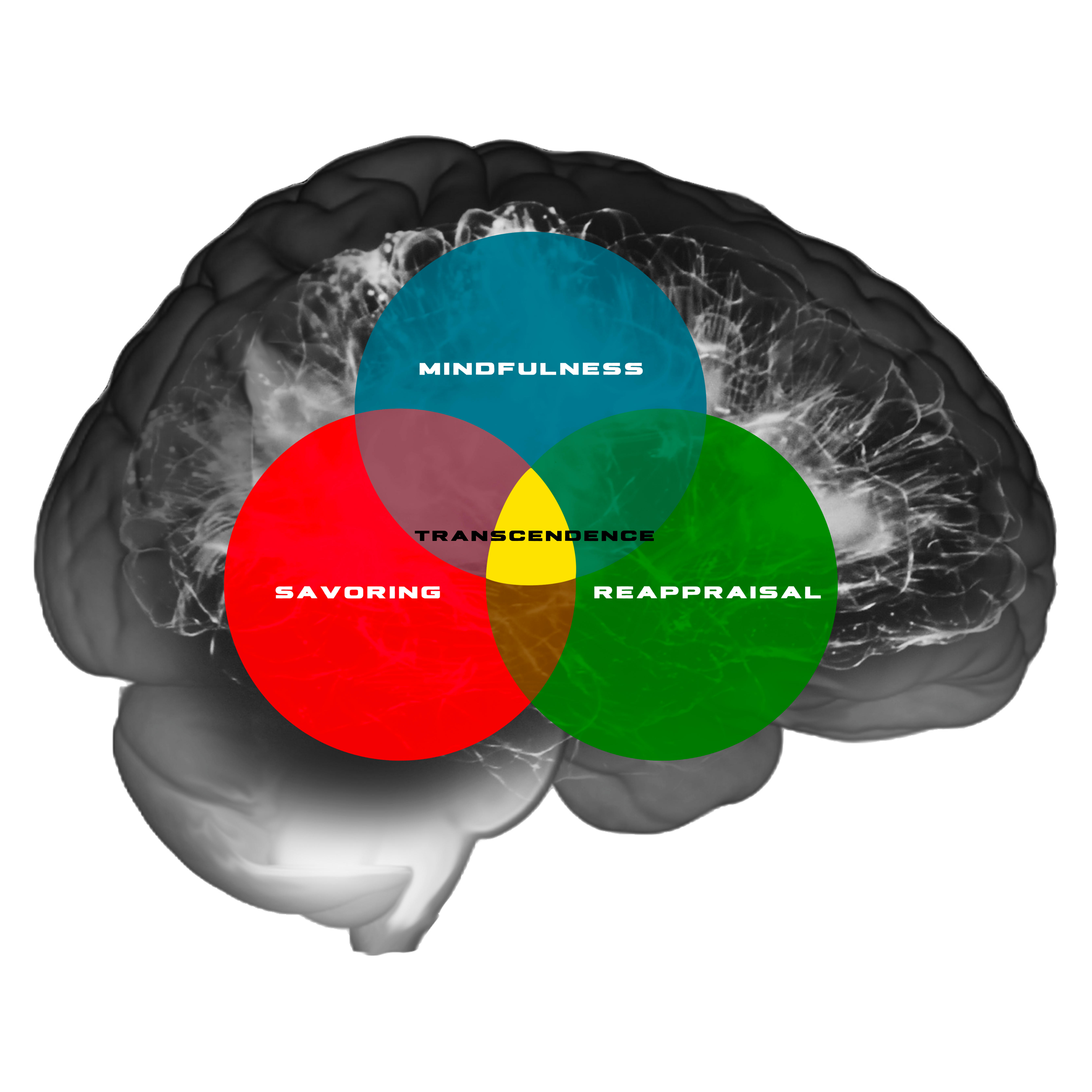
The world in 2025 is rife with challenges, from environmental crises to geopolitical tensions. These global issues can create feelings of helplessness and anxiety. Spiritual practices provide a framework to cope with these overwhelming emotions. By emphasizing compassion, interconnectedness, and resilience, spirituality helps individuals navigate an uncertain world with hope and positivity. Practices like yoga and prayer offer tools to manage stress and cultivate a sense of inner peace amidst external turmoil.
Community and Connection

In an age of social media and virtual interactions, genuine human connection is more important than ever. Spiritual practices often foster a sense of community and belonging. Whether it’s attending a meditation class, participating in religious ceremonies, or joining a spiritual study group, these activities bring people together. Shared rituals and beliefs create bonds that transcend cultural and geographical boundaries, fostering a sense of unity and support.
Embracing Holistic Health

The modern understanding of health has evolved to encompass not just physical well-being but also mental and spiritual health. More people are recognizing the importance of nurturing the mind and spirit alongside the body. Spiritual practices often promote holistic health by encouraging practices that benefit all aspects of a person’s life. Whether it’s through mindful eating, breathwork, or energy healing, spirituality offers a comprehensive approach to wellness that many find appealing.
Technology and Spirituality

Interestingly, technology, often seen as the antithesis of spirituality, is playing a role in its resurgence. With the advent of virtual reality and AI-driven applications, spiritual experiences are becoming more immersive and personalized. Online platforms offer guided meditations, spiritual teachings, and community forums, making it easier for individuals to explore spirituality on their own terms. Technology has democratized access to spiritual knowledge, removing barriers and making it more inclusive.
Rediscovering Ancient Wisdom
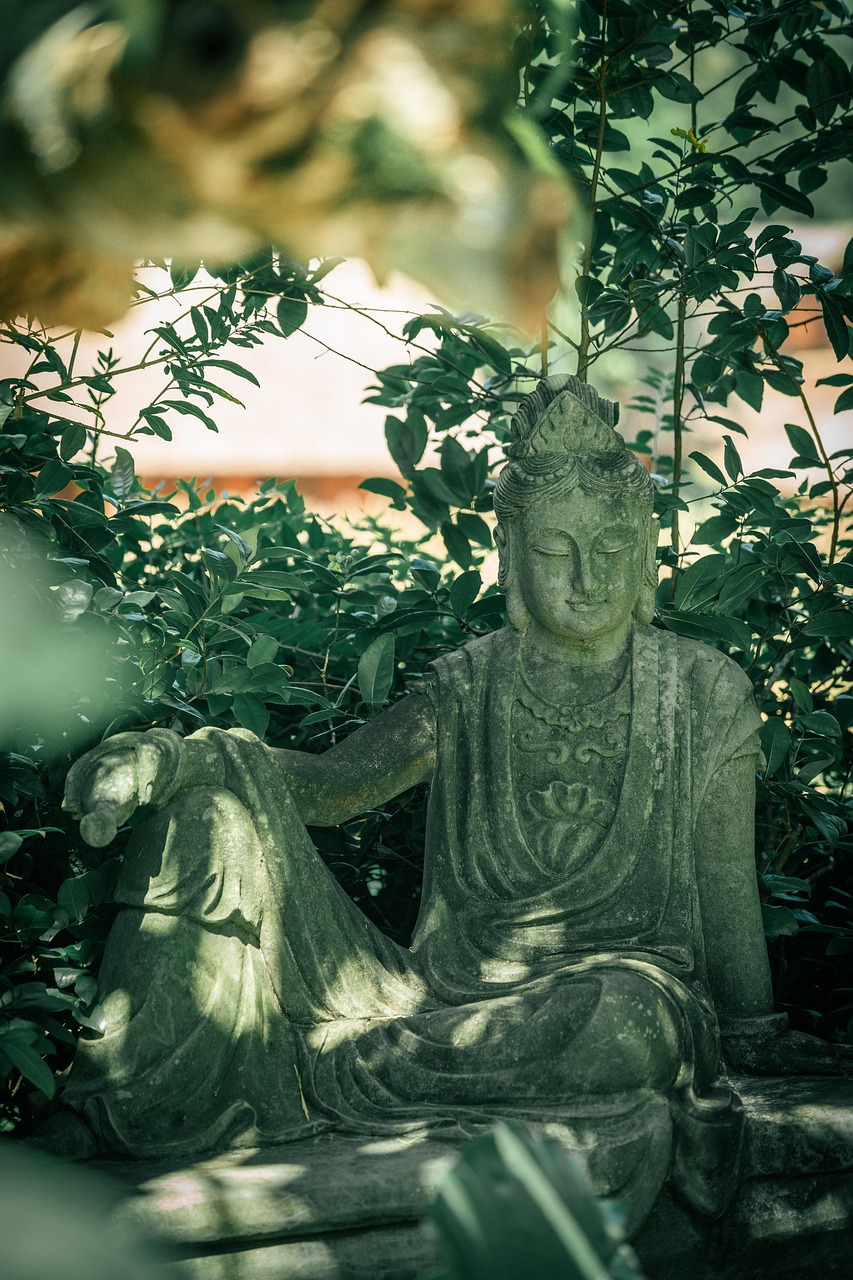
As people search for answers in a rapidly changing world, there is a renewed interest in ancient spiritual traditions. Practices like Buddhism, Hinduism, and indigenous spirituality offer timeless wisdom that resonates with contemporary seekers. The teachings of these traditions emphasize harmony with nature, the importance of community, and the pursuit of inner peace. By rediscovering and adapting these ancient practices, individuals find guidance and inspiration for modern challenges.
Personal Growth and Transformation
Spirituality often serves as a catalyst for personal growth and transformation. Many people turn to spiritual practices to overcome personal struggles, heal past traumas, and cultivate positive change. These practices encourage introspection, self-awareness, and the development of virtues like compassion and gratitude. By embarking on a spiritual journey, individuals can transform their lives, finding greater fulfillment and happiness.
Inclusivity and Diversity in Spiritual Practices
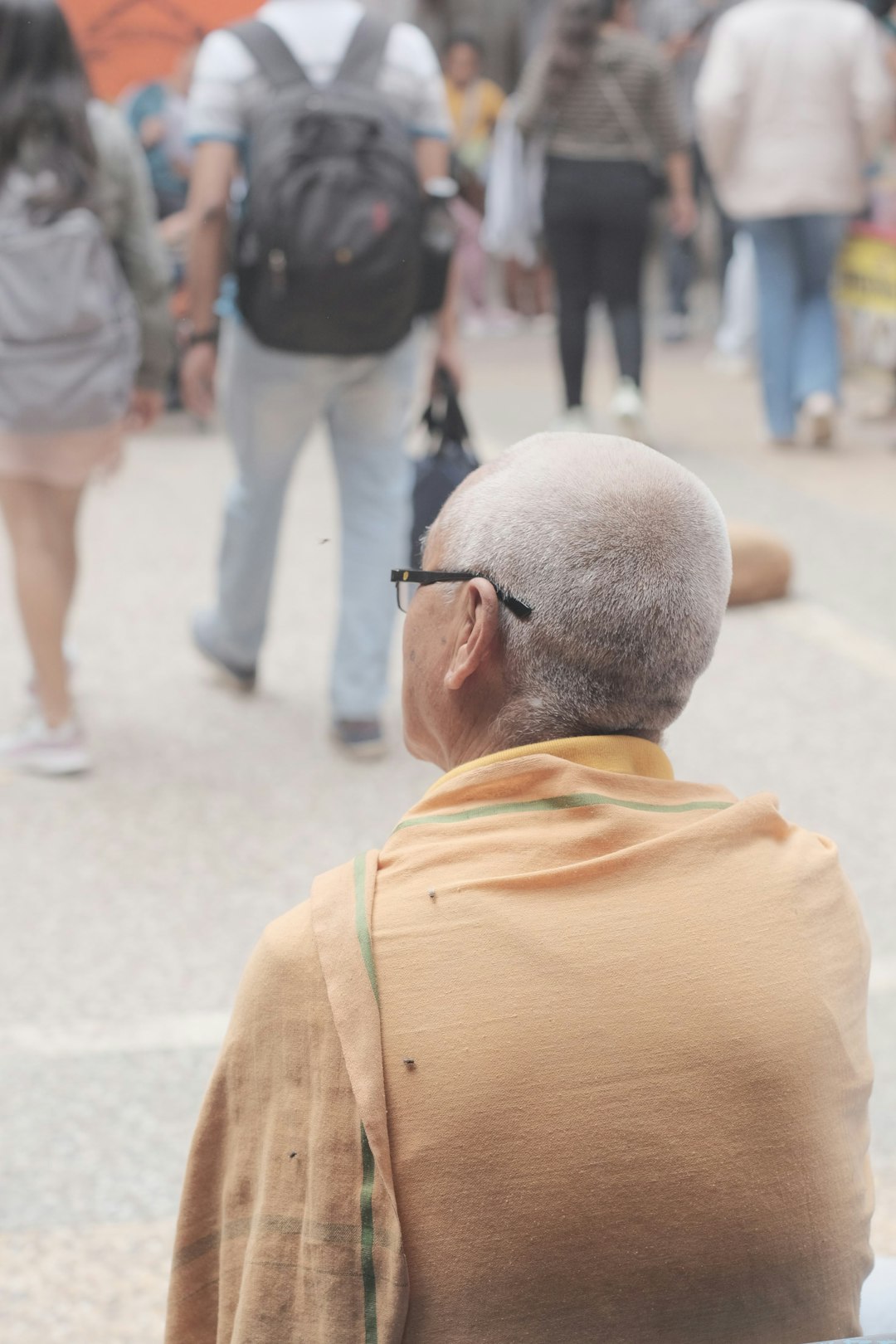
One of the most appealing aspects of modern spirituality is its inclusivity and diversity. Unlike traditional religious institutions, contemporary spiritual practices often embrace a wide range of beliefs and backgrounds. This openness allows individuals to create personalized spiritual paths that resonate with their unique experiences. Whether it’s blending elements from different traditions or exploring new spiritual paradigms, people are empowered to define spirituality in ways that feel authentic to them.
A Response to Loneliness

Loneliness and isolation have become prevalent issues in today’s society, exacerbated by the pandemic and modern lifestyles. Spiritual practices offer a remedy by fostering a sense of belonging and connection. Through shared rituals, communal gatherings, and a focus on empathy and compassion, spirituality helps individuals feel less alone. By connecting with something greater than themselves, people find solace and companionship in the spiritual realm.