Labels and the Illusion of Belonging
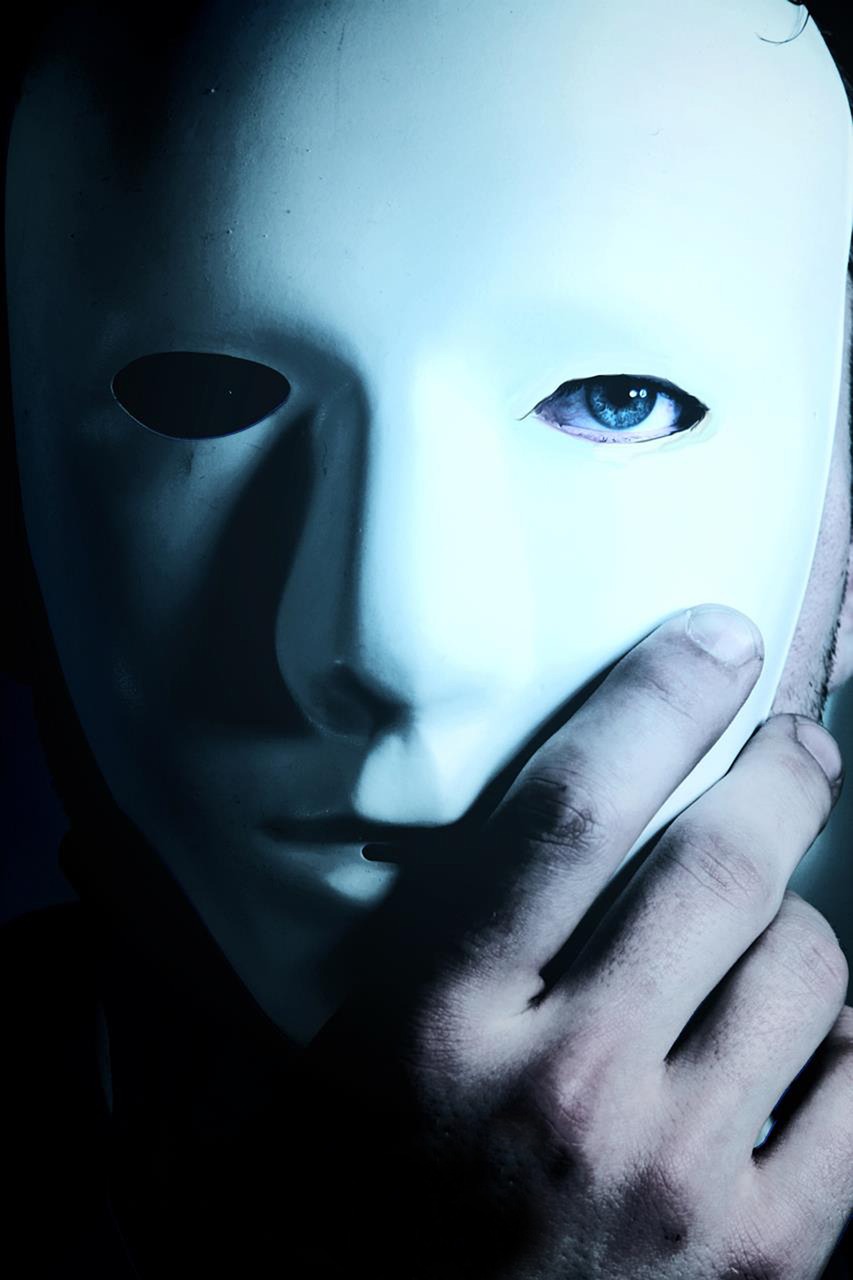
There’s something oddly comforting about slipping on a spiritual label like “Buddhist,” “Christian,” or “atheist” the way you might wear your favorite hoodie. It tells the world, “Hey, this is who I am.” But I found that labels can be more of a mask than a mirror. According to a 2024 Pew Research Center report, more than 60% of Americans say they feel pressure to define their beliefs to fit in. I realized I wasn’t alone in using labels to belong. The irony? The more I clung to my label, the less true belonging I felt, because I was always editing myself to fit the group’s expectations.
The Pressure to Pick a Side
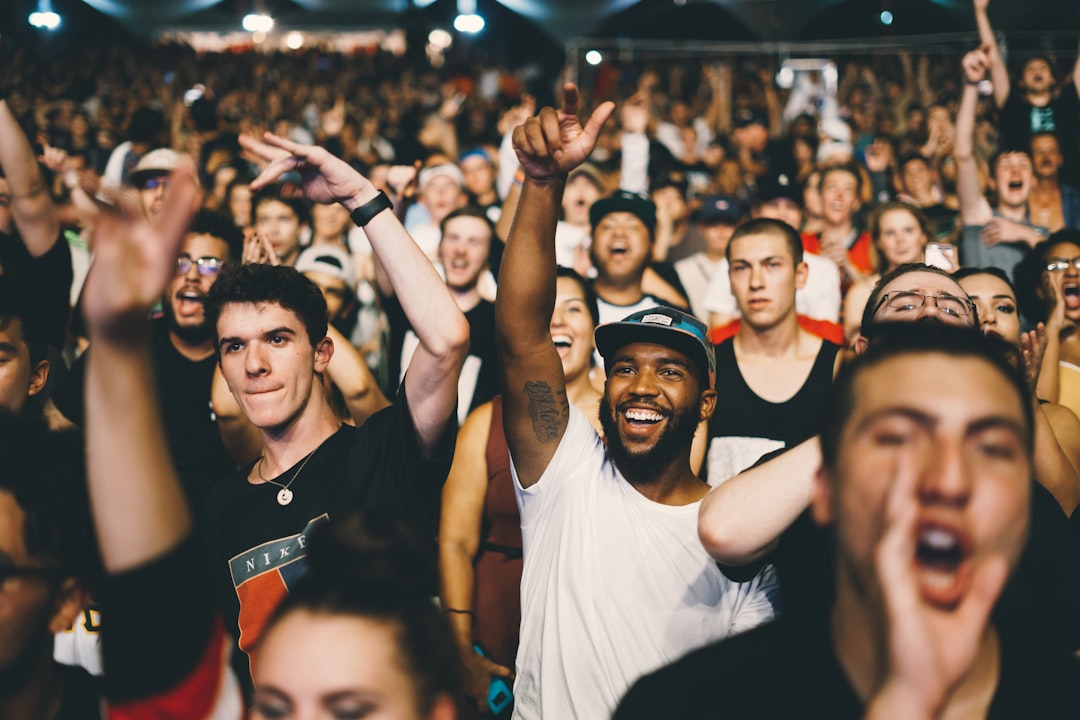
Choosing a label can feel like picking a sports team—once you’re in, you’re expected to root for your side, no matter what. This pressure can make spiritual exploration feel like a competition instead of a journey. In the 2024 American Values Survey, over half of respondents admitted they hesitated to share spiritual doubts for fear of being judged by their community. My own experience echoed this: it’s hard to question or change when your identity feels locked in by a word.
How Labels Can Limit Growth
Labels can be like invisible fences. I found myself skipping over ideas or practices that didn’t “fit” my chosen label, even if they sparked real curiosity. Recent research from the University of Michigan found that people who strongly identify with a single religious or spiritual group are less likely to seek out new perspectives. That hit home for me. When you’re boxed in, your spiritual garden can’t really grow wild—you just keep trimming it to match the sign on the gate.
The Trap of “Us vs. Them” Thinking

It’s shocking how quickly a label becomes a line in the sand. Once I called myself “spiritual but not religious,” I started unconsciously separating myself from those who weren’t. Sociological studies in 2025 have shown that group identity, even in spiritual circles, often fuels division and judgment. The world doesn’t need more walls. I realized that my label, instead of bringing me closer to others, sometimes made me feel further away.
Missing Out on Real Connection

I noticed that when I introduced myself with a spiritual label, conversations often became about comparing beliefs rather than sharing experiences. According to a 2025 Gallup poll, people who describe themselves without spiritual labels are far more likely to have open, vulnerable conversations about life’s big questions. Without the label, I was surprised at how much deeper my connections became. We weren’t defending dogmas—we were just being human together.
Changing Beliefs and the Fear of Inconsistency
If you’ve ever switched spiritual labels, you know the awkwardness—friends asking, “But didn’t you say you were…” It’s almost as if we’re not allowed to change our minds. A 2024 study from Stanford tracked spiritual identity over ten years and found that nearly 40% of people changed their primary label at least once. I realized that clinging to a label was like freezing myself in time, even as my heart kept moving.
The Freedom of Not Choosing a Label

Letting go of spiritual labels felt like stepping into open air. I was shocked at how freeing it was. I could meditate one day, pray the next, and just sit in silence after that—no explanations needed. Recent surveys suggest that the number of “nones”—people who claim no spiritual label—has risen to 30% in the U.S. as of 2025. Many report feeling less pressure and more peace. I found myself exploring corners of spirituality I’d never dared try before.
Embracing Contradiction and Complexity
Human beings are messy and full of contradictions, but labels don’t leave much room for that. When I stopped labeling myself, I could admit that sometimes I doubted everything and sometimes I believed in miracles. According to a 2025 article in Psychology Today, embracing complexity is linked to greater emotional resilience and creativity. I discovered that it’s okay to say, “I don’t know”—sometimes that’s the most spiritual thing of all.
Spiritual Labels and Social Media
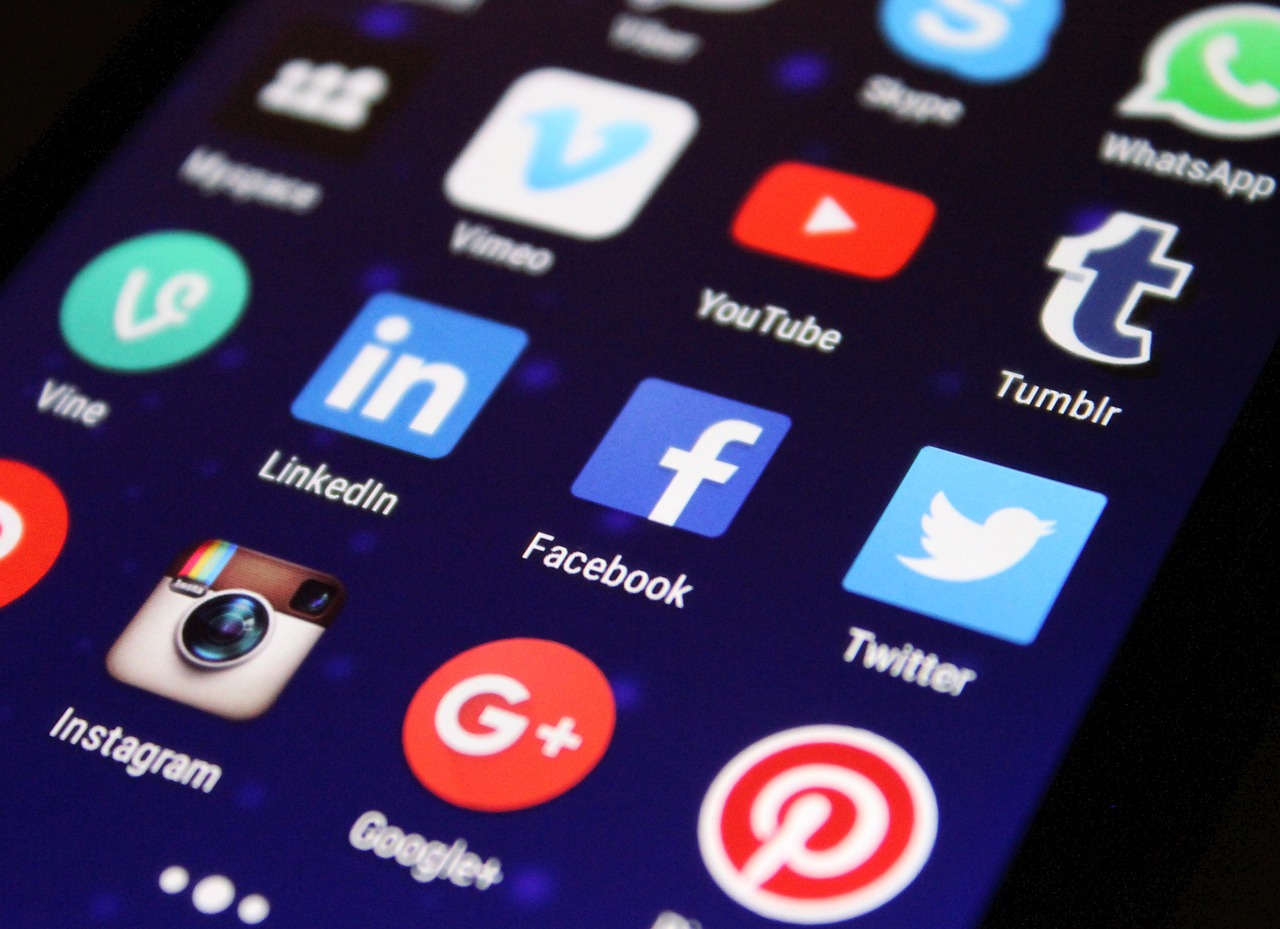
Social media loves labels—they make us easy to categorize and follow. But a 2024 report from the Digital Wellness Institute found that people who publicly declare spiritual identities online report higher levels of anxiety and comparison. I noticed this in myself, too. When I let go of the need to post about my spiritual identity, I felt lighter and less anxious. My spirituality became mine again, not something I performed for others.
Finding Meaning Beyond Words

Some experiences are too big for words. When I stopped trying to name my spiritual journey, I started noticing the little miracles in ordinary days. Neuroscience research in 2025 shows that people who focus on feeling rather than labeling report greater happiness and awe. I realized that my most meaningful moments—watching the sunrise, hugging a friend, laughing until I cried—didn’t need a label at all.
Listening Instead of Preaching
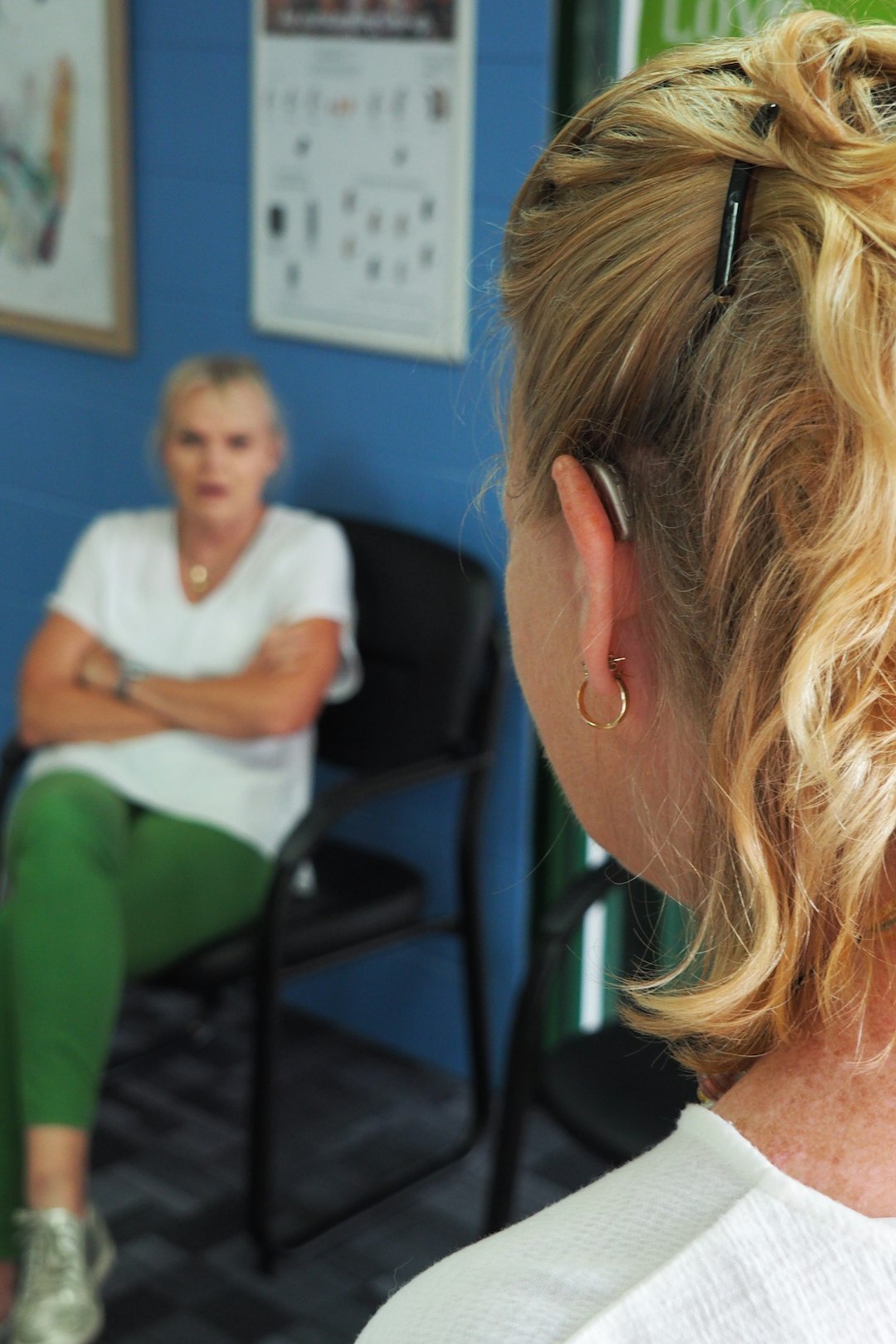
Without a label to defend, I found myself listening more. I didn’t need to correct or convert anyone. In a recent Harvard study, participants who described themselves as “spiritually curious” rather than defined by a label reported stronger relationships and higher trust in others. I found that when I approached conversations with curiosity instead of certainty, I learned more—and felt more peace.
Letting Go of the Need to Explain
One of the strangest reliefs was not having to explain myself. I didn’t need to answer awkward questions about what I “believed.” Data from the Religious Landscape Study 2025 suggests that people who don’t use labels experience less social friction and more acceptance in diverse groups. I could just be—no footnotes, no disclaimers, no anxious explanations.