
Introduction to Spirituality and Vulnerability

Spirituality often promises a path to inner peace, self-discovery, and a deeper connection with the universe. However, it can sometimes act as a mirage, exploiting our vulnerabilities rather than healing them. Many individuals seek spiritual guidance during times of distress, leading them to embrace practices and beliefs that may not serve their best interests. This article explores the intricate relationship between spirituality and vulnerability, revealing how the former can sometimes mask deeper issues rather than resolve them.
The Allure of Spirituality
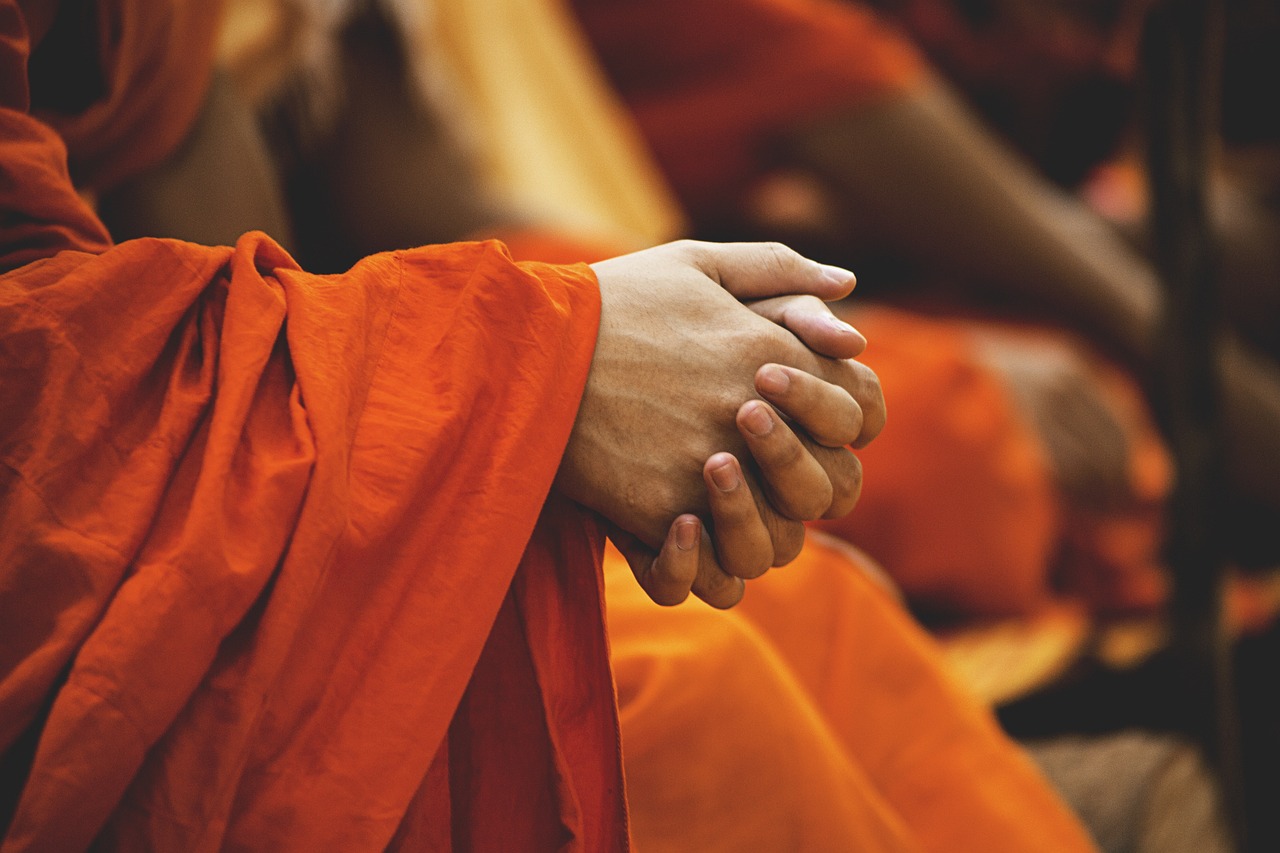
Spirituality is often portrayed as a sanctuary for those grappling with life’s challenges. It offers a sense of belonging, purpose, and hope. According to a 2021 survey by the Pew Research Center, approximately 48% of Americans identify as spiritual but not religious. This shift indicates a growing trend where individuals seek personal connections to spirituality outside traditional religious frameworks. However, this allure can sometimes lead to dependency on spiritual practices that may not provide genuine solutions to underlying problems.
The Vulnerability Factor

Vulnerability is a natural part of the human experience. It encompasses emotional exposure, uncertainty, and risk. When individuals face significant life challenges—such as loss, trauma, or existential crises—they often turn to spirituality for solace. However, this reliance can create a cycle where individuals become more susceptible to manipulation by those who promise spiritual enlightenment or healing. In fact, a study published in the Journal of Humanistic Psychology found that individuals with higher levels of vulnerability are more likely to engage in spiritual practices, sometimes leading to exploitation by unscrupulous spiritual leaders.
Spirituality as a Coping Mechanism
For many, spirituality serves as a coping mechanism to manage stress and anxiety. Engaging in meditation, yoga, or other spiritual practices can provide temporary relief. However, it is crucial to recognize that these practices may not address the root causes of one’s distress. Instead, they can become a distraction, allowing individuals to avoid confronting their issues. According to the American Psychological Association, avoidance coping can lead to increased anxiety and depression over time, highlighting the potential dangers of relying solely on spirituality for emotional support.
The Dark Side of Spiritual Exploitation

The spiritual marketplace is vast and varied, with countless self-proclaimed gurus and healers offering guidance. Unfortunately, this environment can foster exploitation. Vulnerable individuals may be drawn to charismatic leaders who promise miraculous transformations. A report by the International Cultic Studies Association indicates that individuals in vulnerable states are more likely to join cult-like groups, which can lead to emotional and financial exploitation. It is essential to approach spiritual guidance with a critical eye, ensuring that practitioners prioritize the well-being of their followers.
The Importance of Critical Thinking in Spirituality

To navigate the complexities of spirituality, individuals must cultivate critical thinking skills. This involves questioning the motivations behind spiritual teachings and practices. Are they genuinely beneficial, or do they serve to enrich the practitioner? Engaging in open discussions about spirituality can also help individuals discern between healthy practices and those that may be harmful. Encouraging skepticism can empower individuals to make informed choices about their spiritual journeys.
Finding Balance: Spirituality and Mental Health
Integrating spirituality with mental health practices can lead to a more holistic approach to well-being. Mental health professionals often recognize the value of spirituality in promoting resilience and coping strategies. However, it is essential to balance spiritual practices with evidence-based therapies. According to the World Health Organization, mental health is a state of well-being in which individuals realize their potential, can cope with the normal stresses of life, and can contribute to their communities. Spirituality can complement this, but it should not replace professional mental health support.
Spirituality and the Quest for Meaning

The quest for meaning is a fundamental human drive. Spirituality can offer a framework for understanding life’s purpose and one’s place in the universe. However, this quest can become a double-edged sword. When individuals seek meaning solely through spiritual practices, they may overlook other important aspects of life, such as relationships, career, and personal growth. It is essential to recognize that meaning can be found in diverse ways, and spirituality is just one of many paths.
The Role of Community in Spirituality
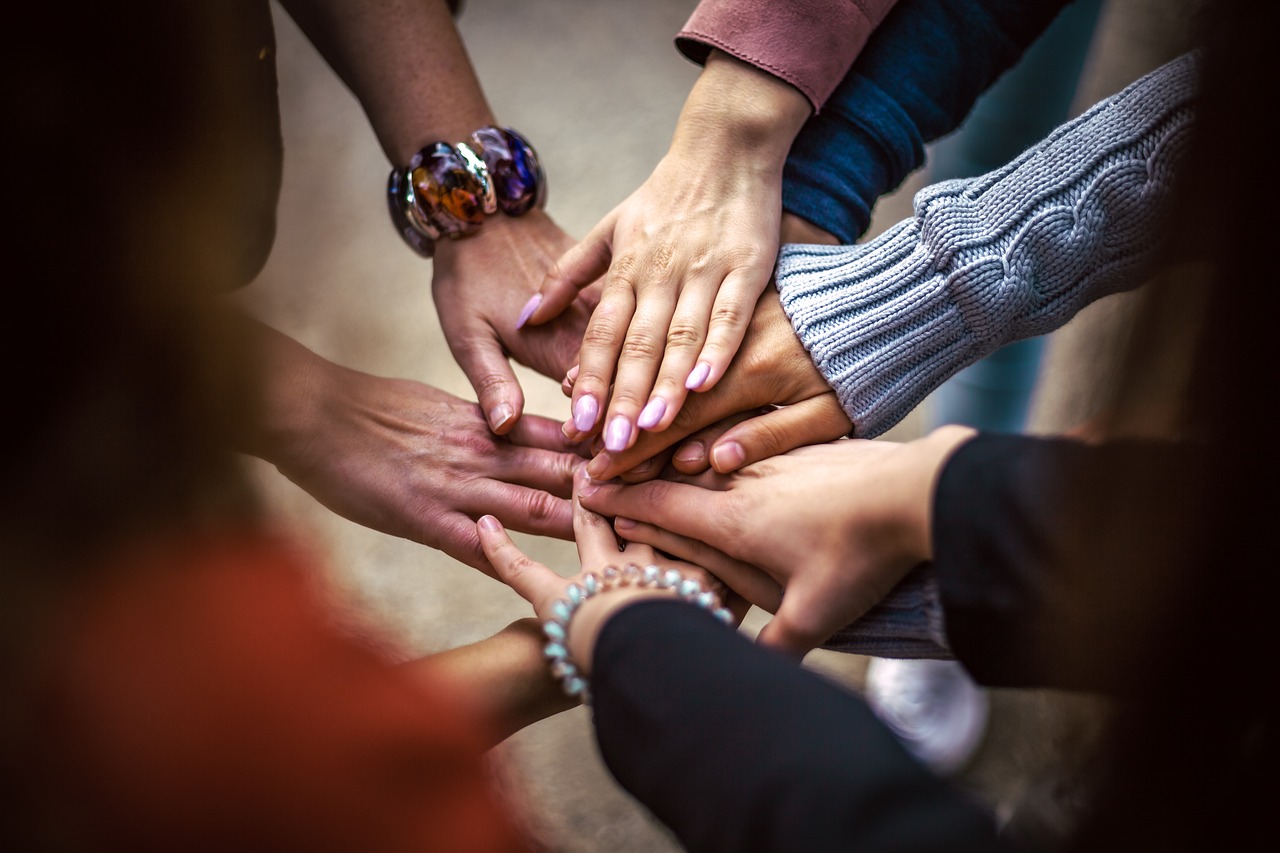
Community plays a significant role in spirituality. Being part of a spiritual community can provide support, shared values, and a sense of belonging. However, communities can also become insular and resistant to external perspectives. This can lead to an echo chamber effect, where individuals are discouraged from questioning or challenging the group’s beliefs. It is important for spiritual communities to foster open dialogue and encourage diverse viewpoints to promote growth and understanding.
The Future of Spirituality

As society continues to evolve, so too will the landscape of spirituality. With the rise of digital platforms, individuals have unprecedented access to a wide range of spiritual teachings and practices. This democratization of spirituality presents both opportunities and challenges. On one hand, it can empower individuals to explore diverse spiritual paths. On the other hand, it can lead to the proliferation of misinformation and exploitation. As we move forward, it is crucial to prioritize discernment and critical thinking in our spiritual journeys.
By understanding the complexities of spirituality and its relationship with vulnerability, individuals can make informed choices that lead to genuine healing and growth.