
Mindful Meditation in the Workplace

Incorporating mindful meditation into your daily work routine can be transformative. Just five minutes of focused breathing each morning can sharpen your attention and enhance your decision-making skills. Imagine starting your day with a clear mind, like a blank canvas ready for creativity. According to a study published by the American Psychological Association, employees who practice mindfulness are more productive and less stressed. This practice is about being present, not just going through the motions. By focusing on the now, you can tackle tasks with renewed energy and clarity. Even during a hectic schedule, taking a moment to breathe can shift your perspective, making challenges seem less daunting.
Gratitude Journaling for Professional Growth

Gratitude journaling isn’t just a personal endeavor; it can also boost your career. By writing down three things you’re thankful for at work each day, you foster a positive mindset. This habit helps you recognize opportunities rather than obstacles. For example, acknowledging a supportive colleague can strengthen team relationships. The Greater Good Science Center at UC Berkeley found that gratitude can increase job satisfaction and reduce turnover. With every entry, you’re training your brain to focus on the good, which can lead to a happier, more productive work environment.
Setting Intentions for Career Success

Setting intentions is more than making a to-do list; it’s about aligning your goals with your values. When you set an intention, you create a mental roadmap for your day. This practice can help you stay focused and motivated, especially during challenging projects. Think of intentions as the North Star guiding your professional journey. Research suggests that individuals who set clear intentions are more likely to achieve their goals. By starting your day with a clear purpose, you’ll find it easier to navigate workplace challenges.
Visualization Techniques for Achieving Goals

Visualization is a powerful tool that can transform your career aspirations into reality. By envisioning your success, you create a mental image of your achievements, which can boost your confidence and motivation. Picture yourself acing that presentation or landing your dream job. According to a study in the Journal of Applied Psychology, visualization can enhance performance by increasing self-efficacy. When you visualize your goals regularly, you’re more likely to take the necessary actions to achieve them.
Breathwork to Enhance Focus

Breathwork is a simple yet effective technique to improve focus and reduce stress at work. By practicing deep breathing exercises, you can calm your mind and increase your concentration. Imagine your breath as a gentle wave, washing away tension and distractions. A study from Harvard Medical School highlights the benefits of breathwork in reducing anxiety and enhancing cognitive function. Incorporating breathwork into your daily routine can help you tackle tasks with greater clarity and efficiency.
Mindful Listening in Meetings
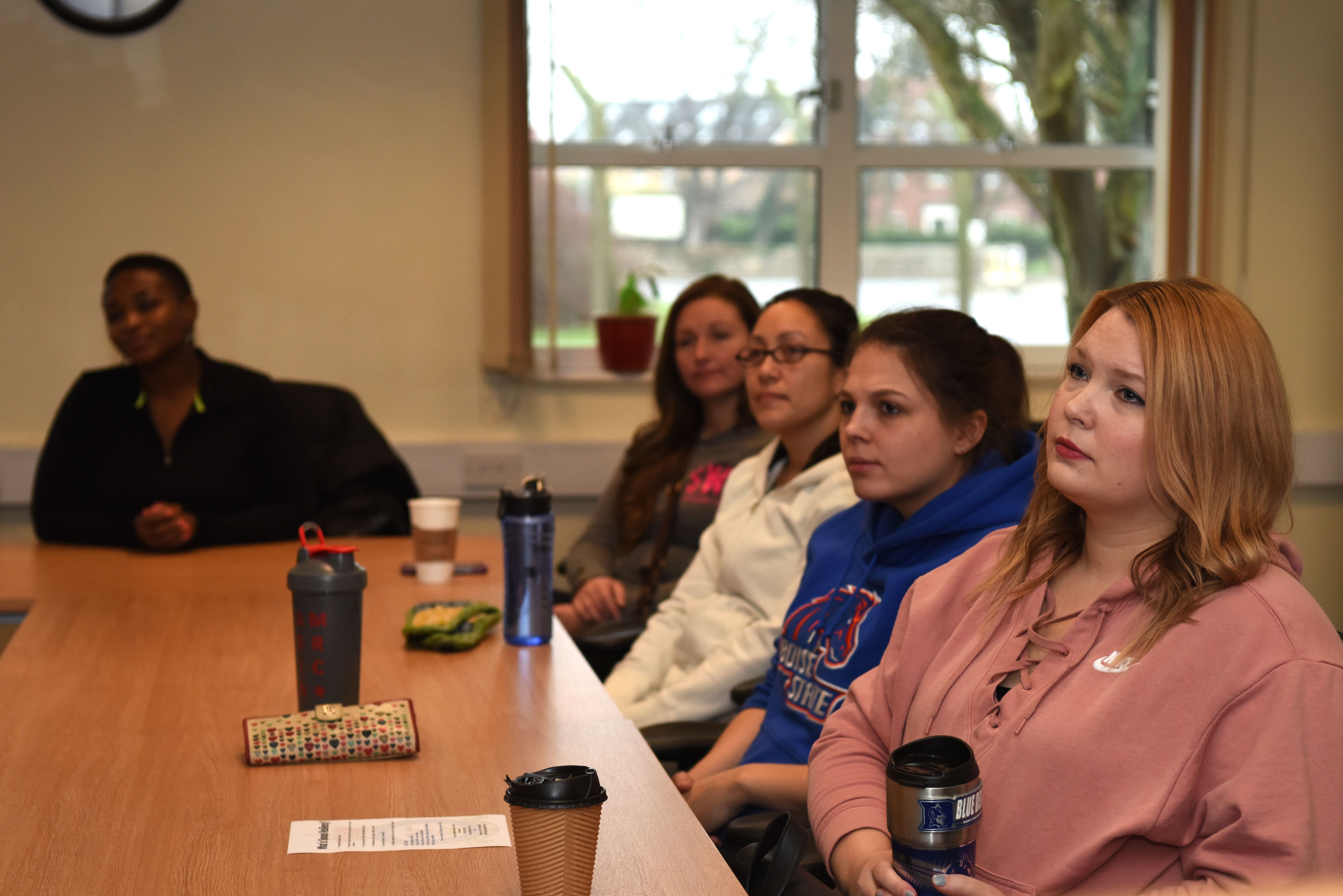
Mindful listening is about being fully present during conversations and meetings. By giving your undivided attention, you can improve communication and collaboration with colleagues. Think of it as tuning into a radio frequency, where every word matters. Research from the Journal of Business and Psychology shows that mindful listening can enhance team dynamics and decision-making. By practicing this skill, you create a more inclusive and productive work environment.
Affirmations for Confidence Boost

Affirmations are positive statements that can boost your confidence and self-esteem. By repeating affirmations like “I am capable” or “I am resilient,” you can rewire your brain to focus on your strengths. Imagine these affirmations as seeds planted in your mind, growing into a garden of self-belief. Studies suggest that affirmations can reduce stress and improve performance in high-pressure situations. By incorporating affirmations into your daily routine, you’ll approach challenges with a can-do attitude.
Practicing Forgiveness for Workplace Harmony

Forgiveness is a powerful practice that can improve workplace relationships and reduce conflict. Holding onto grudges can create a toxic work environment, while forgiveness fosters understanding and collaboration. Think of forgiveness as releasing a heavy backpack, allowing you to move forward with ease. Research from Stanford University indicates that forgiveness can enhance emotional well-being and job satisfaction. By letting go of past grievances, you create space for positive interactions and teamwork.
Mindful Eating to Boost Energy

Mindful eating involves paying full attention to the experience of eating, which can enhance your energy levels and productivity. By savoring each bite, you can improve digestion and prevent overeating. Picture your meal as a symphony, with each flavor playing a harmonious note. A study from the Journal of Health Psychology highlights the benefits of mindful eating in reducing stress and improving focus. By nourishing your body with intention, you fuel your career with vitality.
Connecting with Nature for Inspiration

Connecting with nature can provide a fresh perspective and inspire creativity in your career. Whether it’s a walk in the park or a moment spent watching the clouds, nature offers a respite from the demands of work. Imagine nature as a canvas, with each element offering a new insight. Research from the University of Exeter found that exposure to nature can boost mood and cognitive function. By taking time to connect with the natural world, you can return to work with renewed inspiration and clarity.
Practice Compassionate Leadership

Compassionate leadership involves leading with empathy and understanding, creating a supportive and inclusive work environment. By valuing each team member’s contributions, you foster a culture of trust and collaboration. Think of compassionate leadership as a guiding light, illuminating the path for others. Studies show that compassionate leaders can enhance team performance and employee satisfaction. By practicing empathy, you inspire others to reach their full potential.
Embracing Vulnerability for Authentic Connections

Embracing vulnerability means being open and honest in your interactions, which can lead to authentic connections with colleagues. By sharing your challenges and triumphs, you create a safe space for others to do the same. Imagine vulnerability as a bridge, connecting hearts and minds. Research from the University of Houston suggests that vulnerability can strengthen relationships and foster a sense of belonging. By being open, you build trust and camaraderie in the workplace.
Setting Boundaries for Work-Life Balance

Setting boundaries is essential for maintaining a healthy work-life balance. By defining your limits, you can protect your time and energy, preventing burnout. Think of boundaries as a protective shield, guarding your well-being. Studies highlight the importance of boundaries in reducing stress and enhancing job satisfaction. By setting clear boundaries, you create space for both professional success and personal fulfillment.
Daily Reflection to Foster Growth

Daily reflection involves taking time to review your actions and experiences, fostering personal and professional growth. By reflecting on your day, you can identify areas for improvement and celebrate your achievements. Imagine reflection as a mirror, offering insights into your journey. Research suggests that reflection can enhance self-awareness and decision-making. By incorporating reflection into your routine, you pave the way for continuous learning and development.
Engaging in Acts of Kindness

Engaging in acts of kindness at work can create a positive and supportive atmosphere. Whether it’s offering a helping hand or sharing a kind word, these acts can boost morale and strengthen team bonds. Picture kindness as a ripple, spreading positivity throughout the workplace. Studies show that acts of kindness can increase job satisfaction and reduce stress. By practicing kindness, you contribute to a culture of respect and collaboration.