

The Enigmatic Fate of Siddhartha Gautama
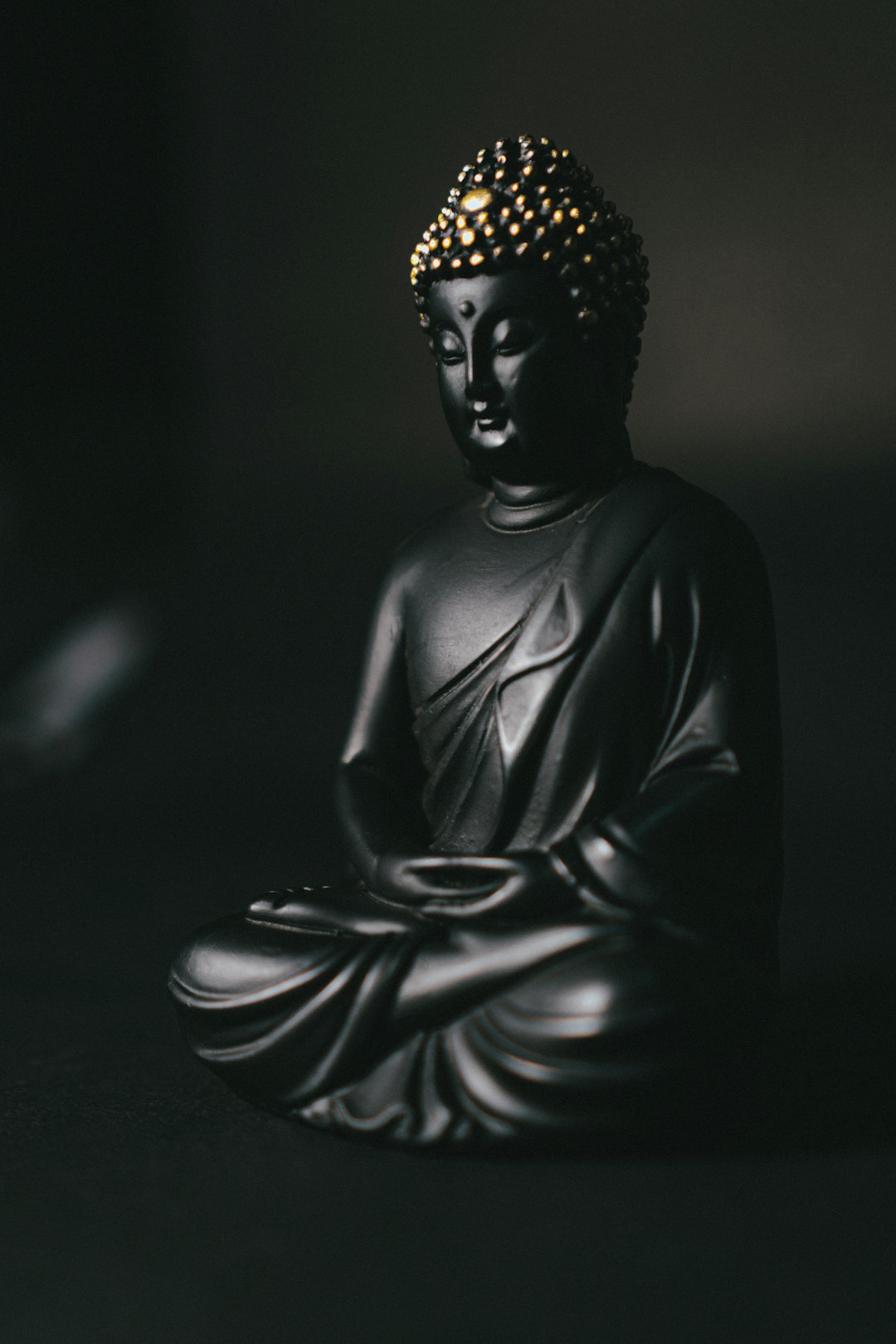
Siddhartha Gautama, more famously known as the Buddha, is one of history’s most influential spiritual leaders. After decades of teaching across India, the records abruptly stop around the time of his death. Ancient texts suggest he passed away in Kushinagar, but there are mysterious gaps about his final days. Some Buddhist traditions say he achieved parinirvana, a state beyond death, while others hint at secret journeys. Scholars debate whether his followers deliberately obscured details to preserve his mythic status. Archaeological digs in northern India continue to search for definitive evidence of his last resting place, but nothing conclusive has emerged. The lack of concrete information has only fueled fascination with his disappearance.
Jesus of Nazareth’s Vanishing Years
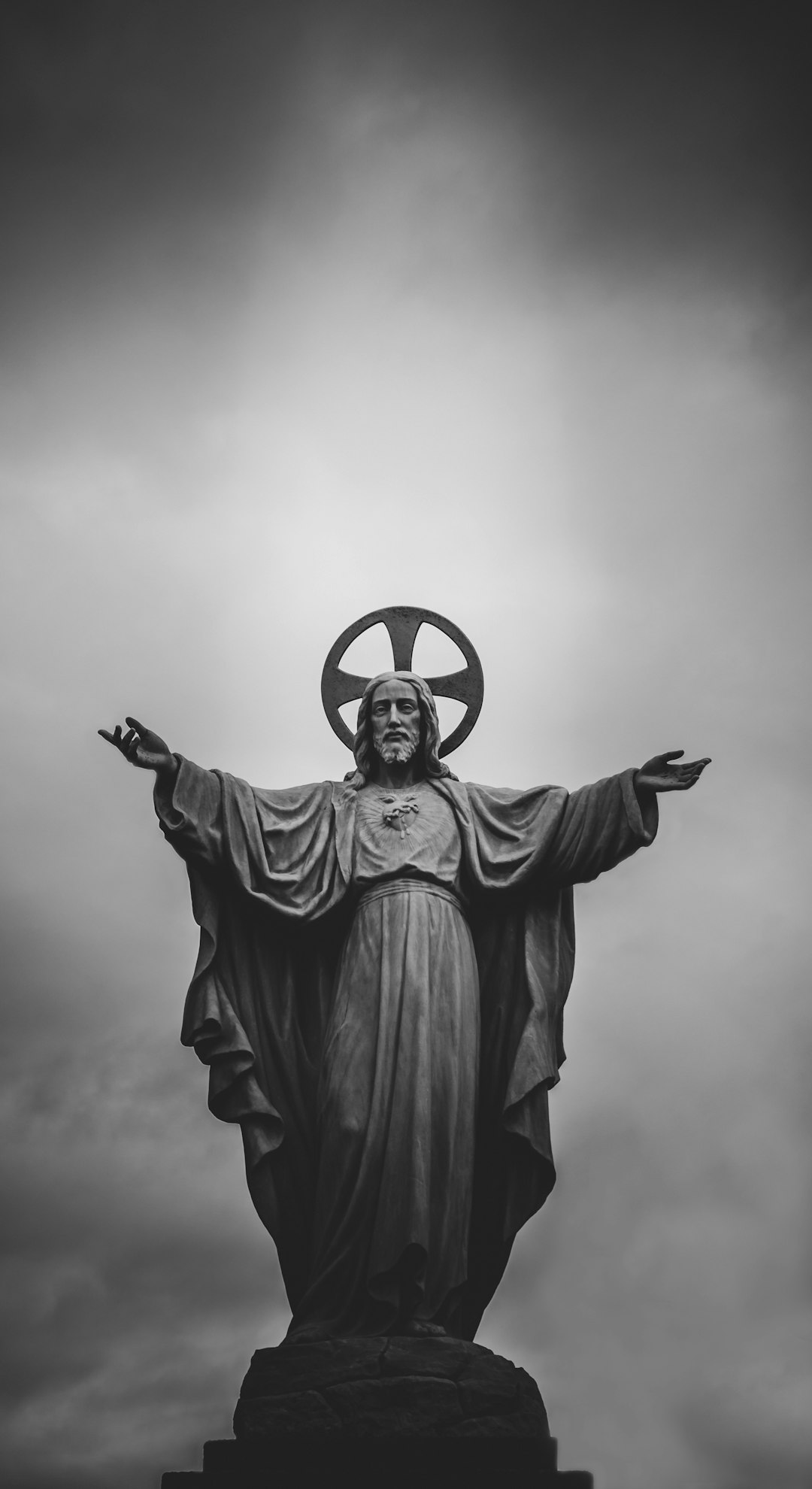
The life of Jesus Christ is one of the most documented—and debated—in spiritual history. Yet, the Bible itself contains a striking gap: the so-called “lost years” between his childhood and the start of his ministry at age 30. No canonical gospels describe what happened during this time. Some speculate he traveled to India or Egypt, learning from mystics and sages, while others think he lived quietly as a carpenter. Recent archaeological research in Galilee has not uncovered any artifacts linked to these missing years. This silence has inspired countless legends and alternative histories, but solid facts remain elusive, making Jesus’s missing years an enduring mystery.
Laozi and the Lost Writings

Laozi, the legendary founder of Taoism and author of the Tao Te Ching, is a figure wrapped in mystery. Chinese historical records, like the “Records of the Grand Historian,” describe Laozi leaving the Zhou dynasty court and disappearing into the west, never to be seen again. His departure is often depicted as a deliberate act to escape a corrupt society. Archaeologists have not found any personal artifacts or tomb linked to him, despite Taoism’s massive influence. Some modern researchers think Laozi might not have been a single person at all, but a group of sages whose identities were merged. The unanswered questions about his life and disappearance continue to spark debate among historians and seekers.
The Prophet Elijah’s Fiery Exit
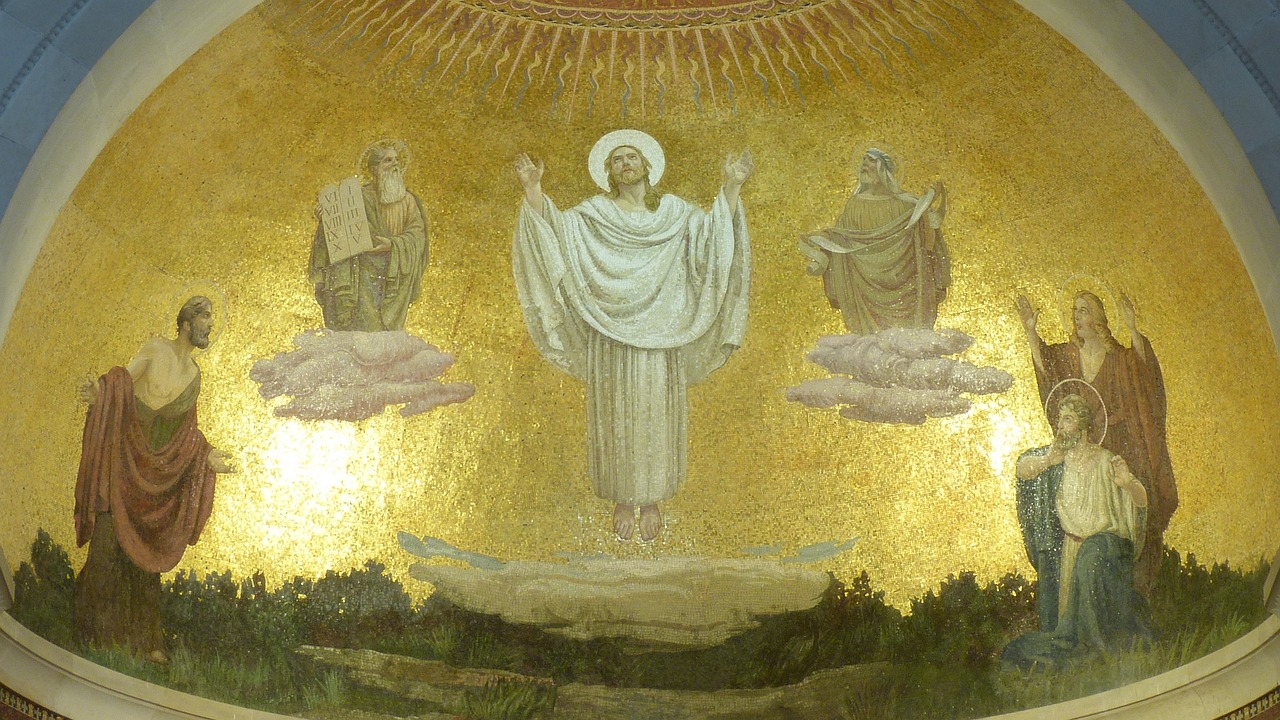
The Hebrew Bible’s account of the prophet Elijah is dramatic: he was swept up to heaven in a whirlwind, never experiencing death in the traditional sense. This sudden vanishing is recorded in the Book of Kings and has become a cornerstone for Jewish and Christian mysticism. Some scholars argue that Elijah’s disappearance was symbolic rather than literal, meant to underscore his spiritual power. Archaeological research in the Jordan Valley, where his last known journey took place, has not revealed any direct evidence of his final moments. Despite centuries of searching, the true fate of Elijah remains a tantalizing spiritual mystery.
The Missing Years of Confucius
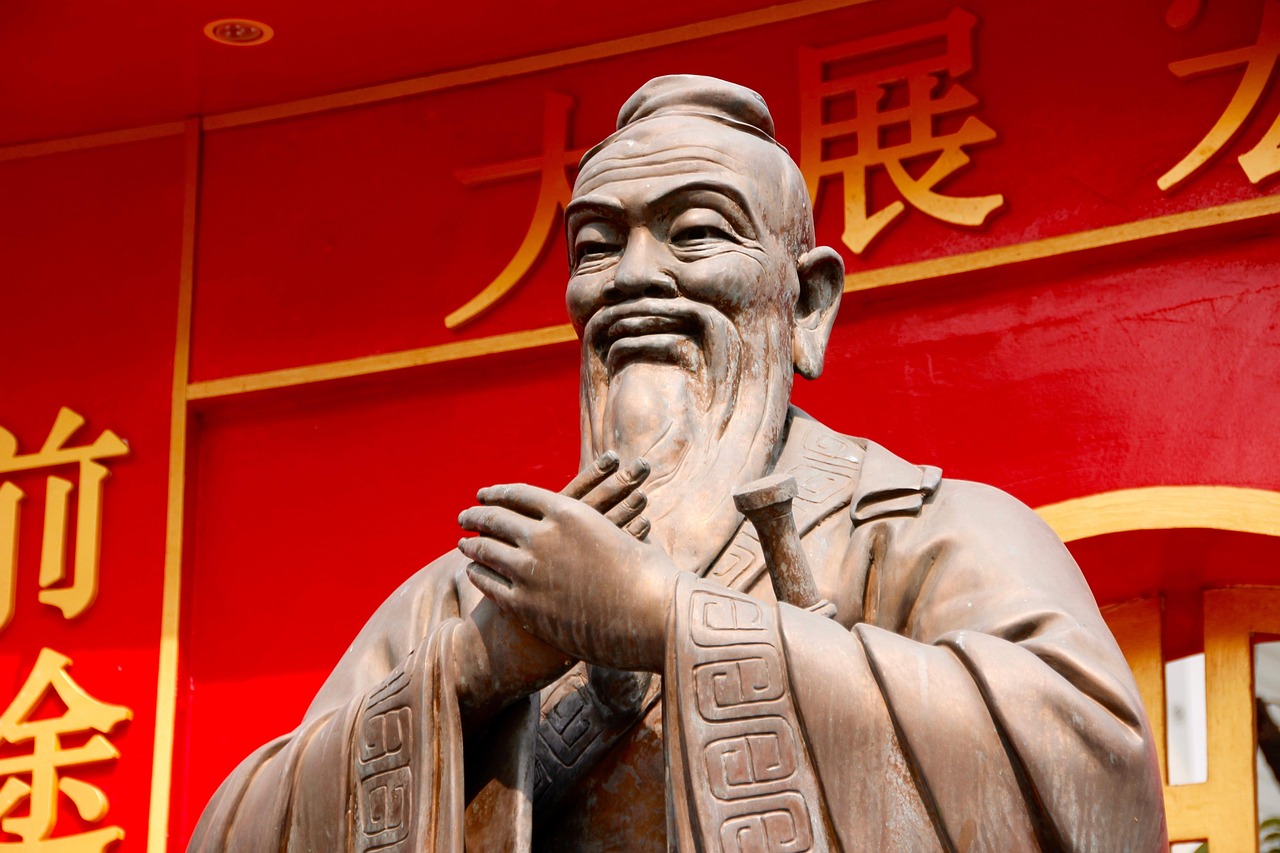
Confucius, the great Chinese philosopher, spent many years traveling and teaching. However, historical sources like the “Analects” record a period when he vanished from the public stage. Some believe he went into self-imposed exile after political setbacks. There are no written records of his activities during these years, and legends suggest he wandered remote regions seeking wisdom. Excavations in Shandong province, Confucius’s homeland, have uncovered ancient texts but nothing that clarifies this lost period. Modern scholars continue to debate whether this disappearance was due to personal choice, political danger, or simply gaps in ancient record-keeping.
Mary Magdalene’s Mysterious Departure
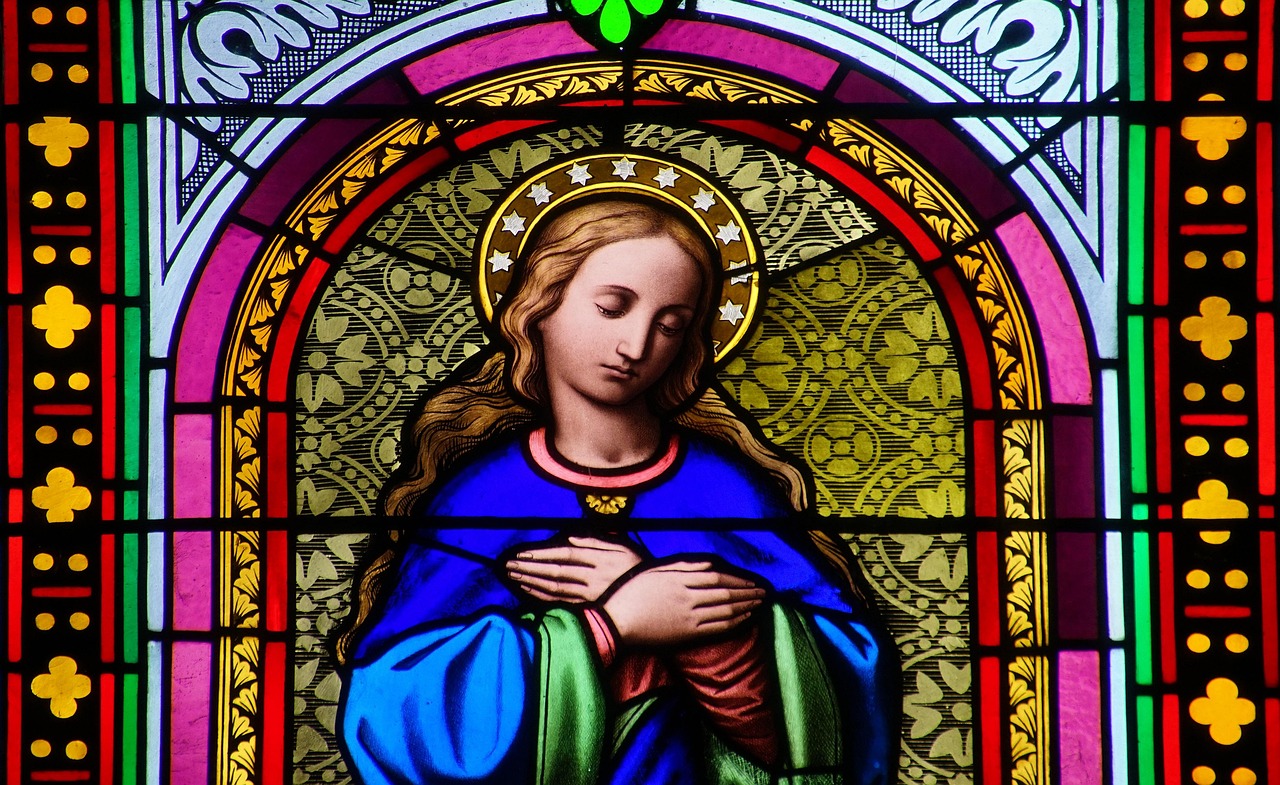
Mary Magdalene, a devoted follower of Jesus, is celebrated in the New Testament, but her fate after the crucifixion is unclear. Early Christian texts mention her role as a witness to the Resurrection, yet after this, she vanishes from the canonical record. Various apocryphal texts suggest she traveled to France or Ephesus, but solid evidence is lacking. In recent years, researchers have investigated ancient burial sites in southern France, hoping to find clues, but results remain inconclusive. The Church’s shifting attitudes toward her legacy have only deepened the mystery, leaving her final years shrouded in speculation.
The Sudden Silence of Rumi
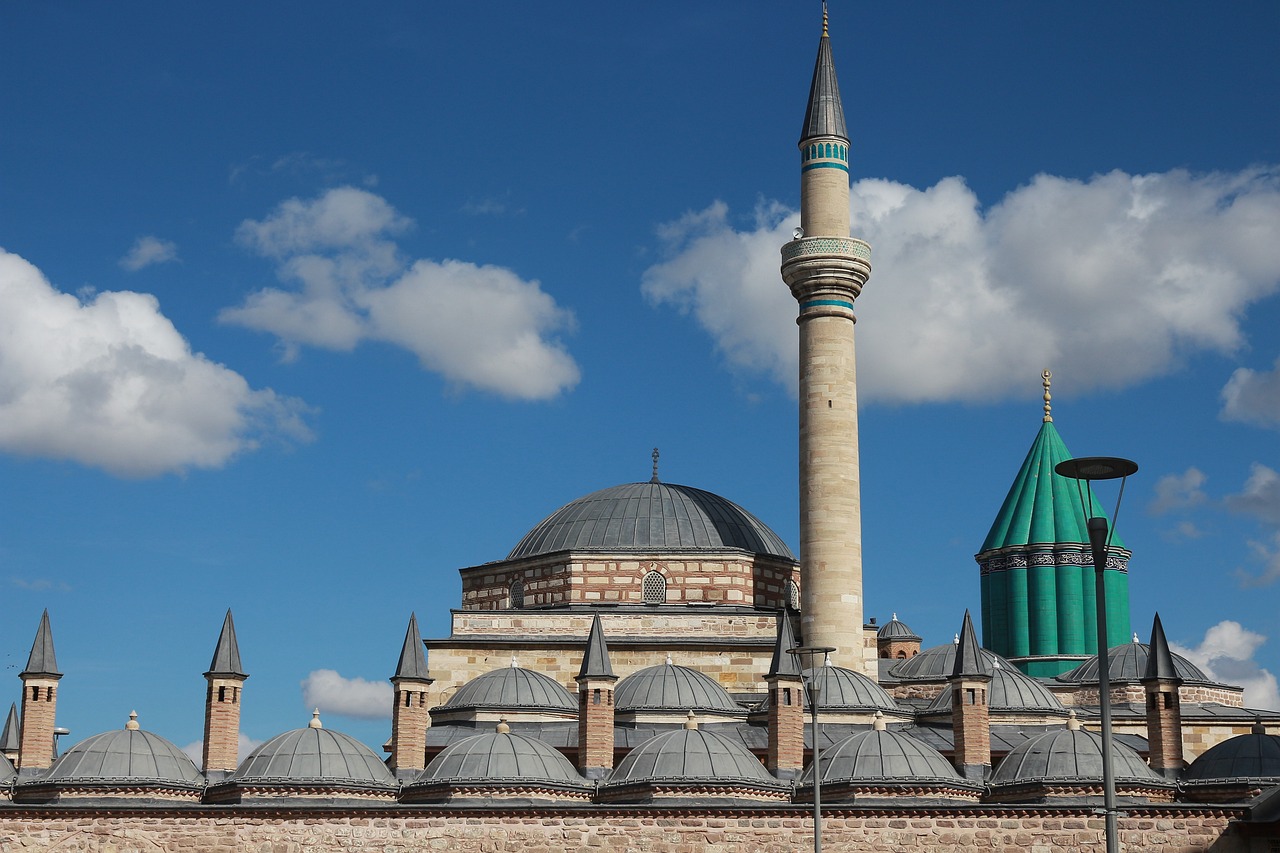
Jalal ad-Din Muhammad Rumi, the celebrated Sufi mystic and poet, transformed spiritual thought across the Middle East and beyond. His prolific writings continue to inspire millions. Yet, there is little documentation about his final days before his death in 1273. Accounts from his followers, the Mevlevi Order, claim he entered a deep spiritual retreat before passing, while others insist he simply disappeared from public life. Recent studies of manuscripts in Konya, Turkey, where Rumi spent much of his life, have not revealed any new details. The lack of reliable records has made his last moments as poetic and mysterious as his verses.
Pythagoras and the Veil of Mystery
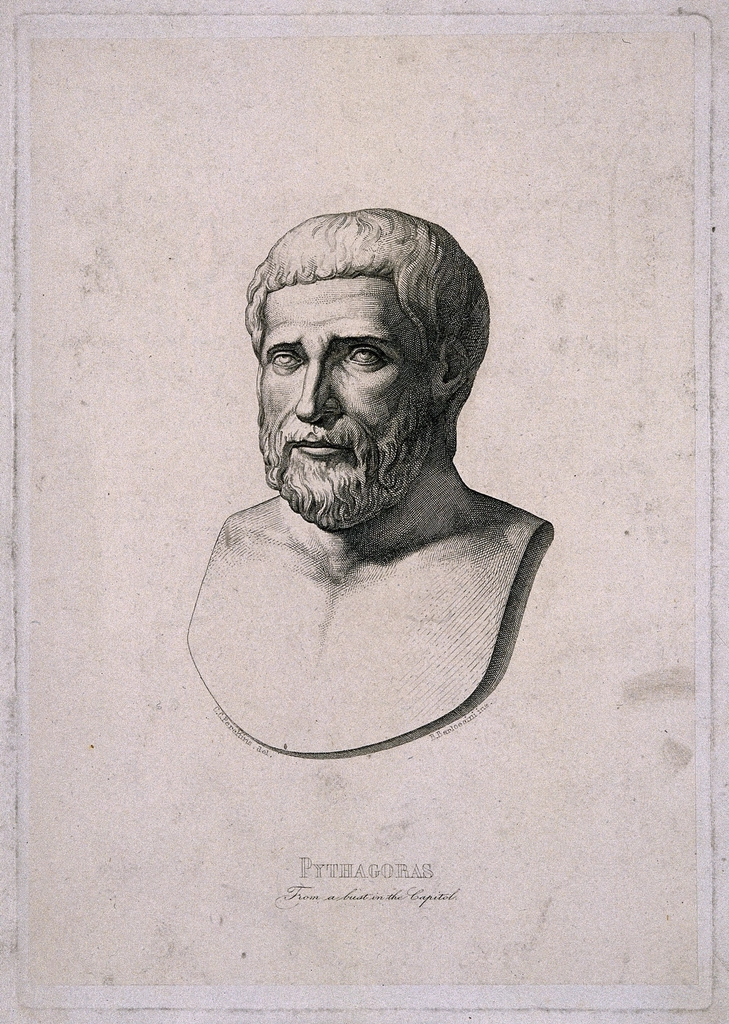
Pythagoras is best known for his mathematical theorem, but he was also a mystical leader who founded a secretive spiritual community in southern Italy. After a political upheaval, historical accounts say he disappeared, with conflicting reports about his death or exile. Ancient sources like Diogenes Laertius offer only vague hints, and no burial site has ever been found. Pythagorean communities guarded their teachings closely, making it difficult for later historians to separate fact from legend. Modern archaeological digs in Croton have uncovered some traces of the Pythagorean brotherhood, but not of Pythagoras himself, keeping his final chapter hidden.
Queen Makeda’s Vanished Reign

Queen Makeda, also known as the Queen of Sheba, is famous for her encounter with King Solomon in biblical and Ethiopian tradition. After her celebrated visit to Jerusalem, records of her reign become scarce. Ethiopian legends claim she returned to rule her homeland and gave birth to a son, but outside confirmation is scant. Archaeological investigations in Yemen and Ethiopia have found evidence of powerful female rulers, but nothing definitively linked to Makeda herself. The story of her life after Solomon remains a blend of myth and tantalizing fragments, with historians still searching for answers.
The Lost Travels of Saint Issa
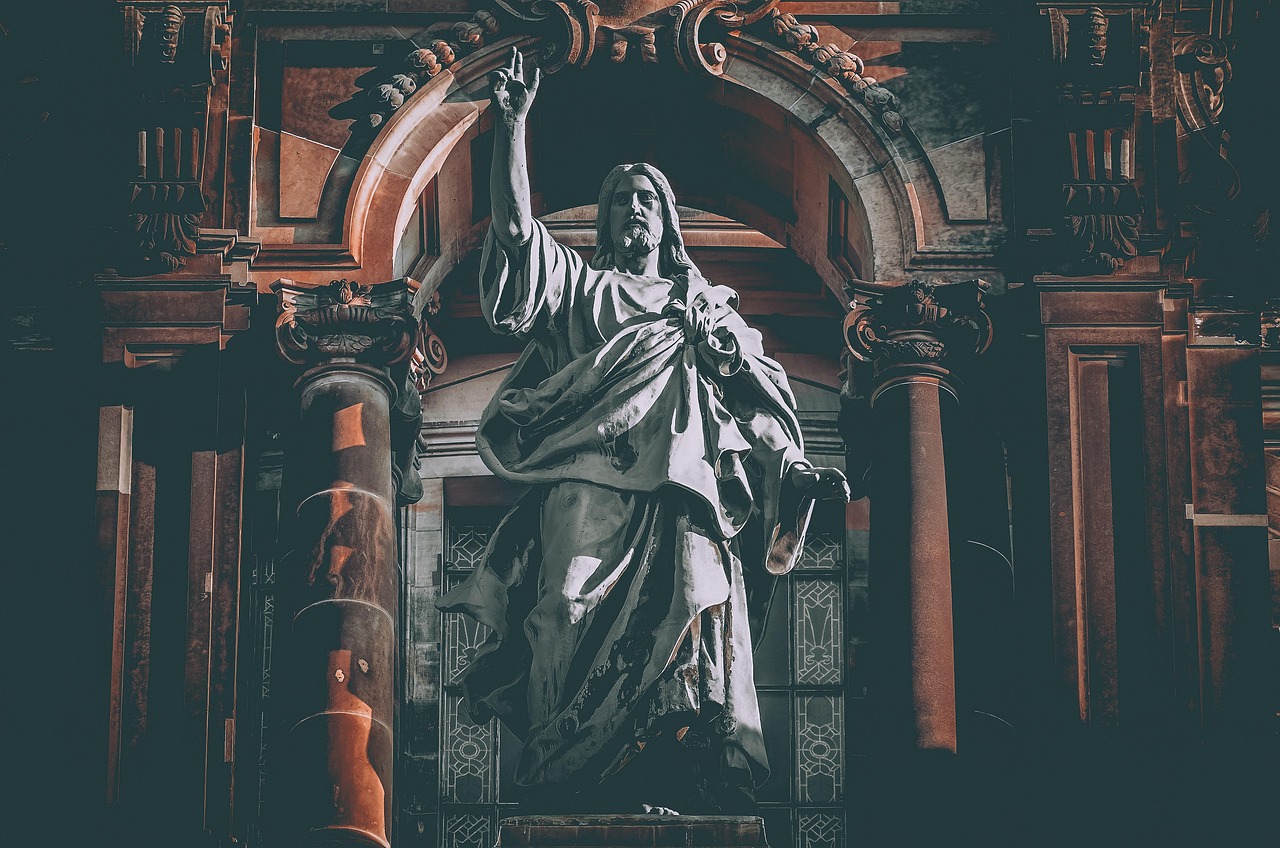
Saint Issa, sometimes identified with Jesus in apocryphal texts, is said to have traveled to India during his “lost years.” The legend emerges from 19th-century discoveries in Himalayan monasteries, where ancient scrolls allegedly tell of a holy man from the West. Despite thorough investigations by researchers in India and Tibet, there is no universally accepted evidence of Saint Issa’s existence. Some claim the story was invented by early explorers seeking to connect Eastern and Western spiritual traditions. The lack of archaeological proof keeps this story in the realm of spiritual mystery rather than historical fact.
Rabia al-Adawiyya’s Disappearance
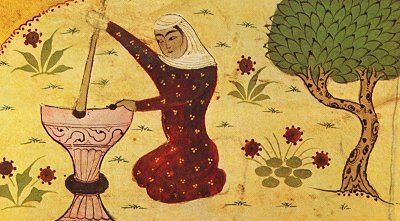
Rabia al-Adawiyya, a pioneering female Sufi mystic, is renowned for her teachings on divine love. Historical accounts describe her profound influence in 8th-century Basra, but details about her later life and death are almost nonexistent. Sufi sources suggest she retreated into seclusion, devoting herself entirely to prayer and contemplation. Excavations in Basra have found traces of early Sufi communities, yet none that can be directly linked to Rabia. Her disappearance from public records has elevated her to near-legendary status, with later poets and mystics filling in the gaps with stories of miracles and visions.
The Disappearance of Zoroaster
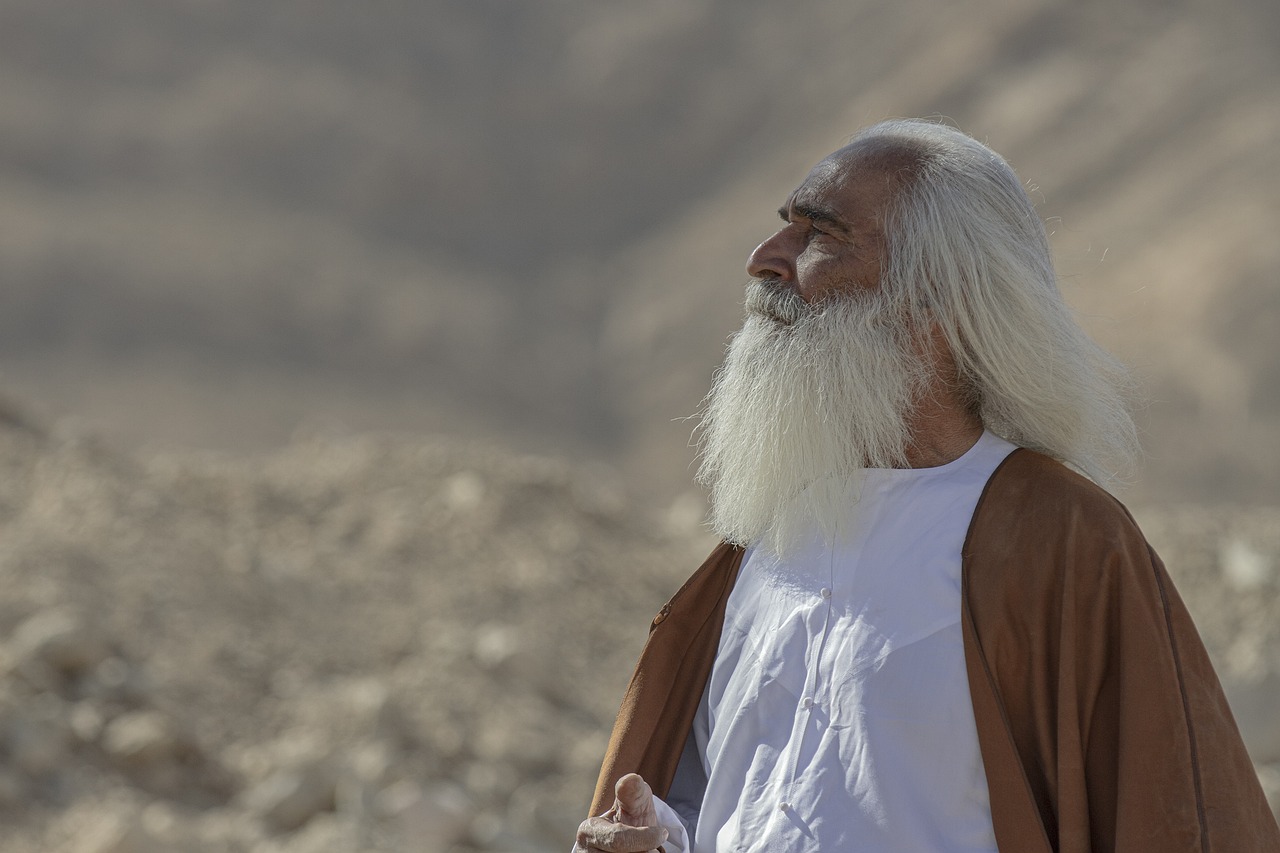
Zoroaster, or Zarathustra, founded one of the world’s oldest monotheistic religions in ancient Persia. Despite his profound impact on Persian culture, his end is shrouded in mystery. Ancient texts like the Avesta mention his teachings but not his death. Some traditions say he was assassinated, others that he vanished after a final sermon. Archaeological sites in Iran, such as Takht-e Soleiman, have yielded artifacts from the Zoroastrian era but no direct evidence of Zoroaster himself. The ambiguity around his disappearance has fed speculation for centuries, with some even suggesting he ascended to the heavens.
The Hidden Years of Guru Nanak
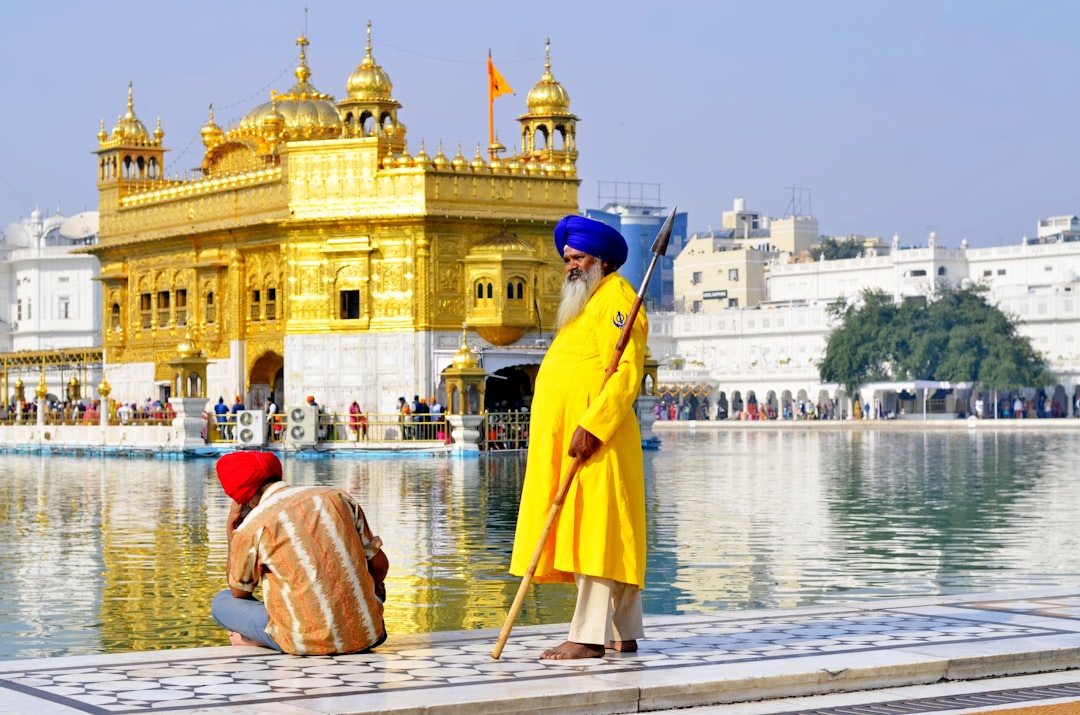
Guru Nanak, founder of Sikhism, spent much of his life traveling across South Asia. While many of his journeys are documented in the Janamsakhis (biographies), significant gaps remain, especially concerning his later years. Some say he entered a state of deep meditation and simply stopped appearing in public. Efforts by historians to map his final journey to Kartarpur have been hampered by a lack of physical evidence and conflicting oral traditions. The site of his supposed ascension is now a revered shrine, but the details of his last moments are still debated by Sikh scholars and devotees.
The Vanishing of Apollonius of Tyana
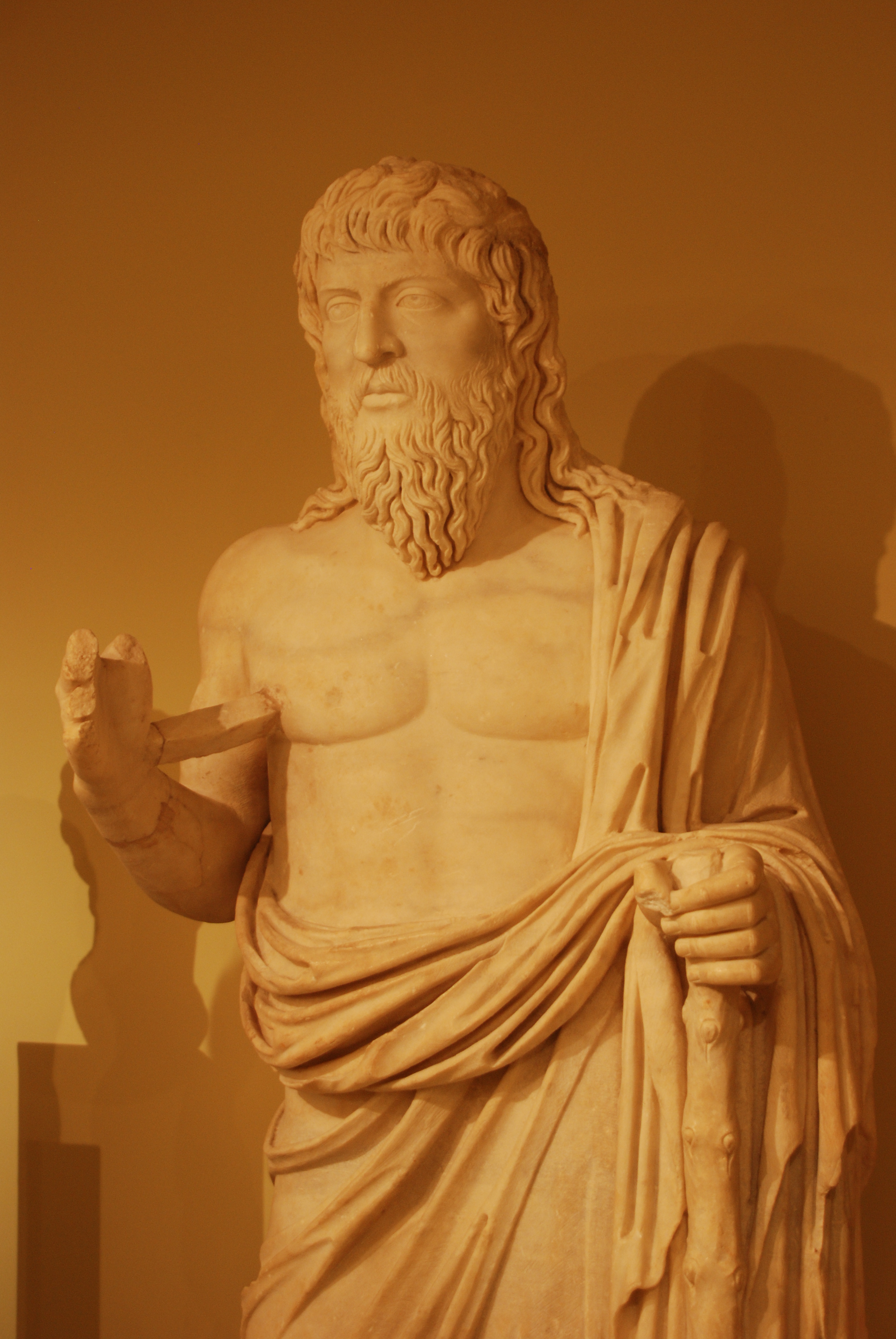
Apollonius of Tyana, a Greek philosopher and mystic, was celebrated in the ancient world for his miracles and teachings. According to his biographer Philostratus, Apollonius disappeared mysteriously after being put on trial in Rome. Some accounts say he simply vanished from the courtroom, while others claim he traveled east and lived in secrecy. Archaeological research in Tyana (modern Turkey) has uncovered temples and inscriptions, but nothing that clarifies his fate. His sudden disappearance fueled legends that he achieved immortality or was taken by the gods, a theme still explored in modern spiritual literature.
The Disappearing Act of Saint John the Apostle
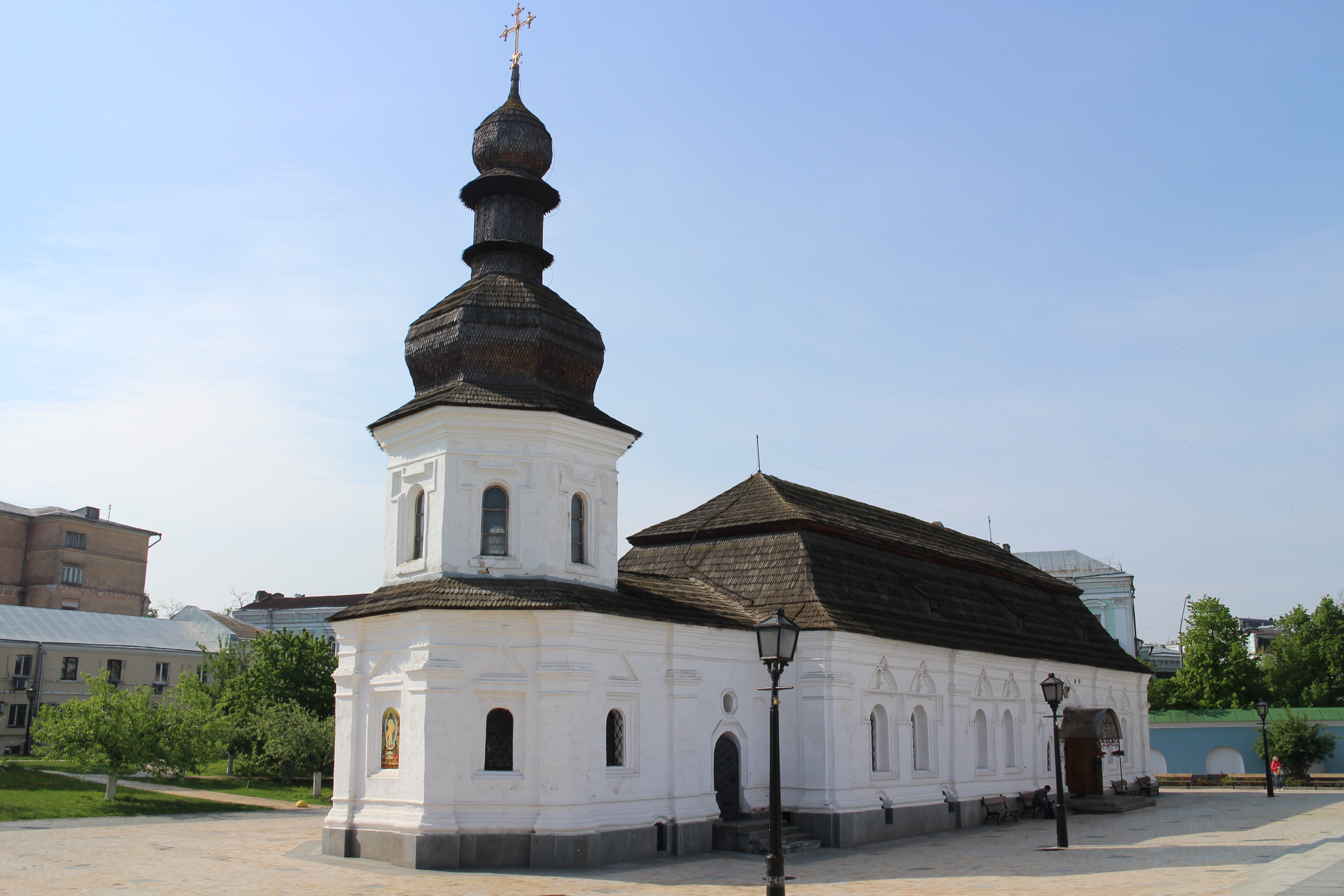
Saint John, one of Jesus’s closest disciples, is believed to have lived to an old age and authored several New Testament texts. However, the historical record becomes vague about his final days. Early Christian writings suggest he was exiled to Patmos, but what happened after his supposed release remains unclear. Some traditions say he ascended to heaven without dying, similar to Elijah. Archaeological excavations on Patmos have unearthed ancient Christian sites, but no definitive tomb or relics of John have been found. The mystery of his disappearance continues to intrigue both scholars and believers.
Shirdi Sai Baba’s Final Days
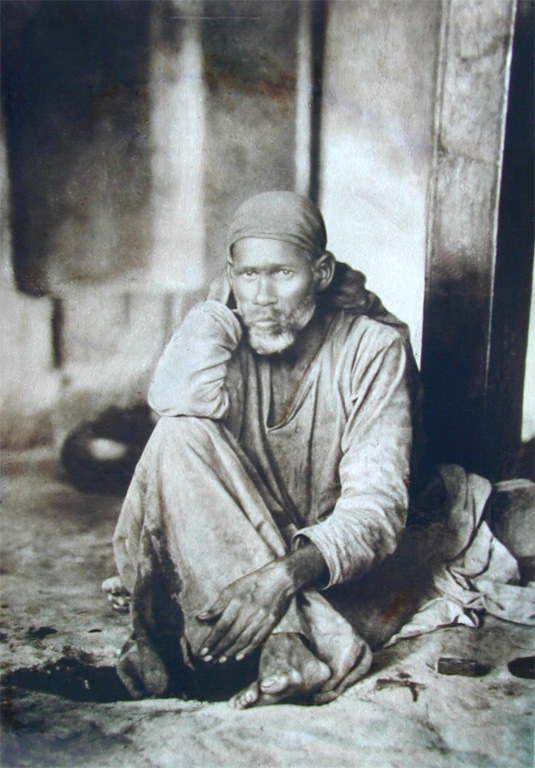
Shirdi Sai Baba, a revered Indian saint, attracted thousands of followers in the late 19th and early 20th centuries. Though his teachings are well-documented, accounts of his final days are inconsistent. Some followers claim he announced his impending departure, while others say he simply passed away quietly. The exact circumstances of his death remain a topic of debate among devotees, with some even believing he left his physical form and continues to guide followers in spirit. Pilgrims flock to Shirdi, where his tomb is located, but questions about his ultimate fate linger, adding to his enigmatic legacy.