

The Science Behind Breaks

Research indicates that taking breaks is essential for maintaining productivity. A study published in the journal *Cognition* found that short breaks during tasks can enhance focus and performance. The brain’s ability to concentrate diminishes over time, and breaks help to reset cognitive resources. According to a study by the Draugiem Group, the most productive workers take a break every 52 minutes, followed by a 17-minute rest. This structured approach to work and rest maximizes efficiency. It’s like hitting the refresh button on your computer, allowing the system to reboot and function optimally. By understanding this science, individuals can strategically incorporate breaks to boost their productivity.
Boosting Creativity

Taking breaks can significantly enhance creativity. A study from the University of California, Santa Barbara, found that individuals who took breaks were better at solving complex problems than those who worked continuously. This is because stepping away from a task allows the brain to process information subconsciously, leading to innovative ideas and solutions. Engaging in different activities during breaks, such as walking or meditating, can further stimulate creative thinking. Think of it as letting a stew simmer; sometimes, walking away from a problem helps the solution bubble up naturally. Creativity thrives when the mind is given the freedom to wander and explore without pressure.
Reducing Stress and Burnout

Continuous work without breaks can lead to increased stress and burnout. The American Psychological Association highlights that taking regular breaks can reduce stress levels and improve overall mental health. Employees who take time off to recharge are less likely to experience burnout, which can lead to decreased productivity and job satisfaction. Incorporating short breaks into the workday can create a healthier work environment and enhance employee well-being. It’s like taking a breather during a marathon; these pauses help maintain stamina and prevent exhaustion. By preventing burnout, individuals can sustain their productivity over the long term.
Enhancing Focus and Concentration

Taking breaks helps to improve focus and concentration. A study from the University of Illinois found that brief diversions from a task can dramatically improve one’s ability to focus on that task for prolonged periods. When individuals take breaks, they return to their work with renewed energy and a clearer mind, which leads to better performance. This is particularly important in high-stakes environments where concentration is critical. Imagine sharpening a pencil; taking breaks is like sharpening your mental focus, making it easier to tackle tasks with precision. Enhanced focus leads to higher-quality work and efficiency.
The Pomodoro Technique

The Pomodoro Technique is a time management method that incorporates breaks into work sessions. Developed by Francesco Cirillo in the late 1980s, this technique involves working for 25 minutes and then taking a 5-minute break. After four cycles, a longer break of 15-30 minutes is taken. This method has been shown to enhance productivity by creating a sense of urgency while allowing for necessary rest periods. Many users report feeling more accomplished and less fatigued when using this technique. It’s like creating a rhythm in your workday, balancing effort and rest in harmony. This balance helps maintain consistent productivity without burnout.
Physical Benefits of Taking Breaks
Physical health is also positively impacted by taking breaks. Sitting for prolonged periods can lead to various health issues, including obesity and cardiovascular disease. According to a study published in the *American Journal of Preventive Medicine*, taking breaks to stand or walk can reduce the risk of these health problems. Incorporating movement into breaks not only refreshes the mind but also promotes physical well-being. Think of it as oiling a machine; regular movement keeps the body functioning smoothly. By prioritizing physical breaks, individuals can support both mental and physical health.
Social Interaction and Team Dynamics

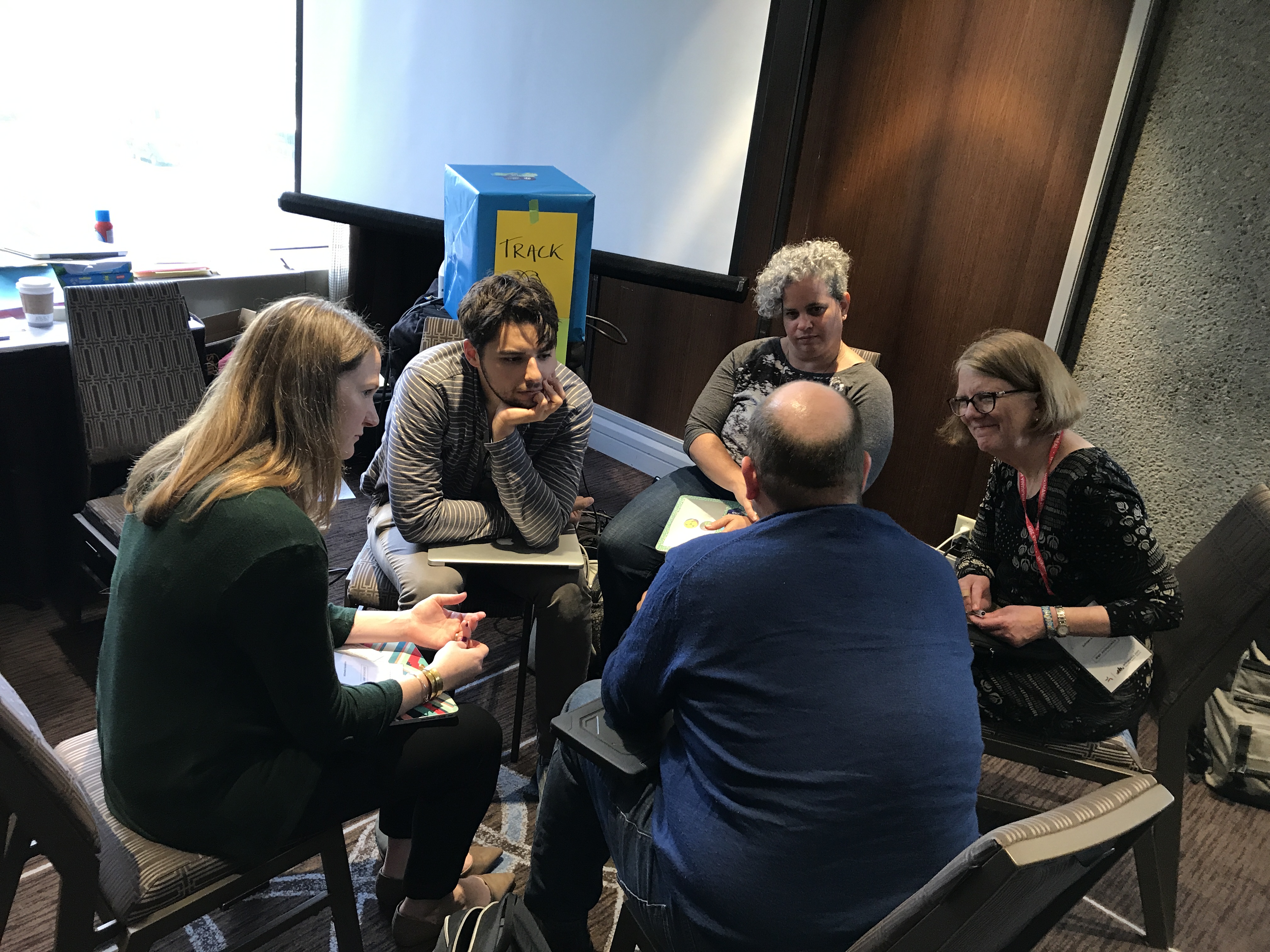
Breaks provide opportunities for social interaction among colleagues, which can enhance team dynamics. Engaging in casual conversations during breaks fosters relationships and improves collaboration. A study from the University of Michigan found that socializing during breaks can lead to increased job satisfaction and a sense of belonging in the workplace. This camaraderie can translate into better teamwork and overall productivity. It’s like building bridges between team members, creating connections that strengthen the group as a whole. Social breaks contribute to a positive work culture and more effective teamwork.
Mindfulness and Mental Clarity

Incorporating mindfulness practices during breaks can significantly enhance mental clarity. Activities such as meditation or deep-breathing exercises can help reduce anxiety and improve focus. A study published in *Psychological Science* found that mindfulness training can lead to better attention and cognitive flexibility. Taking a few moments to practice mindfulness during breaks can help individuals return to their tasks with a refreshed perspective. It’s like clearing fog from a windshield, offering a clearer view of the road ahead. Mindfulness breaks support mental clarity and resilience in challenging tasks.
The Role of Technology in Breaks
Technology can play a role in facilitating effective breaks. Various apps and tools are designed to remind users to take breaks and encourage healthy work habits. For instance, apps like “Time Out” and “Stretchly” prompt users to take regular breaks and engage in physical activity. Utilizing technology to manage breaks can help individuals maintain productivity and well-being throughout the workday. It’s like having a personal assistant reminding you to take care of yourself. Technology-supported breaks align modern work habits with health and productivity goals.
Conclusion: Prioritizing Breaks for Success

In conclusion, taking breaks is not just a luxury but a necessity for optimal productivity. The evidence is clear: breaks enhance focus, creativity, and overall well-being. By prioritizing breaks, individuals can improve their work performance and maintain a healthier work-life balance. Organizations that encourage regular breaks can foster a more productive and satisfied workforce, ultimately leading to greater success. As the saying goes, sometimes you have to slow down to speed up, and breaks represent that vital pause in the pursuit of productivity.