

In the whirlwind of the 21st century, productivity has become a vital aspect of our daily lives. Whether at work or at home, finding ways to enhance efficiency has become a universal pursuit. But who are the minds behind these transformative ideas? Let’s delve into the lives and contributions of twelve remarkable thinkers who have revolutionized the way we approach productivity.
1. David Allen: The Father of Getting Things Done

David Allen is a name synonymous with productivity. His groundbreaking book, “Getting Things Done” (GTD), has become a staple in the world of productivity literature. Allen’s methodology focuses on capturing tasks and organizing them into actionable steps, helping individuals clear their mental clutter. This approach allows for greater focus and efficiency, a necessity in today’s busy world. Millions have adopted his principles, and his influence continues to grow, making him a pivotal figure in productivity thinking.
2. Tim Ferriss: The 4-Hour Workweek Advocate

Tim Ferriss challenged the traditional notions of work with his book, “The 4-Hour Workweek.” Ferriss advocates for working smarter, not harder, emphasizing automation and delegation. His ideas encourage individuals to free up time for what truly matters, offering a fresh perspective on work-life balance. Ferriss’s insights into lifestyle design have inspired countless people to rethink their approach to work and productivity.
3. Cal Newport: The Deep Work Proponent
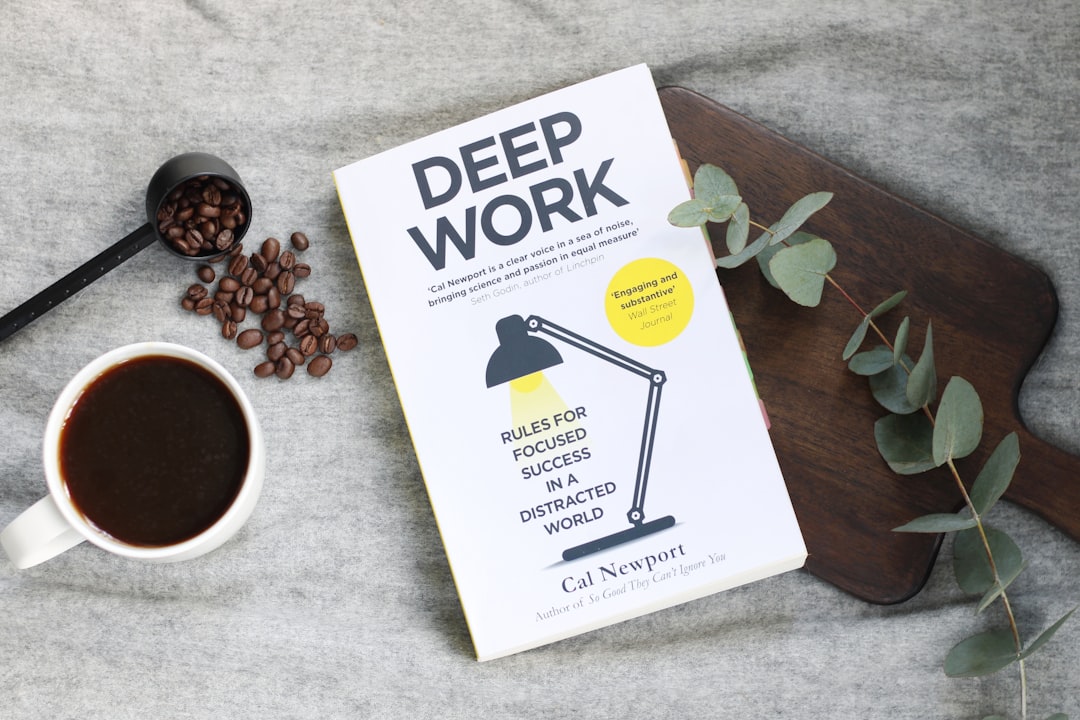
Cal Newport introduced the world to the concept of “Deep Work” through his book of the same name. Newport emphasizes focused, uninterrupted work as a pathway to high productivity levels. In a world filled with distractions, his ideas resonate with those seeking to enhance their cognitive capabilities. Newport’s work underscores the value of concentration and has become essential reading for anyone looking to produce high-quality work.
4. Marie Kondo: The Decluttering Expert

Marie Kondo has transformed the way we think about organization with her KonMari method. By encouraging individuals to declutter and keep only items that “spark joy,” Kondo’s approach promotes not just physical tidiness but also mental clarity. Her influence extends beyond tidying, advocating for a mindful approach to life that can lead to increased productivity. Her methods have sparked a global movement towards more organized and intentional living.
5. Tony Robbins: The Motivational Powerhouse
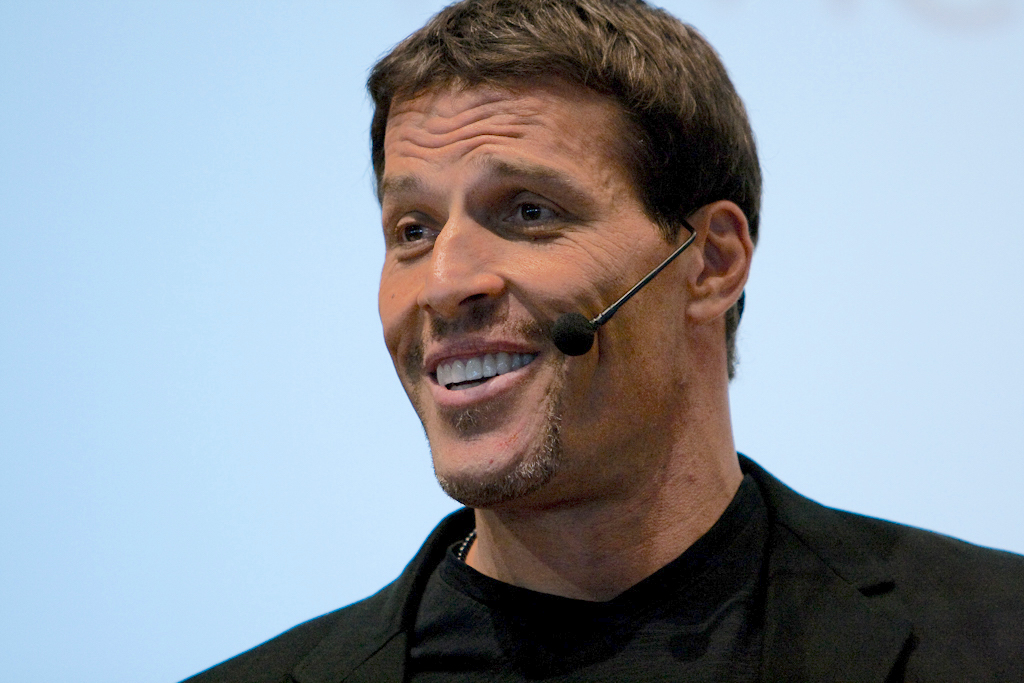
Tony Robbins is a household name when it comes to motivation and productivity. His seminars and books focus on personal development and peak performance strategies. Robbins places a strong emphasis on mindset, teaching individuals to harness their inner potential. His powerful messages have inspired countless people to overcome obstacles and achieve their goals, making him a leading figure in the realm of productivity.
6. Gretchen Rubin: The Happiness and Habits Expert

Gretchen Rubin’s work on happiness and habit formation has resonated with many. In “The Happiness Project,” she explores how small changes in habits can lead to significant improvements in well-being and productivity. Rubin’s insights into human behavior have helped individuals create sustainable habits that enhance productivity. Her work highlights the interconnectedness of happiness and productivity, offering a fresh perspective on personal development.
7. Brian Tracy: The Time Management Guru

Brian Tracy is renowned for his expertise in time management and personal development. His book “Eat That Frog!” focuses on prioritizing tasks and tackling the most challenging ones first. Tracy’s practical advice has made him a go-to resource for those looking to improve their time management skills. His strategies emphasize the importance of prioritization, providing a roadmap for maximizing productivity in both personal and professional settings.
8. Nir Eyal: The Focus and Technology Specialist

Nir Eyal’s book “Indistractable” addresses the challenges of distraction in our digital age. Eyal explores how technology can both enhance and hinder productivity. His work encourages individuals to take control of their attention and create environments conducive to focus. By offering practical strategies for managing distractions, Eyal’s insights are invaluable for anyone looking to navigate the complexities of modern technology.
9. Angela Duckworth: The Grit Advocate

Angela Duckworth’s research on grit and perseverance has reshaped our understanding of success. In “Grit: The Power of Passion and Perseverance,” she argues that success is driven not just by talent but by the ability to persist. Duckworth’s insights have inspired many to adopt a long-term perspective on productivity and achievement. Her work emphasizes the importance of resilience and determination, offering a motivational framework for success.
10. James Clear: The Habits and Systems Expert
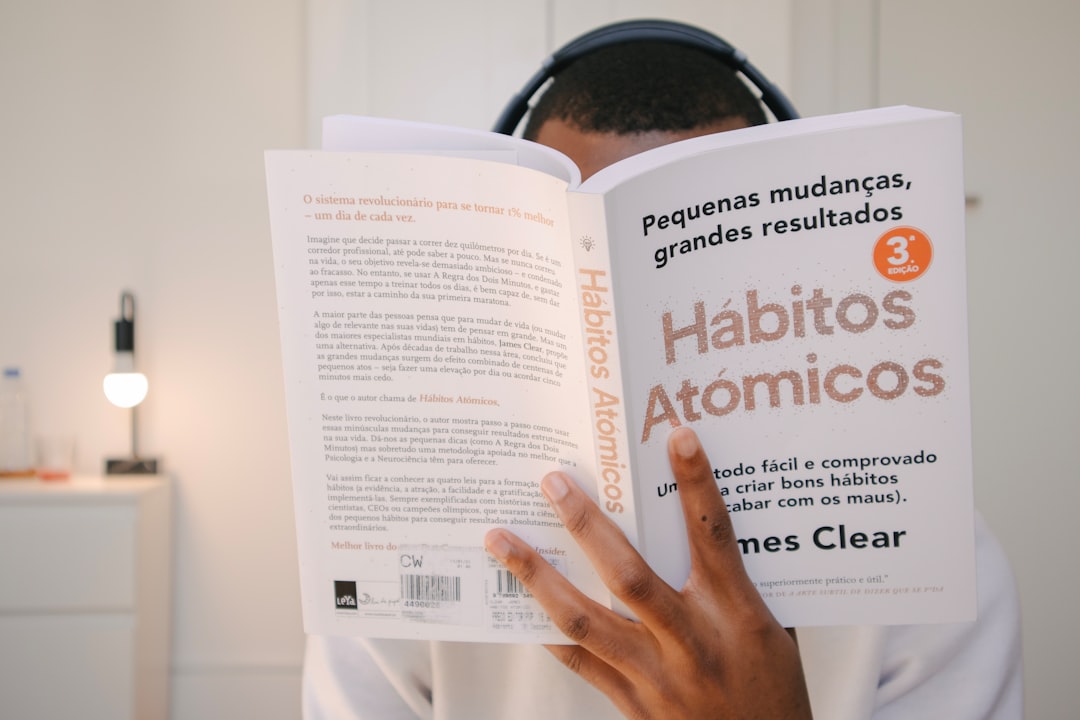
James Clear’s “Atomic Habits” delves into the science of habit formation. Clear emphasizes the importance of small, incremental changes in building productive habits. His practical strategies have resonated with many seeking to make lasting changes in their productivity. Clear’s work underscores the power of habits, providing a blueprint for personal and professional growth.
11. Simon Sinek: The Purpose-Driven Leader

Simon Sinek’s concept of “Start With Why” emphasizes understanding one’s purpose as a driver of motivation and productivity. Sinek’s insights into leadership and organizational culture have influenced how businesses approach productivity. By focusing on purpose, Sinek offers a unique perspective on motivation, encouraging individuals and organizations to align their actions with their core values.
12. Elizabeth Gilbert: The Creative Productivity Advocate

Elizabeth Gilbert, author of “Eat, Pray, Love,” has contributed significantly to the conversation on creativity and productivity. Her work encourages individuals to embrace their creative impulses while maintaining productivity. Gilbert’s insights into the relationship between creativity and productivity have inspired many to pursue their passions. Her approach highlights the importance of balancing creativity with practical productivity strategies.
In conclusion, the 21st century has witnessed a diverse array of thinkers shaping our understanding of productivity. From time management to habit formation, each of these individuals offers unique insights that help us navigate the complexities of modern life. By learning from their experiences and applying their principles, we can enhance our productivity and achieve our goals more effectively.