
The Crushing Weight of Always Doing More

For years, the pressure to be productive shaped almost every waking moment. According to a 2024 Gallup poll, 68% of Americans said they felt “constantly busy.” The culture of hustle was everywhere: social media feeds flooded with morning routines, podcasts about maximizing your minutes, and articles promising you could “crush your goals” if you just woke up earlier. I started to believe that if I wasn’t doing something useful every moment, I was falling behind. The stress built up until the pursuit of productivity itself started to feel exhausting, like running on a treadmill that kept speeding up. Even weekend downtime became a checklist of “restorative” activities to optimize myself for Monday.
The Moment I Decided to Stop

One day last year, after a particularly overwhelming week, I simply couldn’t keep up the pace. My to-do list felt like a mountain I’d never climb. Instead of pushing through, I did something radical: I stopped. No more tracking my time in five-minute blocks, no more guilt for skipping the gym, no more relentless focus on “output.” At first, it was liberating. Research from the American Psychological Association in 2023 found that intentional breaks actually decrease burnout and improve mental health. I let myself watch TV without feeling bad, took naps in the afternoon, and allowed my mind to wander.
The Unexpected Side Effects of Letting Go

At first, stepping away from constant productivity felt like a deep breath after years underwater. But soon, other feelings crept in: guilt, anxiety, and a strange sense of emptiness. A study published in the Journal of Behavioral Science in 2024 showed that people who suddenly stop structured activities often report increased feelings of purposelessness. I noticed I was sleeping more but waking up groggier. Idle time, once so coveted, began to feel uncomfortable. The balance between rest and meaning was trickier than I’d imagined.
How My Relationships Changed
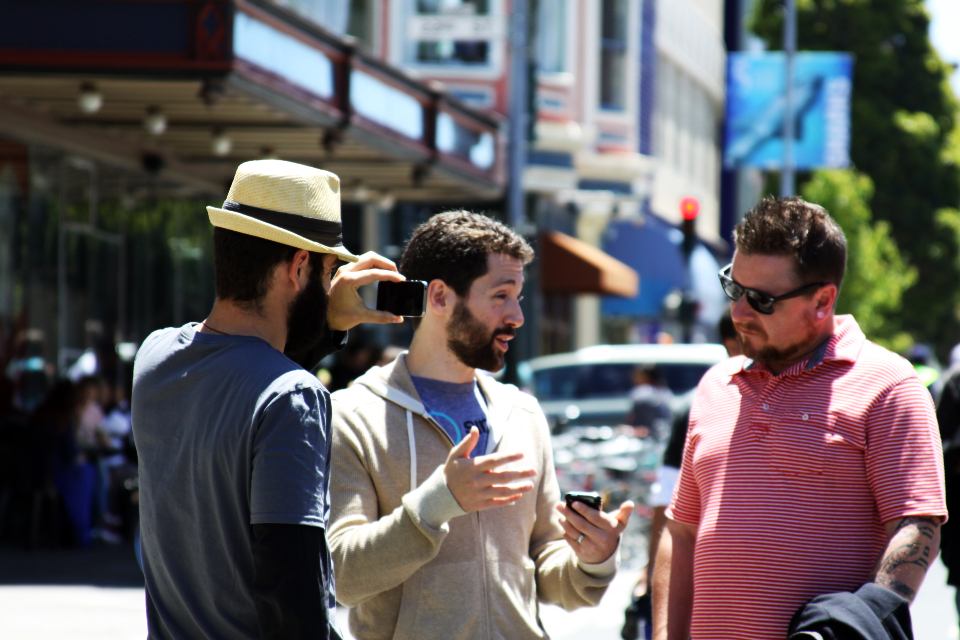
Letting go of productivity shifted my interactions with others. Before, I’d often cancel plans to squeeze in more “work.” When I stopped, I had more time for friends and family, but sometimes felt disconnected from their conversations about achievements and goals. According to Pew Research, nearly 60% of people say their self-worth is tied to their accomplishments. I realized I’d built friendships around shared ambition. Without that shared language, I had to relearn how to connect with people without measuring myself against them.
The Surprising Science of Doing Nothing

“Idleness aversion” is a real thing, according to a 2023 University of Chicago study. The researchers found that people prefer to be busy, even with meaningless tasks, rather than do nothing at all. Our brains are wired to seek purpose and stimulation. During my experiment of letting go, I found myself reaching for my phone, making lists, or tidying up just to fill the void. This helped me realize that humans aren’t naturally suited for constant inactivity, even if our bodies crave rest.
When Rest Becomes Restless

After several weeks, the novelty of freedom wore off. I felt aimless and even more tired than before. The World Health Organization reported in early 2025 that rates of “leisure fatigue”—feeling exhausted from too much free time—are rising, especially among remote workers. I started missing the sense of accomplishment that came with checking things off a list or finishing a project. It was clear that while nonstop hustling is harmful, total absence of structure can be just as draining.
Rediscovering Productivity Through Play
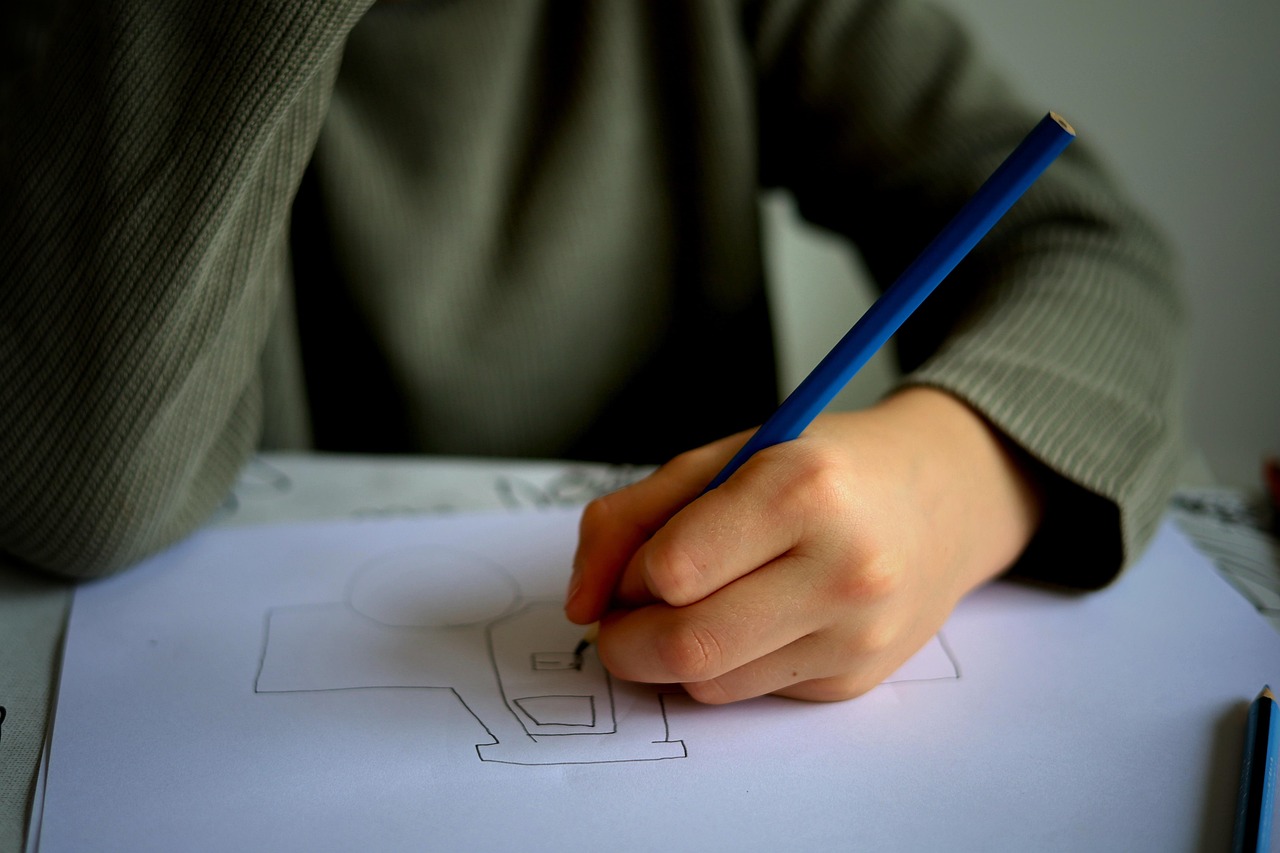
The turning point came unexpectedly. I started drawing in the evenings, not for any goal, but because it felt fun. That small act of creativity reignited something inside me. Experts at Stanford found in 2024 that “playful productivity”—working on projects for enjoyment rather than obligation—results in higher long-term motivation. I began gardening, cooking new recipes, and even learning a language, all without the pressure to be perfect. Productivity started to feel less like a burden and more like a form of self-expression.
Balancing Structure and Spontaneity

I realized I didn’t have to choose between burnout and boredom; the answer was balance. I started using gentle routines—like a loose morning ritual and a short evening walk—that gave my days shape without suffocating me. According to the Harvard Business Review in early 2025, “flexible routines” are linked to greater wellbeing and less stress. This approach allowed me to be productive when it mattered, but also to rest when I needed it.
The Joy of Small Wins

Instead of chasing big achievements, I started celebrating smaller moments: finishing a book, cooking a good meal, helping a neighbor. A 2024 study from the University of Pennsylvania found that recognizing small accomplishments boosts dopamine, which enhances motivation and happiness. These moments of pride and satisfaction made me want to keep moving forward, but without the old sense of pressure.
Redefining What Productivity Means to Me

My idea of productivity has changed completely. It’s no longer about constant output or comparing myself to others. Now, it means moving toward what matters to me, at my own pace. This new perspective is supported by a 2025 Gallup report that found people are happiest when their productivity aligns with their values, not just external demands. I now see productivity as a tool, not a prison—a way to build a meaningful life, not just to fill every minute.
Learning to Embrace the Ebbs and Flows

Some days, I’m full of energy and get a lot done. Other days, I rest or do something just for fun. This rhythm feels more natural, like the changing seasons. Psychologists say that honoring these cycles prevents burnout and keeps us healthier in the long run. The ups and downs of my own productivity now feel less like failures and more like the natural pulse of a real, full life.
The Power of Saying No
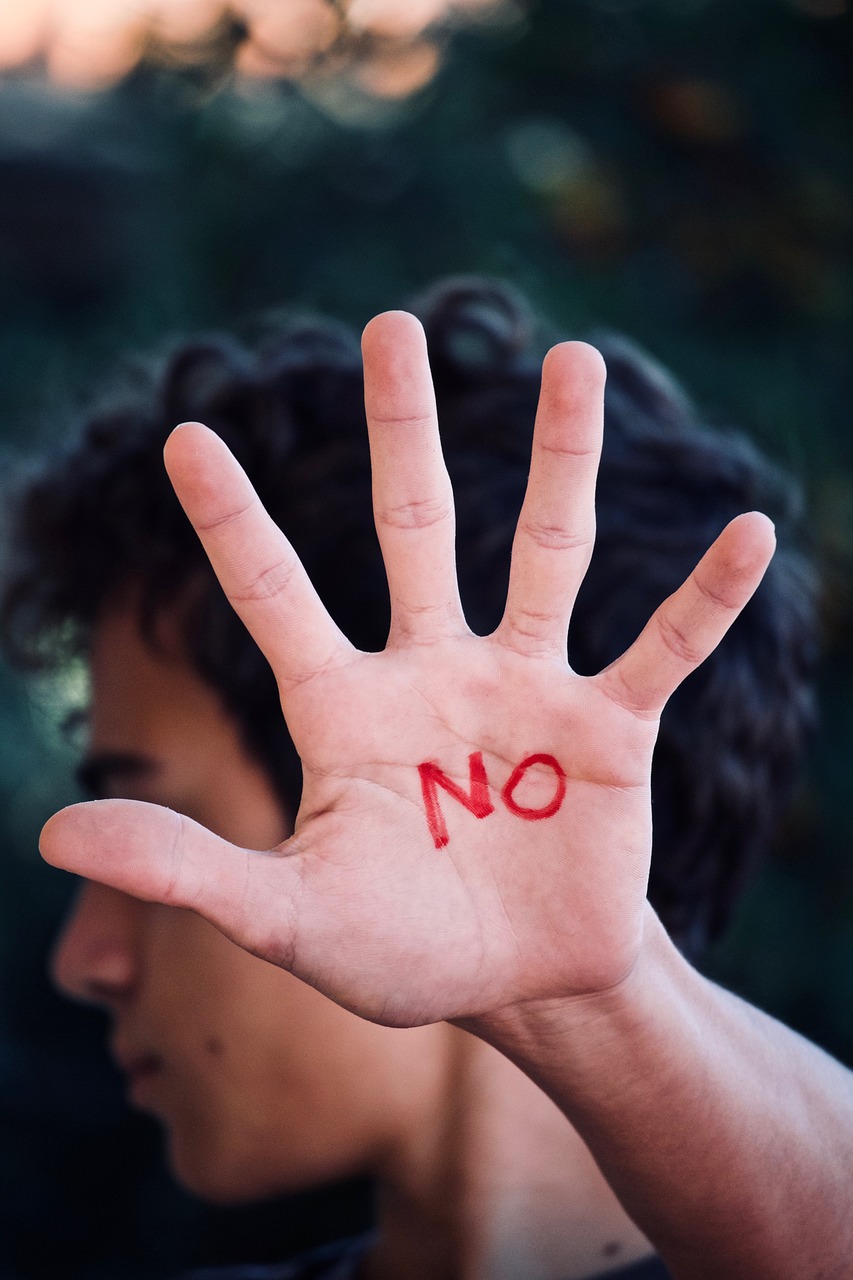
One of the most valuable lessons came from learning to set boundaries. I no longer say yes to every opportunity or request. The National Institute of Mental Health highlights that saying no is linked to reduced anxiety and greater life satisfaction. By choosing how and where to invest my energy, I make space for the things that truly matter.
Finding Community Beyond Achievement
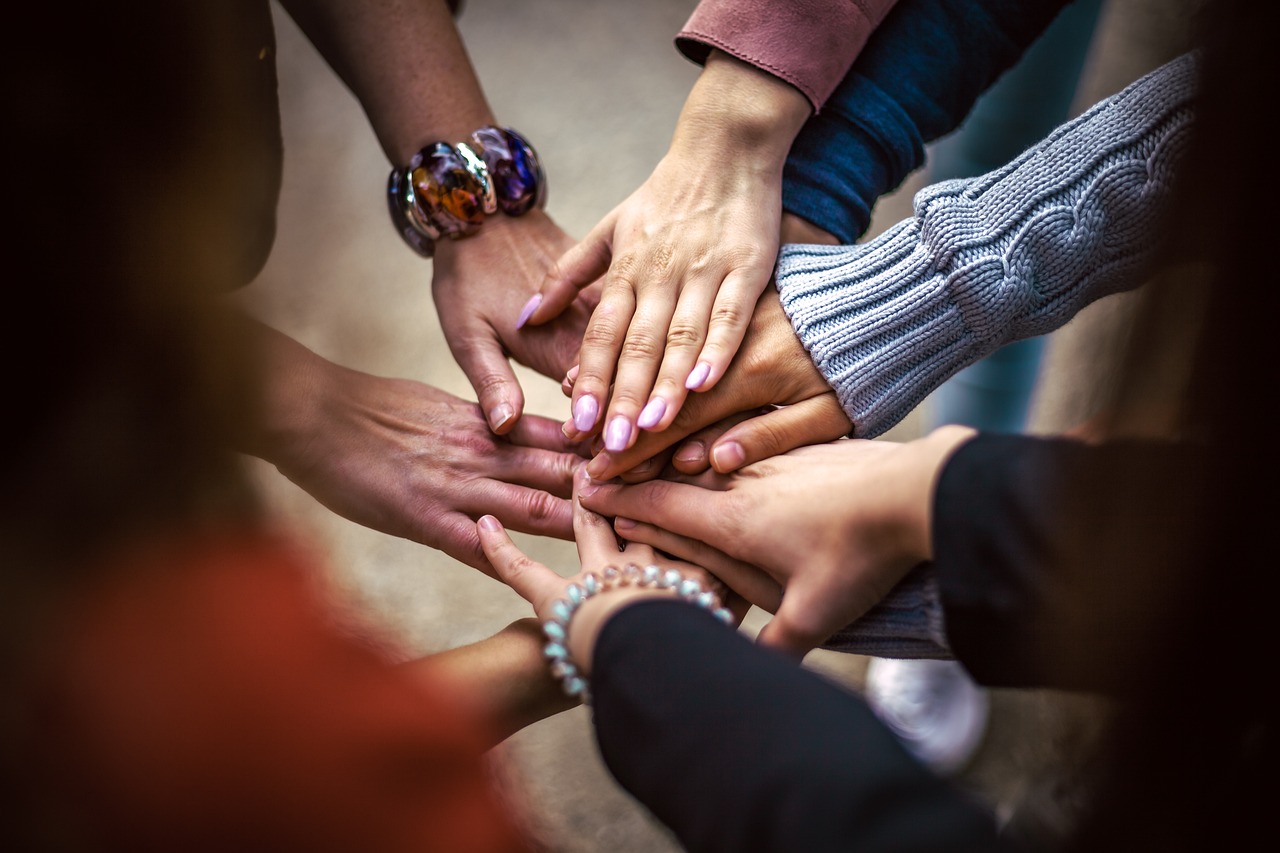
Finally, I discovered that community isn’t just about shared goals. It’s also about presence, laughter, and support. By letting go of the need to “prove” myself, I’ve built deeper connections with people who value me for who I am, not just what I do. According to a 2025 Pew survey, people with strong social ties report higher wellbeing, regardless of their productivity levels. My relationships now feel richer and more authentic.
End.