
Have you ever felt like corporate life is a never-ending race? Meetings, emails, endless tasks—it’s exhausting. But what if doing less could actually mean achieving more? That’s exactly what the rising “Productivity Minimalism” movement is proving. Companies worldwide are ditching chaotic workflows for streamlined simplicity, and the results are shocking. Employees are happier, output is higher, and burnout is plummeting.
This isn’t just another buzzword—it’s a full-blown revolution. Studies show that 67% of professionals waste at least two hours daily on unnecessary tasks. Meanwhile, firms adopting minimalism report a 40% boost in efficiency. So, how exactly is this trend reshaping workplaces? Let’s break it down.
The Rise of Productivity Minimalism

Productivity minimalism started as a quiet rebellion against hustle culture. Instead of glorifying 80-hour workweeks, it focuses on intentional effort. Think Marie Kondo, but for your to-do list—keep only what truly matters. Major firms like Basecamp and Shopify have already embraced it, cutting meetings by 50% and banning unnecessary Slack notifications.
Research from Stanford reveals that multitasking drops IQ by up to 15 points. Minimalist productivity counters this by encouraging deep work. Employees block off distraction-free hours, prioritizing quality over quantity. The outcome? Faster project completions and fewer mistakes. It’s not about working less—it’s about working smarter.
Emails on a Diet
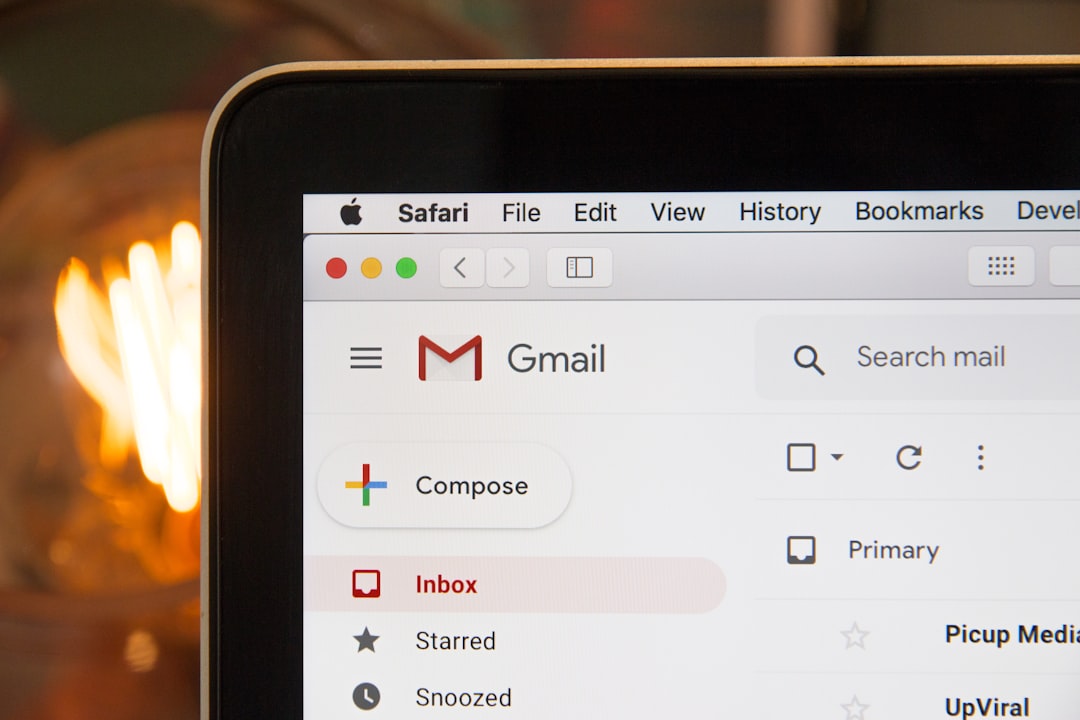
Email overload is a $1.8 trillion drain on the global economy. Minimalist productivity fights back with ruthless inbox rules. Some companies ban internal emails entirely, switching to platforms like Notion. Others implement “zero-inbox Fridays,” where all emails must be resolved by EOD.
A Harvard study found professionals check emails every 6 minutes—a focus killer. Firms like Automattic limit email checks to twice daily. Surprisingly, response times improved because employees weren’t constantly distracted. The key? Treat email like a mailbox, not a leash.
The Death of Multitasking

Multitasking is a myth. Neuroscience confirms task-switching burns 40% more mental energy. Productivity minimalism promotes monotasking—one thing at a time. Apple’s design team, for instance, dedicates entire days to single projects. This “deep work” approach, coined by Cal Newport, boosts output by up to 50%.
At LinkedIn, employees use “focus sprints”: 90-minute blocks with zero interruptions. The payoff? A 35% rise in code quality for engineers. The brain works best when it’s not juggling. As one CEO put it, “Stop doing busywork. Start doing meaningful work.”
Prioritizing Rest for Peak Performance

Sleep-deprived employees cost U.S. businesses $411 billion yearly. Minimalist productivity champions rest as a performance tool. Nike’s “No Meeting Afternoon” policy lets teams recharge. Microsoft Japan’s 4-day workweek saw productivity jump 40%.
Science backs this: Well-rested brains solve problems 30% faster. Companies like Thrive Global enforce “email curfews” post-6 PM. The result? Happier teams and lower turnover. Burning out isn’t a badge of honor—it’s a failure of design.
Silencing Notifications
The average worker gets 120+ daily notifications, fragmenting focus. Minimalist workplaces mute non-urgent alerts. Slack’s “Do Not Disturb” mode is mandatory during deep work at Buffer. Twitter’s “Notification-Free Fridays” reduced stress by 22%.
A UC Irvine study showed uninterrupted workers complete tasks 20% quicker. The fix? Schedule notification checks like meals—specific times only. Your brain will thank you.
Outcome-Based Performance Metrics
Face-time culture is dying. Minimalist productivity measures results, not hours. GitLab’s remote team tracks deliverables, not screen time. Productivity soared 32%. Even Goldman Sachs scrapped Sunday-night work emails after realizing they harmed Monday output.
PwC’s shift to output-based reviews cut overtime by 50% without sacrificing quality. As one employee quipped, “Judge my work, not my desk time.”
Decluttering Physical Workspaces

A messy desk = a messy mind. Minimalism extends to office design. Apple’s open-plan spaces reduce visual noise. Steelcase found clean desks boost concentration by 18%. Some firms, like WeWork, use “clean-desk policies”—everything resets nightly.
Even home offices benefit. A Stanford study linked clutter-free spaces to 15% higher productivity. Less stuff, more focus.
The Psychological Payoff

Stress costs U.S. employers $300 billion annually. Minimalist productivity reduces anxiety by eliminating chaos. Zapier’s “No-Deadline Policy” lowered team stress by 44%. Mindfulness apps like Headspace, offered by Salesforce, cut burnout rates in half.
Psychologists note that simplicity fosters control—a key happiness driver. Employees at minimalist firms report 60% higher job satisfaction. Calm minds deliver better work.
The Future of Work Is Minimal
The data is clear: less clutter equals more success. By 2026, 70% of Fortune 500 companies will adopt minimalist productivity principles. Early adopters already see ROI—lower turnover, faster growth, and sharper innovation.
This isn’t a trend; it’s the new standard. The question isn’t whether your company should join—it’s how fast you can start. Because in the future of work, less isn’t just more—it’s everything.