

Understanding the Real Meaning of Productivity

Productivity isn’t just about ticking off as many tasks as possible. In 2024, a study from the Harvard Business Review found that true productivity is about making meaningful progress toward your goals, not just being busy. Many people confuse long hours with high output, but the two aren’t the same. For instance, a 2023 survey by RescueTime showed that workers who focused on high-impact tasks for just four hours a day achieved more than those who scattered their attention over ten hours. It’s important to define what success means for you—does it mean more sales, better focus, or simply having time for your family? Once you’re clear on your goals, you can track what actually matters. This shift in mindset is the foundation of any effective productivity tracking system.
Choosing the Right Productivity Tracking Method

There’s no one-size-fits-all approach when it comes to tracking productivity. Some people swear by digital tools like Notion, Trello, or Todoist, while others prefer handwritten journals. According to a 2024 report by Statista, 63% of professionals use a mix of digital and paper systems to keep on top of their work. The key is to pick something you’ll actually use. If you hate typing, a paper planner might be your best friend. If you’re glued to your phone, an app that sends reminders can help. The method doesn’t have to be fancy; it just needs to fit your life. Experiment for a week or two and notice which system feels the most natural for you.
The Power of Time Tracking

Time tracking is a game changer for anyone serious about productivity. Apps like Toggl or RescueTime monitor how you spend every minute of your day. In 2023, a study published in the Journal of Occupational Health Psychology found that people who tracked their time were 27% more likely to report feeling in control of their workload. Time tracking quickly reveals hidden patterns—maybe you’re losing an hour a day to social media, or meetings are eating up your afternoon. By seeing where your time really goes, you can make smarter decisions about what to keep, cut, or delegate. Even tracking your time for just one week can open your eyes.
Setting Clear, Measurable Goals

Vague goals like “be more productive” don’t work. Setting clear, measurable goals is essential. SMART goals—Specific, Measurable, Achievable, Relevant, and Time-bound—are proven to boost productivity, according to a 2024 survey by the American Management Association. For example, instead of “work on project,” try “write 500 words for the report by 3 p.m.” Breaking big projects into bite-sized pieces with deadlines makes them less overwhelming. Each time you hit a clear milestone, you get a boost of motivation. Regular goal-setting sessions, whether weekly or monthly, can help you stay focused and see exactly how much you’re accomplishing over time.
Using Data to Spot Productivity Patterns
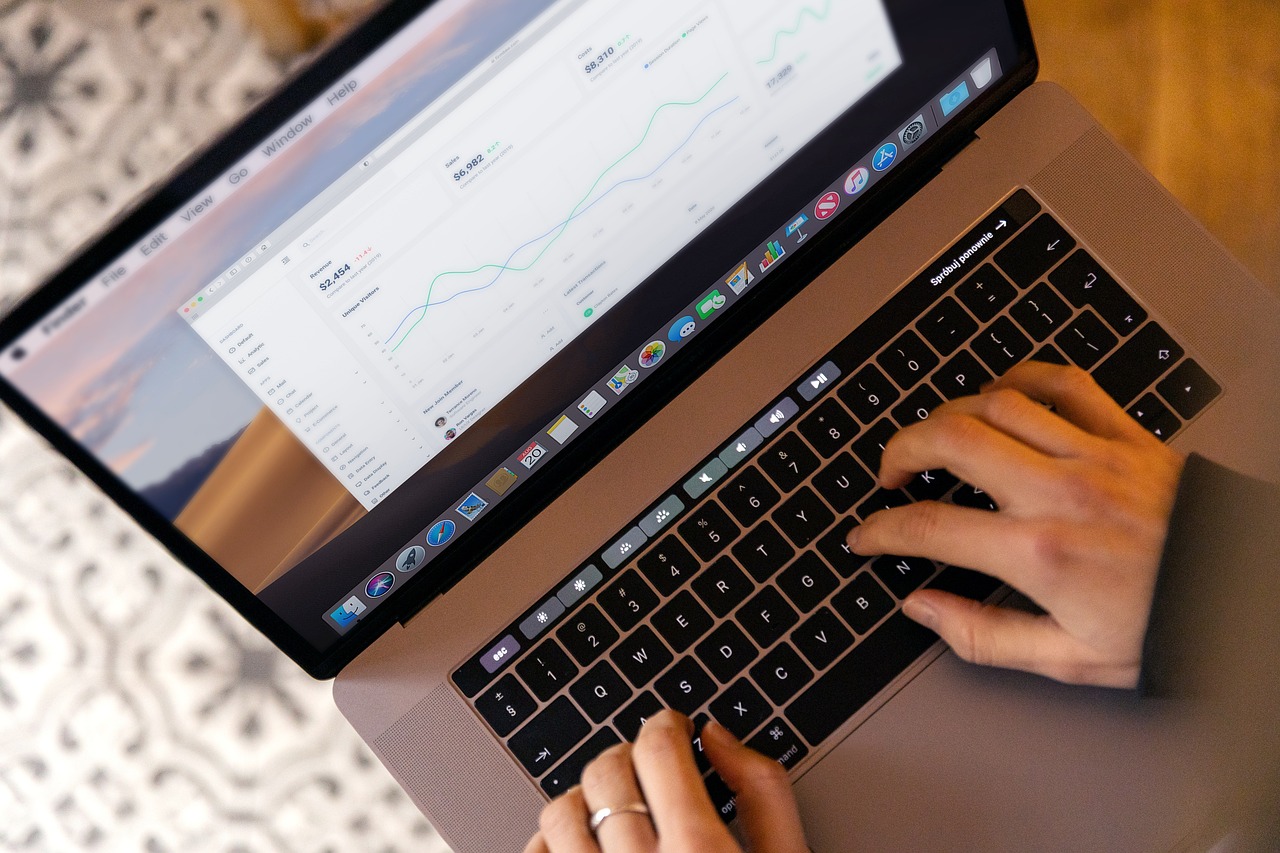
Once you start tracking, you’ll have data you can analyze. Look for trends: Are there days when you’re always more productive? Do you work better in the morning or afternoon? According to a 2024 study by Microsoft, most people hit peak productivity between 10 a.m. and noon, but this varies. Reviewing your own stats can help you schedule your hardest tasks for your most focused times. You might also notice which types of tasks drain your energy fastest. Over time, this self-awareness lets you adjust your routine for maximum impact. Treat your productivity data like a detective would—look for clues, ask questions, and don’t be afraid to experiment.
Tracking Breaks and Downtime

Rest is an underrated part of productivity. A 2023 research paper from Stanford University showed that short breaks every 90 minutes can increase output by up to 16%. If you track your breaks as carefully as your work, you might be surprised by how much they matter. Apps like Focus Booster and Pomodoro timers remind you to step away from your desk. Logging how you feel after breaks—energized, bored, or distracted—can show you what kind of rest works best. Maybe a walk outside recharges you, or perhaps a quick chat with a friend lifts your mood. The right balance between work and rest is personal, but tracking helps you find it.
Measuring Output, Not Just Hours Worked

It’s tempting to measure productivity by hours worked, but output matters more. In 2024, a Gallup workplace study found that employees who focused on completing tasks rather than clocking hours were 22% more satisfied with their jobs. Start tracking deliverables: Did you finish that proposal? Did you solve a customer problem? List what you completed each day, rather than just noting how long you worked. Over time, you’ll see which activities lead to real results. This approach is especially helpful if you work from home, where it’s easy to blur the line between busy-work and real accomplishments.
Reviewing and Reflecting Each Week

Weekly reviews are a secret weapon for consistent productivity. Every Friday, take a few minutes to look back at what you accomplished, what got in your way, and what you want to improve. According to a 2024 survey by LinkedIn, professionals who did weekly reviews were 35% more likely to meet their monthly targets. Write down your wins, your challenges, and any patterns you notice. Did you get derailed by urgent emails? Did a new routine help you focus? Honest reflection—not just tracking—helps you learn and grow. It’s like being your own coach, cheering you on and helping you adjust for next week.
Experimenting with Productivity Techniques

Not every method works for everyone. Try out different productivity techniques like the Pomodoro Technique, time-blocking, or batching similar tasks together. A 2023 report by Asana showed that employees who experimented with different systems were more adaptable and 19% less likely to experience burnout. For example, batching emails into one time slot instead of responding all day can free up hours. Or, you might find that working in short sprints followed by breaks keeps your energy high. Treat your productivity like an experiment—track what you try and note what helps you get more done without feeling exhausted.
Celebrating Progress and Staying Motivated

Tracking productivity isn’t just about finding problems—it’s about celebrating wins, big or small. According to a 2024 study by the University of Michigan, employees who regularly acknowledged their progress were 31% more engaged at work. Keep a list of your accomplishments and review it when motivation dips. Reward yourself for hitting key milestones, whether it’s a treat, an evening off, or simply a moment of pride. Sharing your progress with a friend or coworker can also boost morale. The more you notice your own growth, the easier it is to keep going, even on tough days.
Adapting Your Approach as Life Changes

Life isn’t static, and your productivity system shouldn’t be either. Major changes—like a new job, moving cities, or having a baby—can upend your routines. Research from Buffer’s 2024 State of Remote Work report found that people who regularly adjusted their productivity systems were more resilient and reported less stress. Don’t be afraid to switch tools, change your schedule, or set new priorities when life shifts. What worked last year might not work today, and that’s okay. The most productive people aren’t rigid—they’re flexible and willing to adapt when the situation calls for it.
Leveraging Technology to Streamline Tracking
Modern technology offers powerful tools for tracking productivity. Automation apps like Zapier, time trackers like Clockify, and habit trackers like Streaks can make monitoring your progress almost effortless. According to Deloitte’s 2024 Digital Workplace Survey, 68% of professionals who used automation tools saved at least four hours per week. These tools can generate reports, send reminders, and even suggest improvements based on your data. The key is to use technology as a support, not a crutch. Set aside time to review the insights your apps provide and use them to tweak your system. A little tech help can free up your brain for the work that matters most.