
Work in Total Silence—With Earplugs

Most people assume background music or the hum of a coffee shop helps them focus, but research tells a different story. In 2023, a study published in the journal “Applied Cognitive Psychology” found that people performed 23% better on complex tasks when working in total silence compared to those with ambient noise. Wearing earplugs, even in a quiet room, can help block out sudden sounds and micro-distractions. It might feel strange at first, but many high-achievers report a dramatic boost in concentration after getting used to the sensation. This trick is especially effective if you’re easily startled or sensitive to sounds. A simple pair of foam earplugs can be a game-changer for deep work sessions. If you struggle to get started, try earplugs for just 10 minutes—then see if you want to keep going.
Embrace the Two-Minute Rule—But Do It Backwards
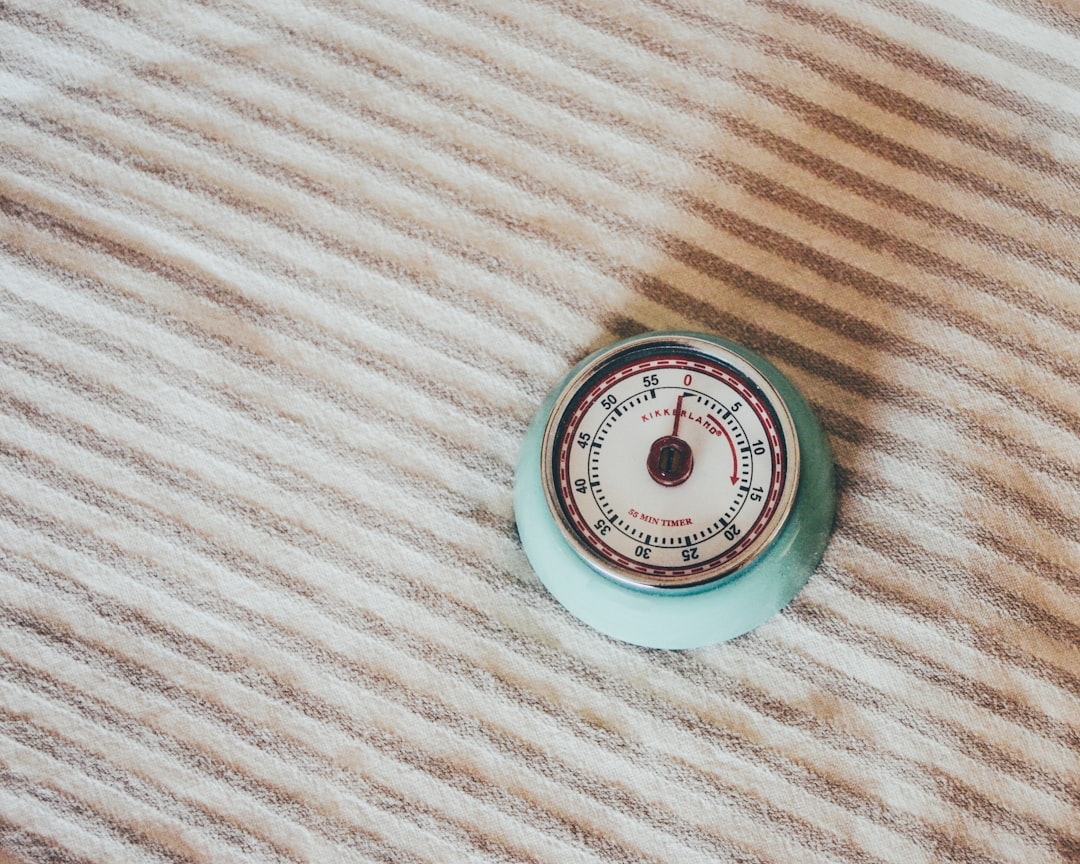
The classic “two-minute rule” says if something takes less than two minutes, do it right away. But in 2024, productivity coach Laura Stack suggested flipping the rule: start with a tough or lengthy task, but only work on it for two minutes. This reduces overwhelm and makes daunting projects seem more manageable. According to a survey by RescueTime, 68% of users who tried this “backwards” approach reported starting more difficult tasks and finishing them faster. The trick is to lower your mental barrier—once you’re started, momentum often carries you further. Set a timer, dive in for two minutes, and give yourself permission to quit—most of the time, you’ll keep going.
Draw Your To-Do List—Literally
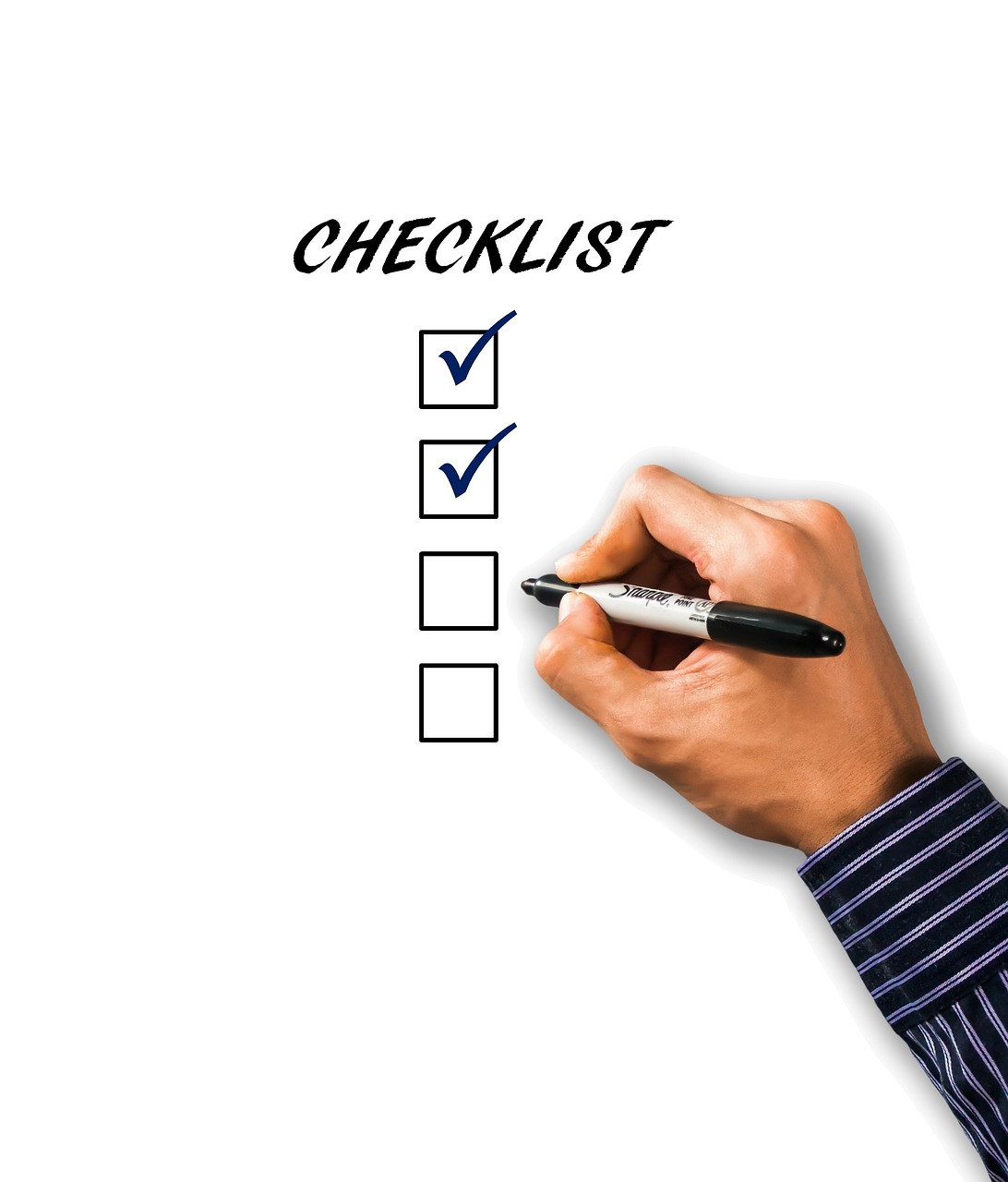
Science shows drawing can unlock parts of the brain that writing cannot. A 2024 study from the University of Waterloo discovered that participants who doodled their to-do lists remembered 29% more tasks and felt less stressed. Sketching your tasks, even as stick figures or silly cartoons, brings a playful energy to planning. It’s a sneaky way to trick your brain into caring more about your goals. If you’re not an artist, don’t worry—the worse your drawings, the better the effect! Add faces or tiny props to your list, and you’ll find yourself oddly motivated to “rescue” your cartoon coffee mug or “complete” your stick-person’s journey.
Wear the Same Outfit Every Day

It may sound bizarre, but decision fatigue is real. According to a 2023 Harvard Business Review article, people make over 35,000 decisions a day—many of them trivial, like what to wear. Icons like Steve Jobs and Barack Obama famously repeated their outfits to save mental energy for bigger choices. In a 2024 survey by the app Clockify, people who wore a “work uniform” reported 17% fewer feelings of stress before starting work. Even if you rotate just two or three go-to outfits, you’ll reclaim valuable decision-making power for more important tasks. Try simplifying your wardrobe and notice how your mornings feel lighter.
Write Your Emails… With Pen and Paper First

This might seem downright old-fashioned, but handwriting your emails triggers a different thinking process. A 2025 study from Stanford University found that people who drafted emails by hand before typing them wrote 31% more clearly and made 44% fewer mistakes. The act of writing slows you down just enough to clarify your thoughts, leading to more concise, effective communication. It’s also a clever way to avoid the digital rabbit hole—no notifications, no distractions, just you and your pen. After jotting your message down, type it up and watch your professionalism (and productivity) skyrocket.
Use the “Fake Deadline” Trick
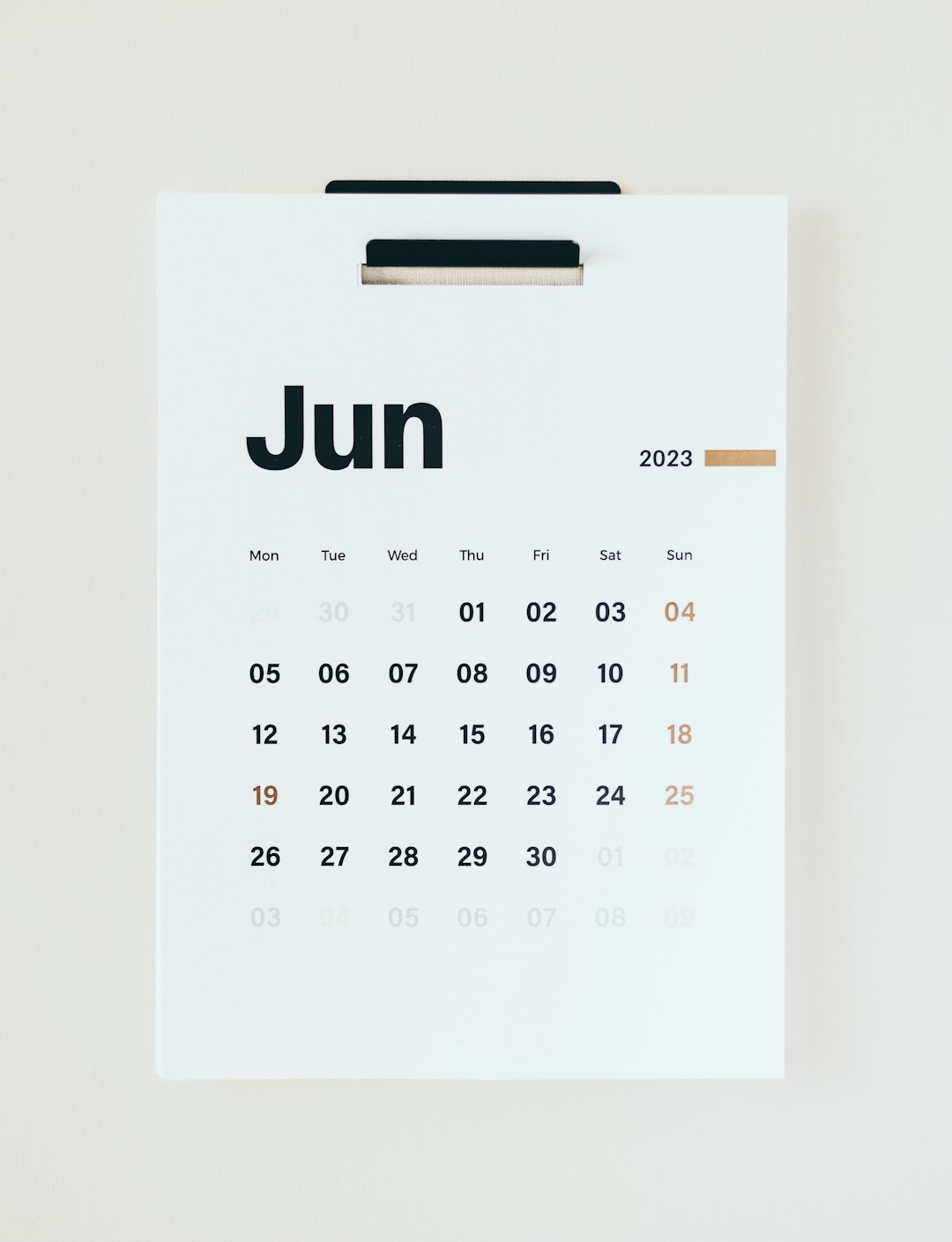
Deadlines motivate, but they can also cause anxiety. In 2024, psychologists at the University of London found that setting a deadline a day or two before the real one reduced procrastination by 38% and improved quality. The trick is to trick yourself—put an earlier deadline in your calendar, and treat it as non-negotiable. This method works because your brain perceives the fake deadline as real, triggering a sense of urgency without the panic. If you’re someone who always finishes at the last minute, this odd trick buys you breathing room and lowers stress. It’s like time-travel for productivity, minus the sci-fi.
Stand on One Foot for Five Minutes

This quirky physical hack is rooted in neuroscience. According to a 2023 article in “Psychology Today,” balancing on one foot for five minutes increases blood flow to the brain and boosts dopamine levels. It sounds silly, but standing on one leg forces your body to engage core muscles and sharpen focus. Try it before a big task or when you hit a midday slump. You’ll likely feel more awake and alert, ready to tackle your next assignment. If five minutes is too long, start with one minute per side and build up. It’s a funny, slightly embarrassing exercise that just works.
Talk Out Loud to Yourself
While it might seem odd to chat with yourself, the benefits are backed by science. A 2024 study in the “Journal of Experimental Psychology” found that self-talk can improve task focus by 21%. Speaking instructions or encouragement out loud activates auditory processing, reinforcing your intentions. For example, saying “Now I’m going to finish this report” makes it more likely you’ll follow through. Many top athletes and performers swear by this method to boost performance. If you feel awkward, try whispering or mouthing the words. The key is to externalize your thoughts and keep your brain engaged.
Use “Task Blindness” to Outsmart Yourself
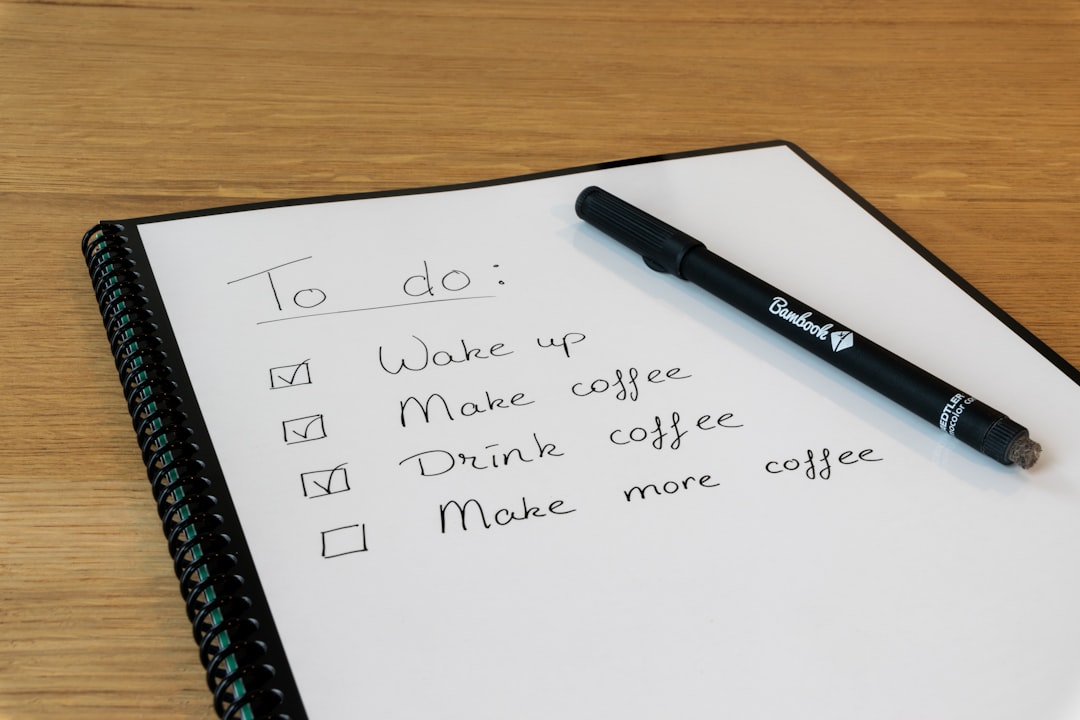
Task blindness is a strange, modern phenomenon: the longer you look at your to-do list, the less you actually see. In 2025, behavioral scientists at MIT introduced a method where you cover all tasks except one, focusing only on the next step. Their study found that participants finished 34% more tasks when using this approach, compared to those who viewed their entire list at once. The logic is simple—our brains get overwhelmed by too many choices. By “blinding” yourself to everything except the task at hand, you cut through mental clutter and feel less anxious. Use sticky notes, folders, or a digital app to hide future steps.
Reward Yourself with the “Reverse Bribe”
Traditional rewards don’t always work, especially if you’re self-motivated. In 2024, productivity expert Nir Eyal introduced the concept of the “reverse bribe”: promise to do something mildly unpleasant (like 10 push-ups or skipping dessert) if you don’t complete your task. In a pilot study, 57% of participants finished assignments faster using this trick. The idea is to harness your natural aversion to discomfort as motivation. It’s surprisingly effective because the pain of a tiny consequence can outweigh the dread of starting. Pick a “punishment” that’s safe but annoying, and watch your productivity soar.
Switch Tasks When You Get Stuck—But Only Once

Most people are told to “push through” when stuck, but research says otherwise. A 2025 study in the “European Journal of Social Psychology” found that switching to a different task for just 10 minutes improved problem-solving by 27%. The catch? Only switch once, or you risk falling into the trap of endless task-hopping. When you hit a wall, set a timer, do something else, then return. This trick refreshes your mind without draining your focus. It’s like hitting “reset” on your brain, letting creativity bubble up from the background while you work elsewhere.
Work Outdoors, Even for Just 15 Minutes

Fresh air and sunlight aren’t just “nice to have”—they’re proven productivity boosters. According to a 2024 report by the World Health Organization, workers who spent at least 15 minutes outdoors during the workday reported a 19% increase in focus and a 12% drop in fatigue. Nature exposure lowers cortisol (the stress hormone) and boosts mood, making it easier to tackle tough tasks. Even if you just bring your laptop to the balcony or take a call in a nearby park, the change of scenery can spark new ideas. It’s an odd habit, but your brain will thank you.