

Setting Clear Daily Goals

Starting your day with a clear plan is more powerful than you might think. According to a study published in the American Journal of Lifestyle Medicine, individuals who set daily goals are 25% more likely to achieve higher productivity. Breaking down large tasks into simple daily objectives helps reduce overwhelm and gives a sense of control. Many productivity experts, like James Clear, emphasize the importance of writing down three main goals each morning to focus attention. This method is not just about making lists but about creating intention. When you know exactly what needs to be accomplished, you’re less likely to waste time on distractions. The brain responds positively to structure, rewarding you with dopamine when you check off completed tasks. Even tech giants like Google encourage employees to use daily goal-setting frameworks, showing just how effective this habit can be.
Prioritizing Deep Work Sessions

Deep work, a concept made famous by productivity expert Cal Newport, refers to periods of focused, undistracted work on cognitively demanding tasks. Research from the University of California, Irvine, revealed that office workers are interrupted roughly every 11 minutes, but it takes up to 25 minutes to return to the original task. By setting aside 60- to 90-minute blocks dedicated to deep work, people can double or even triple their output. This habit is not about working harder, but smarter—turning off notifications, shutting the door, and immersing yourself fully in the task. Some companies now encourage “focus hours,” where meetings and emails are paused, to foster deep productivity. The result is higher quality work and a greater sense of accomplishment at the end of the day.
Taking Strategic Breaks

It might sound counterintuitive, but regular breaks actually boost productivity. The Pomodoro Technique, which involves 25 minutes of work followed by a five-minute break, has gained huge popularity for a reason. A study published in the journal Cognition showed that short breaks can improve focus by nearly 16%. When you push through without rest, your brain becomes fatigued and prone to mistakes. Instead, stepping away for a few minutes—stretching, grabbing a glass of water, or taking a quick walk—refreshes your mind. The key is to use breaks strategically, not as a way to procrastinate, but to recharge and return to work with renewed energy. Many high-performing teams, such as those at Microsoft, have adopted scheduled break times to keep minds sharp throughout the day.
Using Technology Wisely
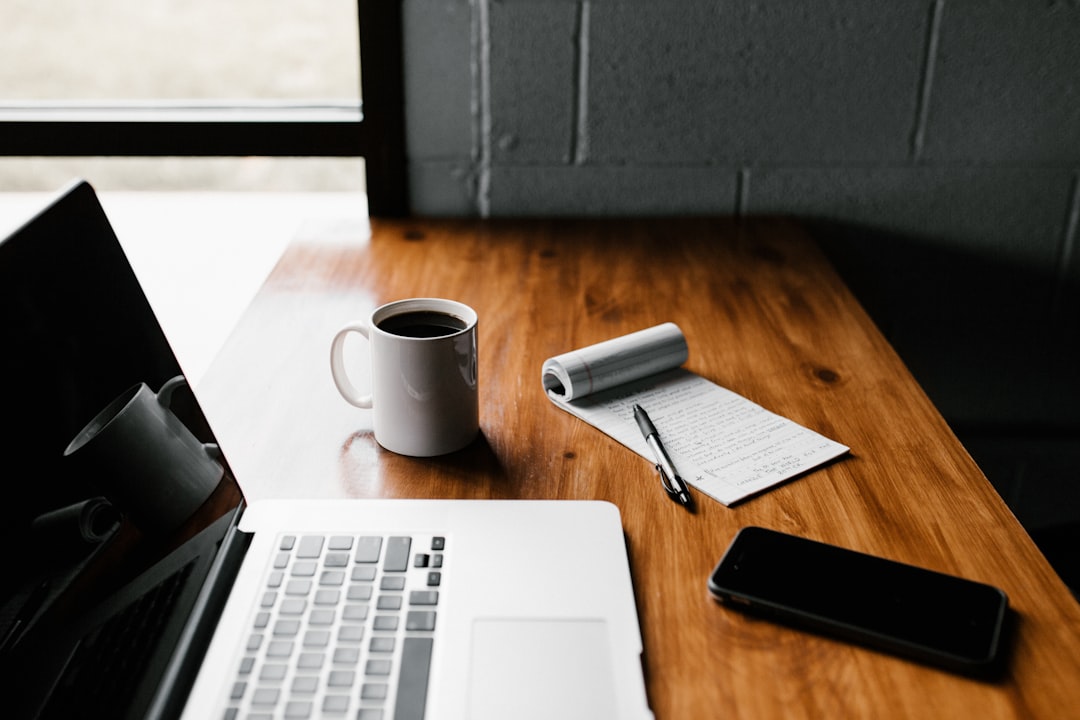
While technology can be a huge distraction, it can also be a powerful productivity tool if used correctly. Productivity apps like Trello, Todoist, and Notion help organize tasks and deadlines efficiently. According to a 2023 report from Statista, 67% of workers felt more in control of their workload when using digital productivity tools. However, the key is to avoid app overload—too many tools can lead to confusion and wasted time. Setting app limits or using “Do Not Disturb” features can help minimize unnecessary interruptions. Even simple features like calendar reminders or voice assistants can streamline daily routines. The most productive people use technology to support their habits, not distract from them.
Mastering the Art of Saying No

One habit that sets highly productive people apart is their ability to say no. Overcommitting leads to burnout and scattered focus. Research from the University of California, San Francisco, found that people who struggle to say no experience higher levels of stress and lower productivity. Learning to decline requests or delegate tasks is a skill. It creates space to focus on what really matters. Even CEOs like Warren Buffett credit much of their success to a willingness to say no to distractions. This habit takes practice, but it’s essential for making real progress on your most important goals.
Implementing the Two-Minute Rule
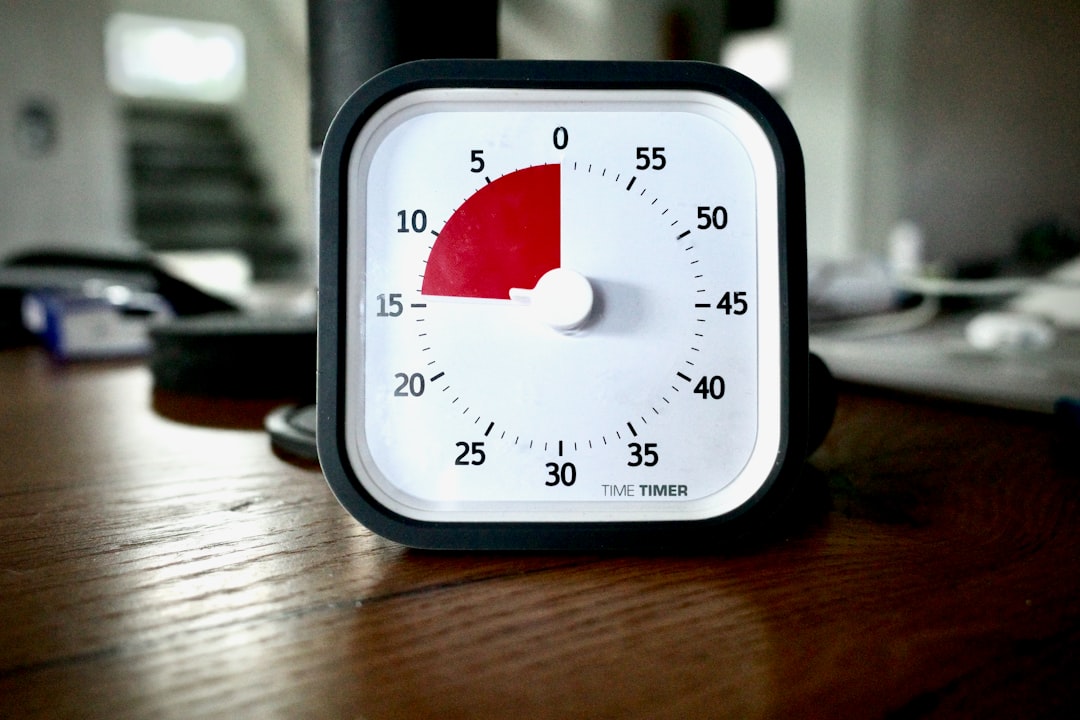
The Two-Minute Rule, popularized by productivity consultant David Allen, is simple but effective: if a task will take less than two minutes, do it immediately. This prevents small tasks from piling up into overwhelming to-do lists. A study by the Harvard Business Review found that tackling quick tasks right away can save up to an hour each day. Things like replying to short emails, filing documents, or making a quick phone call don’t need to wait. By handling these mini-tasks as they arise, you free up mental space and keep your workflow smooth. The more consistently you apply this rule, the more efficient your daily routine becomes.
Reviewing and Reflecting Each Evening

Taking a few minutes at the end of each day to review your accomplishments and plan for tomorrow can have a big impact. The American Psychological Association highlights that daily reflection improves both motivation and performance. By looking back on what went well and what could be improved, you can adjust your strategy for greater success. Many high achievers, like Oprah Winfrey, keep a daily journal to track progress and set intentions. Even simple practices, such as writing down three things you achieved, can boost morale and provide a sense of closure. This habit also helps you identify patterns and avoid repeating mistakes.
Minimizing Multitasking

Multitasking may seem like a way to get more done, but research shows it actually reduces productivity. The Stanford University study revealed that frequent multitaskers perform worse on tasks requiring focus and recall. Switching between activities breaks concentration and increases the likelihood of errors. Instead, focusing on one task at a time—known as single-tasking—leads to faster completion and higher quality results. Productivity experts recommend closing unnecessary browser tabs and silencing notifications to stay on track. By dedicating your full attention to each task, you achieve better outcomes in less time.
Creating an Organized Workspace
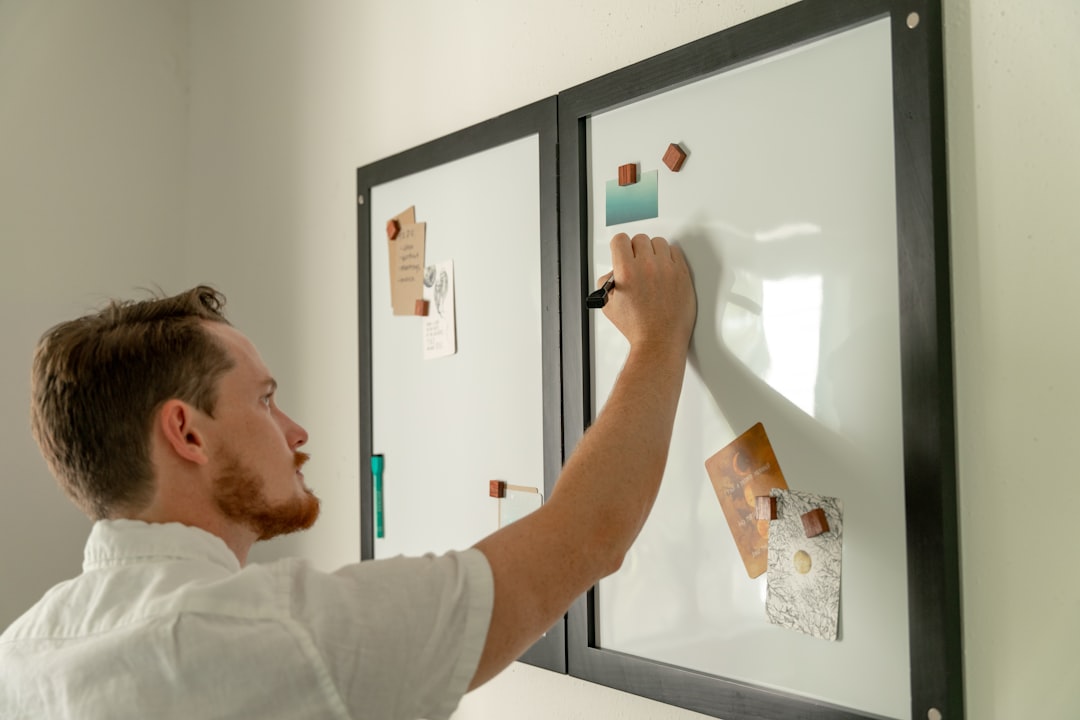
Your physical environment has a big impact on how productive you feel. The Princeton University Neuroscience Institute found that clutter competes for your attention, reducing your ability to focus. Organizing your desk, keeping only essential items within reach, and minimizing visual distractions can make a huge difference. Many top performers spend a few minutes each morning or evening tidying their workspace. Even small changes, such as adding a plant or improving lighting, can increase energy and creativity. A clean, well-organized space signals to your brain that it’s time to work, not relax.
Staying Accountable with Others

Accountability can supercharge your productivity. According to a study from the American Society of Training and Development, people are 65% more likely to meet a goal after committing to another person, and that number jumps to 95% when they schedule regular check-ins. Whether it’s a coworker, friend, or mentor, sharing your goals creates external motivation to follow through. Many people join mastermind groups or use accountability apps to track habits and celebrate progress. Knowing someone else is rooting for you—or will check in on your progress—can be the extra push needed to keep moving forward.