

In our fast-paced world, productivity is the golden ticket to achieving goals and managing time effectively. While countless books promise revolutionary insights, some of the most transformative reads appear deceptively simple at first glance. Here, we delve into ten productivity books that, despite their seemingly basic premises, have been game-changers for those eager to boost their efficiency and effectiveness.
“The 7 Habits of Highly Effective People” by Stephen R. Covey

Stephen R. Covey’s timeless classic, “The 7 Habits of Highly Effective People,” is often seen as a cornerstone in personal development literature. Covey introduces seven habits that encourage a proactive approach to life and work. The principles of being proactive, beginning with the end in mind, and prioritizing tasks based on importance rather than urgency have transformed how people manage their time and relationships. This book underscores the importance of character ethics and personal integrity, making it an invaluable resource for anyone looking to bolster their productivity.
“Getting Things Done” by David Allen

David Allen’s “Getting Things Done” (GTD) system has revolutionized task management. The book outlines a straightforward yet effective methodology for organizing tasks and projects, allowing individuals to clear their minds and focus on what truly matters. Allen’s five-step process—capture, clarify, organize, reflect, and engage—provides a structured framework for managing tasks in a way that reduces stress and boosts productivity. Many readers have found that adopting the GTD system leads to significant improvements in managing both personal and professional responsibilities.
“Atomic Habits” by James Clear

In “Atomic Habits,” James Clear presents a compelling case for the power of incremental behavioral changes. Clear emphasizes that tiny adjustments to daily habits can lead to remarkable results over time. The book introduces the concept of the “1% improvement,” suggesting that improving by just 1% each day can yield substantial cumulative effects. Clear’s practical strategies for habit formation, such as the importance of environment and identity, provide readers with actionable steps to create lasting change. This book is a must-read for anyone looking to enhance productivity through incremental improvements.
“Deep Work” by Cal Newport

Cal Newport’s “Deep Work” advocates for the importance of focused, uninterrupted work in an age brimming with distractions. Newport defines deep work as the ability to concentrate without distraction on cognitively demanding tasks. He argues that cultivating this skill is essential for achieving high productivity and success in any field. The book offers practical advice on minimizing distractions, creating a conducive work environment, and prioritizing deep work sessions. Newport’s insights resonate with professionals and students alike, making it a valuable resource for enhancing focus and productivity.
“Essentialism: The Disciplined Pursuit of Less” by Greg McKeown
In “Essentialism,” Greg McKeown challenges the notion that more is better. Instead, he advocates for the disciplined pursuit of less—focusing on what truly matters. McKeown encourages readers to evaluate their commitments and eliminate non-essential tasks to create space for meaningful work. By adopting an essentialist mindset, individuals can prioritize their time and energy on activities that align with their values and goals. This book serves as a powerful reminder that productivity is not about doing more, but about doing the right things effectively.
“The One Thing” by Gary Keller and Jay Papasan

“The One Thing” by Gary Keller and Jay Papasan underscores the importance of focus in achieving extraordinary results. The authors argue that by identifying and concentrating on the single most important task at any given time, individuals can significantly enhance their productivity. The book provides practical strategies for prioritizing tasks and eliminating distractions, simplifying lives, and focusing on what truly matters. Keller and Papasan’s straightforward approach makes this book a valuable addition to any productivity enthusiast’s library.
“Mindset: The New Psychology of Success” by Carol S. Dweck

Carol S. Dweck’s “Mindset” explores the concept of fixed versus growth mindsets and their impact on personal and professional success. Dweck argues that individuals with a growth mindset—those who believe abilities can be developed through dedication and hard work—are more likely to achieve their goals and overcome challenges. This book provides valuable insights into how mindset influences productivity and achievement. By adopting a growth mindset, readers can cultivate resilience and a willingness to learn, ultimately enhancing productivity and effectiveness.
“The Power of Habit” by Charles Duhigg
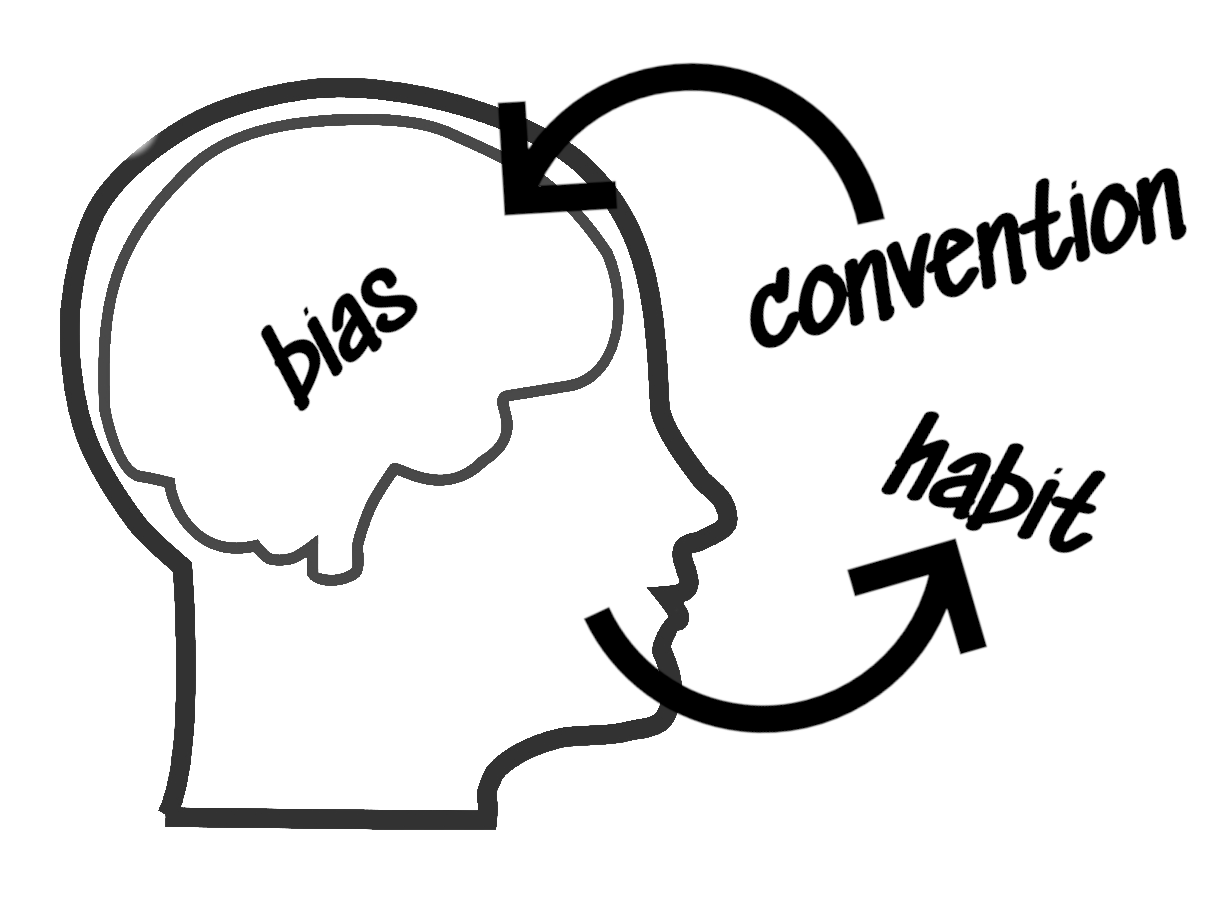
Charles Duhigg’s “The Power of Habit” delves into the science behind habit formation and its impact on our lives. Duhigg explains the habit loop—cue, routine, reward—and how understanding this cycle can help individuals change their habits for the better. The book offers practical strategies for breaking bad habits and establishing positive ones, making it a valuable resource for anyone looking to enhance productivity. By harnessing the power of habits, readers can create routines that support their goals and lead to lasting change.
“Eat That Frog!” by Brian Tracy

In “Eat That Frog!,” Brian Tracy presents a straightforward approach to overcoming procrastination and boosting productivity. The title refers to tackling your most challenging task first thing in the morning, ensuring a more productive day. Tracy provides practical tips for prioritizing tasks, setting clear goals, and managing time effectively. This book is particularly useful for individuals struggling with procrastination, offering actionable strategies to help readers take control of their time and achieve their objectives.
“The 4-Hour Workweek” by Timothy Ferriss

Timothy Ferriss’s “The 4-Hour Workweek” challenges traditional notions of work and productivity. Ferriss advocates for a lifestyle design approach, encouraging readers to focus on efficiency and automation to achieve more in less time. The book offers practical tips for outsourcing tasks, creating passive income streams, and redefining success. While some may view Ferriss’s ideas as radical, many readers have found inspiration in his unconventional approach to productivity. This book serves as a reminder that achieving a fulfilling life doesn’t always require working harder; sometimes, it requires working smarter.