

The Shadow Architect of American Power
While most Americans focus on the faces they see on TV screens and in headlines, there’s a billionaire working behind the scenes who might just be the most influential person in America right now. Peter Thiel is secretly the most important person in Silicon Valley, and his fingerprints are all over the corridors of power in Washington D.C. You probably know him as the PayPal guy, but that’s just the beginning of his story. According to Forbes, as of May 2025, Thiel’s estimated net worth stood at US$20.8 billion, making him the 103rd-richest individual in the world. But here’s the thing – his real power isn’t measured in dollars alone.
The PayPal Mafia’s Political Takeover
Think of it like this: imagine your college friend group suddenly took over the government. That’s essentially what happened with the PayPal crew, except they’re all billionaires now. The so-called PayPal Mafia — a group of Silicon Valley stars with links to the payments app’s formative period — has become integral to the second Trump administration. All of these individuals, including the vice president–elect, sit within powerful Silicon Valley networks with one man at their center: Thiel. There’s the PayPal Mafia, the group of early employees of the digital payments company that includes Thiel and Musk. It’s like a tech version of the old boys’ club, but with way more money and influence.
The Vice President Connection
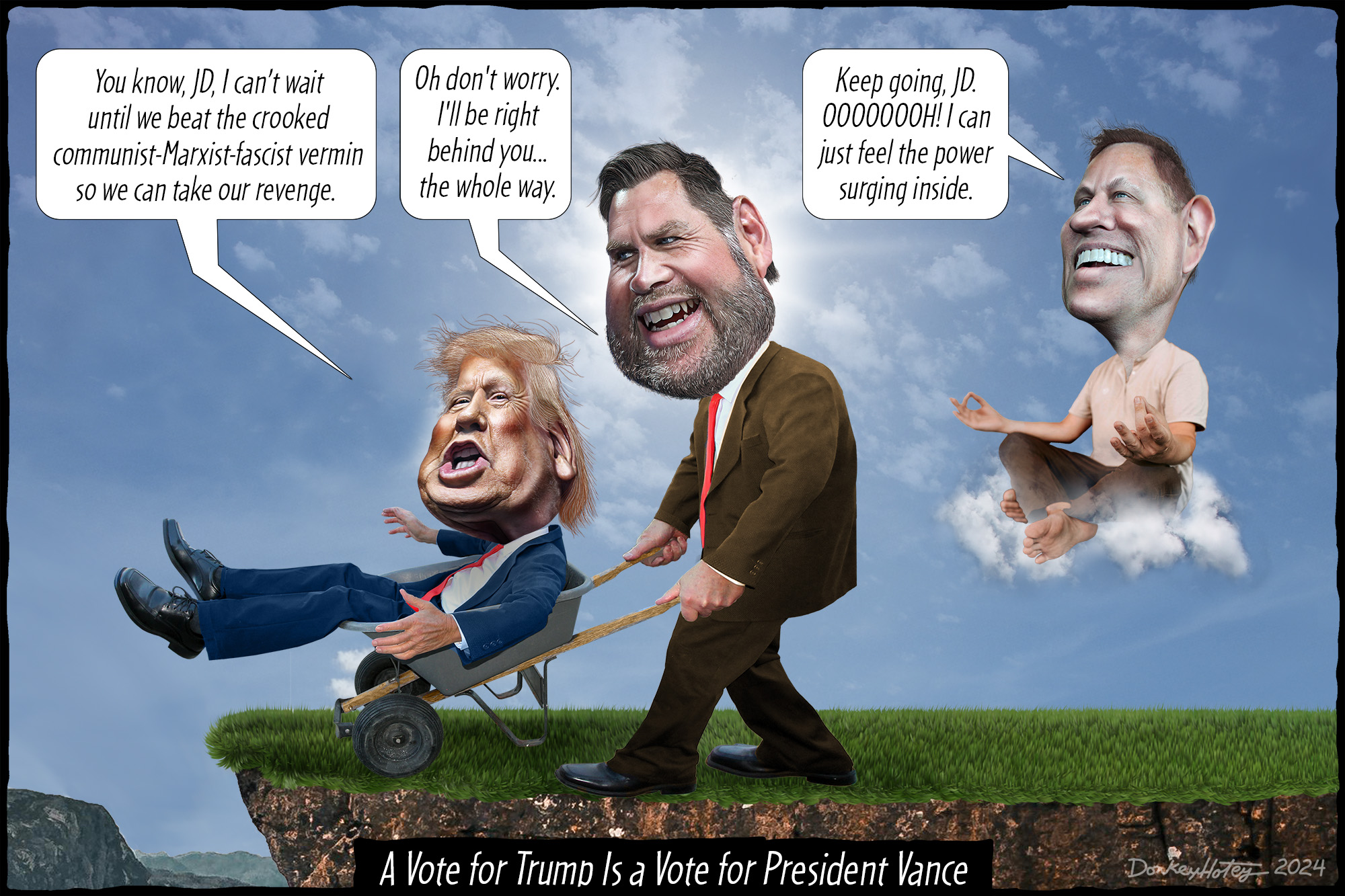
It was PayPal cofounder and venture capitalist Peter Thiel who introduced his mentee, JD Vance, to President-elect Donald Trump at Mar-a-Lago in 2021. This wasn’t just a casual introduction – it was a strategic move that would reshape American politics. Vance and Thiel’s relationship dates back to 2011, when Vance met Thiel after he gave a talk at Yale Law School “lamenting technological stagnation and arguing that the elite obsession with hypercompetitive jobs was crushing innovation.” Impacted by Thiel’s talk, Vance began planning for a career pivot outside of law. Vance joined law firm Sidley Austin in 2013 after graduating from Yale Law School. Less than 2 years later, in 2015, Vance left Sidley Austin to join biotechnology company Circuit Therapeutics as its director of operations. Vance got the job at Circuit Therapeutics despite his lack of experience because of his connection to Thiel.
Building a Government Network

The reach of Thiel’s influence goes way beyond just one person. David Sacks—who worked with Thiel at PayPal and wrote for the Stanford Review, the student newspaper Thiel founded as an undergraduate at Stanford University in 1987—was named as the White House’s incoming “AI and crypto czar” on Wednesday. Jim O’Neill, former CEO of Thiel’s personal foundation, has been picked as deputy secretary of the Department of Health and Human Services. It’s like watching a master chess player position his pieces across the board. A Thiel protégé who worked at Thiel’s former hedge fund Clarium Capital is now director of the Office of Science and Technology Policy, responsible for overseeing Trump’s tech policy agenda. Musk, whose companies Thiel has backed over and over, is one of Trump’s close advisors. Even some of the people working in the Department of Government Efficiency, who have been slicing up various federal agencies, have ties to Thiel.
Palantir: The Data Empire

Headquartered in Denver, Colorado, it was founded by Peter Thiel, Stephen Cohen, Joe Lonsdale, and Alex Karp in 2003. But Palantir isn’t just another tech company – it’s become the nervous system of government intelligence. Palantir is now best known for working with U.S. government agencies, including the Department of Defence and law enforcement. The company’s success has been staggering: On Feb. 3, 2025, Palantir reported soaring Q4 2024 results, which saw revenue grow 36% year-over-year to $828 million. Palantir’s stock traded up 24% following the glowing results. Think of Palantir as the eyes and ears of the government, processing massive amounts of data to help officials make decisions.
The Facebook Fortune

Here’s where Thiel’s genius really shows: he has an uncanny ability to spot the next big thing before anyone else. Thiel became Facebook’s first outside investor when he acquired a 10.2% stake in the company for $500,000 in August 2004. He sold the majority of his shares in Facebook for over $1 billion in 2012, and stepped down from the board of directors in 2022. That’s a pretty incredible return on investment – turning half a million into over a billion dollars. And of course, Thiel is behind Facebook. He was the first outside money in the company. It’s like buying a lottery ticket and knowing you’re going to win.
Founders Fund: The Money Machine
Founders Fund, the venture capital firm run by billionaire Peter Thiel, has closed a $4.6 billion late-stage venture fund, according to a Friday filing with the Securities and Exchange Commission. The fund, Founders Fund Growth III, includes capital from 270 investors, the filing said. This isn’t just any investment fund – it’s become one of the most successful venture capital operations in Silicon Valley. He is a partner at Founders Fund, a Silicon Valley venture capital firm that has funded companies including SpaceX and Airbnb. Concentrated bets on SpaceX, bitcoin, Palantir, Anduril, Stripe, Facebook, and Airbnb have delivered a string of hit vintages even as fund sizes have grown. In its 2007, 2010, and 2011 vehicles, Founders Fund can lay claim to a trio of the asset class’s best-ever vintages, producing gross multiples of 26.5x, 15.2x, and 15x from $227 million, $250 million and $625 million, respectively.
The Defense Tech Revolution

While everyone’s talking about social media and apps, Thiel has been quietly building the future of warfare. The San Francisco-based firm is best known for its investments over the years which include Airbnb, Palantir and Stripe, and recently invested heavily in defense tech — including co-leading Costa Mesa, California-based Anduril Industries’ huge $1.5 billion Series F along with Sands Capital Ventures that valued the company at $14 billion. There’s Founders Fund, the $12 billion venture capital firm that has invested in the major startups working most closely with the U.S. Department of Defense—SpaceX, Palantir, and Anduril. It’s like he’s building the military of tomorrow, one investment at a time.
The Crypto Gamble That Paid Off

Founders Fund, the venture capital firm founded by billionaire Peter Thiel, is investing once again in bitcoin and ether, sources said, signaling Silicon Valley’s renewed interest in cryptocurrency markets. From late summer to early fall last year, the fund invested $200 million to acquire crypto tokens, half in bitcoin and the other half in ether, the two largest cryptocurrencies, two sources with direct knowledge of the matter told Reuters. Thiel, a co-founder of PayPal (PYPL.O), opens new tab and Palantir (PLTR.N), opens new tab, has publicly praised bitcoin, a currency based on blockchain technology that exists outside the purview of central banks, saying it is a store of value like gold and a hedge against central banks’ monetary policy. The cryptocurrency affinity aligns with the billionaire’s interests in libertarianism, small government and technology innovation. This isn’t just about making money – it’s about reshaping how we think about currency and government control.
The Philosophy Behind the Power

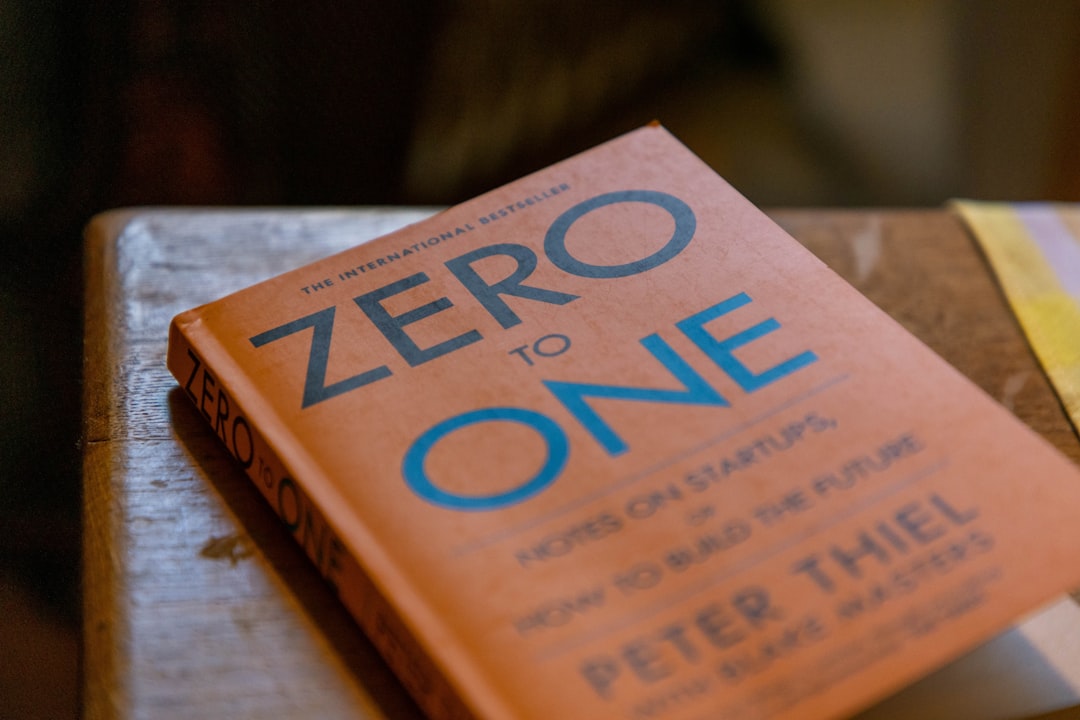
What drives someone to accumulate this much influence? For Thiel, it’s not just about getting rich – it’s about fundamentally changing how the world works. Perhaps the most important lesson we can learn from Thiel’s success is the importance of thinking differently. Thiel has never been afraid to challenge conventional wisdom or take risks, and this has helped him to identify new opportunities and create innovative solutions. By thinking outside the box and questioning the status quo, Thiel has been able to achieve remarkable success in a highly competitive industry. He’s the guy who believes that competition is actually bad for business, and that monopolies can be good for society. In 2014, Thiel wrote an opinion piece in the Wall Street Journal called “Competition Is for Losers”, where he argued companies can maximize profits and better society by building a monopoly. Thiel claimed “monopoly” refers to companies that are so good at what they do that no other firms can offer a close substitute. He argued that monopolies were not only good for business but that “creative monopolists give customers more choices by adding entirely new categories of abundance to the world. Creative monopolies aren’t just good for the rest of society; they’re powerful engines for making it better.”
The Media Influence Game

Thiel doesn’t just invest in companies – he’s also shown he can shape the media landscape. Mathias Döpfner, CEO and part-owner of Axel Springer — the German media giant that owns Politico — has developed remarkably close ties to tech billionaire Peter Thiel. His son, Moritz Döpfner, previously served as chief of staff at Thiel Capital, the billionaire’s family office. Now, according to German media, the young Döpfner has started a new venture capital fund – with a $50 million investment from Thiel. Thiel’s pretty unique in that he was involved in this elaborate and secretive litigation campaign that resulted in the destruction of a pretty substantial media outlet when he secretly funded Hulk Hogan’s lawsuit against Gawker Media, which resulted in this roughly $100 million dollar judgment. He’s playing a long game that involves not just making money, but controlling the narrative.
The Future of American Power
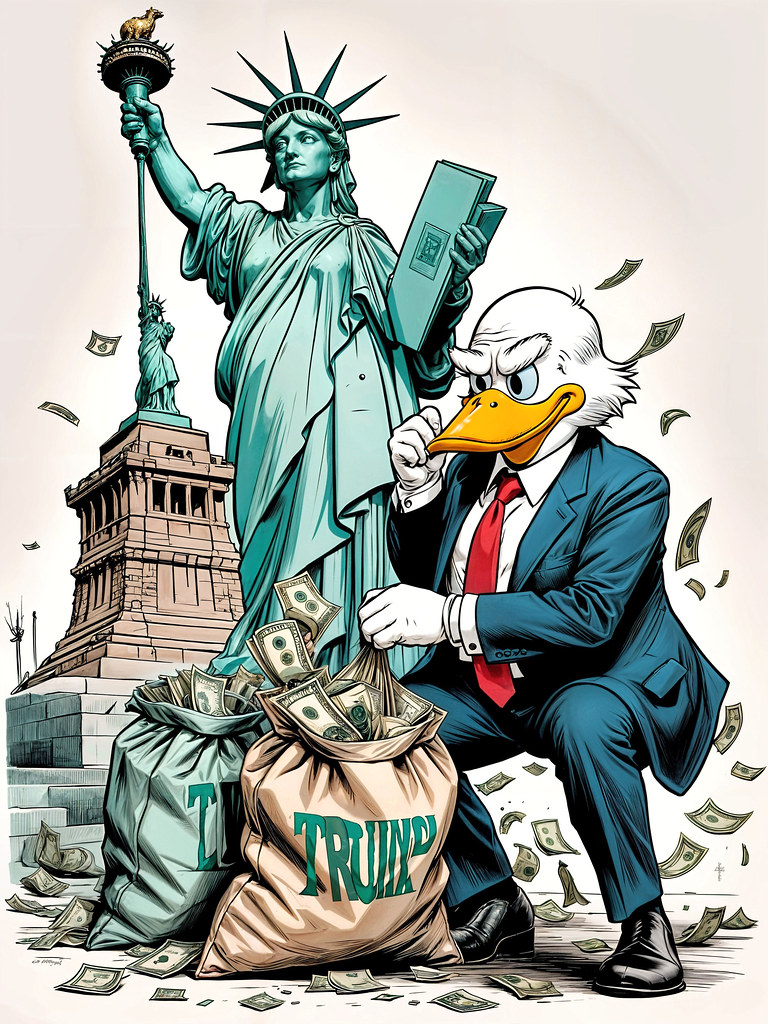
Thiel may not be the face of this administration—but it’s the network he has assembled over his career that’s staffing it. Nine years later, Thiel isn’t a visible part of Trump 2.0—but his fingerprints are everywhere. With the Trump–Silicon Valley alliance now a defining aspect of the administration, Thiel’s circle is poised to take its clout to the next level and play an ever bigger role on the world stage. Finally, with close ties to the White House in 2025, Thiel remains a force shaping the future of technology and policy, ensuring that his legacy will endure far beyond Silicon Valley. The guy who started as a college newspaper editor has basically built himself a shadow government of tech billionaires.
The Ripple Effect
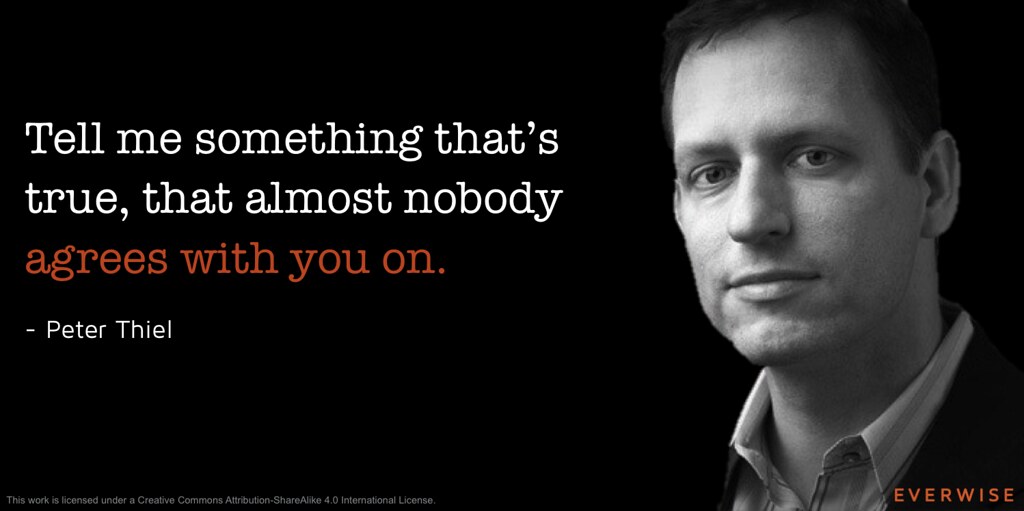
What makes Thiel’s influence so powerful is that it’s not just about him – it’s about the entire ecosystem he’s created. There is also the alumni network of the Stanford Review, a student newspaper Thiel started with a colleague while he was an undergraduate at Stanford University, where venture capitalists David Sacks and Joe Lonsdale wrote before going on to work in tech. Thiel’s fellowship program, which incentivizes promising candidates to drop out of universities to pursue bold tech ideas, has spawned Vitalik Buterin, cofounder of the Ethereum blockchain network; Dylan Field, the cofounder and CEO of design software company Figma; and Lucy Guo, who cofounded Scale AI. These networks have wielded tremendous influence across Silicon Valley for two decades, shaping the ideas, funding, and strategies that underpin some of the most successful companies and innovations. It’s like he’s been planting seeds for twenty years, and now they’re all growing into massive trees.
So who really rules America in 2025? It might not be the person sitting in the Oval Office – it could be the billionaire who’s been quietly building the future while everyone else was arguing about politics. Peter Thiel has created something unprecedented: a network of influence that spans from Silicon Valley to Washington D.C., from social media to space exploration, from cryptocurrency to defense technology. Did you expect one person to have this much power behind the scenes?