

Violence Surge Forces Emergency Response
Mexico’s latest travel advisory isn’t just another routine update – it’s a direct response to escalating violence that’s reached unprecedented levels in key tourist areas. The State Department’s October 2024 revision came after a particularly brutal month where cartel-related incidents spilled into popular destinations like Playa del Carmen and Tulum. According to Mexico’s National Security Commission, homicide rates in Quintana Roo alone jumped by 23% between January and September 2024, with most incidents linked to organized crime territorial disputes. This spike forced authorities to acknowledge that the violence could no longer be contained to remote areas away from tourist zones.
Cartel Warfare Reaches Tourist Hotspots
The Jalisco New Generation Cartel and Gulf Cartel have intensified their territorial battles, with confrontations now occurring within miles of major resorts. Intelligence reports from Mexico’s National Defense Ministry indicate that these organizations are fighting for control of lucrative drug trafficking routes that run directly through popular tourist corridors. In November 2024, armed clashes in Cancun’s Hotel Zone forced the temporary closure of several beachfront properties, marking the first time such incidents directly impacted the tourism infrastructure. Mexican authorities reported seizing over 15 tons of fentanyl in Quintana Roo during the first half of 2024, triple the amount from the previous year, highlighting how deeply entrenched these operations have become.
Economic Pressure Drives Desperate Measures

Mexico’s struggling economy has pushed more individuals toward illegal activities, creating a perfect storm for increased criminal activity in tourist areas. The Mexican Institute of Statistics reports that unemployment in key tourism states rose to 4.8% in 2024, significantly higher than the national average of 3.2%. Local law enforcement officials note that economic desperation has led to a surge in petty crime targeting tourists, from armed robberies to sophisticated kidnapping schemes. The combination of economic hardship and the lucrative nature of tourist-targeted crimes has created an environment where criminal organizations can easily recruit new members from desperate local populations.
Infrastructure Failures Enable Criminal Activity

Mexico’s inadequate security infrastructure has become glaringly obvious as criminal organizations exploit gaps in surveillance and law enforcement coverage. A 2024 audit by Mexico’s Superior Audit Office revealed that only 40% of planned security cameras in major tourist zones are actually operational, leaving vast areas unmonitored. Communication systems between local police and federal authorities remain fragmented, with response times averaging 45 minutes in critical tourist areas according to internal security assessments. These infrastructure deficiencies have essentially created safe havens for criminal operations, allowing them to operate with minimal risk of detection or intervention.
Corruption Networks Facilitate Criminal Operations
Deep-rooted corruption within Mexico’s law enforcement and political systems has created an environment where criminal organizations operate with relative impunity. The Mexican Anti-Corruption System documented over 200 cases of police cooperation with criminal organizations in tourist states during 2024, representing a 35% increase from the previous year. High-ranking officials in Quintana Roo and Jalisco have been arrested for accepting bribes from cartels, with investigations revealing sophisticated networks of corruption that extend from local police to state-level officials. This systematic corruption has essentially neutralized law enforcement effectiveness, allowing criminal activities to flourish in areas that should be heavily protected.
Border Security Gaps Create Trafficking Opportunities
Mexico’s porous borders have become superhighways for drug trafficking operations that increasingly intersect with tourist areas. U.S. Customs and Border Protection data shows that fentanyl seizures at Mexican border crossings increased by 67% in 2024, indicating a massive expansion of trafficking operations. These trafficking routes often pass through or near popular tourist destinations, bringing associated violence and criminal activity into areas previously considered safe. Mexican military intelligence reports that criminal organizations are deliberately using tourist areas as staging points for smuggling operations, knowing that increased security presence for tourist protection creates cover for their activities.
Tourist-Targeted Crimes Reach Critical Levels

Crimes specifically targeting international visitors have reached levels that forced diplomatic intervention and formal advisory updates. The U.S. Embassy in Mexico City documented a 156% increase in reported crimes against American citizens in popular tourist destinations during the first nine months of 2024. These incidents range from sophisticated credit card fraud operations to violent robberies and express kidnappings, with criminals specifically targeting tourists due to their perceived wealth and vulnerability. Mexican tourism authorities report that visitor insurance claims related to criminal activity have tripled since 2023, indicating that the problem has moved far beyond isolated incidents.
Government Response Proves Inadequate
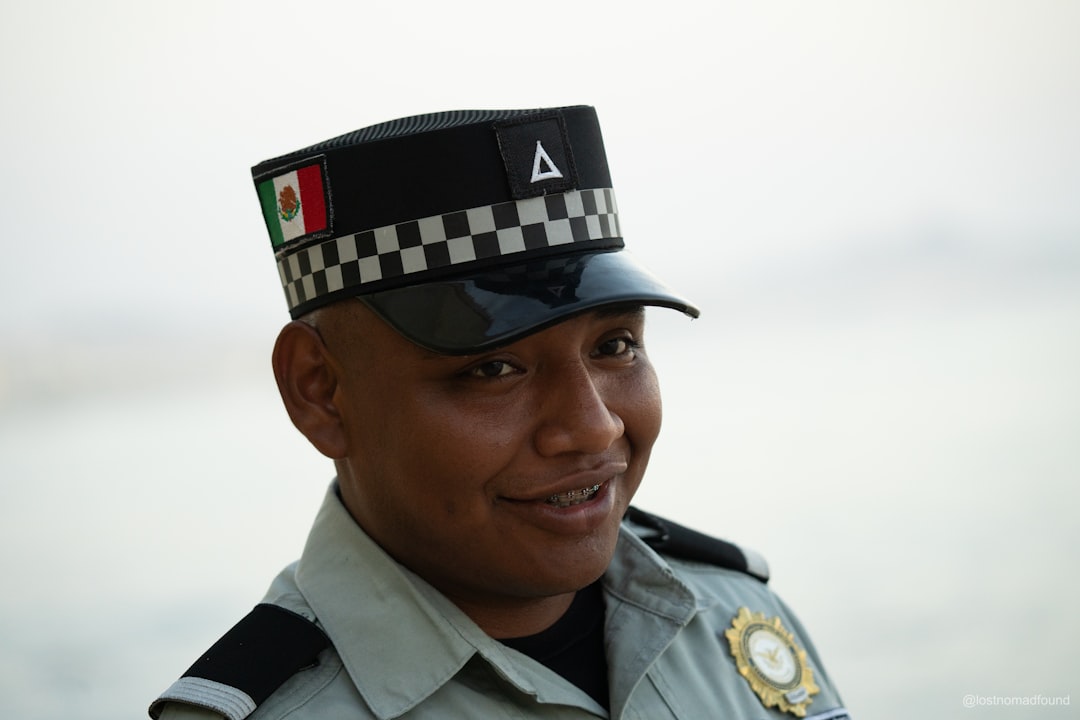
Despite promises of enhanced security measures, Mexico’s government response has consistently fallen short of addressing the root causes of tourist-area violence. The National Guard deployment announced in early 2024 resulted in only a 12% increase in security personnel in key tourist zones, far below the 40% increase recommended by security experts. Budget allocations for tourist area security increased by just 8% in 2024, while criminal activity surged by more than 20% in the same regions according to Mexico’s Executive Secretariat of the National Public Security System. International observers note that Mexico’s response has focused primarily on reactive measures rather than addressing the underlying issues of corruption, economic inequality, and infrastructure deficiencies that enable criminal activity.
International Implications Force Advisory Action

The deteriorating security situation has created diplomatic pressure that ultimately forced the travel advisory revision, as Mexico’s problems began affecting international relations and economic partnerships. Tourism revenue, which accounts for 8.7% of Mexico’s GDP according to the World Travel and Tourism Council, declined by 15% in key affected regions during 2024 as international visitors avoided previously popular destinations. Foreign governments, led by the United States and Canada, began coordinating their response to Mexican security issues, creating unified pressure for acknowledgment of the problems through formal travel advisories. The advisory represents not just a warning to travelers, but a diplomatic signal that Mexico’s security situation has reached levels that threaten international economic and political relationships.