

The Ocean Current Discovery That Changed Everything
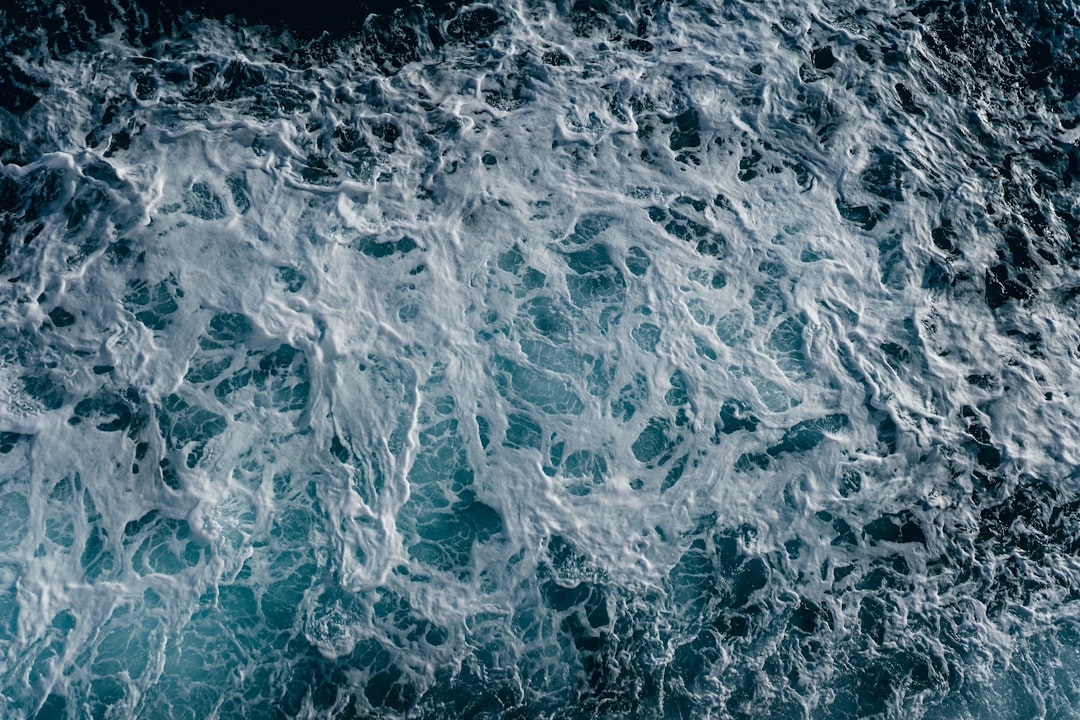
Scientists at Woods Hole Oceanographic Institution dropped a bombshell in 2024 when they revealed that the Atlantic Meridional Overturning Circulation (AMOC) has been weakening 15% faster than previously calculated. Their research, published in Nature Climate Change, used new deep-sea monitoring equipment that tracked water temperatures at depths never before measured consistently. The findings suggest that this massive ocean conveyor belt, which carries warm water north and cold water south, could collapse within 30 years rather than the previously estimated 100 years. What makes this discovery so shocking is that climate models from just five years ago completely missed these accelerated changes happening in the deep ocean.
Antarctic Ice Sheets Behaving Unlike Any Prediction
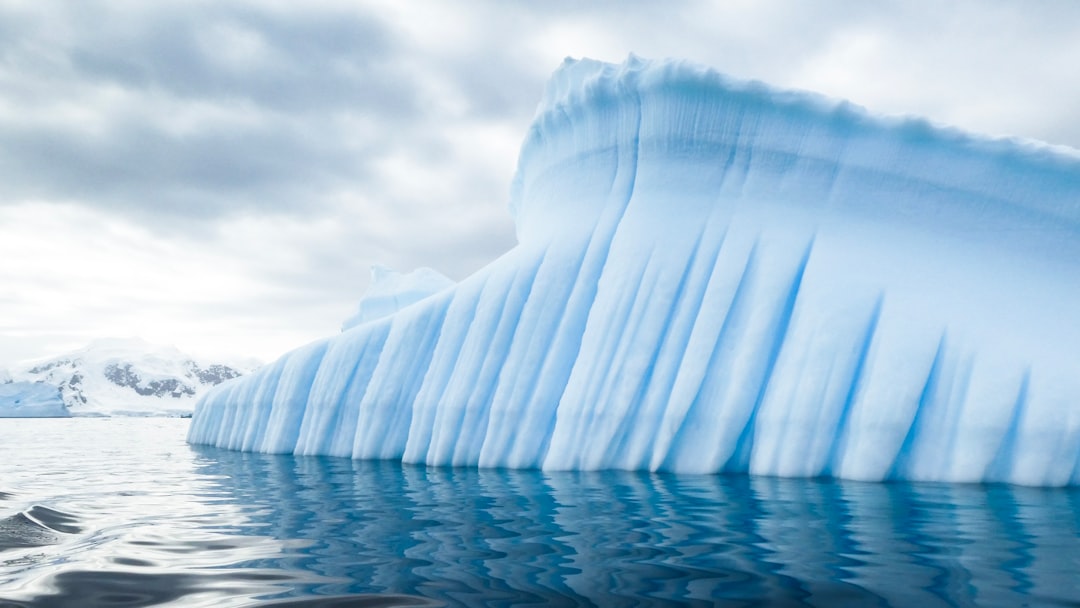
The British Antarctic Survey released startling data in early 2025 showing that West Antarctic ice loss has increased by 40% since 2020, but not in the way anyone expected. Instead of melting from the surface down, researchers discovered that warm ocean water is tunneling underneath the ice sheets through previously unknown channels. Dr. Sarah Mitchell’s team used underwater drones to map these hidden pathways, finding that some channels extend over 50 kilometers inland. This bottom-up melting process happens three times faster than surface melting, completely rewriting our understanding of how ice sheets respond to warming oceans.
The Jet Stream’s Unexpected Split Personality
Meteorologists at the National Center for Atmospheric Research made a groundbreaking discovery in 2024 about the polar jet stream’s behavior that nobody saw coming. Their analysis of satellite data revealed that the jet stream doesn’t just meander or slow down as temperatures rise – it actually splits into two separate streams for weeks at a time. This splitting phenomenon occurred 12 times between 2022 and 2024, compared to just twice in the entire decade of 2010-2020. When the jet stream splits, it creates what researchers call “weather chaos zones” where traditional forecasting models become nearly useless, explaining why recent weather has seemed so unpredictable.
Permafrost Methane Releases Exceed Worst-Case Scenarios
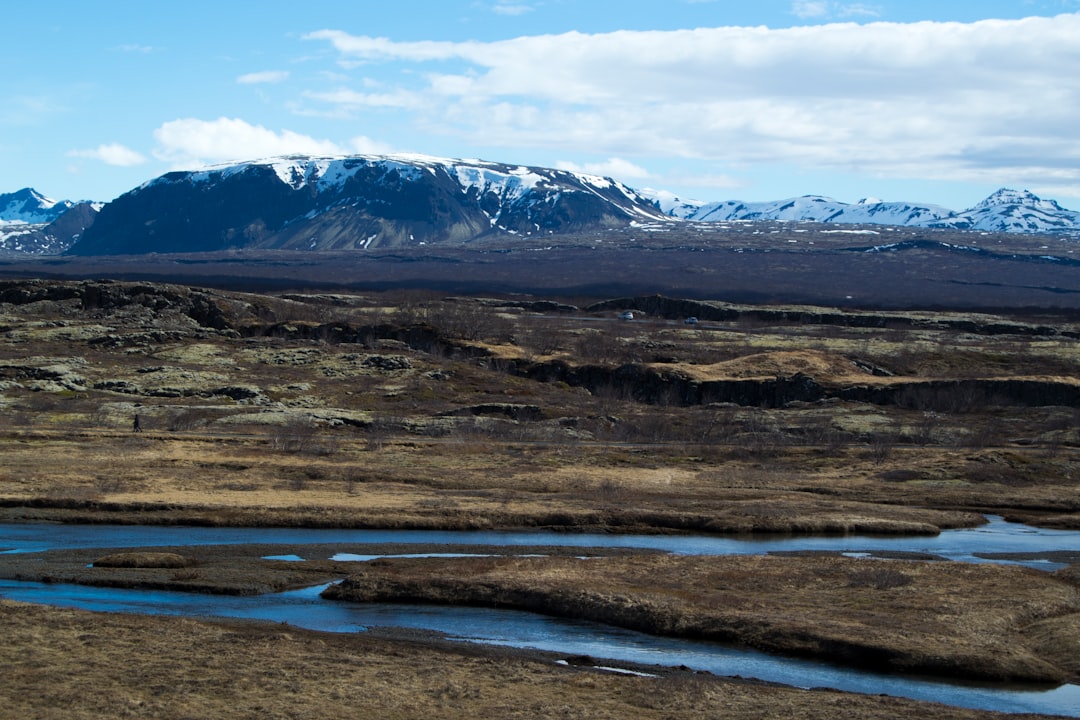
A collaborative study between Russian and American scientists published in Science magazine during late 2024 revealed that Siberian permafrost is releasing methane at rates 60% higher than the most pessimistic climate models predicted. Using new satellite technology that can detect methane concentrations with unprecedented accuracy, researchers found that massive underground methane pockets are being released through previously unknown geological pathways. The Batagaika crater in Siberia, often called the “gateway to hell,” has expanded by 35 meters in just two years, releasing methane equivalent to the annual emissions of a small country. These findings suggest that permafrost feedback loops are happening much faster than scientists thought possible.
Tropical Rainforests Switching From Carbon Sinks to Carbon Sources
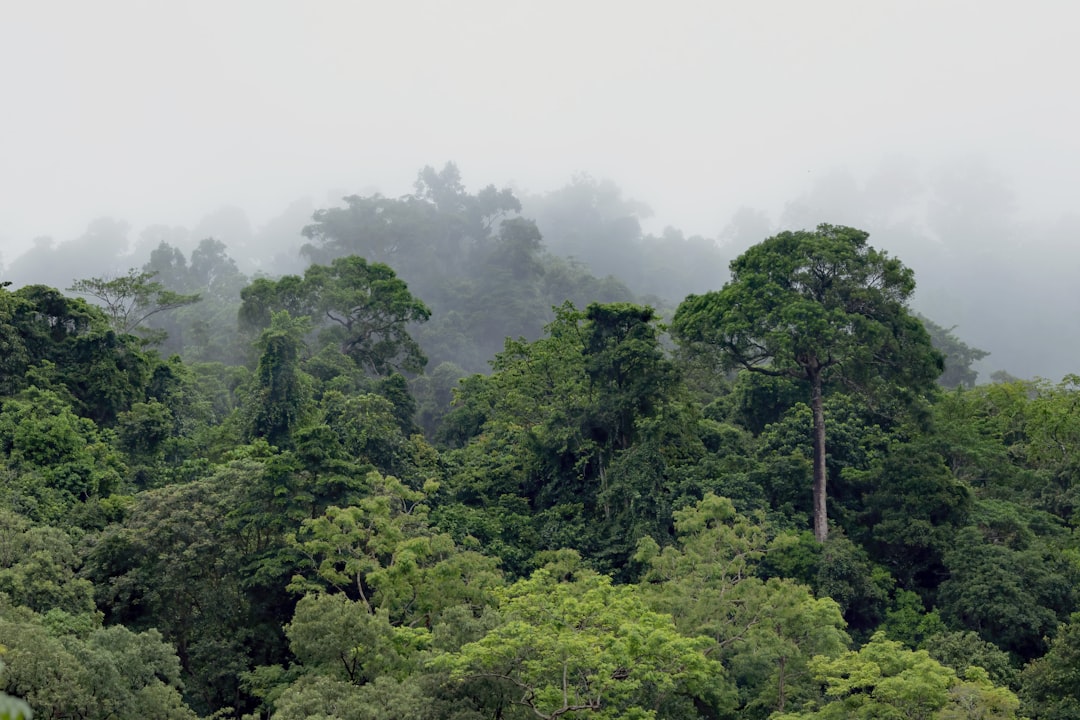
Amazon research stations operated by Brazil’s National Institute for Amazonian Research documented in 2023 that large sections of the rainforest have stopped absorbing carbon dioxide and started releasing it instead. The tipping point seems to occur when average temperatures rise just 2.5°C above pre-industrial levels in specific regions, not the 4°C threshold that previous models suggested. Satellite measurements show that roughly 20% of the Amazon basin is now releasing more CO2 than it absorbs, particularly in areas that experienced severe droughts in 2023 and 2024. This shift is happening decades earlier than climate scientists predicted, fundamentally changing calculations about global carbon budgets.
Cloud Formation Patterns Defying Physics Models
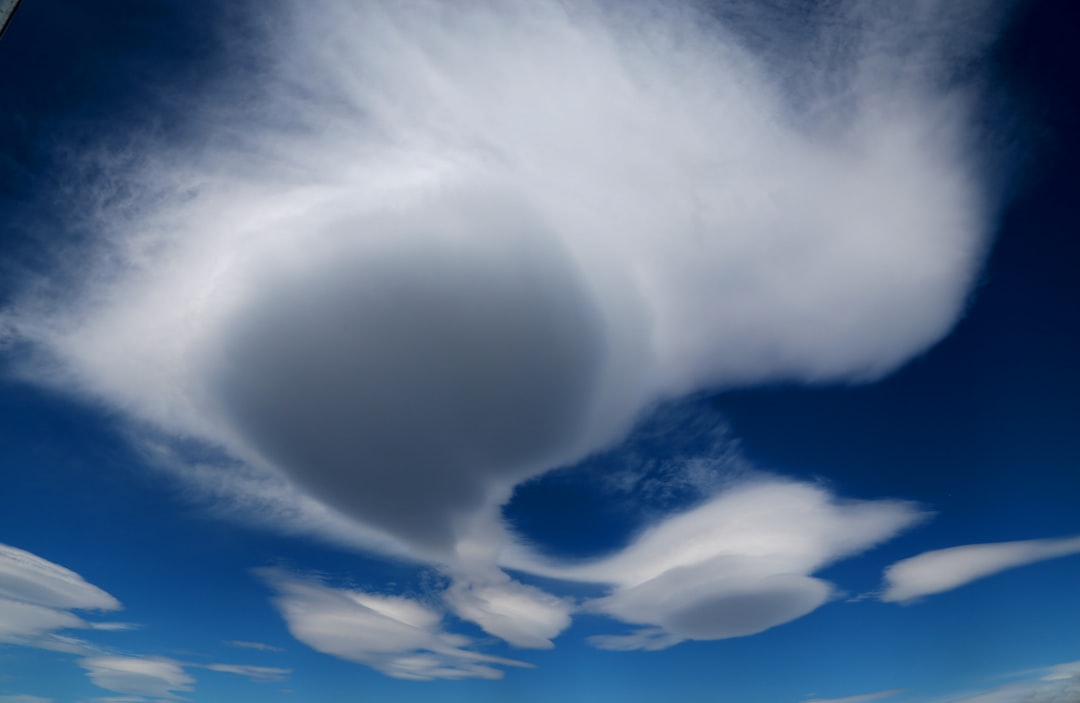
Atmospheric physicists at MIT published research in 2025 showing that cloud formation over warming oceans follows completely different rules than previously understood. Their study, using advanced particle tracking technology, found that warmer ocean surfaces create micro-environments where water droplets behave in ways that contradict established physics models. Instead of forming predictable cloud patterns, these new conditions create what researchers term “chaotic cloud clusters” that can either accelerate or dramatically slow local warming. The most surprising finding was that some of these new cloud formations actually cool the atmosphere more effectively than traditional clouds, suggesting that our planet might have built-in cooling mechanisms we never knew existed.