
Introduction: The Need for Inner Peace
In recent years, the world has witnessed a surge in political unrest and social upheaval, making inner peace an elusive yet essential goal for many. The Trump era, renowned for its divisive language and polarizing policies, has intensified feelings of anxiety and stress across the globe. Amidst this chaos, meditation emerges as a beacon of tranquility, offering individuals a way to navigate turbulent times with composure. By embracing meditation, people can find solace and resilience, allowing them to maintain mental clarity and emotional stability.
Understanding Meditation
Meditation is an age-old practice that transcends cultural and religious boundaries, focusing on achieving mental clarity and emotional calm. It involves directing attention inward, away from distractions, to cultivate a state of tranquility. Scientific research supports its benefits, with studies indicating that meditation can significantly reduce stress, enhance concentration, and improve overall well-being. A 2018 study published in JAMA Internal Medicine found that mindfulness meditation programs can effectively alleviate anxiety, depression, and pain, underscoring the practice’s transformative potential.
The Impact of the Trump Era on Mental Health

The Trump era has been marked by an unrelenting stream of news, often triggering heightened anxiety and stress among the public. According to a 2020 survey by the American Psychological Association, 68% of Americans reported feeling stressed about the nation’s future. This constant state of vigilance can have detrimental effects on mental health, emphasizing the need for effective coping mechanisms. Meditation offers a sanctuary from the incessant noise of the external world, allowing individuals to reconnect with their inner selves and find stability amidst uncertainty.
Benefits of Meditation

Meditation provides a plethora of benefits that can profoundly impact both mental and physical health:
– **Stress Reduction**: Consistent meditation practice can lower cortisol, the hormone linked to stress, promoting relaxation.
– **Improved Focus**: By enhancing concentration and attention span, meditation makes it easier to manage everyday tasks.
– **Emotional Well-being**: Mindfulness practices foster emotional resilience and a positive outlook on life.
– **Physical Health**: Research indicates that meditation can lower blood pressure and improve sleep quality, contributing to overall wellness.
Types of Meditation
There are several forms of meditation, each offering unique approaches and benefits:
– **Mindfulness Meditation**: Centers on being present in the moment and observing thoughts without judgment.
– **Transcendental Meditation**: Involves repeating a mantra to settle the mind into a profound state of rest.
– **Loving-kindness Meditation**: Encourages the cultivation of compassion and love towards oneself and others.
– **Guided Meditation**: Entails following a recorded meditation led by an instructor, providing structure and guidance.
Creating a Meditation Space
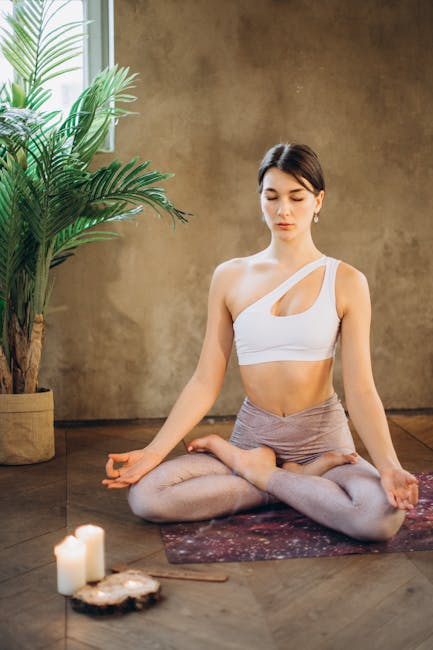
To maximize the benefits of meditation, it’s crucial to establish a dedicated space that fosters relaxation and focus. Here are some tips for creating a conducive meditation environment:
– **Choose a Quiet Location**: Select a space in your home that is free from distractions and noise.
– **Add Comfort**: Utilize cushions or a chair that offers support and comfort during your practice.
– **Incorporate Natural Elements**: Enhance the ambiance with plants, candles, or calming colors.
– **Limit Distractions**: Turn off electronic devices and notifications to maintain a peaceful atmosphere.
Incorporating Meditation into Daily Life
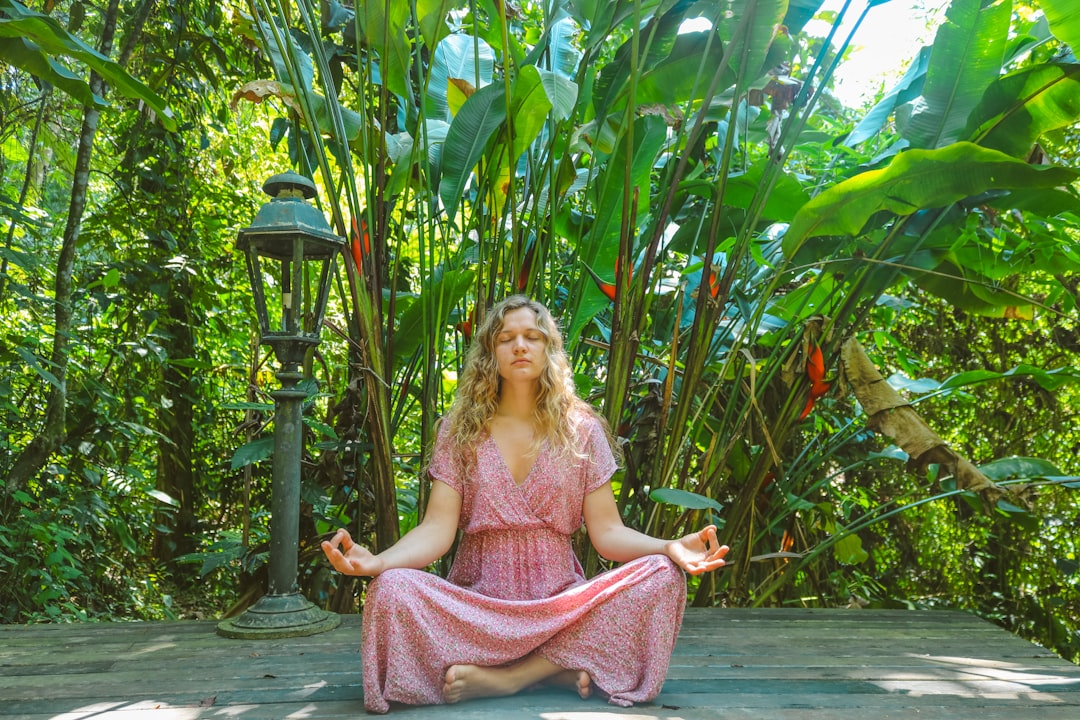
Integrating meditation into your daily routine need not be a daunting task. Here are some simple strategies to make meditation a habitual part of your life:
– **Start Small**: Begin with just a few minutes of meditation each day and gradually increase the duration.
– **Use Apps**: Numerous meditation apps offer guided sessions and reminders to keep you on track.
– **Practice Mindfulness Throughout the Day**: Incorporate mindfulness into everyday activities, such as eating or walking, by focusing on the sensations and experiences in the moment.
– **Join a Group**: Participate in local meditation groups or online communities for support and motivation.
Overcoming Obstacles to Meditation
Many individuals encounter challenges when embarking on a meditation journey. Common obstacles include busy schedules, difficulty focusing, and self-doubt. Here are some strategies to overcome these hurdles:
– **Set Realistic Goals**: Understand that meditation is a skill that takes time to develop. Be patient with yourself.
– **Create a Routine**: Establish a consistent time for meditation each day to build a habit.
– **Acknowledge Distractions**: Recognize that distractions are normal in meditation. Gently bring your focus back to your breath or mantra when your mind wanders.
The Role of Community in Meditation

Connecting with a supportive community can significantly enhance your meditation practice. Engaging with others who share similar goals provides motivation and encouragement. Consider joining local meditation classes, online forums, or social media groups centered around mindfulness and meditation. A sense of belonging and shared purpose can amplify the benefits of meditation.
Conclusion: Embracing Peace in a Chaotic World
In the midst of the noise and uncertainty of the Trump era, meditation offers a pathway to inner peace. By dedicating time to this practice, individuals can cultivate resilience, clarity, and emotional well-being. As we navigate these challenging times, let us remember the power of stillness and the importance of nurturing our mental health. Embrace the journey of meditation and discover the tranquility that lies within.