

The concept of wealth distribution in monasteries is an intriguing subject that merges the realms of spirituality and economics. Monasteries, often perceived as places of tranquility and meditation, also function as complex economic entities. This duality is not only fascinating but also enlightening, shedding light on how spiritual and material worlds intersect. But what happens when the sacred vow of poverty meets the intricate world of economics? Let’s delve into the economics of enlightenment and explore the unique wealth distribution within monasteries.
The Spiritual Economy: A Foundation of Sharing

At the heart of monastery life is the principle of communal living. Monks and nuns take vows of poverty, dedicating themselves to a life of simplicity and shared resources. This is not just a spiritual practice but a unique economic model. Within the walls of a monastery, wealth is not accumulated individually but distributed according to need. This system resembles the principles of socialism, where resources are shared equally, ensuring everyone has what they need. The spiritual economy is built on the foundation of sharing, where the collective good triumphs over individual desires.
Monastic Livelihood: Sustaining the Community

Monasteries are self-sustaining entities, often relying on agriculture, crafts, and donations. This self-reliance is not only practical but also spiritual, as it fosters a sense of community and interdependence. Many monasteries have farms, gardens, and workshops, producing food and goods for their own use. This creates a closed-loop economy where resources are recycled and reused. The work is seen as a form of meditation, integrating labor with spiritual practice. By sustaining themselves, monasteries can focus on their spiritual mission without relying heavily on external sources of income.
Donations and Alms: The Role of External Support

While monasteries strive for self-sufficiency, donations and alms play a crucial role in their economic structure. Benefactors, often motivated by religious devotion or a desire to support spiritual endeavors, provide financial and material support. These donations are not just acts of charity but investments in spiritual capital. They enable monasteries to maintain their facilities, support their residents, and undertake charitable activities. The relationship between monasteries and their benefactors is symbiotic, reflecting a mutual exchange of spiritual and material wealth.
The Economics of Vows: Poverty as Wealth

In the monastic context, wealth is not measured in material terms but in spiritual richness. The vow of poverty is a radical departure from conventional economic thinking, where accumulation is the norm. Monks and nuns view poverty as a form of liberation, freeing them from the burdens of materialism. This perspective challenges the traditional notion of wealth, suggesting that true richness lies in spiritual fulfillment. By renouncing material possessions, monastics find wealth in simplicity and contentment.
Monasteries as Economic Microcosms

Monasteries function as economic microcosms, reflecting broader economic principles in a contained setting. They provide a model of sustainable living, where resources are managed efficiently and ethically. This microcosm mirrors the larger economy, offering insights into how wealth can be distributed more equitably. The monastic economy is a testament to the possibility of harmonizing spiritual and material needs, providing a blueprint for a more balanced and sustainable way of living.
Challenges to Wealth Distribution in Monasteries

Despite their spiritual ideals, monasteries face challenges in wealth distribution. Balancing the needs of the community with limited resources requires careful management. Economic disparities can arise, particularly when monasteries receive unequal donations or have varying capacities for self-sufficiency. These challenges necessitate transparent governance and ethical decision-making to ensure that resources are distributed fairly. Monasteries must navigate these complexities while staying true to their spiritual mission.
The Impact of Modernization on Monastic Economies

Modernization poses both opportunities and challenges for monastic economies. Technological advancements can enhance self-sufficiency, enabling monasteries to produce goods more efficiently. However, modernization also brings the risk of commercialization, where spiritual practices may be commodified. Monasteries must strike a balance between embracing modern tools and preserving their spiritual integrity. This dynamic interplay between tradition and innovation shapes the future of monastic economies.
The Role of Monasteries in Local Economies

Monasteries often play a significant role in local economies, acting as centers of commerce and employment. They provide jobs, purchase local goods, and attract visitors, contributing to the economic vitality of their communities. This symbiotic relationship benefits both monasteries and their surroundings, fostering mutual support and collaboration. By engaging with local economies, monasteries extend their spiritual mission beyond their walls, enriching the broader community.
Global Monastic Networks: Sharing Resources Across Borders

In today’s interconnected world, monasteries are part of global networks, sharing resources and knowledge across borders. These networks facilitate the exchange of goods, ideas, and spiritual practices, enhancing the richness of monastic life. Global connectivity allows monasteries to support each other, providing financial aid, training, and guidance. This global perspective enriches the monastic experience, fostering a sense of unity and shared purpose among diverse communities.
Monastic Economics: A Model for Sustainable Living

Monastic economics offers a compelling model for sustainable living, emphasizing simplicity, sharing, and self-sufficiency. In a world grappling with inequality and environmental degradation, the monastic approach provides valuable lessons. It challenges conventional economic paradigms, advocating for a more equitable and harmonious way of living. By prioritizing spiritual values over material accumulation, monastic economics inspires a shift towards a more sustainable future.
Conclusion: The Enlightening Economics of Monasteries
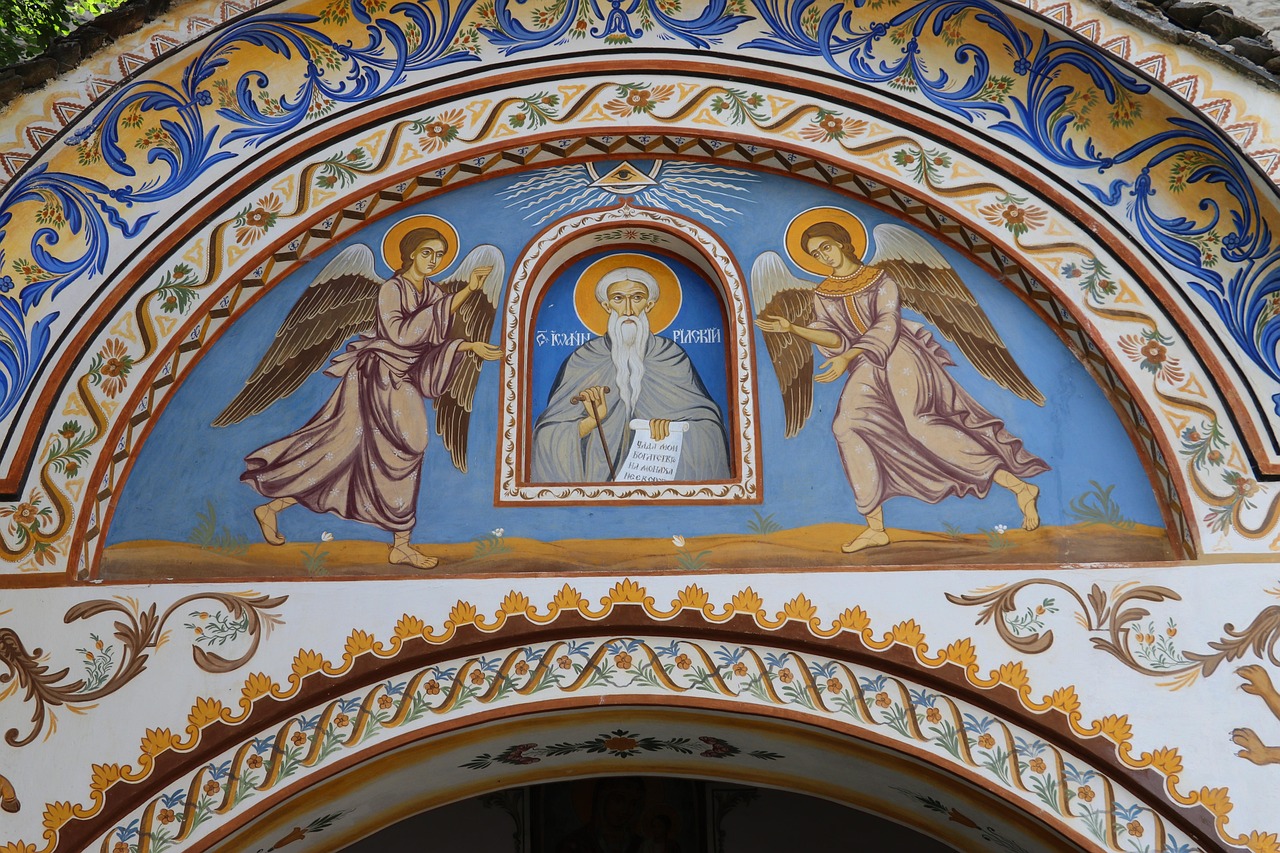
The economics of enlightenment, as practiced in monasteries, offers profound insights into the relationship between wealth and spirituality. Monasteries embody a unique economic model, where wealth is distributed according to need rather than desire. This approach challenges conventional notions of wealth, advocating for a more equitable and sustainable way of living. By exploring the economics of enlightenment, we gain a deeper understanding of how spiritual and material worlds can coexist harmoniously.