

Introduction to Mindfulness
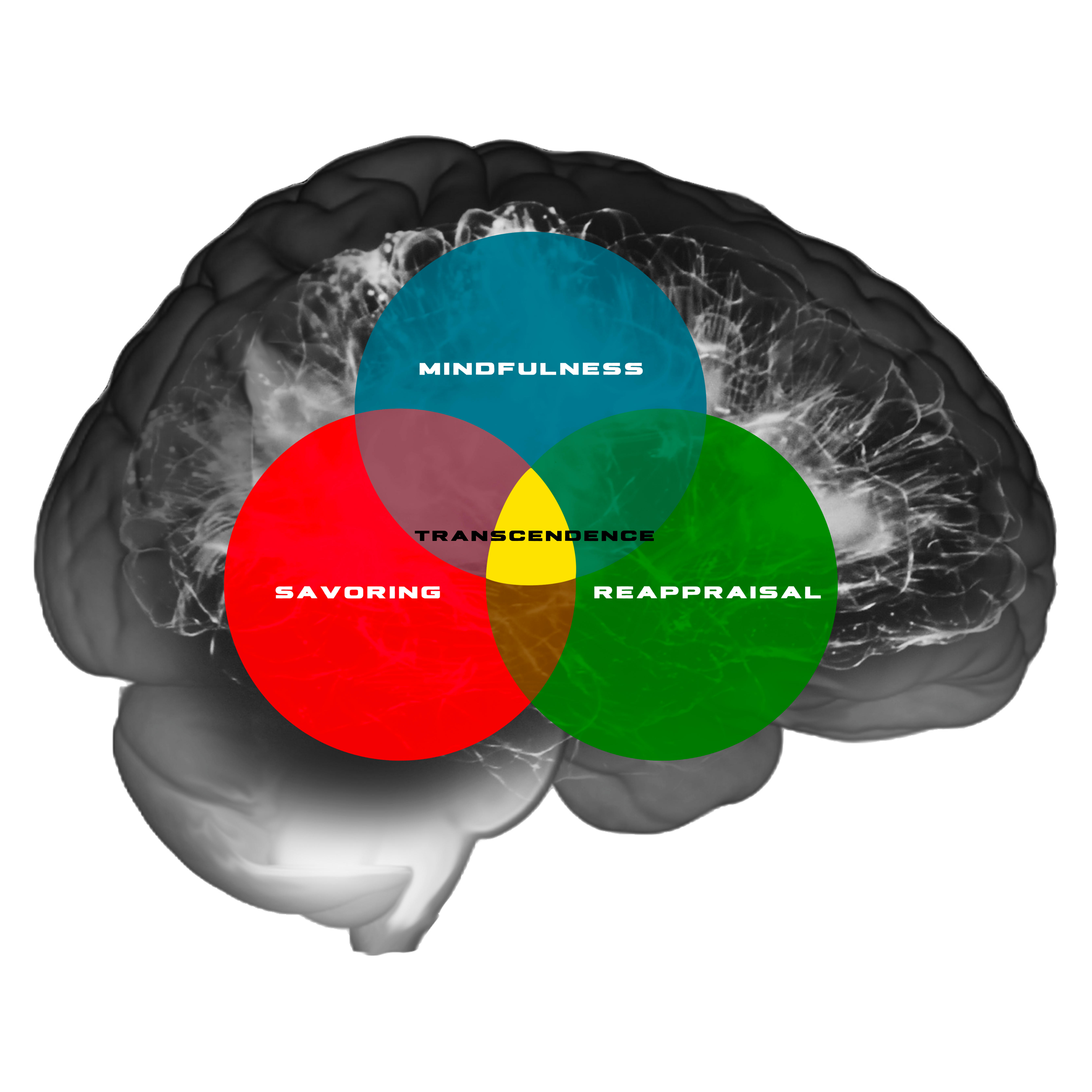
Mindfulness has emerged as a popular concept in recent years, often promoted as a remedy to the chaos that engulfs our daily lives. It involves being fully present in the moment, observing one’s thoughts and feelings without judgment. However, the increasing commercialization of mindfulness raises concerns about its genuine intent. Is mindfulness truly a tool for personal growth and mental clarity, or has it become a commodity, cleverly marketed to divert our attention from life’s underlying chaos? The answer may not be black and white, yet it is crucial to explore these dimensions to understand the phenomenon.
The Rise of Mindfulness in Popular Culture

Over the last decade, mindfulness has gained significant traction in popular culture. Various apps, books, and workshops have emerged, promising to deliver peace and tranquility. According to the Global Wellness Institute, the mindfulness market was valued at around $4 billion in 2020, reflecting a societal shift towards seeking mental health solutions amidst rising stress and anxiety levels. The mindfulness meditation app market alone is projected to reach $2 billion by 2022. In 2019, more than 1,000 mindfulness-related books were published, signifying the growing demand for mindfulness resources. This surge indicates a collective yearning for mental wellness in an increasingly chaotic world.
Mindfulness as a Commercial Product

The commercialization of mindfulness has transformed it into a packaged product, often marketed as a quick fix for stress. Companies have stripped mindfulness of its deeper philosophical roots, presenting it as a trendy accessory rather than a profound practice. Examples of this commercialization include expensive mindfulness retreats and subscription services for meditation apps. While these products may offer some benefits, they risk diluting the true essence of mindfulness, turning it into a superficial trend. The question arises: are we engaging in mindfulness as a genuine practice or merely consuming it as a commodity?
The Distraction Factor

Although mindfulness can provide benefits, it may also serve as a distraction from life’s chaos. By focusing on mindfulness practices, individuals might avoid confronting deeper issues such as systemic problems, personal trauma, or societal unrest. This raises an important question: are we using mindfulness as a tool for genuine self-improvement, or is it merely an escape from reality? The distinction is crucial, as genuine mindfulness should encourage self-awareness and growth rather than avoidance. Understanding this dynamic can help individuals engage with mindfulness in a more meaningful way.
The Psychological Impact of Mindfulness

Research demonstrates that mindfulness can reduce stress and improve mental health. A study published in the Journal of Clinical Psychology found that mindfulness practices can lead to significant reductions in anxiety and depression. Key findings indicate that mindfulness can lead to a 30% reduction in anxiety levels and improve emotional regulation and resilience. However, when mindfulness is commodified, its psychological benefits may be compromised. The commercialization of mindfulness can create unrealistic expectations, leading to disappointment when promised results are not achieved.
The Ethics of Mindfulness Marketing
The marketing of mindfulness raises ethical concerns. Companies often promote mindfulness as a one-size-fits-all solution, disregarding individual differences in mental health needs. This approach can lead to disillusionment when individuals do not experience the promised benefits. Furthermore, misleading claims about the effectiveness of mindfulness contribute to skepticism. There is also an issue of accessibility, as many mindfulness resources are not available to marginalized communities. These ethical concerns highlight the need for transparency and integrity in mindfulness marketing.
Mindfulness and Consumerism

The intersection of mindfulness and consumerism presents a troubling scenario. As mindfulness becomes more commercialized, it risks becoming just another product to consume. This can lead to a cycle where individuals feel pressured to continually purchase mindfulness-related products instead of engaging in authentic practices. Consumer trends show increased spending on wellness products, including mindfulness apps and courses. The rise of “mindful consumerism” markets mindfulness as a lifestyle choice, potentially overshadowing its deeper meaning and purpose.
Authentic Mindfulness Practices

To counteract the commercialization of mindfulness, it is essential to return to its authentic roots. Engaging in practices that promote genuine awareness and self-reflection is crucial. Suggestions for authentic practices include daily meditation without the use of apps and engaging in nature walks to practice mindfulness in a natural setting. These practices encourage a deeper connection to oneself and the world, fostering genuine self-awareness and growth. By prioritizing authenticity, individuals can experience the true benefits of mindfulness.
Conclusion: Finding Balance

While mindfulness can be a valuable tool for navigating life’s chaos, it is crucial to approach it with a critical eye. Recognizing the commercialization of mindfulness can help individuals engage with the practice more authentically. By focusing on genuine self-awareness rather than consumerism, we can harness the true power of mindfulness to foster personal growth and resilience. It is essential to navigate this landscape thoughtfully, ensuring that we do not lose sight of the true essence of mindfulness amidst the noise of commercialization.
Final Thoughts

In a world filled with distractions, mindfulness offers a pathway to clarity and peace. However, it is essential to navigate this landscape thoughtfully, ensuring that we do not lose sight of the true essence of mindfulness amidst the noise of commercialization. By prioritizing authentic practices, we can cultivate a deeper understanding of ourselves and the world around us.