

The Rise of Mindfulness

Mindfulness has been around for centuries, rooted in ancient practices like Buddhism. It’s about being present, focusing on the here and now, and it promises to help people lead a calmer, more focused life. In recent years, mindfulness has surged in popularity, becoming a buzzword in wellness circles. People from all walks of life, from stressed-out executives to busy parents, have been drawn to its allure. The idea of finding peace in a chaotic world is undeniably attractive. But as with many things that become trendy, there are always those ready to capitalize on the craze.
The Commercialization of Mindfulness

As mindfulness gained traction, businesses saw an opportunity. Suddenly, there were countless mindfulness apps, books, and courses, each promising to teach people the secrets of a mindful life. But with so many offerings, it became hard to tell which were genuine and which were just cash grabs. Companies began charging exorbitant prices for mindfulness retreats, and some apps required hefty monthly subscriptions. It seemed that what once was a simple practice had turned into a lucrative industry, with consumers often left questioning the true value of what they were paying for.
Mindfulness in the Corporate World

Corporations quickly jumped on the mindfulness bandwagon, introducing workshops and seminars to improve employee well-being. While this sounds beneficial, many critics argue that it’s merely a way for companies to appear progressive without addressing deeper workplace issues. Mindfulness, in this context, can sometimes be a band-aid solution, distracting employees from systemic problems like excessive workloads or toxic work environments. It’s as if companies are saying, “Be mindful, and you’ll handle stress better,” rather than tackling the root causes of that stress.
The Science Behind Mindfulness
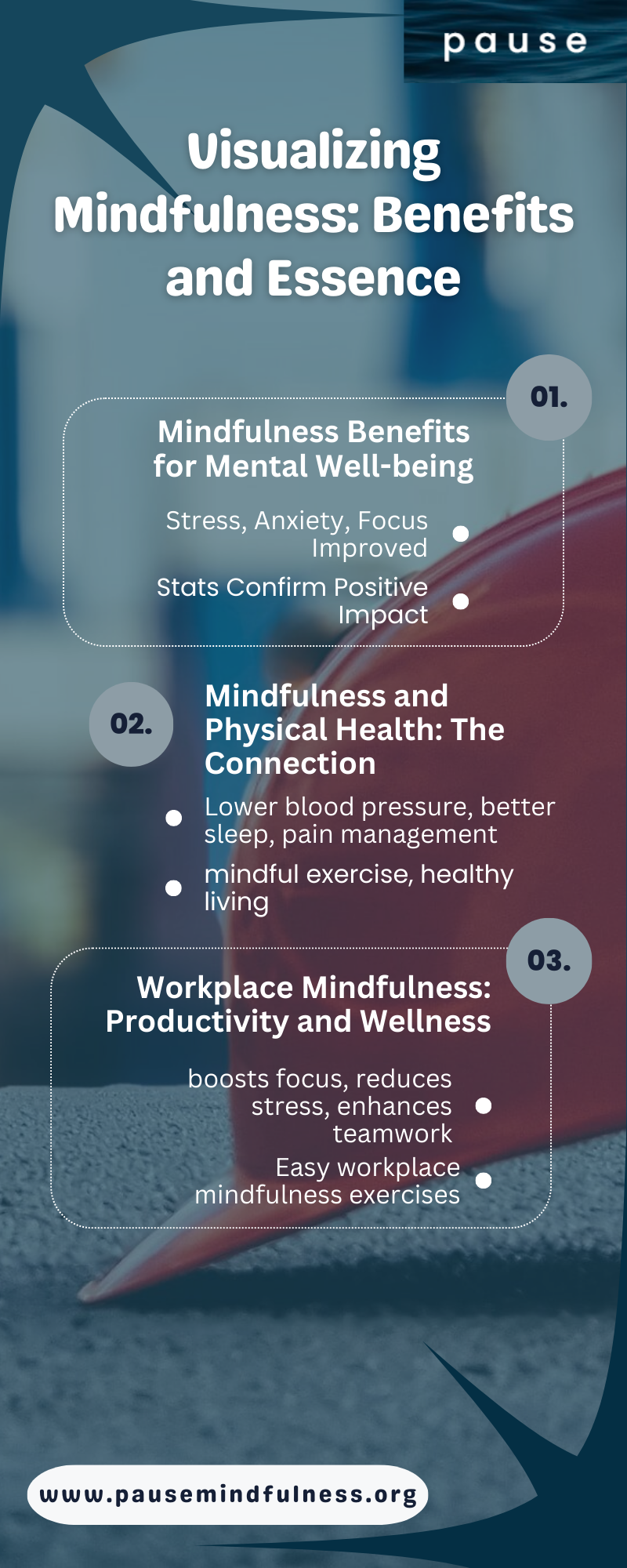
While mindfulness does have its benefits, not all claims are backed by science. Research shows that mindfulness can help reduce stress and improve focus, but the effects might not be as profound as some proponents suggest. The problem arises when businesses overpromise results, leading people to believe that mindfulness is a cure-all. It’s important for consumers to approach mindfulness with a critical eye, understanding that while it can be beneficial, it’s not a magic solution to all of life’s problems.
Mindfulness Apps: A Double-Edged Sword

Apps have made mindfulness more accessible than ever, allowing users to practice anywhere, anytime. However, not all apps are created equal. Some offer genuine guidance, while others are more about making money. They often have features locked behind paywalls, enticing users with free trials that quickly turn into costly subscriptions. It’s essential for consumers to research and choose apps wisely, ensuring they’re getting value for their money and not just falling for a marketing gimmick.
The Price of Mindfulness Retreats

Mindfulness retreats promise an immersive experience, often set in serene locations. But these retreats can come with a hefty price tag. For many, the cost is prohibitive, making mindfulness seem like an exclusive practice only available to those with means. This commercialization has led to criticism that mindfulness is becoming elitist, moving away from its humble origins. It’s crucial for potential attendees to evaluate whether the experience justifies the price, or if there are more affordable ways to practice mindfulness.
Mindfulness and Celebrity Endorsements

Celebrities endorsing mindfulness have added to its popularity, but they also contribute to its commercialization. When a famous person promotes a mindfulness product or practice, it often leads to a surge in interest and sales. While this can be beneficial in raising awareness, it also raises questions about authenticity. Are celebrities genuinely passionate about mindfulness, or are they simply capitalizing on a trend? Consumers should remain discerning, focusing on the practice itself rather than the celebrity behind it.
The Ethical Concerns of Mindfulness Marketing

Marketing mindfulness as a product raises ethical questions. Is it right to profit from a practice that was once freely accessible? Some argue that by putting a price on mindfulness, businesses are exploiting people’s desire for peace and well-being. There’s also concern about the authenticity of mindfulness products, with some companies prioritizing profit over genuine value. As with any industry, transparency and honesty are key, and consumers should be wary of products that seem too good to be true.
The Cultural Appropriation Debate

Mindfulness’s roots in Eastern traditions have sparked discussions about cultural appropriation. As it becomes westernized and commercialized, some people feel that the practice is being stripped of its cultural significance. It’s important to approach mindfulness with respect, acknowledging its origins and ensuring that it’s practiced in a way that’s true to its roots. This means being mindful not just in practice, but also in understanding the cultural context from which it originated.
Finding Genuine Mindfulness

Amidst the commercialization, it’s still possible to find genuine mindfulness practices. Many communities offer free or low-cost classes, and there are countless resources available online. The key is to approach mindfulness with an open mind and a critical eye, seeking out practices that resonate personally. At its core, mindfulness is about simplicity and presence, and these qualities can be found without spending a fortune. By focusing on the essence of mindfulness, individuals can reap its benefits without falling into the trap of commercialization.