

The Rise of Mindfulness in Modern Culture
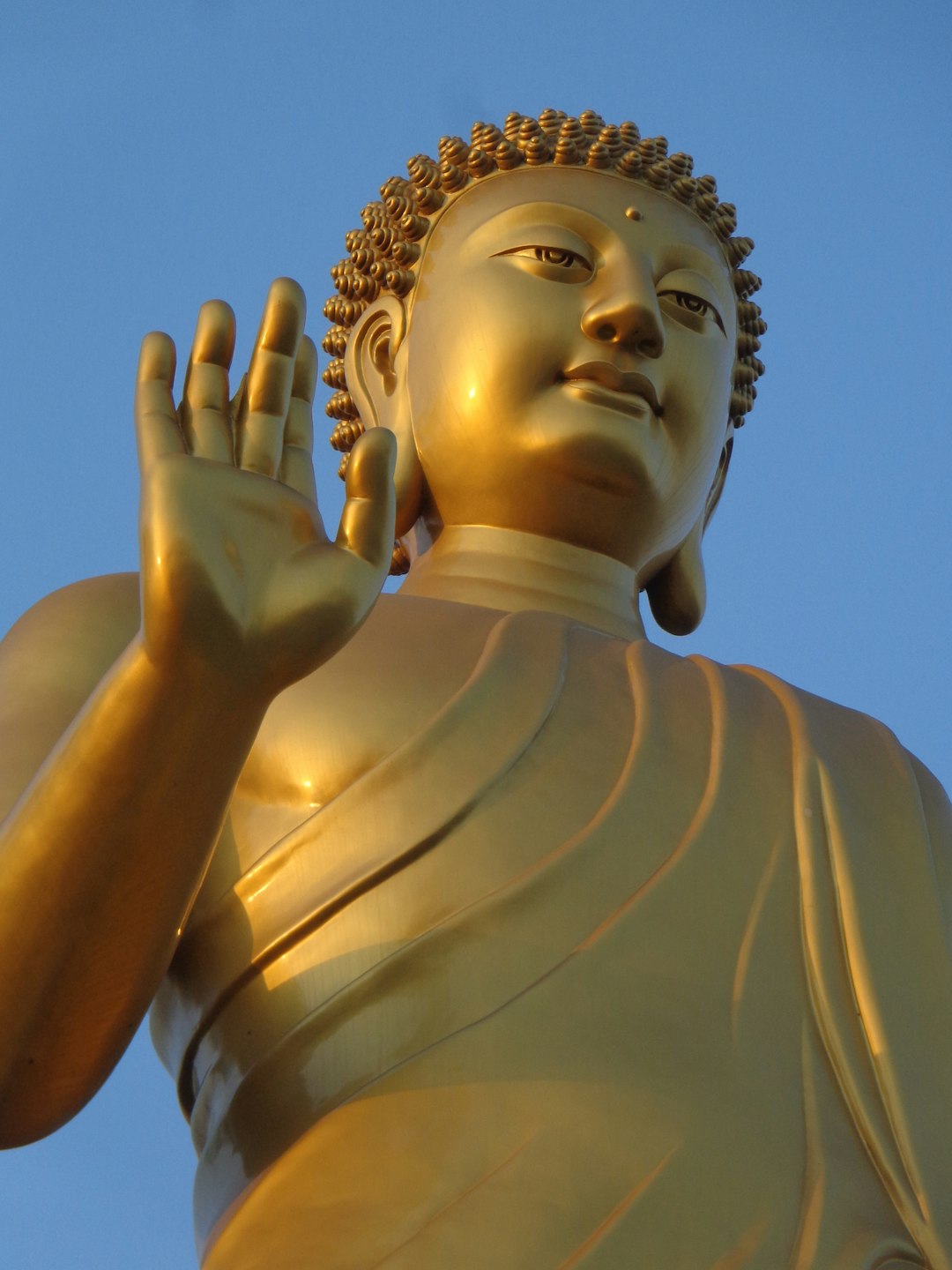
In recent years, the concept of mindfulness has surged in popularity, capturing the attention of people from all walks of life. Originally rooted in ancient Eastern philosophies and practices, mindfulness emphasizes living in the “present moment,” a state where one immerses themselves fully in their current experience. This idea has been embraced by many, from wellness enthusiasts to corporate leaders, as a way to reduce stress and increase productivity. However, as mindfulness has become more mainstream, its original depth and meaning have often been diluted, turning it into a marketing term. The rise of mindfulness in modern culture illustrates how powerful ideas can sometimes lose their essence when commodified.
Understanding the “Present Moment” Concept

The “present moment” is a simple yet profound concept. It encourages individuals to focus on the here and now, letting go of past regrets and future anxieties. This practice can lead to improved mental clarity and emotional well-being. For example, rather than worrying about an upcoming presentation at work, one might focus on their breath or the sensation of sitting in a chair. This shift in focus can help reduce stress and increase concentration. However, as the term gained popularity, its application has been stretched beyond its original intent, often being used as a catchphrase in marketing campaigns.
The Commercialization of Mindfulness
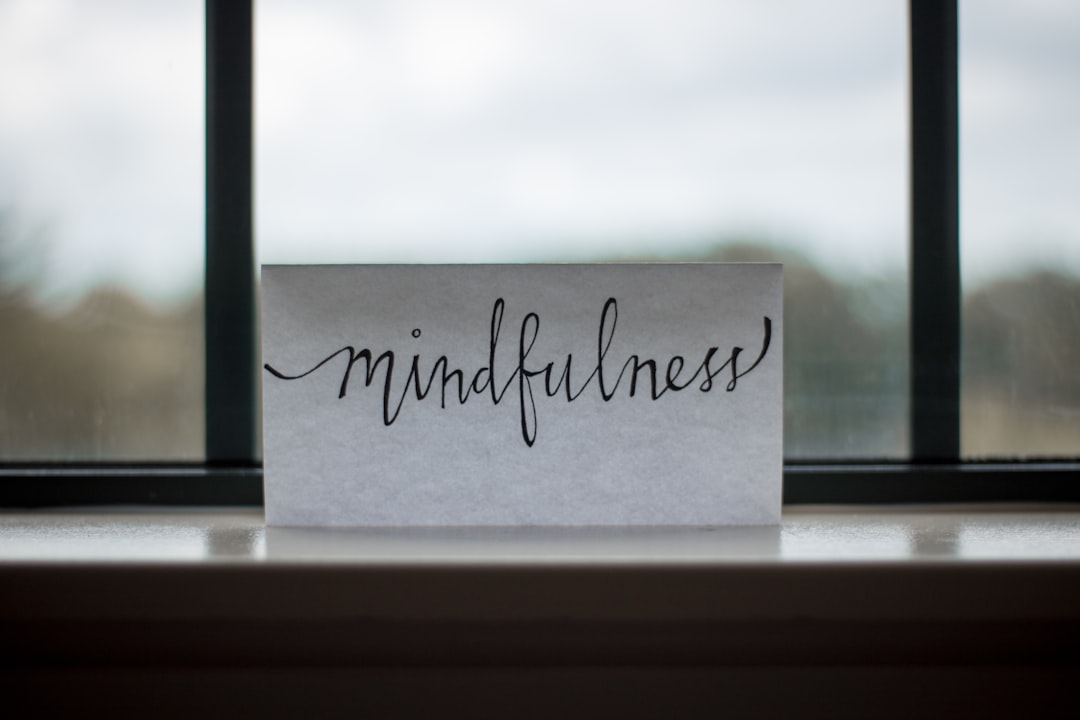
The commercialization of mindfulness is evident in the plethora of products and services now branded under the “present moment” umbrella. From meditation apps to scented candles, businesses have tapped into the mindfulness trend to appeal to consumers seeking peace and balance. While some of these offerings genuinely aim to enhance well-being, others merely use the term as a marketing gimmick. This commercialization can be seen as both a testament to the concept’s universal appeal and a cautionary tale about the dilution of meaningful ideas.
Impact on Consumer Behavior

The marketing of the “present moment” has significantly influenced consumer behavior. Many people are drawn to products that promise to help them live more mindfully, often without fully understanding the practice itself. This shift has led to a booming market for mindfulness-related goods, with companies capitalizing on the desire for personal growth and tranquility. Consumers, in their quest for fulfillment, may find themselves purchasing items that offer little more than a temporary sense of peace. It’s a complex dance between genuine self-improvement and consumerism.
The Role of Media and Advertising

Media and advertising have played a crucial role in transforming the “present moment” into a marketing term. Advertisements often depict serene individuals engaging with products that promise to bring mindfulness into their lives. This portrayal can create unrealistic expectations about what it means to live in the present. While these images are appealing, they can also lead to misconceptions about the practice, reducing it to a mere trend rather than a meaningful lifestyle choice. The media’s portrayal of mindfulness reflects broader societal shifts towards instant gratification and quick fixes.
The Reality Behind the Buzzword

Despite its commercialization, the core principles of the “present moment” remain valuable. True mindfulness involves consistent practice and a deep understanding of one’s thoughts and emotions. It requires more than purchasing a product or attending a single workshop. The reality is that achieving a mindful state is a lifelong journey, not a destination. By recognizing the difference between genuine mindfulness and its market-driven counterpart, individuals can make more informed choices about how they incorporate this practice into their lives.
How Brands Utilize the “Present Moment”

Brands leverage the “present moment” by associating their products with calmness and authenticity. They craft narratives that suggest using their products will lead to a more mindful and fulfilling life. This strategy can be effective, as consumers are increasingly seeking ways to disconnect from the hustle and bustle of modern life. By presenting their offerings as gateways to the present moment, brands tap into the desire for a more balanced and connected existence. However, this approach can sometimes overshadow the genuine effort required to achieve true mindfulness.
Challenges Faced by Authentic Practitioners

Authentic practitioners of mindfulness often face challenges due to the term’s commercialization. The proliferation of superficial products and services can make it difficult for individuals to discern what truly supports their practice. Authentic practitioners may feel frustrated by the trivialization of a concept that holds deep meaning for them. They strive to maintain the integrity of mindfulness amidst a sea of buzzwords and marketing ploys. This challenge highlights the need for education and awareness about the true nature of mindfulness and its benefits.
Reclaiming the Essence of Mindfulness

Reclaiming the essence of mindfulness involves returning to its roots and understanding its original intent. Mindfulness is about cultivating awareness and presence, not acquiring material possessions. It encourages individuals to engage with their surroundings and themselves in a meaningful way. By focusing on the true principles of mindfulness, individuals can experience its profound benefits. This journey requires patience, dedication, and a willingness to look beyond the surface of commercial offerings. It’s about embracing mindfulness as a way of life rather than a fleeting trend.
The Future of the “Present Moment”

The future of the “present moment” lies in finding a balance between its commercial appeal and its authentic practice. As more people become aware of the depth and potential of mindfulness, there is hope that the term will regain its true meaning. This shift requires a collective effort to prioritize genuine experiences over material goods. By fostering a deeper understanding of mindfulness, society can move towards a more mindful and connected future. The journey to reclaiming the “present moment” is not just about changing marketing strategies but about transforming how we live and experience life.