
You Feel Tired Even After a Full Night’s Sleep

If you wake up feeling exhausted, even after clocking in eight hours of sleep, your screen habits might be the culprit. According to a 2023 study published in the journal “Sleep Health,” people who use screens for more than four hours daily are 45% more likely to experience poor sleep quality. Blue light from screens messes with your natural sleep cycle, making deep rest difficult. You might find yourself tossing and turning, replaying social media posts or emails in your mind. This constant stimulation leads to what experts call “wired but tired” syndrome. Even when you’re physically in bed, your brain is still scrolling. Over time, this can snowball into chronic fatigue, making every day feel like a struggle before it even begins.
You Can’t Remember the Last Time You Felt Truly Bored

Boredom is a lost art in the digital age. If every spare minute is filled with TikTok, Instagram, or YouTube, you might be digitally overfed. A Pew Research Center survey in 2022 found that 85% of adults admit to turning to their phones the moment boredom strikes. This constant stimulation leaves no room for your mind to wander, dream, or rest. Creative ideas are born in those quiet, “boring” moments. When you scroll instead, your brain never gets a break. If you can’t remember the last time you sat in silence without a device, your mind could be begging for a digital detox.
Your Attention Span Has Shrunk Noticeably

If reading a couple of paragraphs without reaching for your phone feels impossible, you’re not alone. A Microsoft study in 2022 reported that the average human attention span has dropped from 12 seconds in 2000 to just 8 seconds today. That’s less than a goldfish! Multitasking with screens, like texting while watching TV, has trained our brains to expect constant novelty. This makes it hard to focus on one thing at a time. You may notice you forget details, miss appointments, or struggle to finish books or articles. If your focus is scattered, it’s a clear sign your brain needs a reset.
You Feel Anxious When You’re Away from Your Phone

Separation anxiety isn’t just for toddlers — it’s become common for adults with their devices. A 2023 study in “Computers in Human Behavior” found that 53% of people feel anxious or panicked when they can’t check their phones. This phenomenon, dubbed “nomophobia,” leads to compulsive checking, even in situations where it’s inappropriate or dangerous. You might feel your heart race or palms sweat when you leave your phone at home. This anxiety is your mind’s way of signaling that your relationship with technology might be unhealthy.
Social Media Leaves You Feeling Worse, Not Better
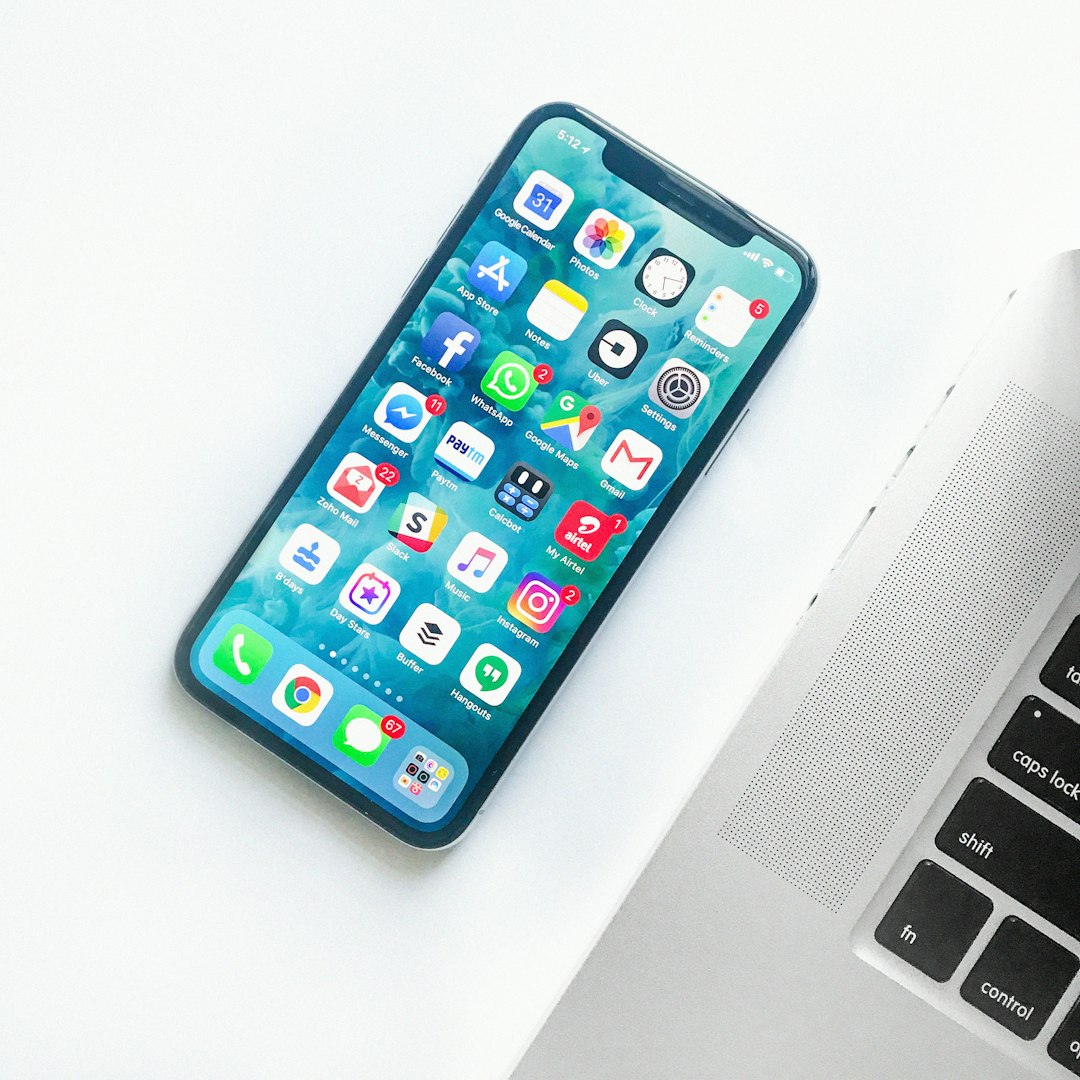
If you notice feeling sad, anxious, or inadequate after scrolling through social media, you’re not alone. The Royal Society for Public Health in the UK found in 2022 that 70% of young adults report worse mental health after using platforms like Instagram and Facebook. Social comparison, cyberbullying, or simply seeing curated “perfect” lives can chip away at your self-esteem. Instead of feeling connected, you feel left out or not good enough. When your mood takes a dive after screen time, it’s a strong sign your mind needs a break from digital input.
Notifications Constantly Interrupt Your Day

The average smartphone user gets between 46 and 85 notifications per day, according to a 2023 report by Statista. Every ding, buzz, or banner pulls your focus away from what you’re doing. This constant interruption fragments your attention and can double or triple the time it takes to complete tasks. Over time, it creates a feeling of being overwhelmed, like you’re always “on call.” If you find it hard to finish a conversation, meal, or work assignment without checking a notification, your mind is overloaded.
You Multitask Even During Leisure Time

Leisure should be relaxing, but if you’re watching TV while scrolling your phone or checking emails at the park, you’re not really unwinding. The American Psychological Association published research in 2023 showing that multitasking with digital devices increases stress and decreases enjoyment. Your brain never gets the chance to truly relax, and you may end up feeling more frazzled after your downtime. If the idea of doing just one thing at a time feels foreign or uncomfortable, it’s a red flag that your mind needs a pause from screens.
You Experience Frequent Headaches or Eye Strain
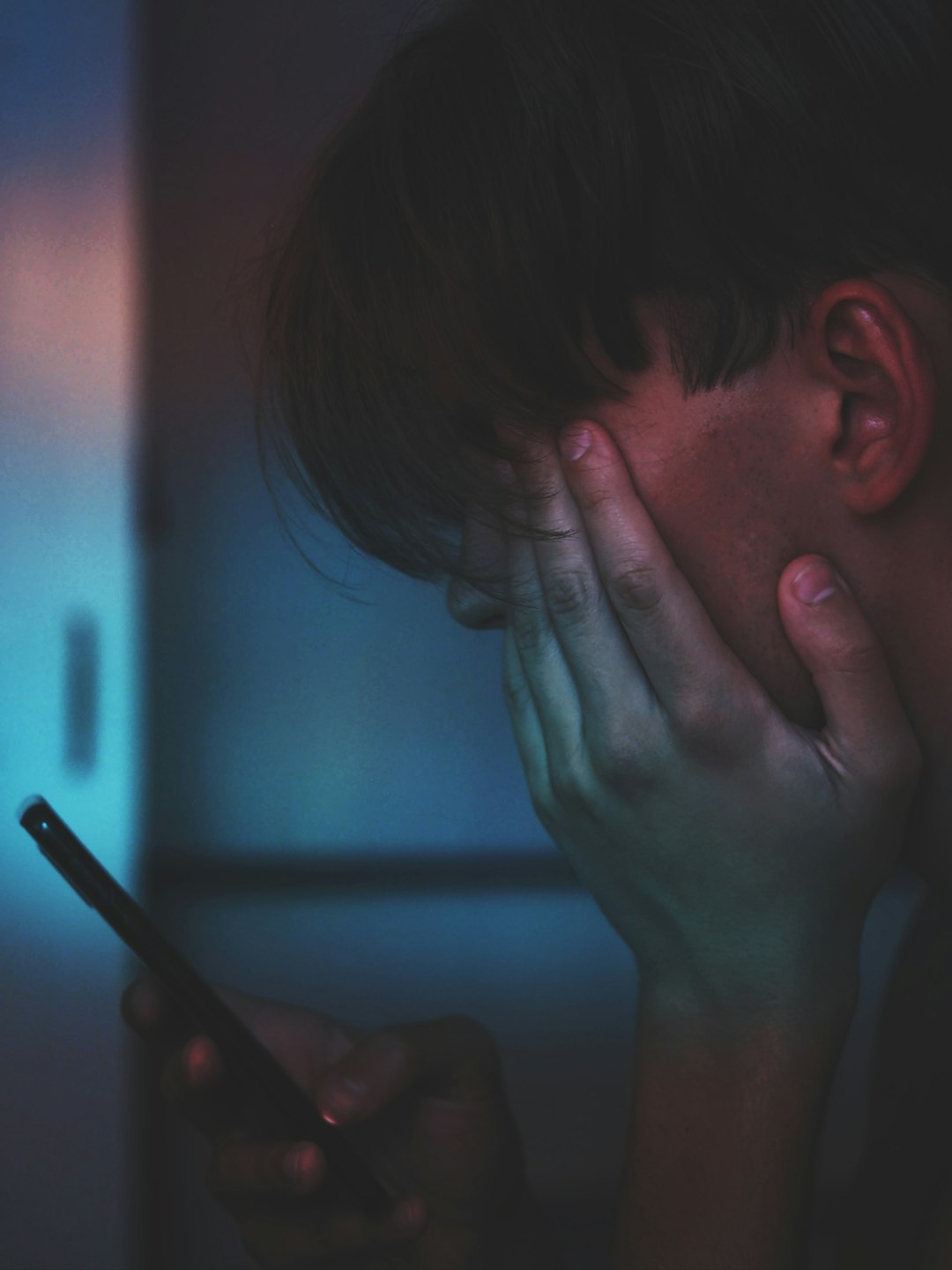
Staring at screens for hours can lead to “digital eye strain,” a condition affecting more than 60% of adults, according to the Vision Council. Symptoms include headaches, dry eyes, and blurry vision. If you notice your eyes burning or your head throbbing after a long workday or binge-watching session, your body is telling you it’s time to unplug. Over time, this strain can even lead to problems with sleep and concentration. Listening to these physical cues is key in recognizing when enough is enough.
Your Relationships Suffer from Screen Distraction

If your friends or family complain that you’re “always on your phone,” it might be time to take their words seriously. A 2022 study in the Journal of Social and Personal Relationships found that “phubbing” (phone snubbing) leads to lower relationship satisfaction and increased conflict. When screens replace face-to-face connection, feelings of loneliness and misunderstanding grow. You might miss important moments or fail to listen fully, damaging your closest bonds. If this sounds familiar, a digital detox could help you reconnect.
You Struggle to Relax Without a Screen

Many people find it nearly impossible to unwind without a device in hand. If you feel restless, agitated, or even bored when you try to relax without your phone or laptop, your mind may be overstimulated. A study in “Addictive Behaviors” in 2023 revealed that 58% of adults use screens as their primary way to relax, but this habit actually increases anxiety over time. Real relaxation comes from disconnecting, even if just for a short while. If you can’t remember how to enjoy downtime without technology, your mind is begging for a break.
Screen Time Eats Up Your Free Hours

Tracking app data can be shocking: the average adult spends over 7 hours a day looking at screens, according to DataReportal’s 2023 global overview. That’s nearly half of your waking life! If you often lose track of time while scrolling, gaming, or watching videos, you’re not alone. Many people feel regret or guilt after realizing how much time has slipped by. This loss of time can crowd out hobbies, exercise, or simply being present. If you wish you had more hours in the day, a digital detox could free up precious time.
You’re Forgetting Important Things More Often

Memory lapses are becoming more common in our high-tech world. A 2023 report from the University of California, Irvine, found that digital overload leads to “information fatigue,” making it harder to recall details or remember appointments. When your brain is processing constant streams of information, it has less space to store what matters. You might forget where you put your keys, miss deadlines, or repeat stories to friends. If your memory feels foggy, it could be a sign that your mental hard drive is full and needs a reset.