
The Rise of Digital Wellness Apps

In recent years, digital wellness apps have emerged as lifesavers for people seeking peace and relaxation amidst their busy lives. From meditation guides to sleep trackers, these apps promise serenity with just a few taps. The allure of these tools lies in their convenience—being able to access a moment of calm anytime, anywhere. However, the digital realm isn’t always as peaceful as it seems. The very tool designed to alleviate stress can sometimes become a source of anxiety itself. This paradox highlights a growing concern: Are we really relaxing, or are we just shifting our stress online?
Understanding Digital Dependency

Digital dependency is a reality that many individuals face today. It is the condition where people feel an overwhelming need to use digital devices and applications. This dependency can often lead to increased anxiety and reduced focus, resulting in the exact opposite of what wellness apps are intended to achieve. The constant notifications, the pressure to track every moment of your relaxation, and the competition with oneself to improve can turn a wellness app into a stress inducer. It’s a classic case of technology becoming too much of a good thing.
The Illusion of Control

One of the main attractions of wellness apps is the sense of control they offer users over their mental state. However, this control is often an illusion. Many users find themselves becoming anxious if they miss a day of meditation or fail to meet their app’s suggested relaxation goals. This creates a cycle where the app, instead of being a tool for relaxation, becomes another task on an already long to-do list. The supposed freedom and control can morph into a new form of stress.
The Impact on Mental Health
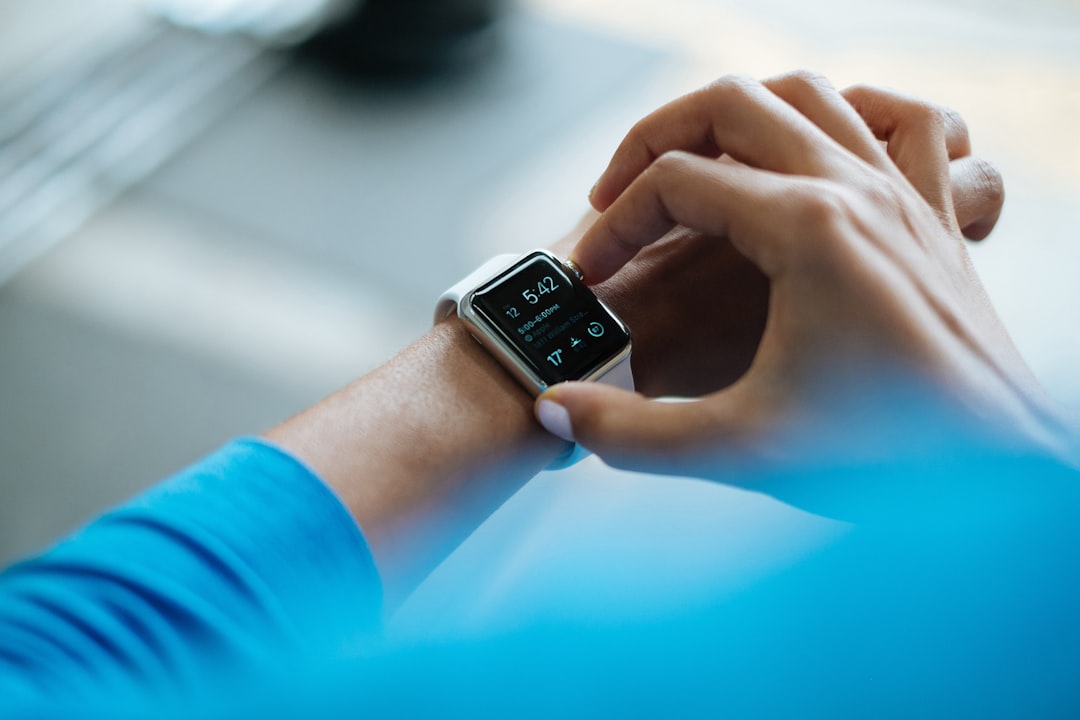
Digital wellness apps are designed to improve mental health, yet ironically, they can sometimes exacerbate mental health issues. Studies have shown that excessive screen time and reliance on digital tools can lead to heightened anxiety and depression. When users start to rely heavily on these apps to manage their stress, they may inadvertently increase their anxiety levels. It’s like trying to douse a fire with gasoline—the tools meant to calm you may, in fact, be fueling your stress.
Notifications and the Stress Trigger

Notifications are a double-edged sword. They serve as reminders to take a break and relax, yet they can also be stress triggers. Each ping can interrupt your day, pulling you into a cycle of checking and rechecking your phone. For some, the constant barrage of notifications can become overwhelming, leading to a sense of being perpetually on edge. It’s a clear example of how technology meant to help us can sometimes hinder us instead.
The Pressure to Perform

Wellness apps often come with trackers and progress reports, which can be both a boon and a bane. While these features are intended to motivate, they can also create pressure to perform. Users might feel compelled to achieve certain milestones or compare their progress with others. This competitive element can transform relaxation into a race, where the focus shifts from personal well-being to meeting digital goals. It’s akin to turning a leisurely walk into a sprint.
Overcoming Digital Stress

To truly benefit from wellness apps, it’s crucial to set boundaries and use these tools mindfully. Users should recognize when an app is becoming more of a burden than a help. Limiting notifications, setting specific times for app use, and integrating offline relaxation techniques can help mitigate digital stress. It’s essential to remember that while these apps can be helpful, they are only a supplement to other forms of relaxation and should not replace genuine self-care practices.
Balancing Technology with Reality

Balancing the use of technology with real-life interactions is vital. Spending time outdoors, engaging in physical activities, and having face-to-face conversations can offer a much-needed respite from digital overload. It’s about finding a harmony between the digital and the physical, ensuring that technology enhances rather than detracts from our well-being. A balanced approach can make wellness apps a beneficial part of a broader self-care routine.
Rethinking Our Relationship with Technology

As we rely more on technology, it becomes crucial to rethink our relationship with it. Instead of allowing apps to dictate our relaxation, we should use them as tools to enhance our well-being. By taking control and being mindful of our usage, we can ensure that technology serves us, rather than enslaves us. It’s about being the master of your digital realm, not the other way around.
The Future of Digital Wellness

The future of digital wellness lies in creating apps that truly cater to individual needs without adding stress. Developers are now focusing on creating more personalized experiences that adapt to the user’s lifestyle and preferences. As technology continues to evolve, there is hope that these tools will become more intuitive and less intrusive. The key is to ensure that digital wellness remains a support system, not a stressor.
In conclusion, while digital wellness apps have the potential to offer peace and relaxation, they can also inadvertently contribute to stress if not used mindfully. By understanding digital dependency and setting boundaries, we can harness technology to enhance our mental well-being, rather than detract from it.