
Have you ever felt like improving your mental health requires massive lifestyle changes? Think again. Tiny, consistent habits can create profound shifts in your emotional well-being. Research shows that small daily actions rewire your brain, reduce stress, and boost happiness. Here are nine science-backed micro-habits that make a big difference.
1. Start Your Day with Gratitude

Taking just two minutes each morning to list three things you’re grateful for can rewire your brain for positivity. Studies reveal that gratitude practices increase serotonin production, the “feel-good” chemical. It shifts focus from what’s lacking to what’s already working in your life. Try writing them down or saying them aloud while brushing your teeth. Over time, this habit trains your mind to spot positive patterns automatically. People who practice gratitude report 25% higher happiness levels according to psychology research. It’s like installing a happiness filter on your daily experiences.
2. Breathe Like a Navy SEAL
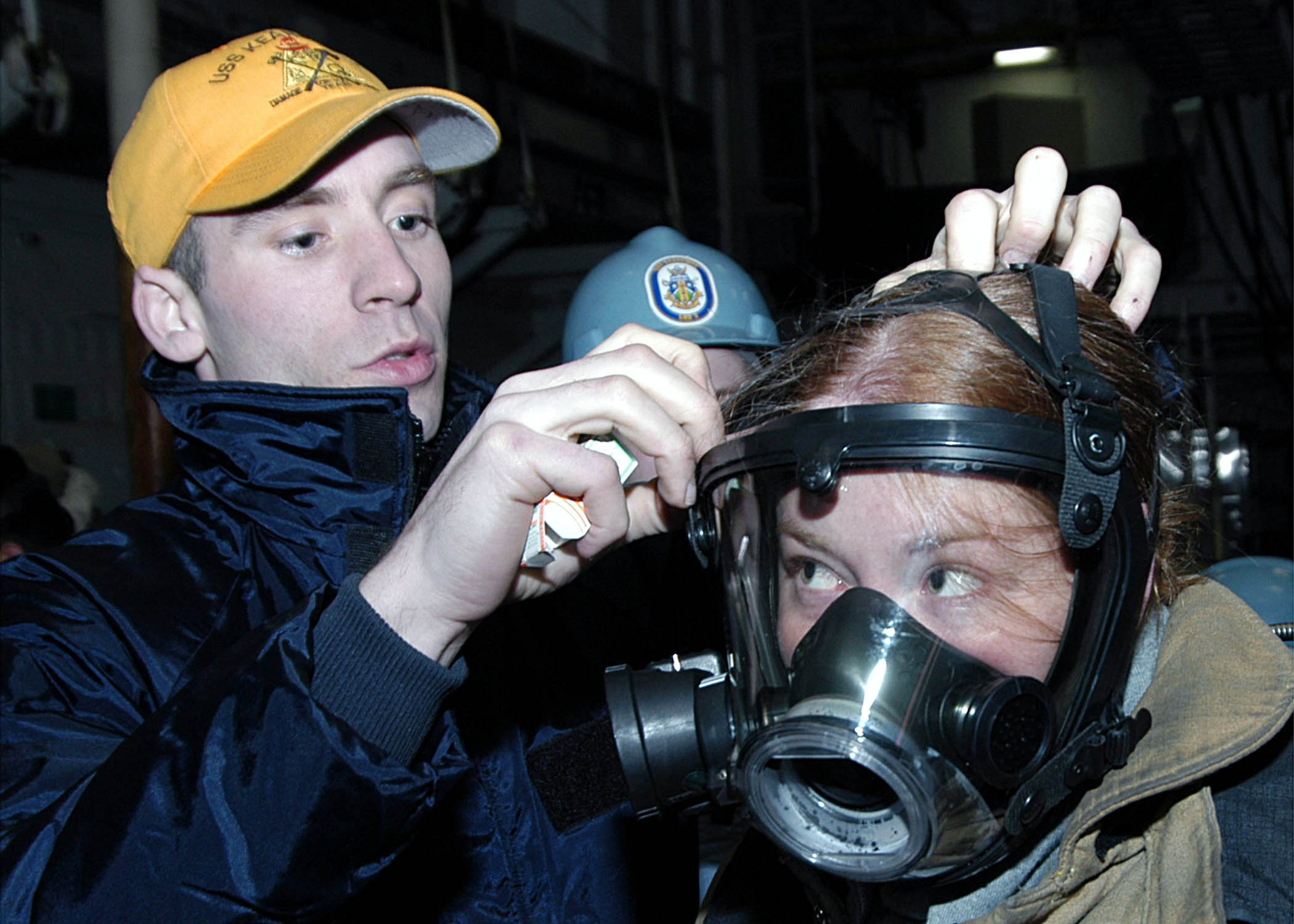
Navy SEALs use box breathing (4 seconds in, 4 hold, 4 out, 4 hold) to stay calm under pressure. Neuroscience shows this technique activates the parasympathetic nervous system within 90 seconds. It lowers cortisol levels by up to 50% during stressful situations. Practice it during traffic lights or before important meetings. This micro-habit gives you an instant reset button for anxiety. Research from Harvard Medical School confirms regular breathing exercises shrink the amygdala, the brain’s fear center. You’ll develop emotional resilience one breath at a time.
3. Take a 10-Minute Nature Break

Japanese researchers found that forest bathing (shinrin-yoku) reduces stress hormones by 16% in just 15 minutes. Even urban parks or backyard green spaces work. Leave your phone behind and engage all five senses – notice colors, smells, textures. This habit boosts cognitive function by 20% according to University of Michigan studies. Nature acts like a natural antidepressant, increasing alpha brain waves associated with calm focus. Make it a daily ritual, even if it’s just watching birds from your window with morning coffee.
4. Hydrate Before Caffeinating

Your brain is 75% water, and dehydration causes immediate mood dips. A London study showed that drinking 500ml of water upon waking improves cognitive performance by 14%. Try keeping a glass by your bed and hydrating before coffee. Mild dehydration increases cortisol production by 30%, triggering anxiety. This simple swap prevents the afternoon energy crashes many mistake for burnout. Your neurons literally fire faster when properly hydrated – think of it as mental WD-40.
5. Do a Digital Sunset

Blue light from screens suppresses melatonin by 50%, disrupting sleep cycles. Try turning off all screens 60 minutes before bed – researchers call this a “digital sunset.” Replace with reading, journaling, or gentle stretching. A National Sleep Foundation study found this habit improves sleep quality by 72%. Poor sleep is directly linked to depression and anxiety disorders. Protect your final waking hour like it’s sacred mental health real estate. Your future well-rested self will thank you.
6. Move for 5 Minutes Every Hour

Sitting for prolonged periods increases depression risk by 25% according to Australian longitudinal studies. Set hourly reminders to stretch, walk, or dance to one song. Micro-movements boost BDNF (brain-derived neurotrophic factor), your brain’s fertilizer. Office workers who adopt this habit report 40% lower stress levels. It’s not about exercise – it’s about breaking stagnation. Think of it as hitting the refresh button on your nervous system throughout the day.
7. Practice the 5-Second Rule

Motivational speaker Mel Robbins’ technique stops overthinking: when you have an impulse to act positively, count 5-4-3-2-1 and move. This interrupts the brain’s resistance patterns. Neuroscience shows action precedes motivation, not vice versa. Use it for small wins – sending that email, initiating conversation, or choosing healthy food. A Yale study found people using this technique had 300% more follow-through on goals. It’s the mental equivalent of ripping off a Band-Aid before doubt sets in.
8. End Your Day with Completion

Write down three small things you accomplished each evening, no matter how minor. UCLA research shows this habit reduces next-day anxiety by 38%. Your brain craves closure – unfinished tasks create mental “open loops” that drain energy. Even noting “made my bed” or “called Mom” signals productivity to your subconscious. Over time, this builds evidence of your competence against imposter syndrome. Think of it as giving your mind a completion high five before sleep.
9. Hug Someone for 20 Seconds

Oxytocin, the “love hormone,” releases after 20 seconds of hugging. University of North Carolina studies show this reduces blood pressure and stress hormones immediately. Aim for one meaningful hug daily – pets count too! Physical touch is a primal need often neglected in our digital age. This micro-habit strengthens relationships while lowering inflammation markers linked to depression. It’s quite literally heart-opening medicine with no side effects.