Binge-Watching Your Way to Mental Exhaustion

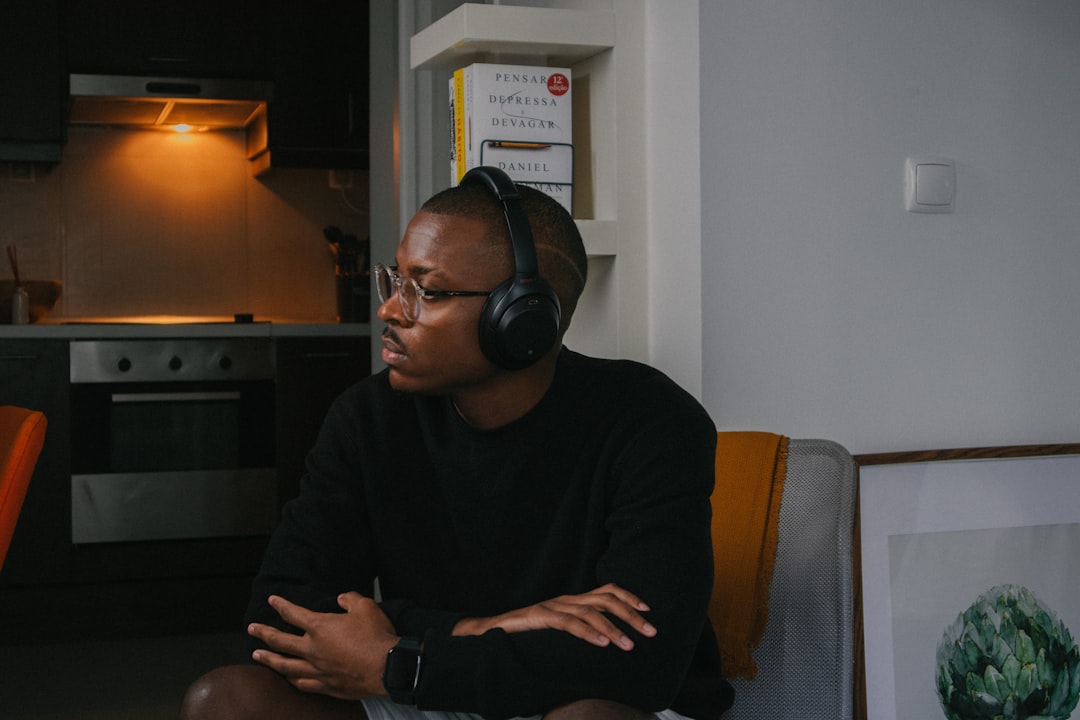
That Netflix marathon you’re planning might be doing more harm than good. Research published in the Journal of Behavioral Addictions in 2024 found that binge-watching three or more episodes in a row significantly increases cortisol levels and disrupts sleep patterns for up to 48 hours afterward. The constant stimulation from screens floods your brain with dopamine, creating a cycle where you need more content to feel satisfied. Your brain interprets this overstimulation as stress, even though you’re technically “relaxing.” The blue light exposure also suppresses melatonin production, making it harder to wind down naturally. Instead of feeling refreshed after your show, you end up more anxious and restless than before.
Social Media Scrolling as Stress Relief
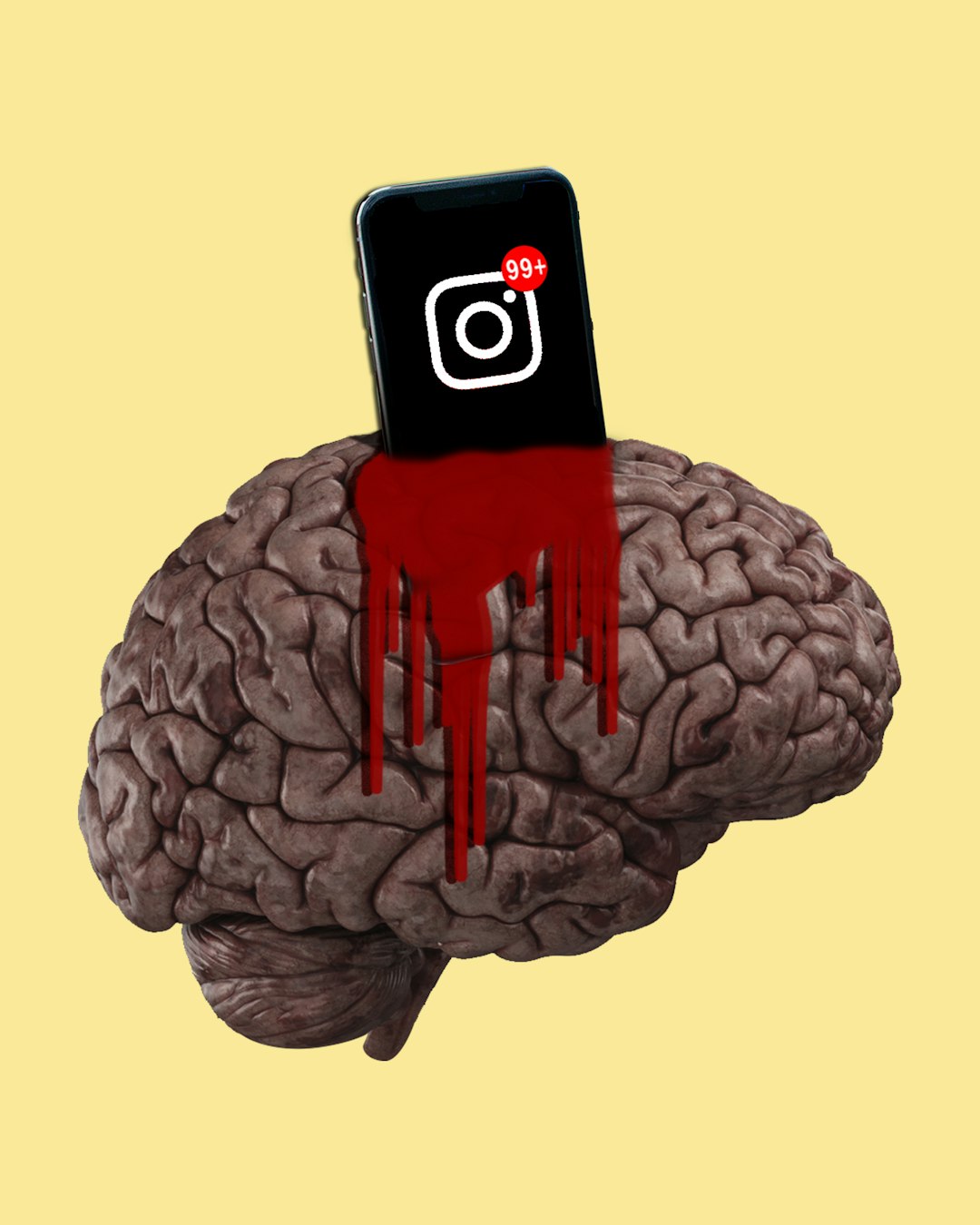
Opening Instagram or TikTok to “decompress” actually triggers your fight-or-flight response multiple times per minute. A 2023 study from the University of Pennsylvania revealed that each time you see a post, your brain processes it as a potential threat or opportunity, causing micro-spikes in stress hormones. The constant comparison with others’ highlight reels activates the same neural pathways as social rejection, flooding your system with cortisol. Your thumb might be moving lazily, but your nervous system is running a marathon. Even “mindless” scrolling requires significant cognitive resources, leaving you more mentally drained than when you started. The algorithmic nature of these platforms is designed to keep you engaged through intermittent reinforcement, which is the same mechanism that makes gambling addictive.
Weekend Warrior Exercise Overload
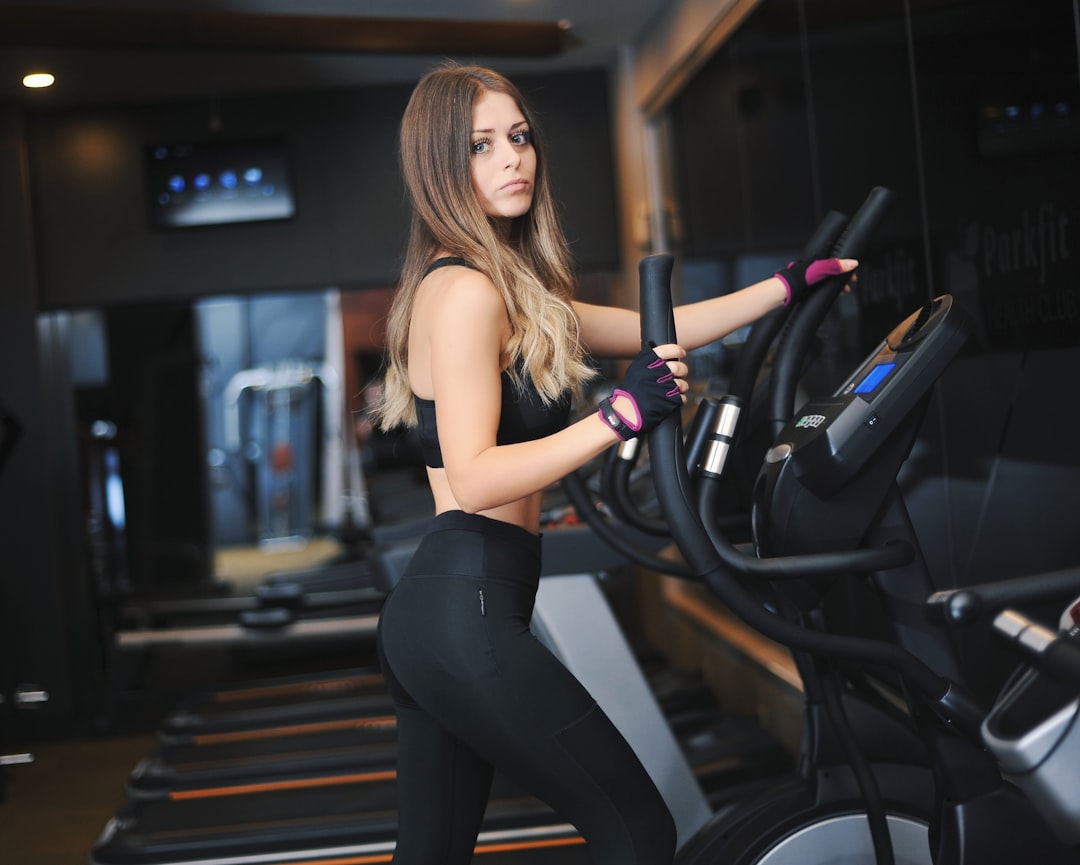
Cramming all your weekly exercise into Saturday and Sunday might seem efficient, but it’s a recipe for chronic stress. Research from the American College of Sports Medicine shows that irregular, intense exercise patterns can elevate cortisol levels for up to 72 hours post-workout. Your body doesn’t distinguish between the stress of a challenging workout and other forms of physical stress – it just knows it’s under pressure. When you go from sedentary weekdays to high-intensity weekends, you’re essentially yo-yo dieting with exercise. This pattern can lead to increased inflammation markers and disrupted sleep cycles. The recovery time needed from weekend warrior workouts often extends into the following week, leaving you feeling sluggish when you’re supposed to be productive.
Retail Therapy That Empties Your Soul

Shopping for a mood boost creates a temporary high followed by a stress crash that can last for days. A 2024 study published in Psychological Science found that retail therapy activates the brain’s reward center for only 10-15 minutes, but the associated guilt and financial stress can persist for weeks. The act of spending money you don’t have triggers the same stress response as physical danger, flooding your system with adrenaline and cortisol. Your brain becomes addicted to the brief dopamine hit of purchasing, requiring increasingly expensive items to achieve the same effect. The clutter that accumulates from emotional shopping creates visual stress in your living space, which studies show increases cortisol production by up to 23%. Most people report feeling more anxious about their finances within 24 hours of a shopping spree than they did before the purchase.
Perfectionist Self-Care Routines

Turning self-care into another item on your perfectionist checklist defeats the entire purpose. Research from Stanford University in 2023 showed that people who approach wellness with rigid, all-or-nothing thinking experience higher stress levels than those who don’t practice self-care at all. When your meditation app becomes a source of guilt or your skincare routine feels like work, you’ve crossed from care into stress territory. The pressure to maintain Instagram-worthy morning routines or follow influencer wellness protocols can trigger anxiety about not doing enough for yourself. Your nervous system can’t distinguish between the stress of meeting work deadlines and the stress of meeting self-imposed wellness standards. The irony is that the more elaborate your self-care routine becomes, the more it resembles the productivity culture you’re trying to escape from.
Comfort Food Emotional Rollercoaster

That pint of ice cream or bag of chips might soothe you temporarily, but it’s setting you up for a stress spiral. Studies from Harvard Medical School in 2024 demonstrate that high-sugar, high-fat comfort foods trigger inflammatory responses that can last 6-8 hours after consumption. Your blood sugar spikes and crashes, creating a physiological stress response that mimics anxiety. The gut-brain connection means that processed comfort foods actually increase production of stress hormones through your digestive system. Within 2-3 hours of eating emotionally, most people report feeling more anxious and physically uncomfortable than they did initially. The guilt and physical discomfort from comfort eating often creates more emotional distress than whatever triggered the eating in the first place.
Multitasking Under the Guise of Productivity

Believing that juggling multiple tasks makes you more efficient is one of the biggest stress-inducing myths of modern life. Neuroscience research from MIT published in 2023 shows that multitasking increases cortisol and adrenaline production by up to 50% compared to focused, single-task work. Your brain doesn’t actually multitask – it rapidly switches between activities, creating cognitive residue that accumulates throughout the day. Each task switch requires mental energy and creates a brief stress response as your brain reorients itself. People who regularly multitask show increased activity in the brain’s stress centers even during rest periods. The constant context switching exhausts your prefrontal cortex, making simple decisions feel overwhelming by the end of the day.
Venting Sessions That Amplify Problems

Constantly talking about your problems with friends might feel cathartic, but research suggests it often makes stress worse. A 2024 study from UCLA found that repetitive venting without problem-solving increases cortisol levels in both the speaker and the listener. When you rehash the same stressful situations repeatedly, you’re essentially practicing anxiety, strengthening the neural pathways associated with those negative emotions. Your brain begins to default to stress responses even when thinking about minor issues. Co-rumination, as psychologists call it, can create a feedback loop where friends amplify each other’s stress levels. While social support is crucial, dwelling on problems without seeking solutions keeps your nervous system in a perpetual state of activation.
Sleep Procrastination Disguised as Me-Time

Staying up late to finally have some personal time feels like self-care, but it’s actually a form of self-sabotage. Research from the Sleep Foundation shows that revenge bedtime procrastination – delaying sleep to reclaim personal time – increases stress hormones and reduces cognitive function for up to three days. Your circadian rhythm interprets late-night screen time and activities as signals to stay alert, making it harder to fall asleep even when you finally try. The sleep debt you accumulate compounds daily, creating a cycle where you feel more stressed and less capable of handling daily challenges. Your body produces more cortisol when sleep-deprived, making everything feel more overwhelming than it actually is. That extra hour of “me time” often costs you several hours of productivity and emotional regulation the following day.
Caffeine as Liquid Stress Relief
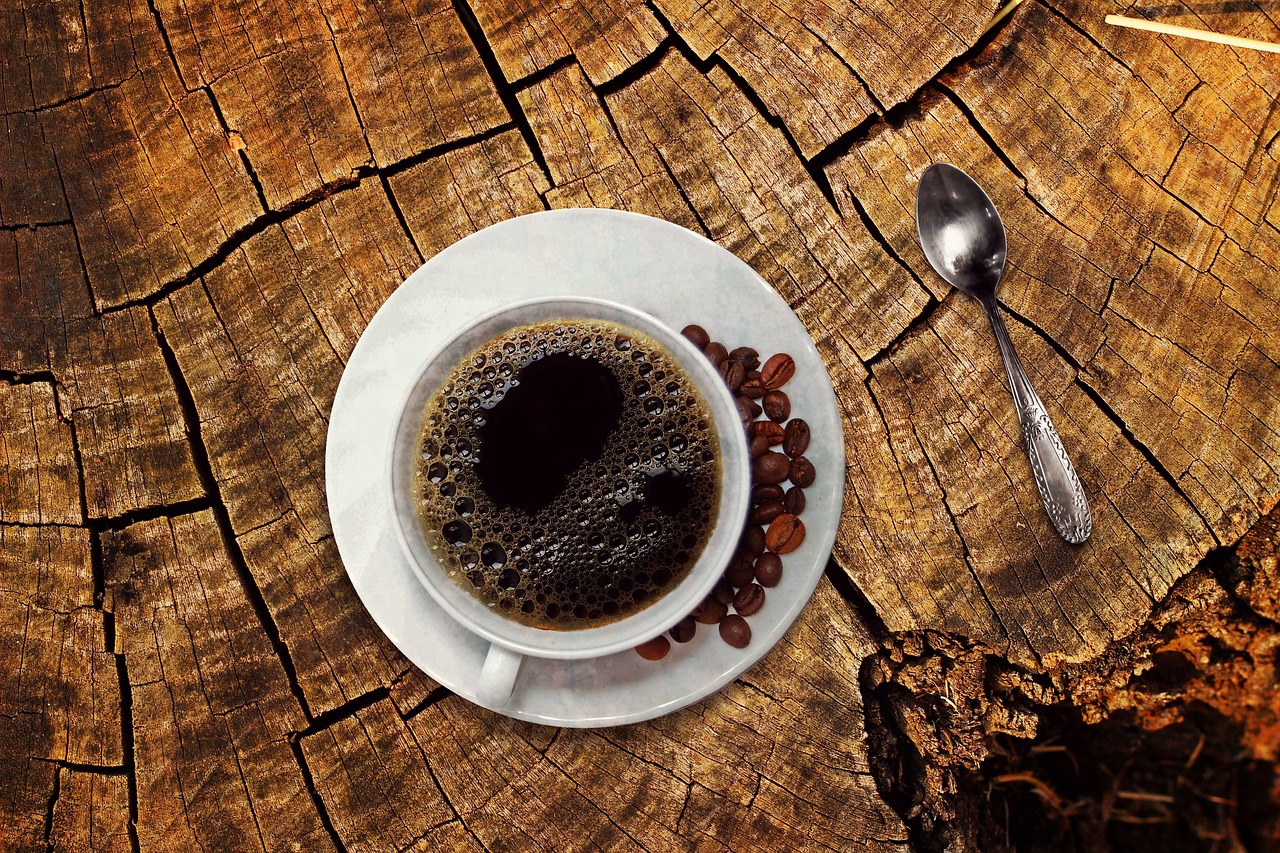
Reaching for another cup of coffee when you’re feeling overwhelmed is like adding fuel to a fire. Studies from Johns Hopkins in 2023 reveal that caffeine consumption during stress responses can increase cortisol levels by up to 200% compared to caffeine consumed during calm states. Your adrenal glands can’t distinguish between the stimulation from caffeine and actual threats, so they respond by pumping out more stress hormones. Regular caffeine consumption during stressful periods can lead to adrenal fatigue, where your body becomes less capable of managing stress naturally. The temporary energy boost from caffeine often masks underlying fatigue, preventing you from addressing the root causes of your exhaustion. Many people find themselves in a cycle where they need caffeine to function, but the caffeine itself is contributing to their anxiety and sleep problems.
People-Pleasing as Emotional Regulation
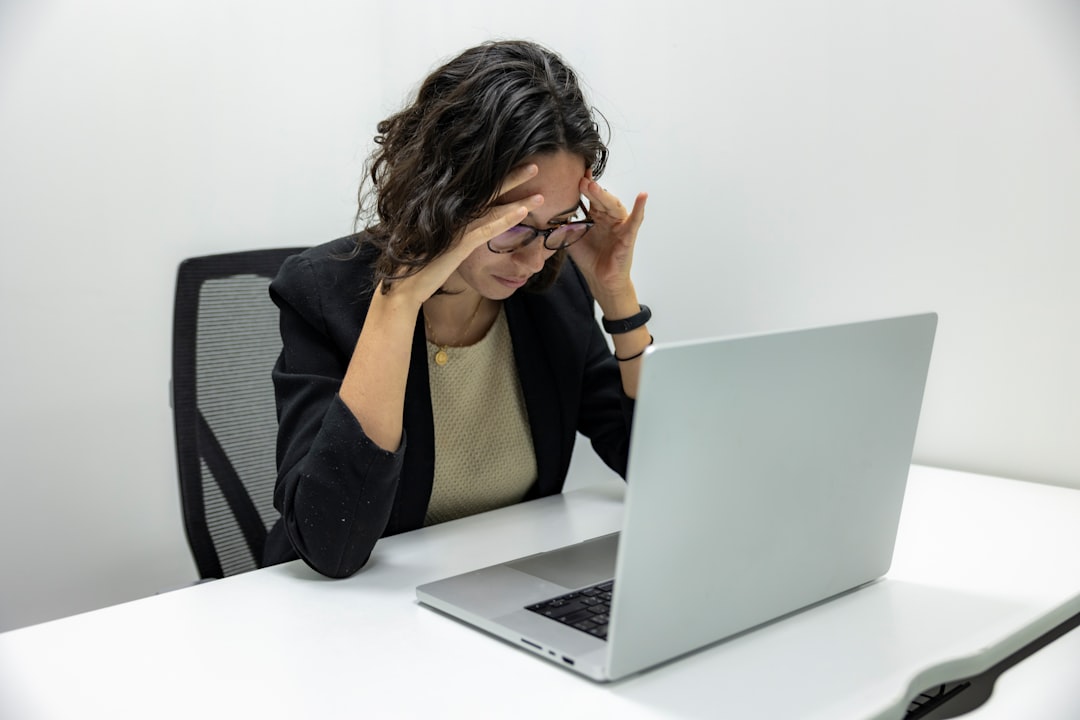
Saying yes to everything and everyone might temporarily avoid conflict, but it creates chronic internal stress that’s far worse than any external disagreement. Research published in the Journal of Personality and Social Psychology in 2024 found that people-pleasers show consistently elevated cortisol levels and increased inflammation markers compared to those who set clear boundaries. When you constantly suppress your own needs to accommodate others, your nervous system remains in a state of hypervigilance, always scanning for potential disapproval. The cognitive load of managing everyone else’s emotions while ignoring your own creates a form of chronic stress that’s particularly damaging because it feels “normal.” Your brain interprets this constant self-denial as a threat to your well-being, triggering stress responses even during seemingly pleasant social interactions. The exhaustion that follows people-pleasing episodes often requires days of recovery time that most people don’t recognize or honor.
Weekend Recovery That Never Comes

Banking on weekends to recover from weekday stress creates a boom-bust cycle that actually increases overall stress levels. A 2023 study from the American Psychological Association found that people who rely on weekends for recovery show higher baseline stress levels on Monday mornings than those who practice daily stress management. Your nervous system doesn’t reset like a computer – it needs consistent care throughout the week to maintain balance. The anticipation of weekend relief can actually make weekday stress feel more intense, as you’re essentially white-knuckling through five days waiting for two days of reprieve. When weekends become packed with chores, social obligations, and attempts to cram in all the self-care you missed during the week, they become another source of pressure rather than relief. The Sunday scaries exist precisely because this recovery model doesn’t actually work – you’re not truly recovering, just postponing the inevitable return to stress.
Mindfulness Apps as Digital Overwhelm

Ironically, meditation and mindfulness apps can become another source of digital overwhelm rather than genuine peace. Research from Carnegie Mellon University in 2024 shows that people who use multiple wellness apps report higher anxiety levels than those who practice single, consistent mindfulness techniques. The constant notifications, streak counters, and achievement badges transform meditation into a gamified experience that activates your competitive stress responses. Your phone buzzing with reminders to “be present” creates the opposite of mindfulness, pulling you away from whatever you’re naturally engaged in. The pressure to maintain daily streaks or achieve certain metrics turns inner peace into another performance metric. Many people report feeling guilty or anxious when they miss app-guided sessions, which completely defeats the purpose of stress reduction practices.
Conclusion: When Relief Becomes the Problem

The most insidious aspect of these stress-inducing “solutions” is how natural and beneficial they feel in the moment. Your brain is wired to seek immediate relief from discomfort, but modern life has created a landscape where many quick fixes actually compound long-term stress. The key isn’t to eliminate all these behaviors entirely, but to recognize when your coping mechanisms have become part of the problem. True stress relief often requires doing less, not more – sitting with discomfort instead of immediately trying to fix it, choosing one focus instead of splitting your attention, and accepting that genuine wellness doesn’t look like a perfectly curated Instagram feed. What would happen if you picked just one of these stress-inducing habits and replaced it with doing absolutely nothing instead?