

The Ubiquity of Smartphones
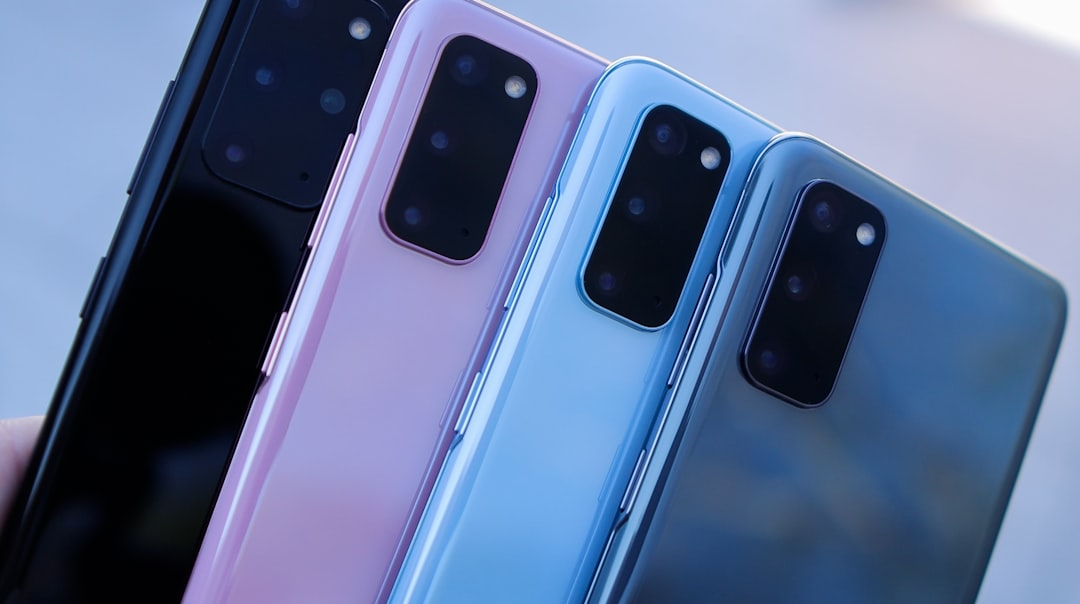
Smartphones are everywhere, with over 3.8 billion users globally as of 2021, as reported by Statista. This number is projected to grow to 4.3 billion by 2023. These devices have become essential in our everyday lives, transcending their original purpose of communication. They now serve as personal assistants, entertainment centers, and information hubs. The convenience they provide is unmatched, making them indispensable for many people. Users often rely on their smartphones for guidance in various areas of life, from work to leisure. The constant presence of smartphones has transformed them into silent companions, always ready to assist.
The Role of Smartphones in Personal Development
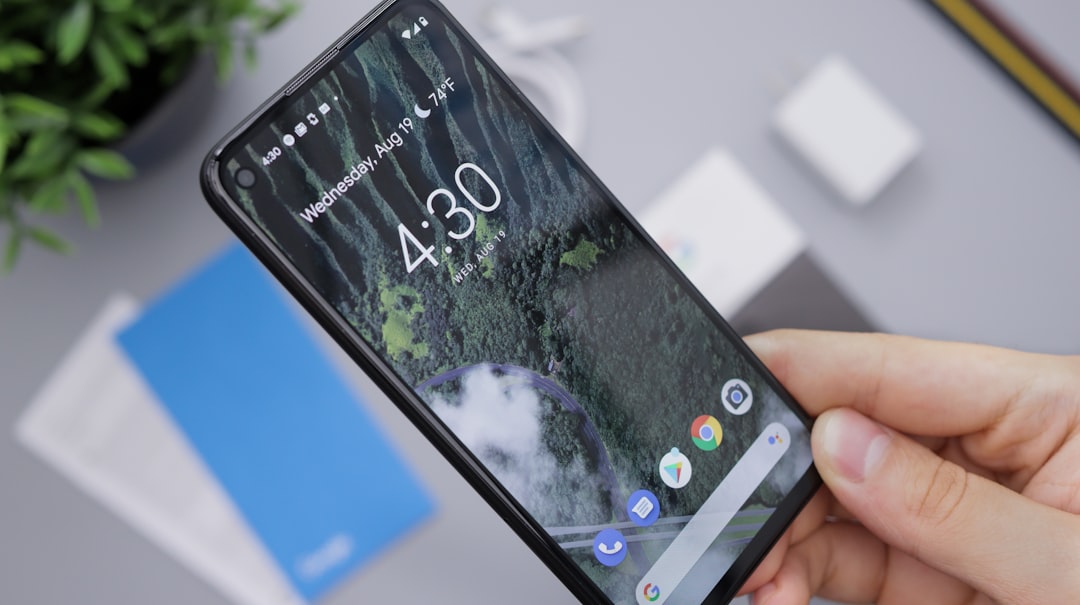
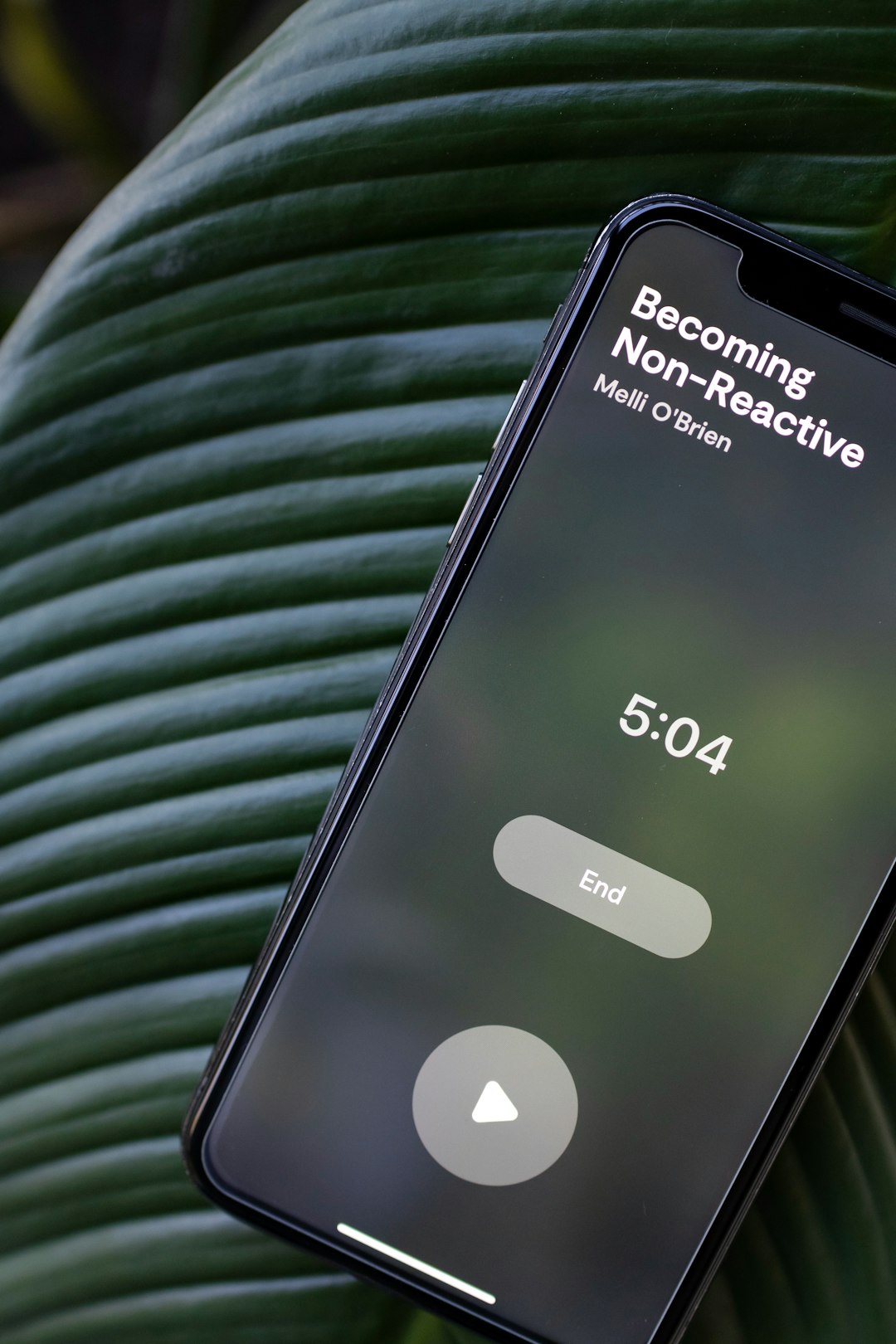
Smartphones open up a world of self-improvement apps and resources at our fingertips. Meditation apps like Headspace and Calm have soared in popularity, with Headspace boasting over 65 million downloads. These apps guide users in managing stress and enhancing mental well-being, demonstrating the smartphone’s capability to promote personal growth. Moreover, educational platforms like Duolingo and Coursera offer opportunities to learn new skills at one’s own pace. This ability to access diverse educational resources underscores the smartphone’s role as a contemporary guru, aiding in personal development.
Health and Fitness Tracking
With the advent of health and fitness apps, smartphones have evolved into personal trainers. A survey by the Pew Research Center found that 30% of U.S. adults use their smartphones for health tracking. Apps such as MyFitnessPal and Fitbit allow users to monitor their diet and exercise, offering personalized feedback and motivation. This data-driven approach empowers individuals to make informed decisions about their health. The smartphone’s influence on physical well-being is evident, as it enables users to take control of their fitness journeys with ease and precision.
Financial Management at Your Fingertips
Smartphones have revolutionized financial management, offering tools and apps that simplify the process. Mobile banking apps and budgeting tools like Mint and YNAB (You Need A Budget) enable users to track spending, set financial goals, and even invest. Statista reports that the global mobile banking market is predicted to reach $1.82 trillion by 2024. This accessibility to financial information and resources empowers users to manage their finances effectively. Smartphones have become financial gurus, helping users navigate the complexities of financial planning with confidence.
Navigating Relationships and Social Interactions

In the realm of social interactions, smartphones play a pivotal role in how we connect with others. Social media platforms such as Facebook, Instagram, and Twitter allow users to maintain relationships, share experiences, and seek advice. According to a survey by the American Psychological Association, 45% of adults believe that social media helps them connect with friends and family. However, it’s crucial to strike a balance between online interactions and face-to-face communication to nurture meaningful relationships. Smartphones facilitate connections, but they should complement rather than replace real-life interactions.
The Influence of Smartphones on Decision-Making

Smartphones have significantly altered how we make decisions, from choosing dining options to purchasing products. A study by Google revealed that 76% of people who search for something nearby visit a business within a day. This statistic underscores the smartphone’s role in shaping consumer behavior and decision-making. With instant access to reviews, recommendations, and comparisons, users can make informed choices. The smartphone’s ability to provide relevant information reinforces its status as a modern-day guru, guiding users in their decision-making processes.
The Rise of Virtual Assistants
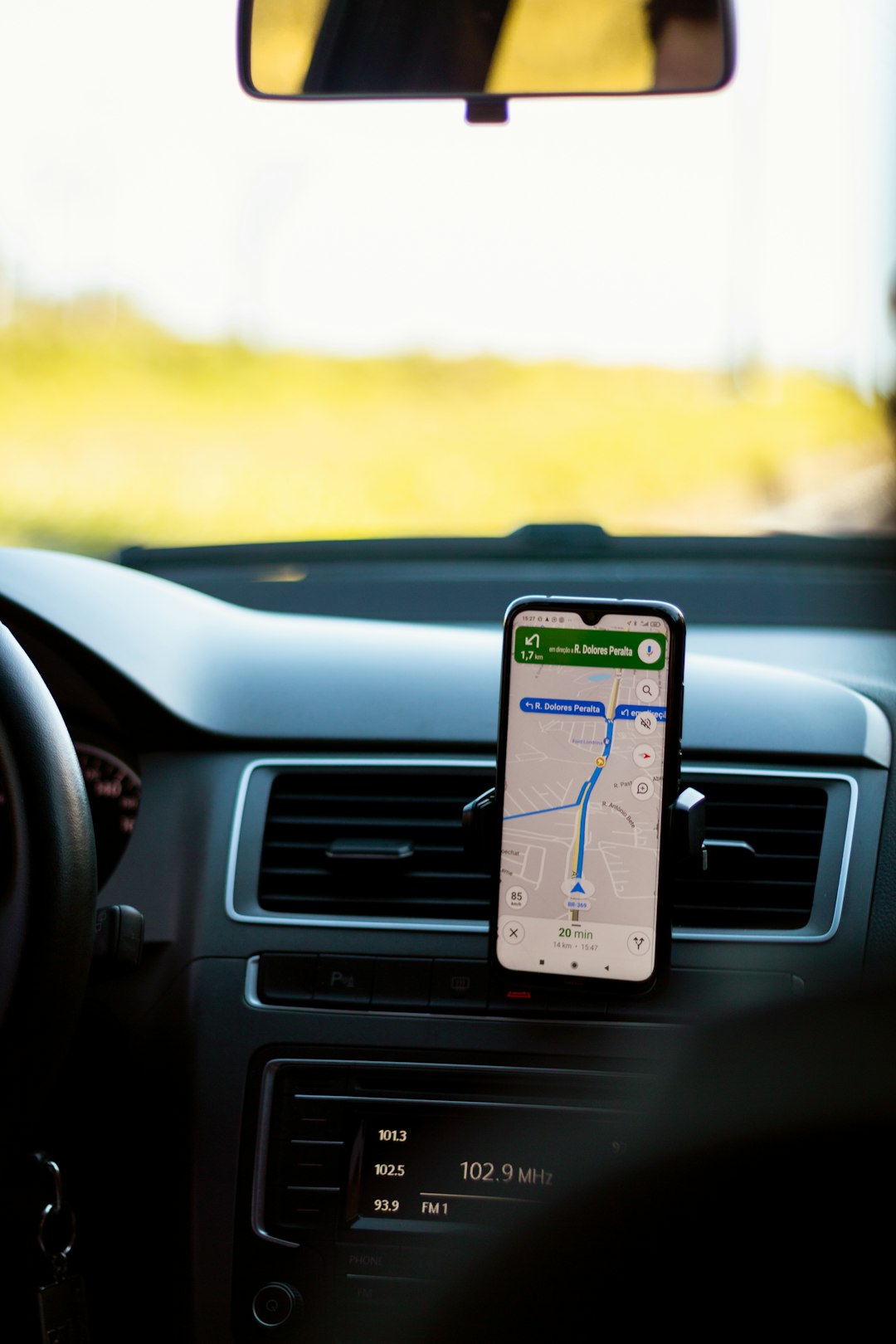
Virtual assistants like Siri, Google Assistant, and Alexa have become integral to the smartphone experience, offering users instant access to information and assistance. According to a report by Voicebot.ai, 87.7 million people in the U.S. own a smart speaker. These assistants can answer questions, set reminders, and even control smart home devices, making them invaluable for managing daily tasks. The functionality of virtual assistants highlights the smartphone’s role as more than just a device; it is a knowledgeable companion always ready to help.
The Impact of Smartphones on Learning

Smartphones have transformed education by providing access to a vast array of information and learning resources. During the COVID-19 pandemic, the International Telecommunication Union reported that 1.5 billion students worldwide were affected by school closures, leading to a surge in online learning. Platforms such as Khan Academy and edX offer courses on various subjects, making education more accessible than ever. This democratization of knowledge underscores the smartphone’s role as a powerful educational tool, enabling learners to expand their horizons from anywhere in the world.
The Dark Side of Smartphone Dependency
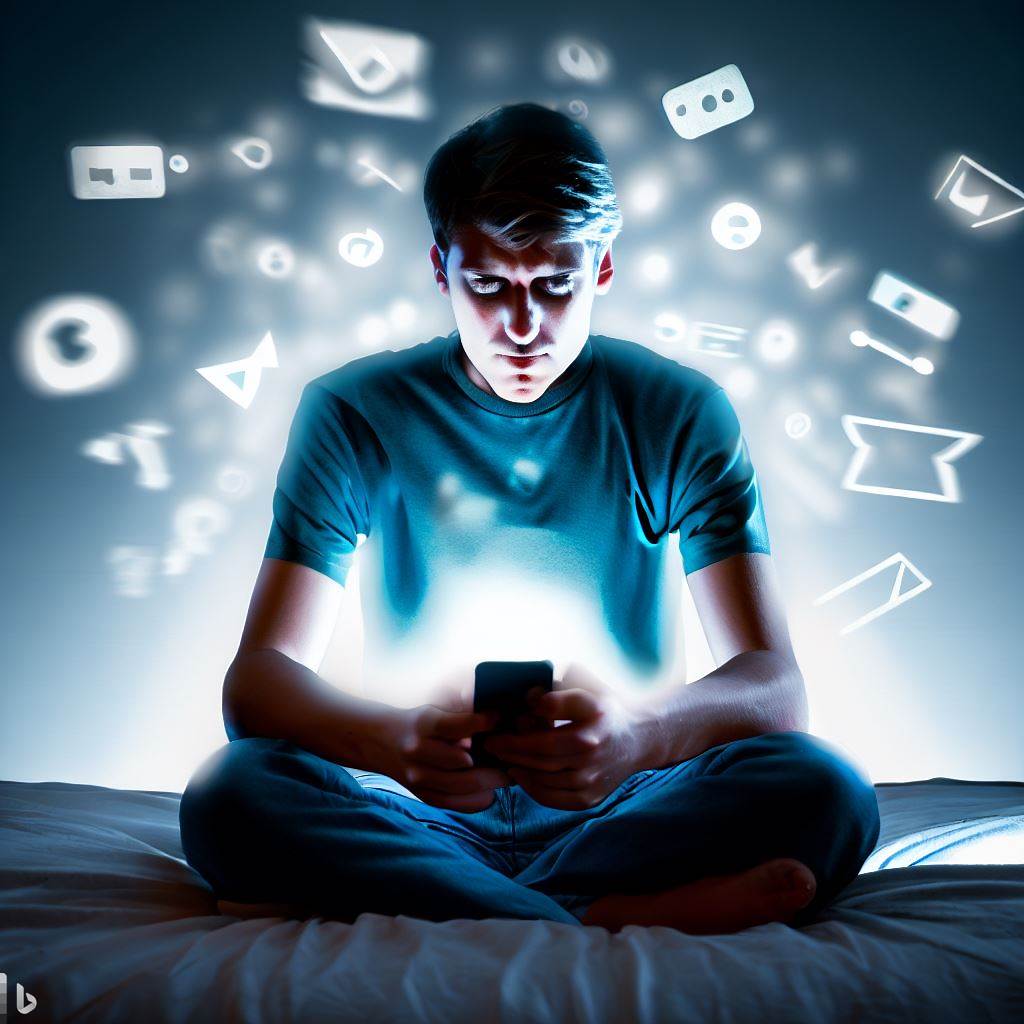
While smartphones offer countless benefits, there is growing concern about their impact on mental health and well-being. A study published in the Journal of Social and Clinical Psychology found that reducing social media use can lead to significant improvements in well-being. The constant connectivity that smartphones provide can lead to anxiety, depression, and feelings of isolation. It’s crucial to acknowledge the potential downsides of smartphone dependency and strive for a balanced approach to technology use. Mindful usage can help mitigate the negative effects while retaining the benefits.
The Future of Smartphones as Life Coaches

As technology continues to advance, smartphones are likely to become even more integrated into our lives. With developments in artificial intelligence and machine learning, future smartphones may offer personalized coaching and guidance tailored to individual needs. This evolution could further solidify the smartphone’s role as a life guru, equipping users with the tools and support they need to navigate life’s challenges effectively. The potential for growth in this area is vast, and the smartphone’s journey as a trusted guide is far from over.