Meditation has been a cornerstone of human spirituality and well-being for thousands of years. It’s a practice that transcends cultures and religions, offering a pathway to inner peace, clarity, and transformation. But which meditation practices have truly stood the test of time and changed lives? Let’s delve into the 15 most important meditation practices in history and discover how they have shaped minds and influenced societies.
Mindfulness Meditation

Mindfulness meditation, originating from Buddhist traditions, is all about being present in the moment. It encourages individuals to observe their thoughts, feelings, and surroundings without judgment. This practice has gained immense popularity due to its simplicity and effectiveness. Research has shown that mindfulness meditation can reduce stress, improve focus, and enhance emotional regulation. It’s no wonder that it’s become a staple in mental health practices and corporate wellness programs around the world.
Transcendental Meditation
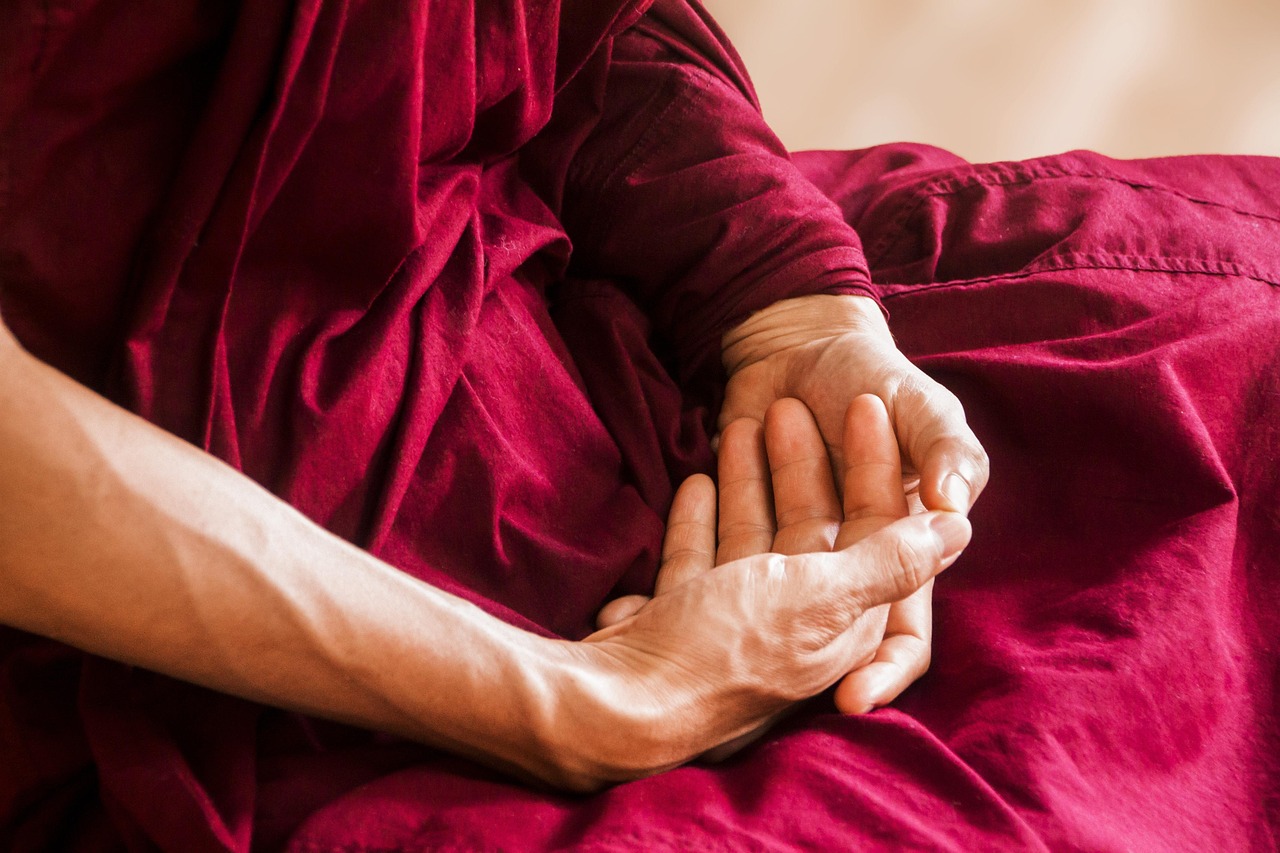
Transcendental Meditation (TM) became widely known in the 1960s thanks to Maharishi Mahesh Yogi. This technique involves the silent repetition of a mantra, a specific sound or phrase, to settle the mind into a state of profound rest. Studies have demonstrated that TM can lead to reduced anxiety, improved cardiovascular health, and increased creativity. Its appeal has transcended cultural boundaries, attracting a diverse and dedicated following.
Zen Meditation (Zazen)
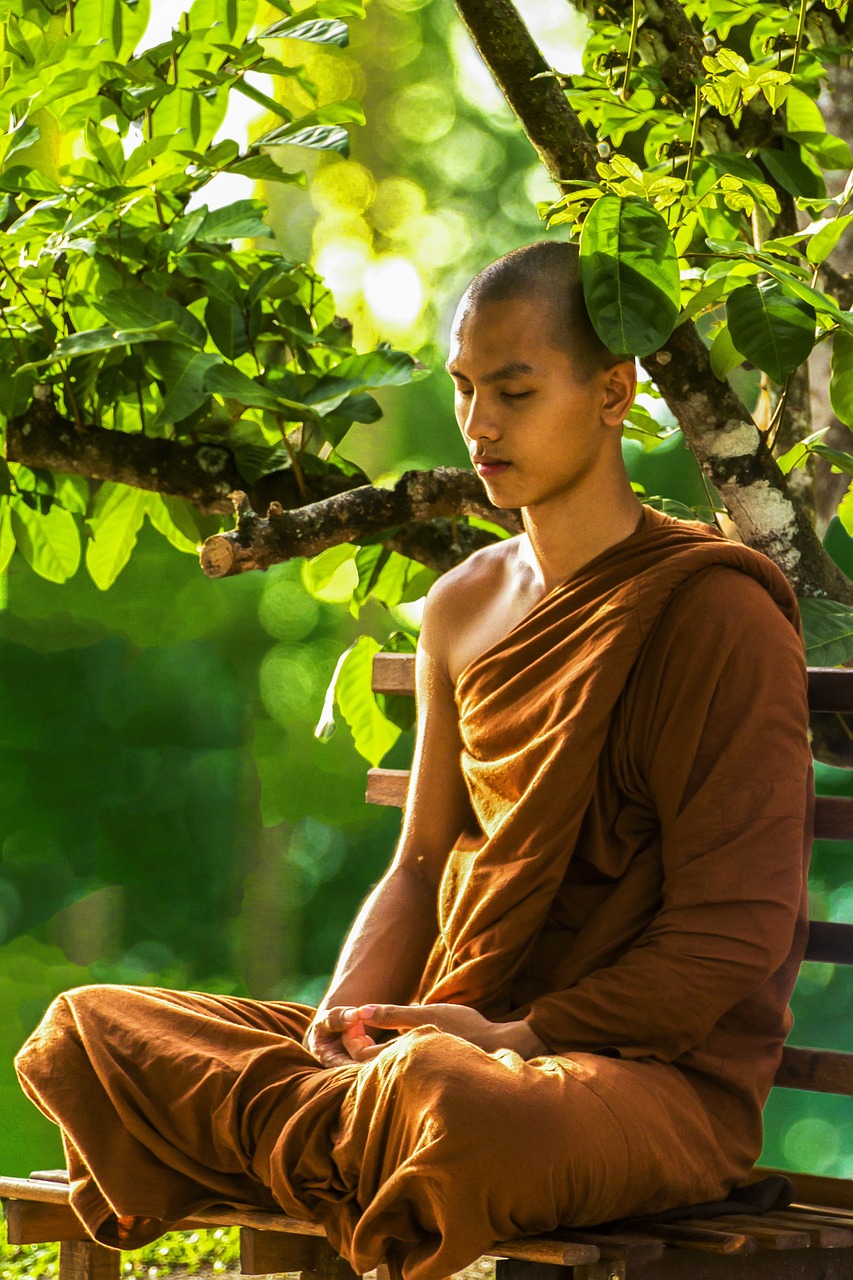
Zen meditation, or Zazen, is a practice central to Zen Buddhism. It involves sitting in a specific posture and focusing on the breath while allowing thoughts to come and go without attachment. This practice cultivates deep concentration and insight. Many practitioners report experiencing a heightened sense of awareness and clarity, making it a transformative practice for those seeking inner peace and understanding.
Loving-Kindness Meditation (Metta)
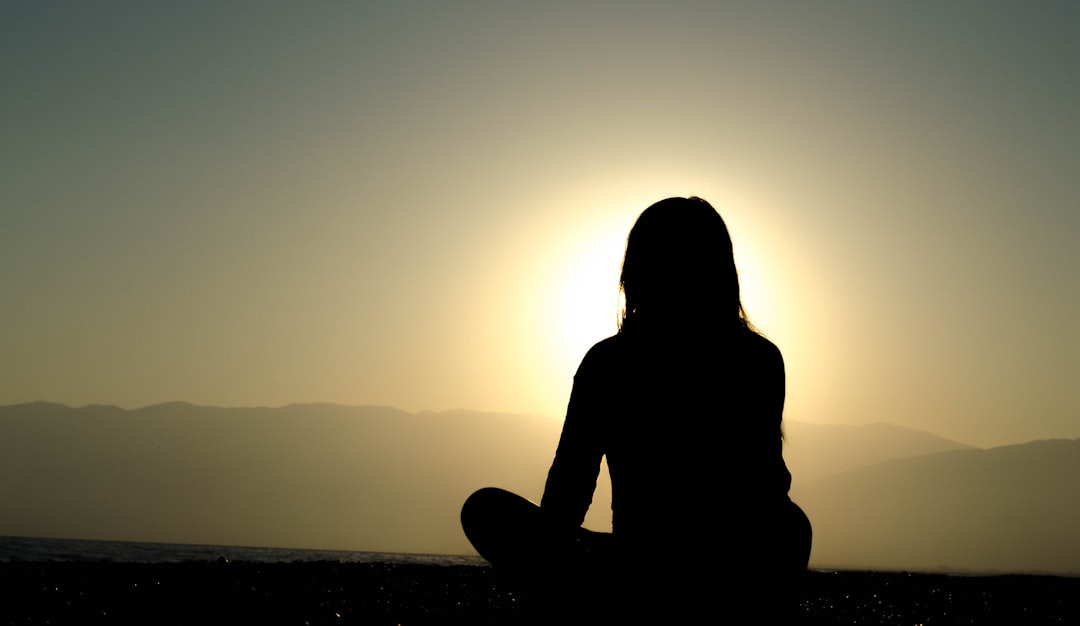
Loving-kindness meditation, known as Metta, is about developing an attitude of love and compassion towards oneself and others. Practitioners silently repeat phrases wishing well-being and happiness to themselves and others. Research has shown that this practice can enhance emotional well-being and foster social connections, making it a powerful tool for improving interpersonal relationships and building empathy.
Vipassana Meditation
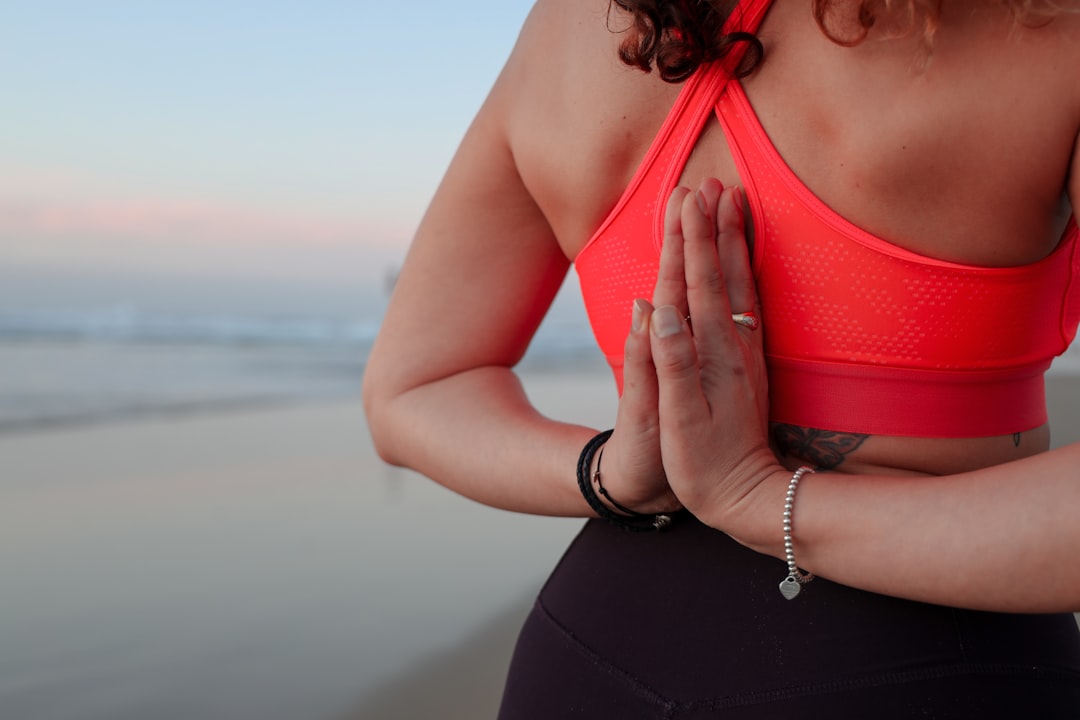
Vipassana, or insight meditation, is one of the oldest forms of meditation, originating from the Buddhist tradition. It involves observing bodily sensations, thoughts, and emotions to gain insight into the nature of reality. This practice is often taught in silent retreats, where participants engage in intensive meditation for several days. Many report profound transformations in their understanding of themselves and the world, making it a cornerstone of mindfulness practices.
Chakra Meditation
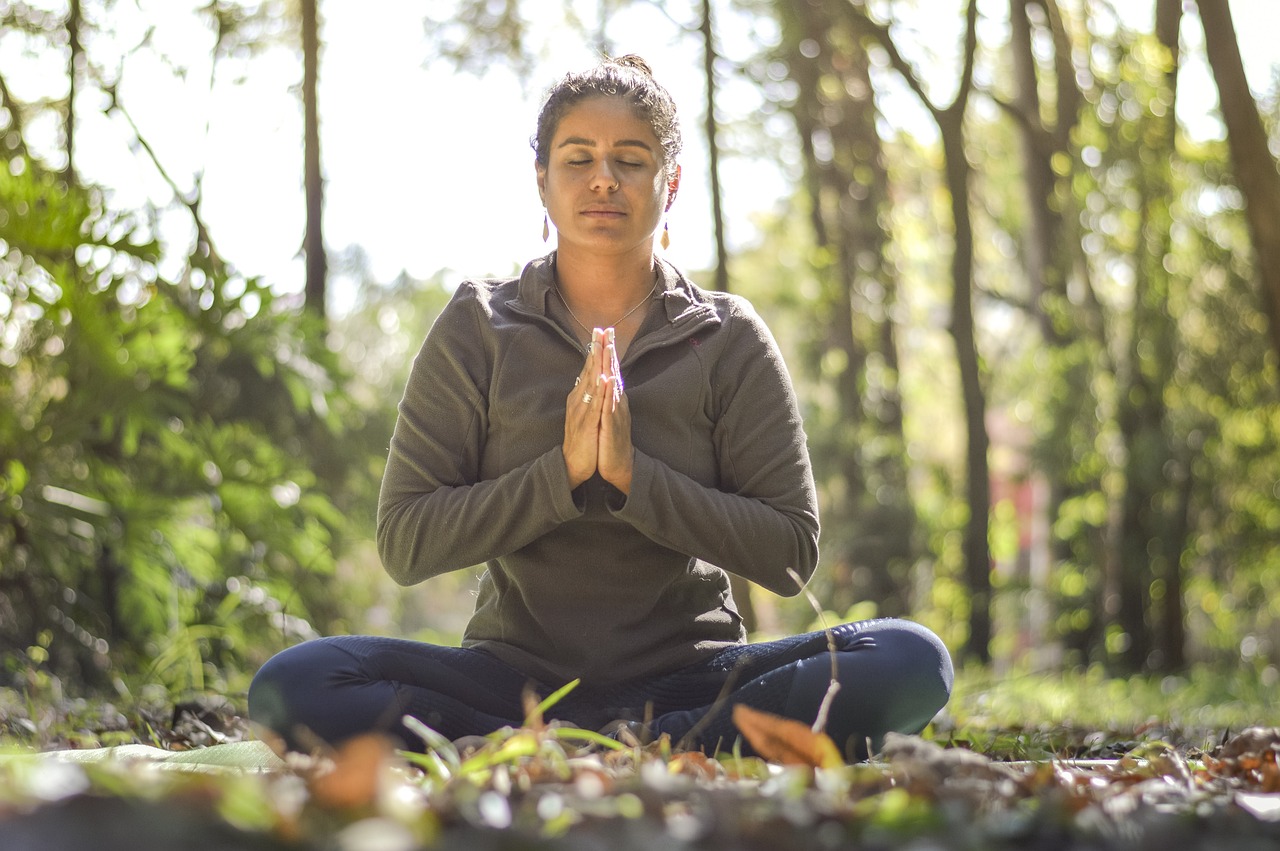
Chakra meditation is rooted in Hindu traditions and focuses on the body’s energy centers, or chakras. Practitioners aim to balance these energy centers through visualization, breath control, and sound. This practice is believed to promote physical, emotional, and spiritual well-being. Many people find chakra meditation helpful for enhancing their overall health and vitality, as it encourages a harmonious flow of energy throughout the body.
Guided Visualization

Guided visualization involves listening to a facilitator who leads the practitioner through a series of mental images and scenarios. This practice is often used for relaxation, stress reduction, and achieving specific goals. Research indicates that guided visualization can enhance motivation and self-efficacy, making it a popular choice in therapeutic settings and personal development programs.
Yoga Nidra
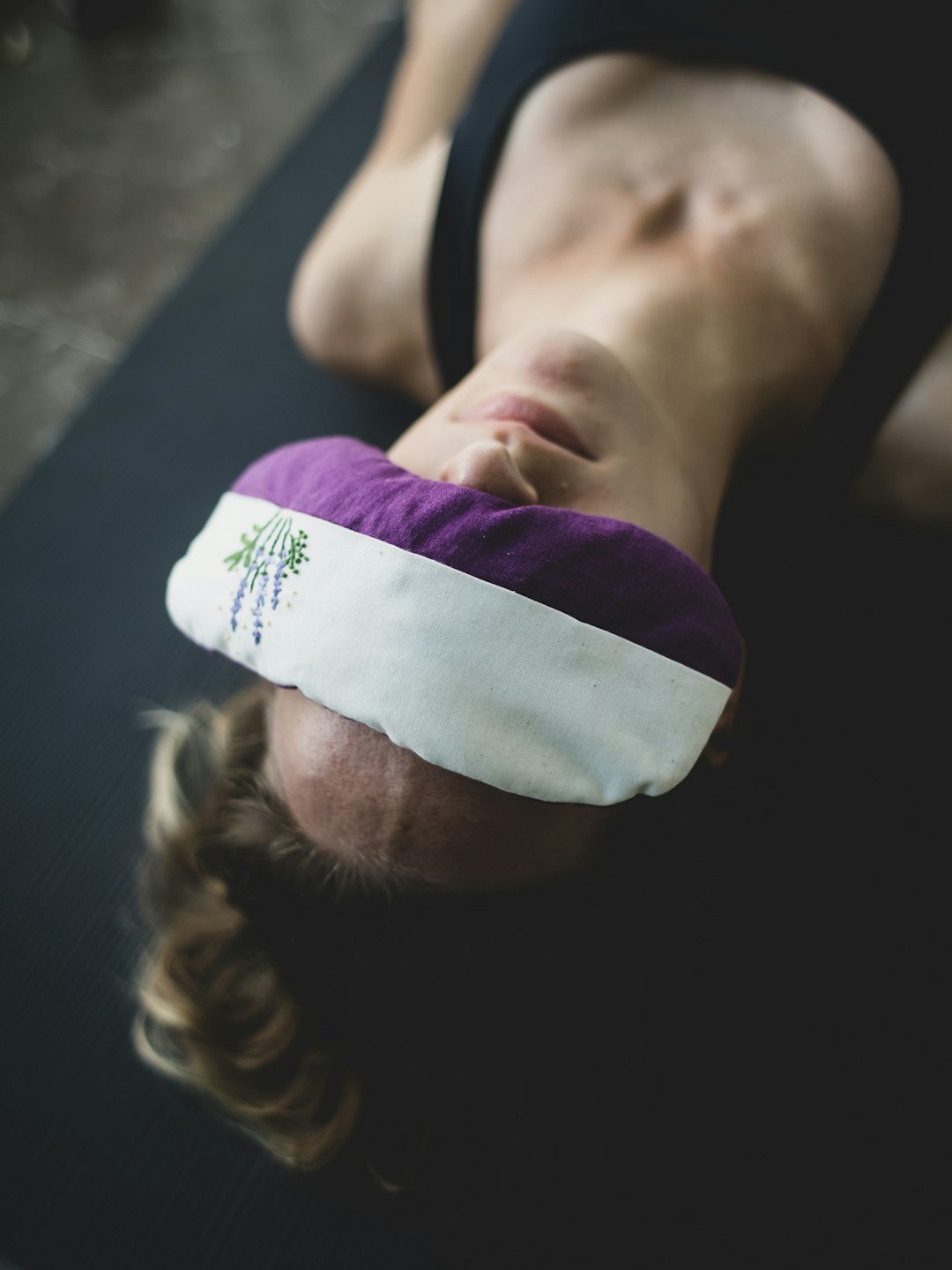
Yoga Nidra, or yogic sleep, is a state of consciousness between waking and sleeping. This practice involves lying down and following a guided meditation that promotes deep relaxation. It has been shown to reduce insomnia, anxiety, and stress, making it a valuable tool for those seeking restorative rest and mental clarity. Yoga Nidra offers a profound sense of rejuvenation, akin to a deep and refreshing sleep.
Qigong Meditation
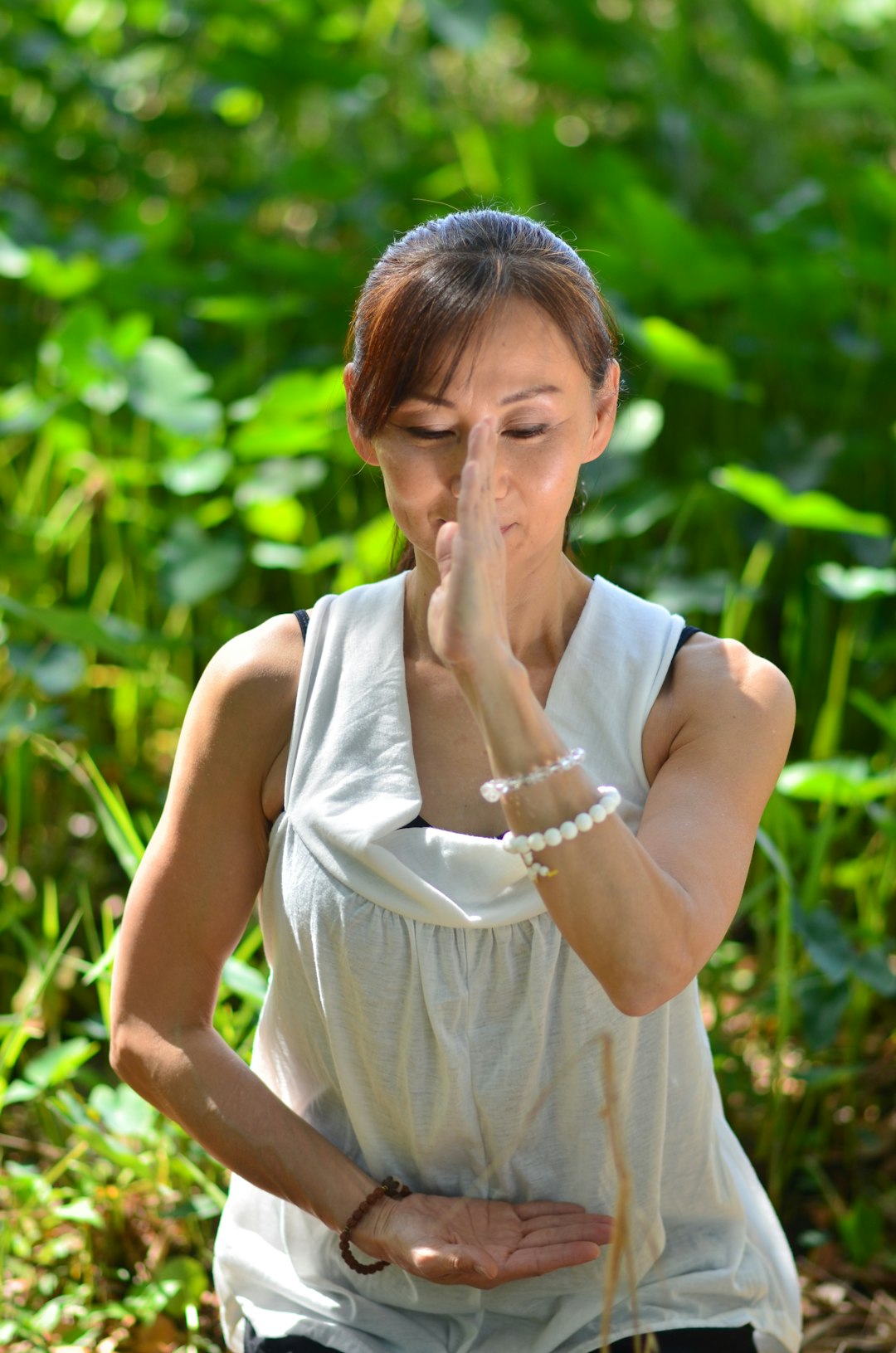
Qigong is a Chinese practice that combines meditation, movement, and breath control. It focuses on cultivating and balancing life energy (Qi) within the body. Qigong has been linked to numerous health benefits, including improved flexibility, strength, and mental clarity. Its gentle movements make it accessible to people of all ages and fitness levels, promoting overall health and vitality.
Mantra Meditation
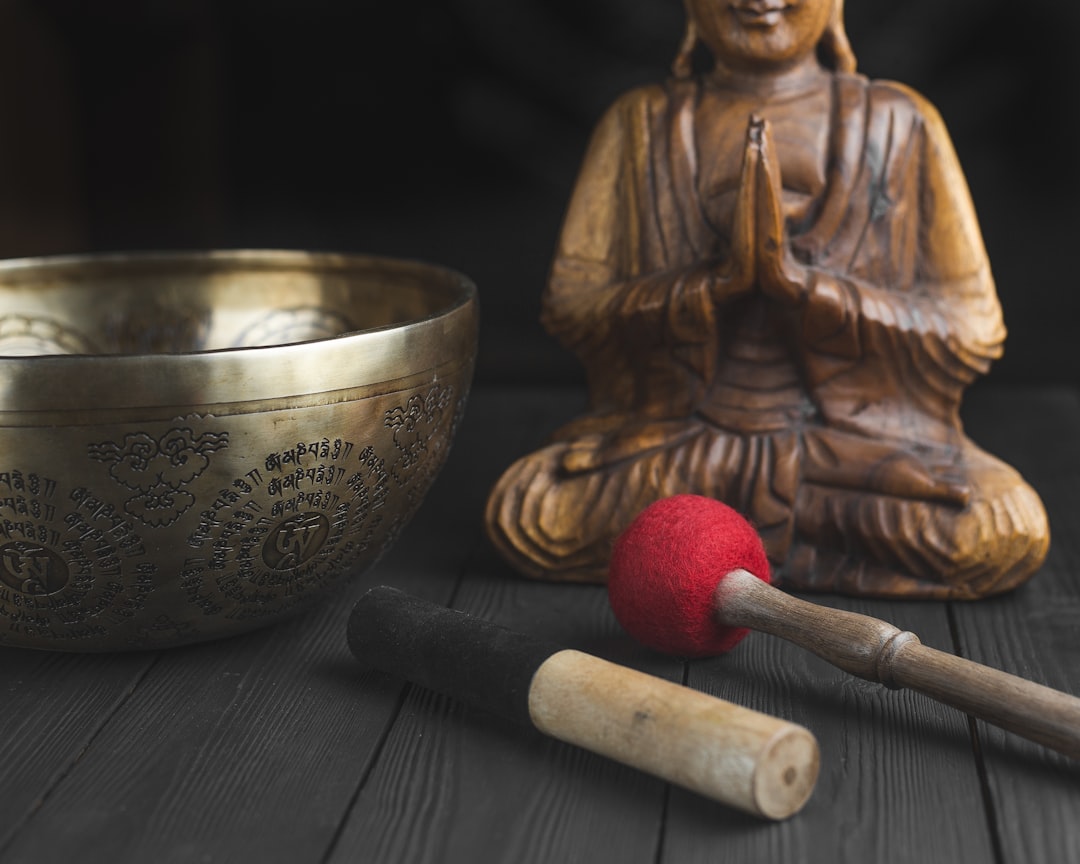
Mantra meditation involves the repetition of a specific word or phrase to focus the mind and promote relaxation. This practice is common in various spiritual traditions, including Hinduism and Buddhism. Research suggests that mantra meditation can reduce stress and improve cognitive function, making it a beneficial practice for mental health. The rhythmic repetition of mantras helps quiet the mind and fosters a sense of inner calm.
Sound Meditation
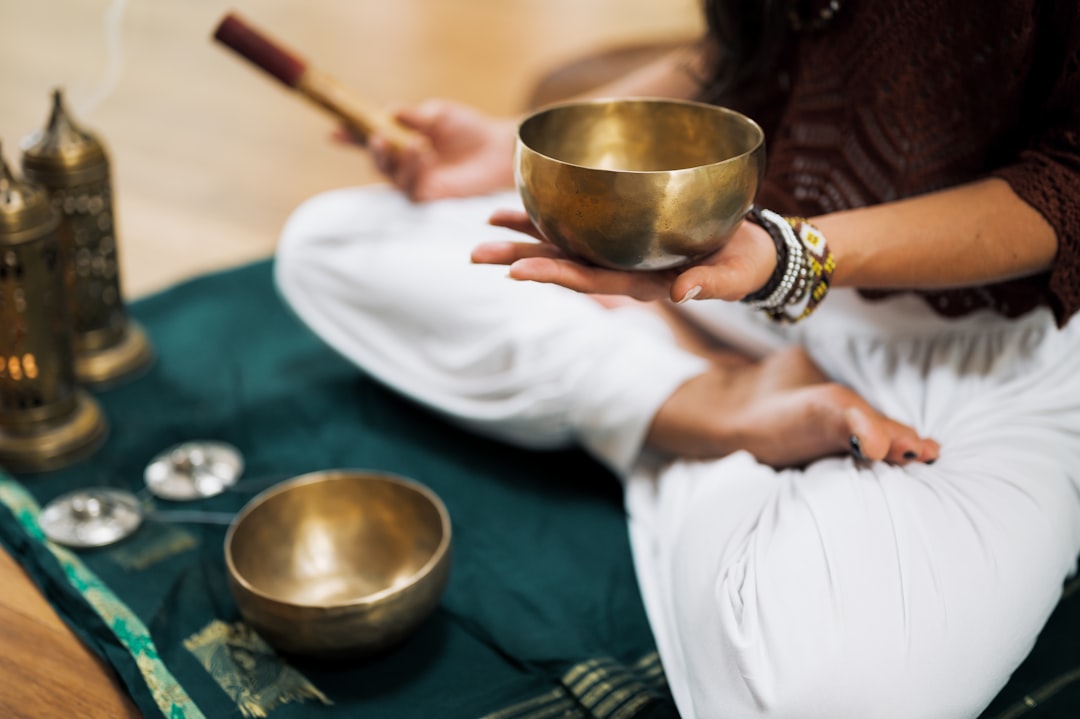
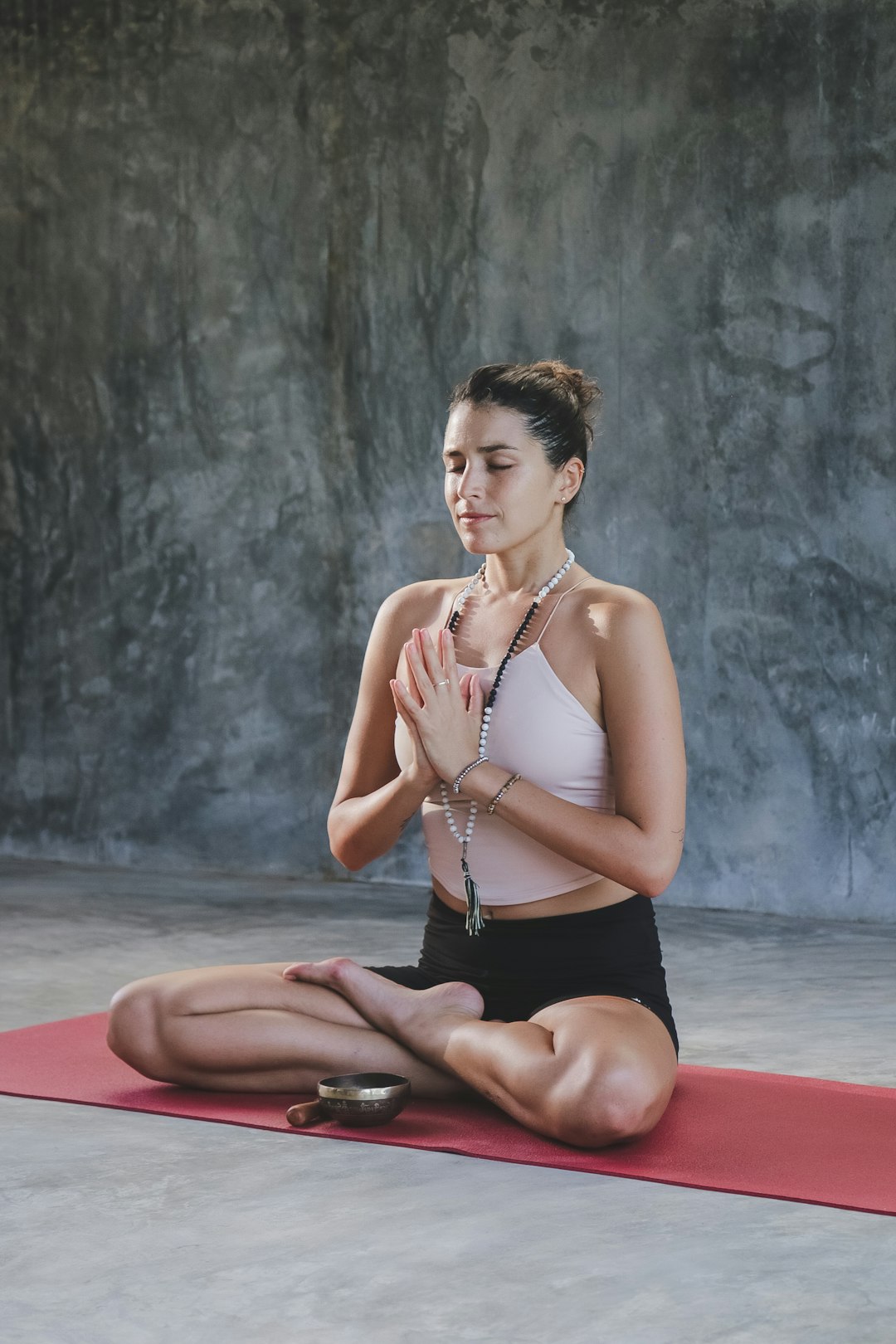
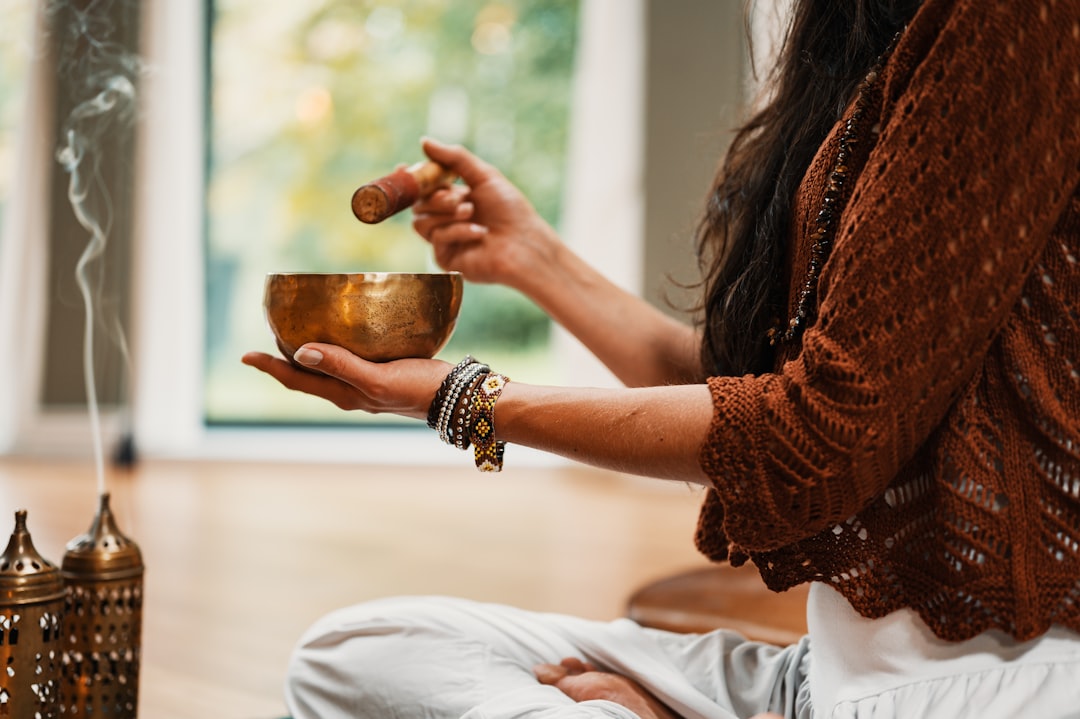
Sound meditation utilizes sound vibrations, such as singing bowls or chanting, to facilitate relaxation and mindfulness. This practice can help individuals enter a meditative state more easily and enhance their overall experience. Studies have shown that sound meditation can reduce anxiety and promote emotional healing, offering a soothing and immersive way to connect with one’s inner self.
Body Scan Meditation
Body scan meditation involves systematically focusing attention on different parts of the body, promoting relaxation and awareness of physical sensations. This practice is often used in mindfulness-based stress reduction programs and has been shown to reduce stress and improve body awareness. Many practitioners find it helpful for managing chronic pain and anxiety, as it encourages a deep connection with the body’s sensations.
Breath Awareness Meditation

Breath awareness meditation focuses on the natural rhythm of the breath as a means to anchor the mind. This simple yet powerful practice can be done anywhere and is effective for reducing stress and enhancing concentration. Research indicates that breath awareness can lead to improved emotional regulation and overall well-being, offering a quick and accessible way to find calm amidst life’s challenges.
Christian Contemplative Prayer
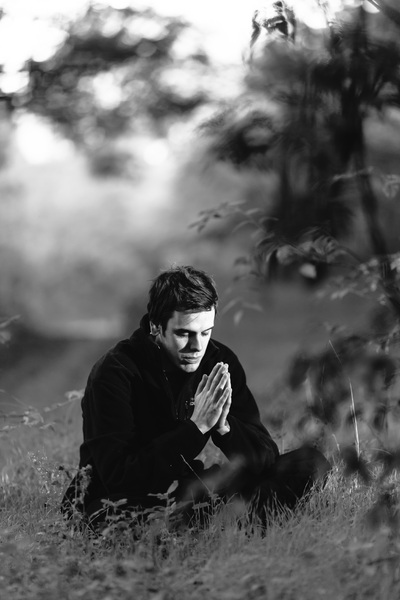
Christian contemplative prayer is a form of meditation that emphasizes silent prayer and reflection on God’s presence. This practice encourages deep connection with spirituality and has been shown to enhance emotional resilience and inner peace. Many practitioners find that it deepens their faith and understanding of themselves, providing a spiritual anchor in the midst of life’s uncertainties.
Sufi Whirling

Sufi whirling is a form of active meditation practiced by the Mevlevi order of Sufism. This practice involves spinning in circles to achieve a state of spiritual ecstasy and connection with the divine. It is believed to promote inner peace and transcendence, making it a unique and transformative experience for participants. The rhythmic whirling serves as a metaphor for the soul’s journey towards enlightenment.
In conclusion, the diverse range of meditation practices throughout history has significantly impacted individuals and societies. From mindfulness to Sufi whirling, each practice offers unique benefits and insights, helping people navigate the complexities of life. As meditation continues to gain popularity in modern society, its transformative power remains a testament to its enduring relevance in promoting mental, emotional, and spiritual well-being.