
The Rise of Social Media Retreats

Social media meditation retreats have become all the rage in recent times. Their popularity is evident as the wellness tourism market is predicted to skyrocket to $919 billion by 2022. A substantial part of this growth is attributed to retreats that promise peace through mindfulness and meditation. These retreats are often advertised as a chance to get away from the digital world and find oneself. However, the irony is thick as these retreats are often heavily marketed on the very social media platforms people are trying to escape from. This creates a vicious cycle where the tools meant to offer solace are the same ones causing the stress.
The Illusion of Digital Detox

Many retreats promise a break from technology, but reality paints a different picture. According to a survey by the American Psychological Association, 86% of adults feel stressed by constant connectivity. Despite promoting a digital detox, many retreats encourage participants to share their experiences online. This contradicts the goal of disconnecting and instead fosters an environment focused on online image rather than true self-reflection. Participants may end up more concerned with how they appear online than with their inner growth.
The Cost of Participation

Joining these retreats can be a hefty financial commitment. As per the Global Wellness Institute’s 2021 report, a week at a wellness retreat can cost between $1,000 to $5,000. Such a high price tag questions the accessibility of these retreats. Do they provide a genuine escape, or are they just a luxurious experience for those who can afford it? For many, the expense might add to their stress rather than alleviating it, making the retreat more of a burden than a relief.
The Role of Influencers

Influencers have a huge hand in popularizing social media meditation retreats. Pew Research Center found that 72% of teens feel pressured to post content that garners likes and comments. Influencers often display their retreat experiences as perfect tales of relaxation and self-discovery. This can set unrealistic standards for potential participants who may feel inadequate if their experiences don’t match the glossy, edited versions online. It creates a world where the journey is more about aesthetics than genuine personal growth.
The Impact on Mental Health

Meditation and mindfulness are known to reduce stress and anxiety. However, when these practices are commercialized through social media retreats, the opposite can happen. Research in the Journal of Happiness Studies shows that social media can increase feelings of inadequacy and anxiety, especially among young adults. The pressure to document and share can take away from the mindfulness experience, leaving participants with a shallow understanding of what should be deep practices.
The Environmental Cost

Many retreats are situated in remote areas, requiring significant travel. This travel adds to carbon emissions, with tourism accounting for about 8% of global greenhouse gas emissions, according to the World Wildlife Fund. The environmental impact of traveling to these retreats raises questions about the sustainability of wellness tourism. Are participants genuinely engaging in practices that promote overall well-being, or are they inadvertently contributing to environmental harm?
Authenticity vs. Commercialization
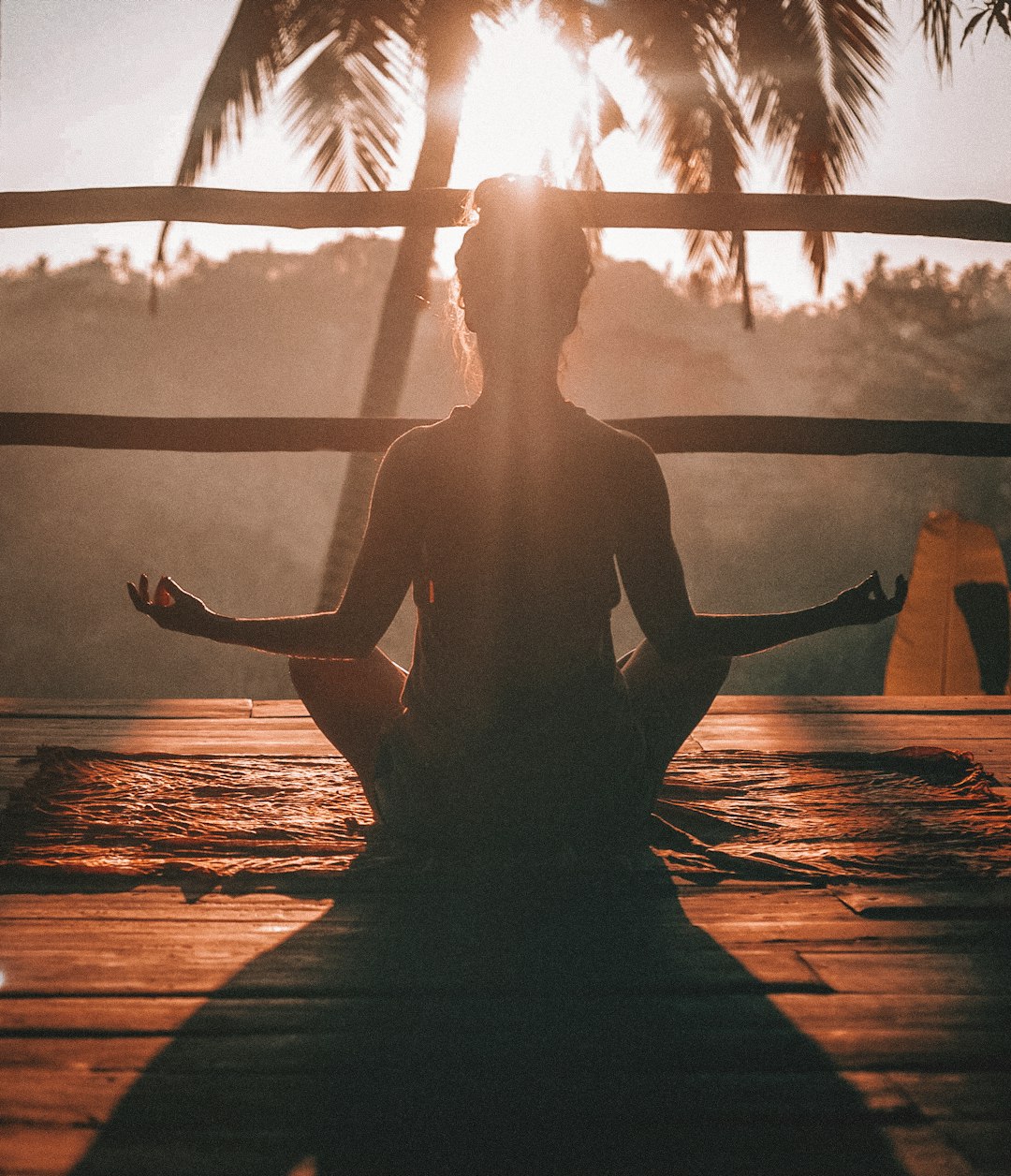
The commercialization of meditation retreats has led to a loss of authenticity. Many retreats now seem more focused on profit than on genuine personal growth. A survey by the International Journal of Tourism Research revealed that 65% of participants felt their retreat experience was more about marketing than meaningful engagement with mindfulness. This raises concerns about the wellness industry’s integrity and whether it is exploiting those seeking true self-improvement.
Alternatives to Retreats
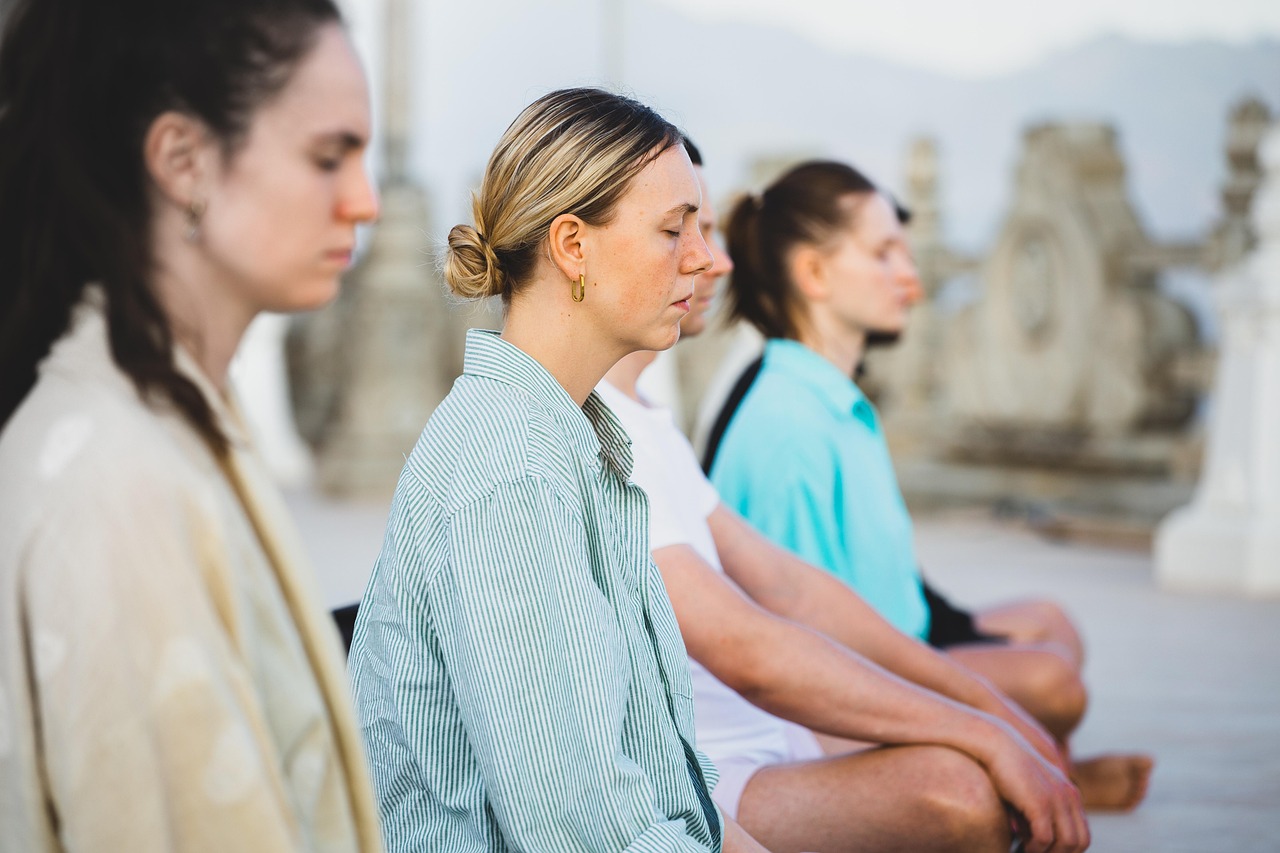
For those seeking mindfulness without the high costs or social media pressures, alternatives exist. Community-based meditation groups, local workshops, and online resources offer similar benefits at a lower cost. The Mindfulness Research Journal highlights that practicing mindfulness daily can be as effective as attending a retreat. This emphasizes the importance of making mental health practices accessible to all, not just those who can afford a luxury retreat.
The Future of Wellness Tourism

As the wellness tourism industry continues its rapid growth, there’s an urgent need for change toward more sustainable and genuine practices. The Global Wellness Institute suggests future retreats should focus on inclusivity, accessibility, and authentic mindfulness engagement. This could mean reducing reliance on social media marketing and fostering community-focused approaches that prioritize personal growth and connection over profit.
Conclusion: Rethinking Retreats

While social media meditation retreats may appear to offer a peaceful escape, it’s crucial to evaluate their true worth. The commercialization of mindfulness, combined with social media pressures, can create a false sense of escape that ultimately undermines the intended benefits. By prioritizing authenticity, accessibility, and sustainability, the wellness industry can better serve those seeking genuine self-improvement and mental well-being.