
The Rise of Mindfulness and Meditation
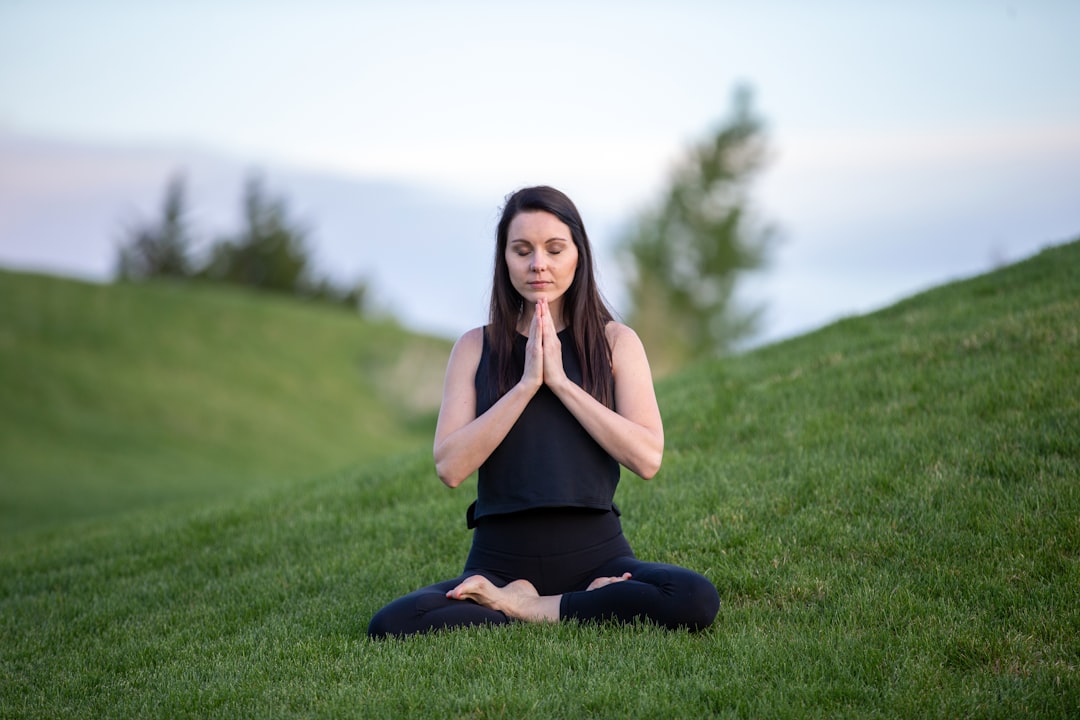
In recent years, mindfulness and meditation have become household terms, embraced by millions worldwide as a means of achieving peace and tranquility. According to a study published in “Health Psychology Review,” around 14% of U.S. adults reported practicing meditation in 2020, a notable increase from previous years. This surge is largely due to growing awareness of mental health and stress reduction benefits. However, as these practices become mainstream, concerns are emerging over people engaging in meditation without understanding its true purpose. This trend might be leading individuals to practice meditation mindlessly, which could be counterproductive.
The Concept of Mindless Meditation
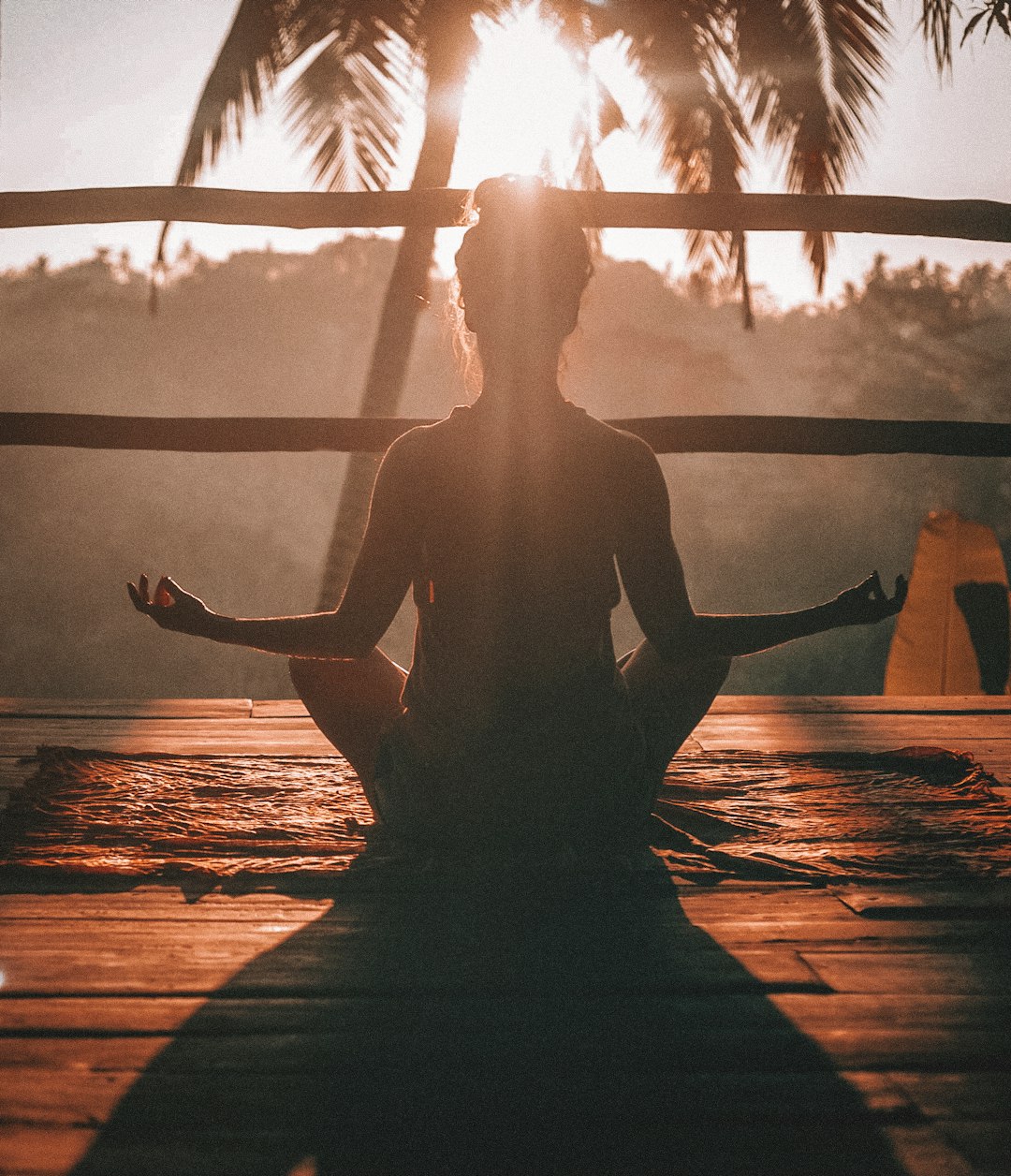
Mindless meditation occurs when individuals engage in meditation superficially, lacking genuine focus or intention. While many follow guided meditations or popular apps, they often do so without fully immersing themselves in the process. This can result in superficial experiences that don’t deliver the intended mental and emotional benefits. Research from the University of California, Los Angeles, highlights that meditation without mindfulness might not provide improvements like enhanced emotional regulation and anxiety reduction. Without genuine engagement, the transformative power of meditation remains largely untapped.
The Impact of Technology on Meditation

The advent of meditation apps and online platforms has made these practices more accessible than ever. Yet, this convenience can also lead to mindless practices. A Pew Research Center survey notes that 30% of Americans use meditation apps, but many feel overwhelmed by the plethora of options. This “paradox of choice” can make it difficult for people to find a practice that resonates with them, often resulting in a lack of commitment and depth in their meditation journey. Technology might be offering convenience, but it also poses challenges for genuine engagement.
The Dangers of Over-Simplification
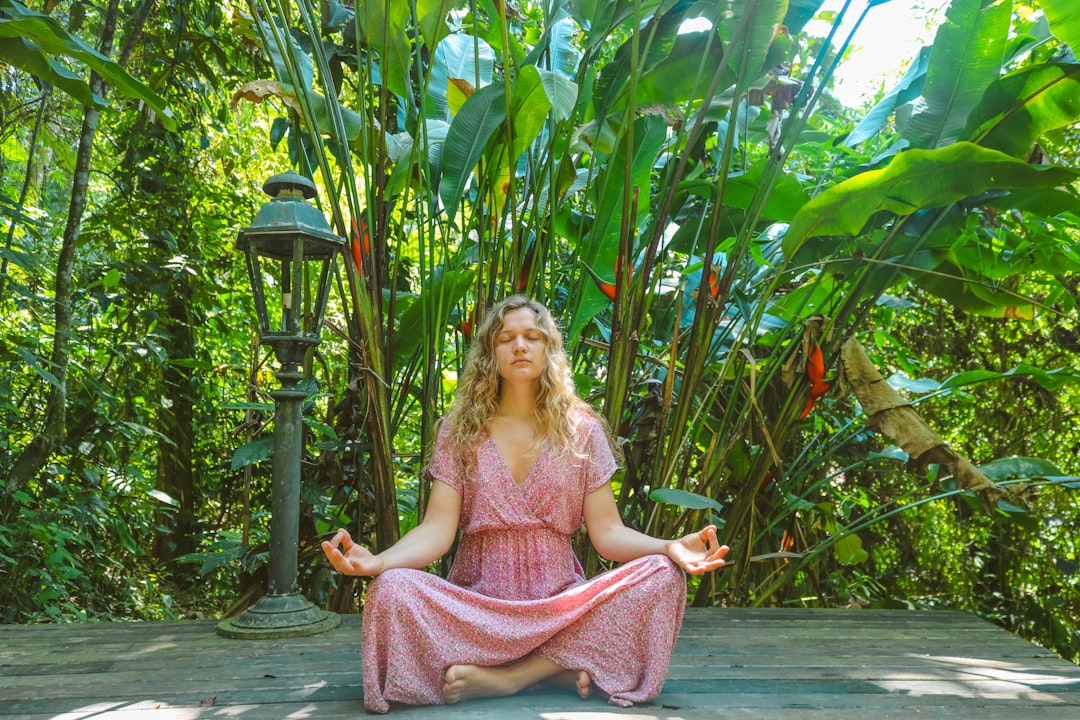
As meditation becomes commercialized, there’s a tendency to oversimplify its practices. Many programs promise quick fixes or offer superficial techniques for immediate results. However, experts warn that true meditation demands patience, dedication, and confronting one’s thoughts and emotions. A study published in “Psychological Science” highlights that individuals engaging in deeper, reflective meditation practices experience more significant psychological benefits than those opting for quick, surface-level techniques. Oversimplification can dilute the essence of meditation, making it less effective.
The Role of Social Media

Social media has significantly shaped meditation trends, often showcasing a curated and idealized version of mindfulness. Influencers and wellness gurus frequently share snippets of their routines, creating unrealistic expectations for followers. According to the American Psychological Association, this can lead to feelings of inadequacy and frustration among those struggling to replicate these experiences. The pressure to conform to a particular image of meditation can detract from its personal and introspective nature, making it less beneficial.
The Importance of Intentional Practice

To counteract mindless meditation, cultivating intentionality in practice is paramount. This means approaching meditation with a clear purpose and an open mind. Research from Harvard University indicates that individuals with specific intentions for their meditation sessions experience positive outcomes like increased emotional awareness and improved focus. By prioritizing intentional practice, individuals can deepen their connection to meditation and enhance its benefits, ensuring a more meaningful experience.
The Need for Education and Guidance

As meditation gains popularity, there’s an urgent need for education and guidance to ensure meaningful engagement. Many may not fully understand mindfulness principles or the array of meditation techniques available. A study in “Mindfulness” underscores the importance of structured programs and trained instructors to help individuals navigate their meditation journeys. Providing resources and support empowers individuals to cultivate a profound and authentic meditation experience, maximizing its potential benefits.
The Connection Between Meditation and Mental Health
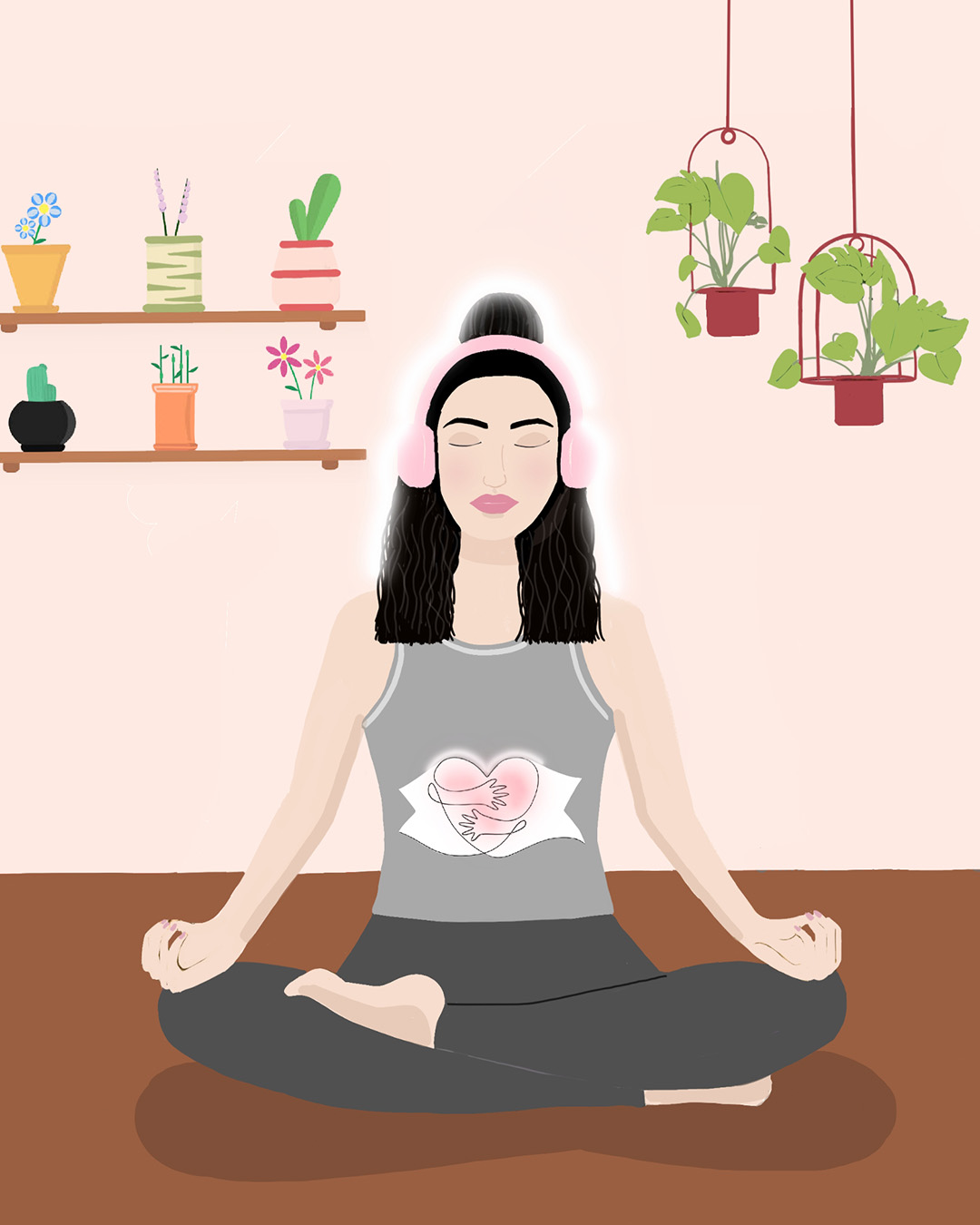
Research consistently shows a positive link between meditation and mental health. However, mindless meditation may not yield the same benefits. A meta-analysis in “JAMA Internal Medicine” found that mindfulness meditation significantly reduces symptoms of anxiety and depression. Yet, the effectiveness of meditation hinges on the quality of practice. Those engaging in mindless meditation might miss out on these mental health benefits, underscoring the need for a thoughtful approach.
Exploring Alternative Practices

While traditional meditation has its merits, exploring alternatives can also be beneficial. Techniques like yoga, tai chi, and mindful walking offer similar benefits while allowing individuals to engage with their bodies and surroundings. A study from the University of Exeter found that mindful movement participants experienced stress reductions and improved well-being. Incorporating various practices can help individuals find what resonates with them, preventing the monotony of mindless meditation.
The Future of Meditation Practices

As meditation evolves, prioritizing depth over convenience is crucial. The future should focus on fostering genuine connections to the practice, encouraging individuals to explore their thoughts and emotions fully. By emphasizing intentionality, education, and diverse practices, we can move away from mindless trends and cultivate a more meaningful relationship with mindfulness. Meditation isn’t a one-size-fits-all approach, and finding what works for each individual is key to unlocking its full potential.