The Surprising Calm in Doing Less
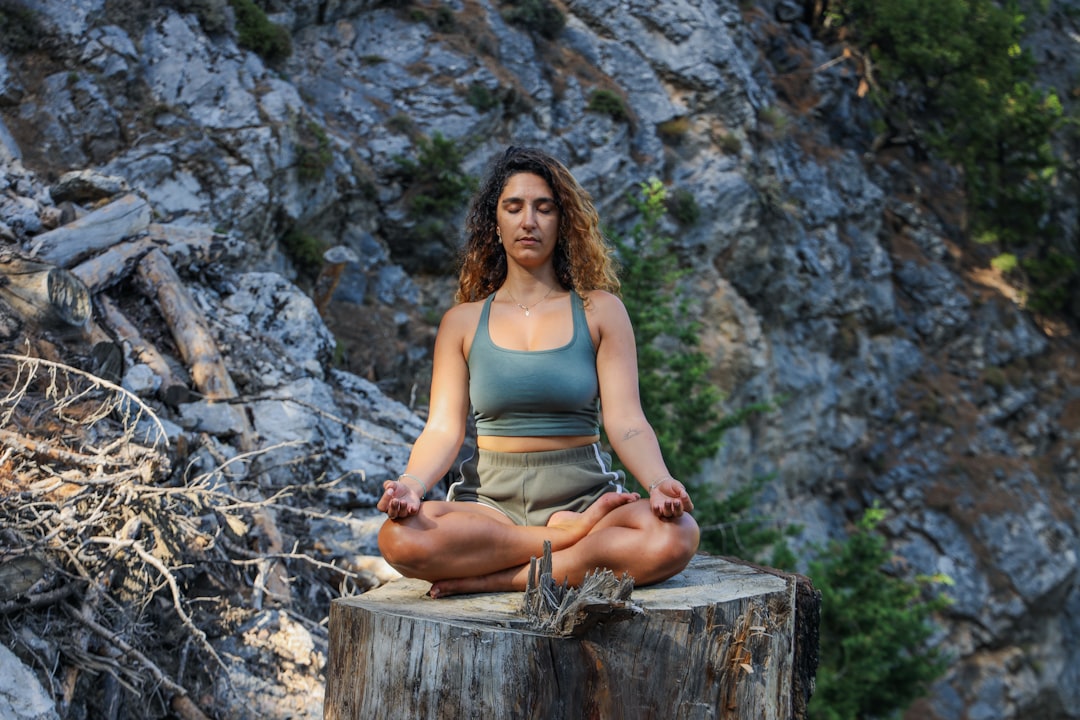
It sounds backward, right? We’re told that more meditation equals more peace. But when I started meditating less, I felt a wave of unexpected calm. At first, I was nervous—wouldn’t my mind go wild? But research from the University of Oslo in 2023 found that over-meditation can actually increase anxiety in some people. The pressure to be mindful all the time can turn meditation into another stressful task. I realized I was forcing myself to meditate daily, even when I was tired or distracted. By cutting back, I felt lighter, less pressured, and oddly enough, more present in the moment. Sometimes, less really is more.
Breaking the “Perfect Practice” Trap
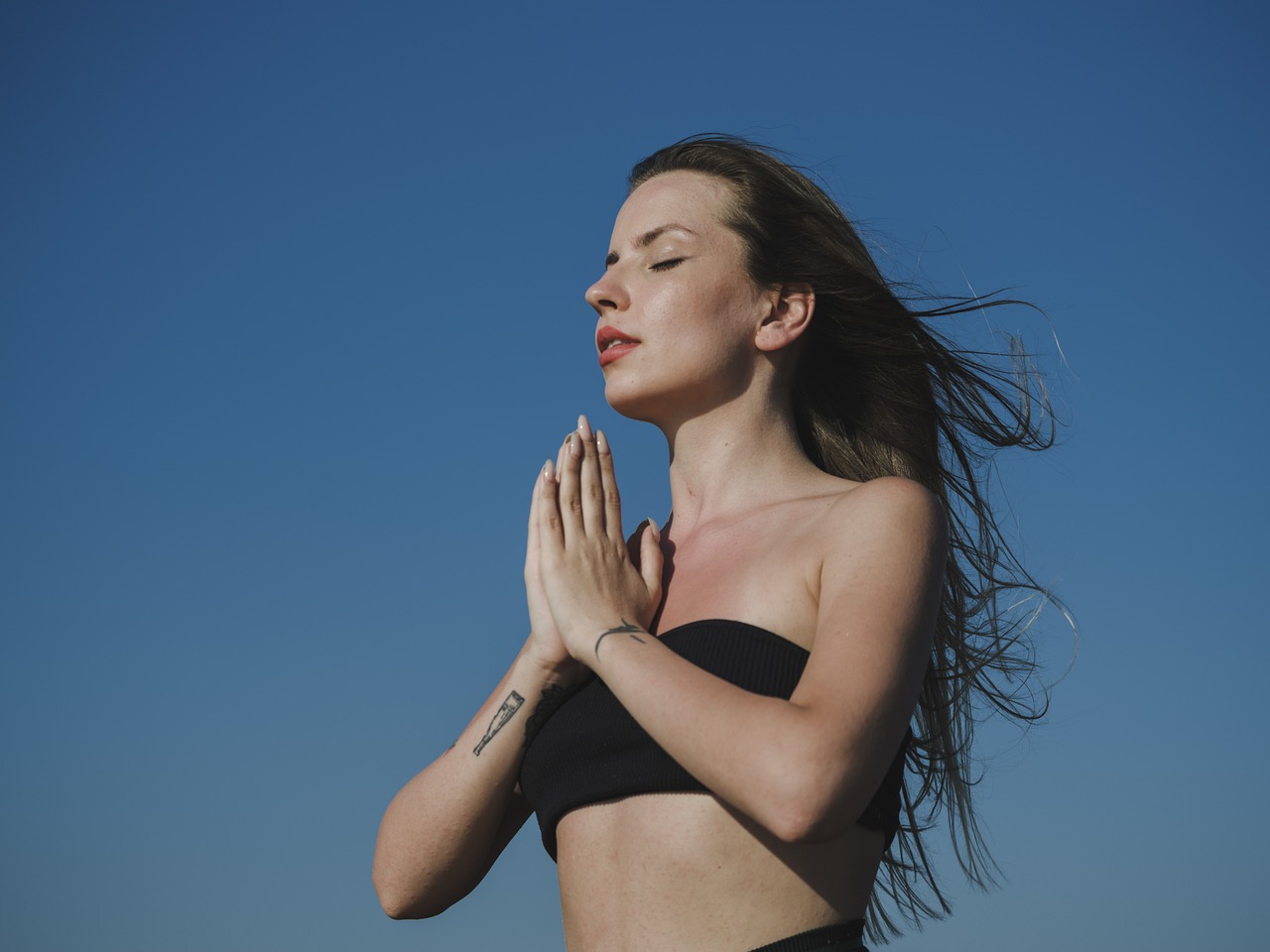
I used to think meditation had to be a daily, rigid routine. But studies published in Frontiers in Psychology in 2022 suggest that perfectionism in mindfulness routines can backfire, creating guilt and stress when we miss a session. Once I let go of the idea that I had to meditate every single day, my practice felt more freeing. I stopped tracking my minutes and started listening to what I truly needed. This approach helped me avoid burnout. The guilt disappeared, and I no longer felt like I was failing at self-care. For me, letting go of “perfect” made the whole experience more authentic.
Listening to My Body’s Signals

There were days when my body felt restless, and sitting still felt impossible. Instead of forcing myself to meditate, I started going for walks or stretching gently. According to the American Psychological Association, listening to your body’s needs can be just as restorative as meditation itself. Some days, my mind wanted movement, not stillness. This flexibility gave me a sense of control and kindness toward myself. I felt calmer because I honored what I needed in the moment, not what I “should” do. It’s like tuning into your favorite song instead of playing the same track over and over.
Letting Life Be Meditation
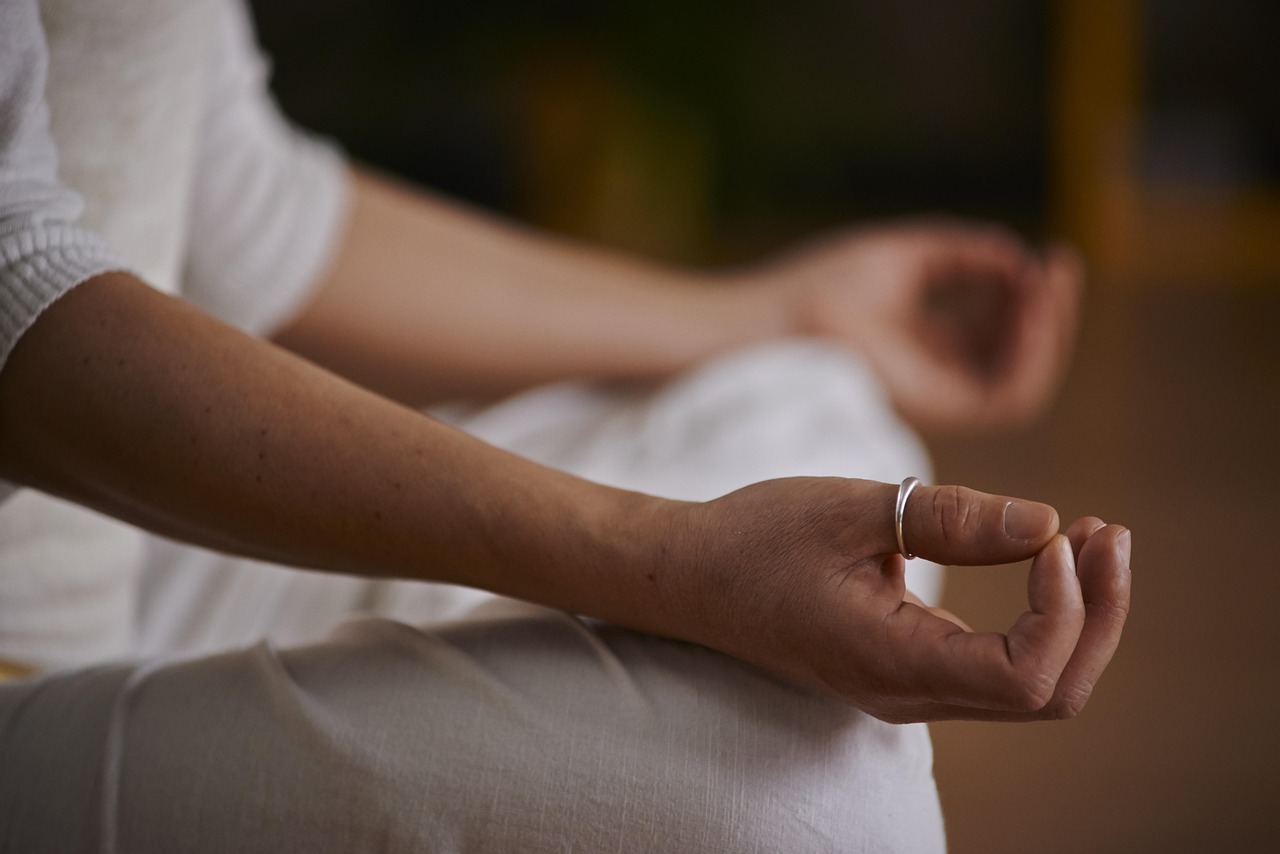
I discovered that not all mindfulness happens on a cushion. Research from Harvard in 2024 highlighted that mindful moments during daily tasks—like washing dishes or sipping coffee—can bring the same benefits as formal meditation. When I cut back on formal sessions, I paid more attention to small things: the sound of birds, the feel of water on my hands. Suddenly, calmness crept into ordinary moments. I realized meditation doesn’t have to mean sitting still with closed eyes. Life itself became a gentle meditation, and that felt incredibly freeing.
Quality Over Quantity
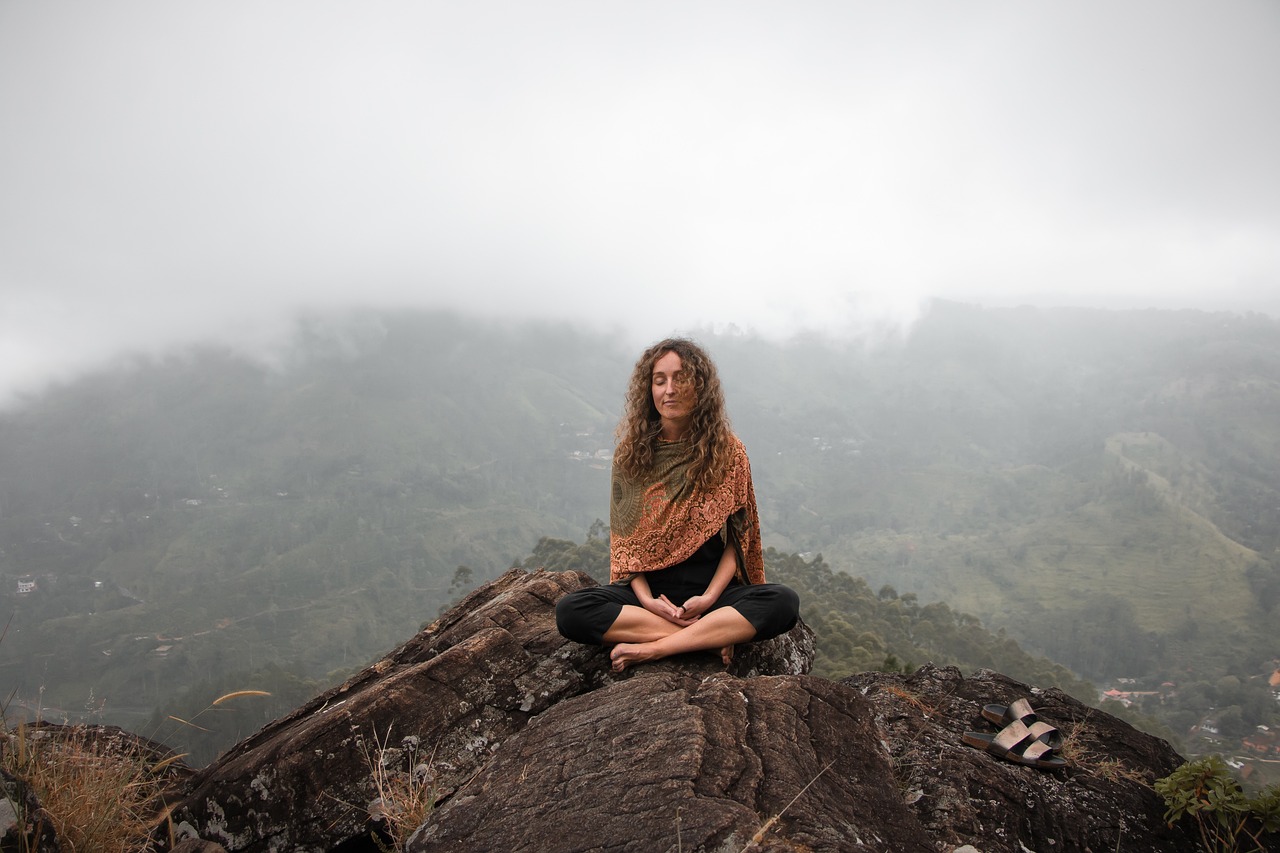
I used to measure my progress by the number of minutes I meditated. But a 2023 study from Stanford University found that short, high-quality sessions can be even more effective than long, distracted ones. Once I started meditating only when I really wanted to, those moments felt deeper and more meaningful. I wasn’t just checking off a box; I was actually present. It’s a lot like eating your favorite dessert—one bite savored slowly beats a whole plate rushed through. My mind felt clearer, and the calm lasted longer.
Finding Joy in Spontaneity
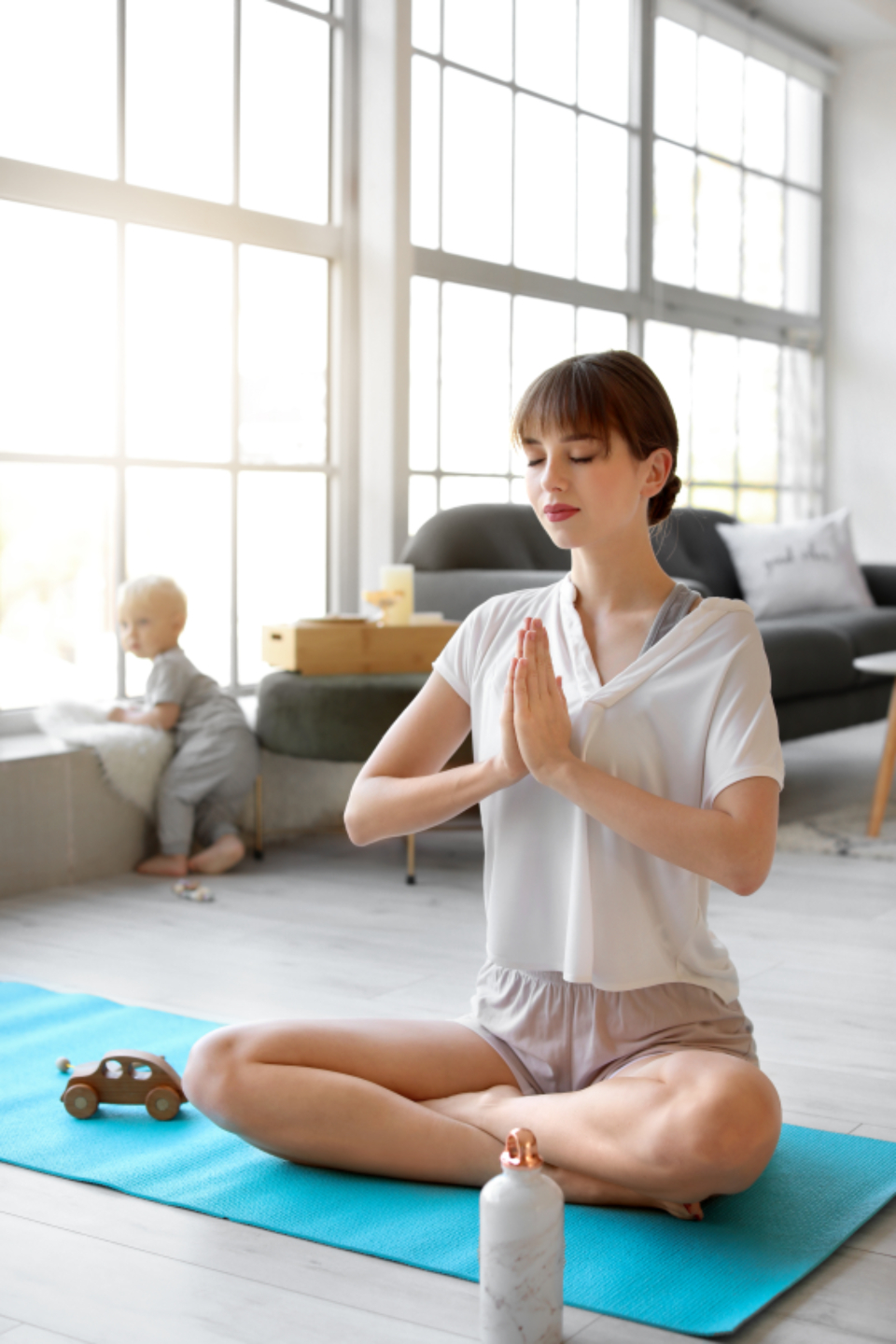
Meditation no longer felt like a chore when I did it spontaneously. According to Mindful magazine, mindfulness that comes naturally—rather than on a strict schedule—leads to greater happiness and less stress. I found myself closing my eyes for a few minutes on the train or pausing to breathe deeply while cooking. These unplanned moments brought a sense of lightness. I felt like I was finally breathing easily, not just following a rule. The unpredictability made the experience fresh and enjoyable, not just another item on my to-do list.
Escaping the Comparison Game
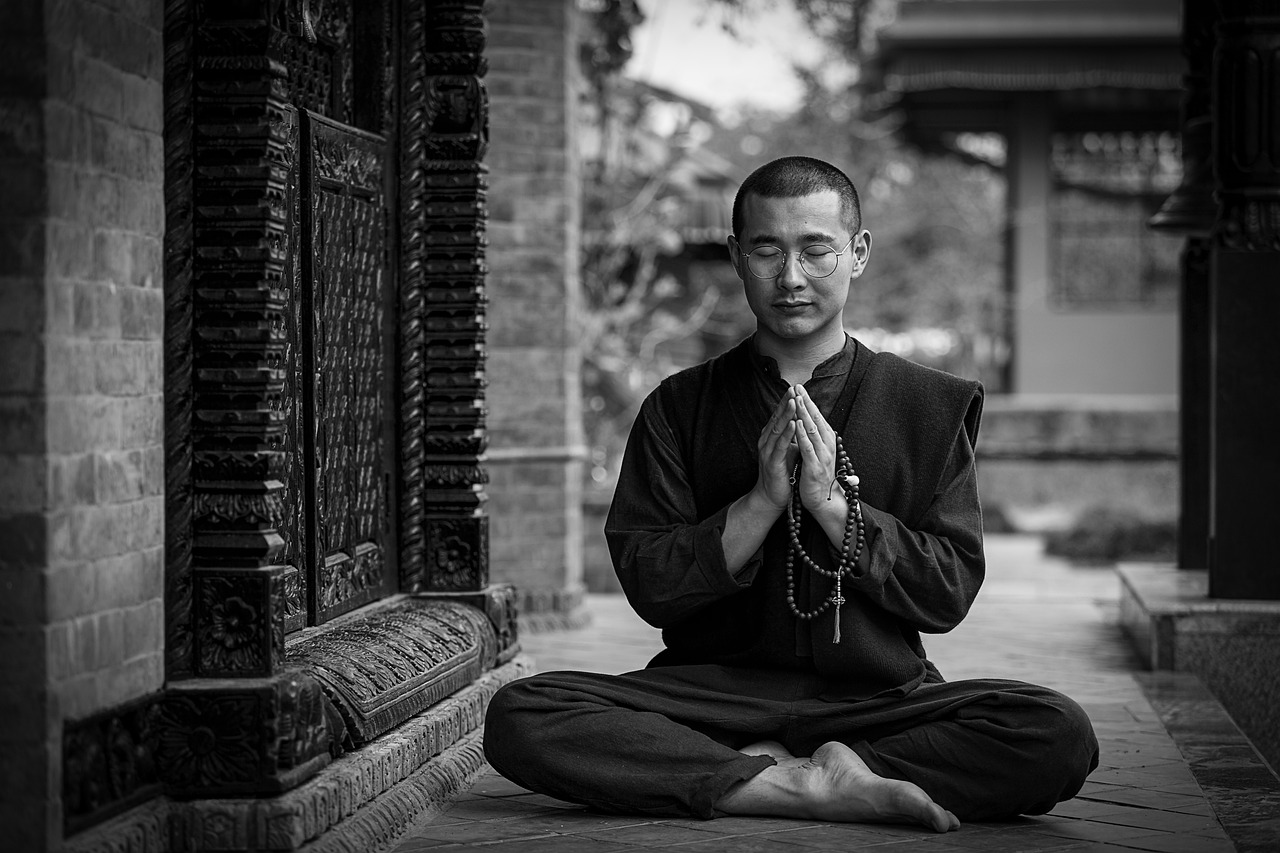
Scrolling through social media, I’d see people boasting about their hour-long meditations. It made me feel like I was falling behind. But research from the Pew Research Center in 2023 shows that comparing our spiritual practices can lead to increased anxiety and dissatisfaction. When I stopped comparing my practice to others, I felt more at peace with my unique path. I realized there’s no gold medal for the most minutes meditated. Calmer days came when I stopped measuring myself against someone else’s highlight reel.
Rediscovering the Power of Pauses
Sometimes, life pulls us in a thousand directions at once. I learned that taking intentional pauses—just a few deep breaths—could restore my calm faster than a long meditation session. The National Institutes of Health published findings in 2022 showing that conscious breathing for just 60 seconds can lower cortisol levels and reduce stress. I started sprinkling these micro-pauses throughout my day. It was like hitting a reset button. Instead of waiting for a perfect moment to meditate, I let small pauses refresh me again and again.
Less Meditation, More Connection
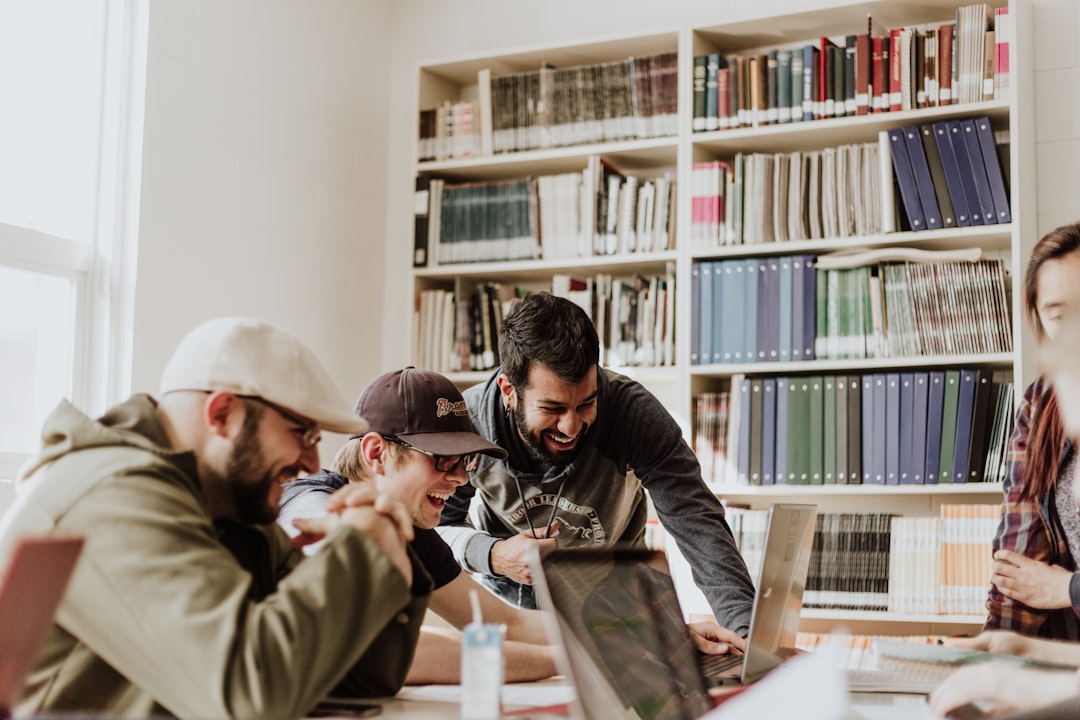
With less time spent meditating alone, I found more time to connect with others. Social connection, according to a 2023 report from the World Health Organization, is one of the strongest predictors of mental well-being. I started having more coffee dates, longer phone calls, and impromptu chats with neighbors. Surprisingly, these moments often left me feeling more grounded than meditation itself. I realized that sometimes, what I really needed was community—not solitude. The calm I found in laughter and shared stories was deeper than any silent session.
Trusting My Own Rhythm
Every person’s journey with mindfulness looks different. Researchers at UCLA found in 2024 that adapting meditation practices to individual rhythms increases satisfaction and long-term benefit. I started trusting my own instincts. Some weeks, I meditated more. Other weeks, less. Instead of feeling guilty or anxious, I felt empowered. My calm grew from honoring my unique pace. It’s a bit like dancing to your own beat—there’s no wrong way if it feels right for you.
Embracing Imperfection
I used to think that only “perfect” meditation would bring results. But as psychologist Dr. Kristin Neff often reminds us, self-compassion is more powerful than self-criticism. Letting myself be imperfect—meditating less, or not at all some days—became the key to deeper calm. I stopped striving and started accepting. That acceptance spilled into other areas of life, making me more patient and less reactive. It’s not about being the “best” meditator; it’s about being kind to yourself, every step of the way.
Reclaiming My Time
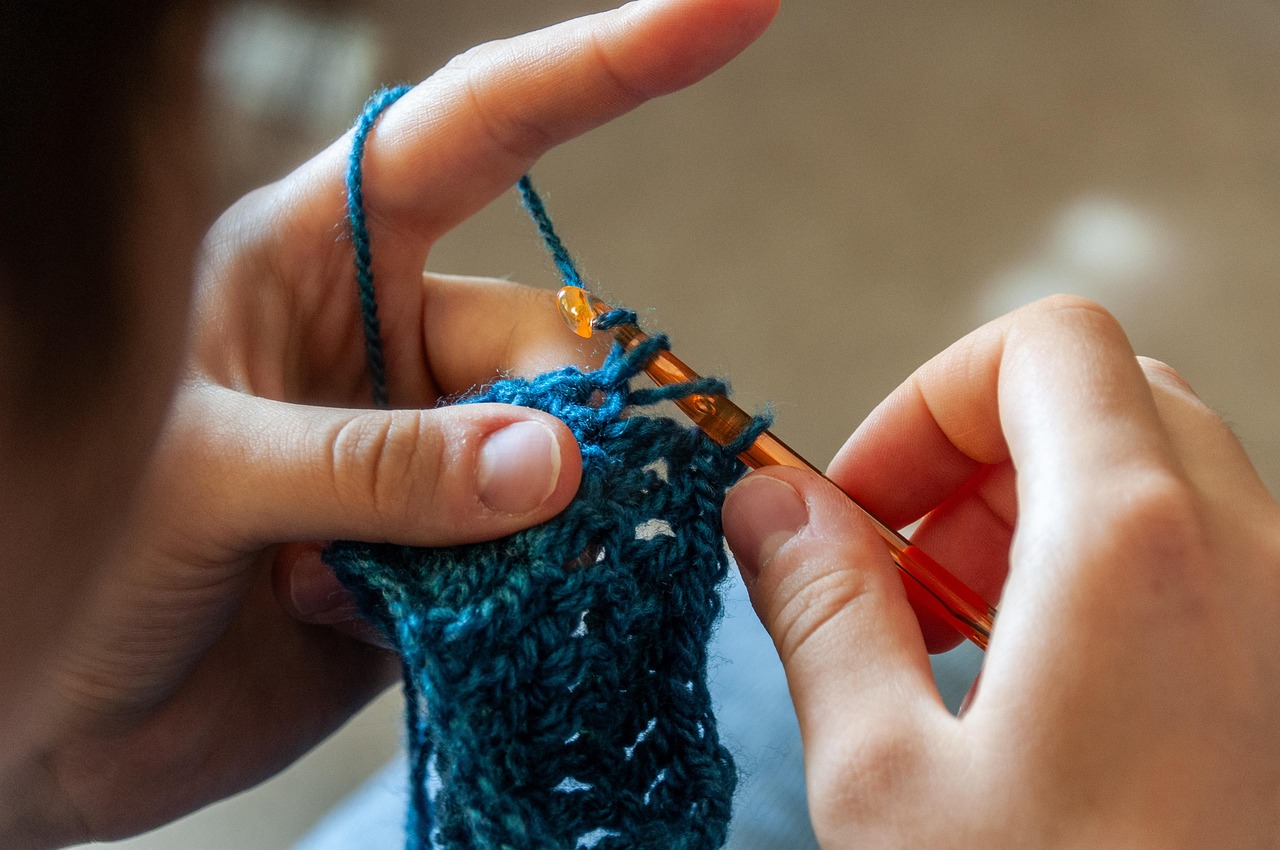
With less pressure to meditate, I found pockets of time opening up. I picked up old hobbies and discovered new interests. According to a 2024 Gallup poll, people who engage in creative activities report higher levels of happiness and lower stress. I painted, I wrote, I even learned to bake bread. Each activity became its own form of meditation, bringing joy and presence. Life felt fuller, not emptier, when I stopped filling every quiet moment with formal practice.