
Meditation is a powerful tool that can enhance your mental clarity, emotional stability, and overall well-being. While many people are familiar with traditional practices like mindfulness and transcendental meditation, there are numerous other transformative techniques that can offer unique benefits. In this article, we will explore ten meditation practices that you may not have tried yet, each with its own distinct approach and advantages.
Sound Bath Meditation

Sound bath meditation involves immersing yourself in sound waves produced by instruments such as singing bowls, gongs, and chimes. The vibrations from these sounds can help to induce a deep state of relaxation and promote healing. Participants typically lie down in a comfortable position while the sound waves wash over them, allowing for a meditative experience that can lead to reduced stress and anxiety. This practice is particularly beneficial for those who find it difficult to quiet their minds through traditional meditation. Imagine the soothing sound of ocean waves lulling you into tranquility; that’s the essence of a sound bath. The enveloping sounds can transport you to a place of serenity, making it easier to disconnect from daily stressors.
Guided Visualization
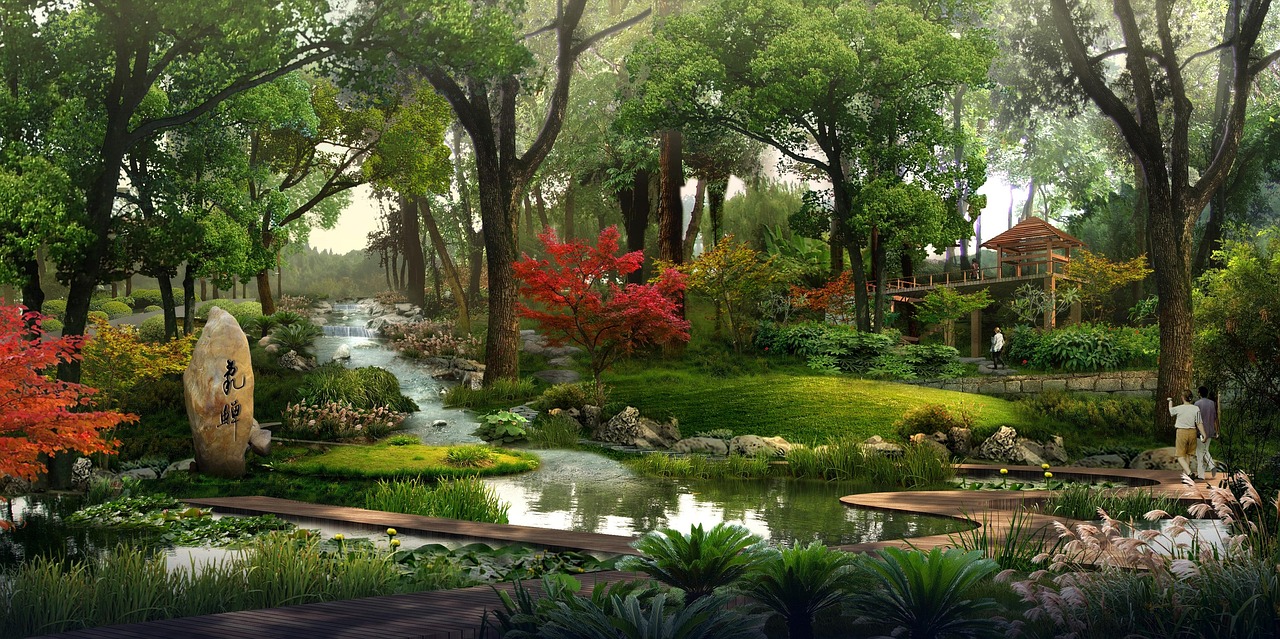
Guided visualization is a meditation technique where you are led through a series of mental images or scenarios, often by a facilitator or a recording. This practice encourages you to visualize a peaceful setting or a desired outcome, helping to manifest your goals and reduce stress. By engaging your imagination, guided visualization can enhance creativity and foster a sense of calm. It is especially useful for individuals who struggle with focusing during meditation, as the guidance provides a clear path for the mind to follow. Think of it as a mental vacation, where your mind takes a detour to a place of peace and possibility.
Walking Meditation
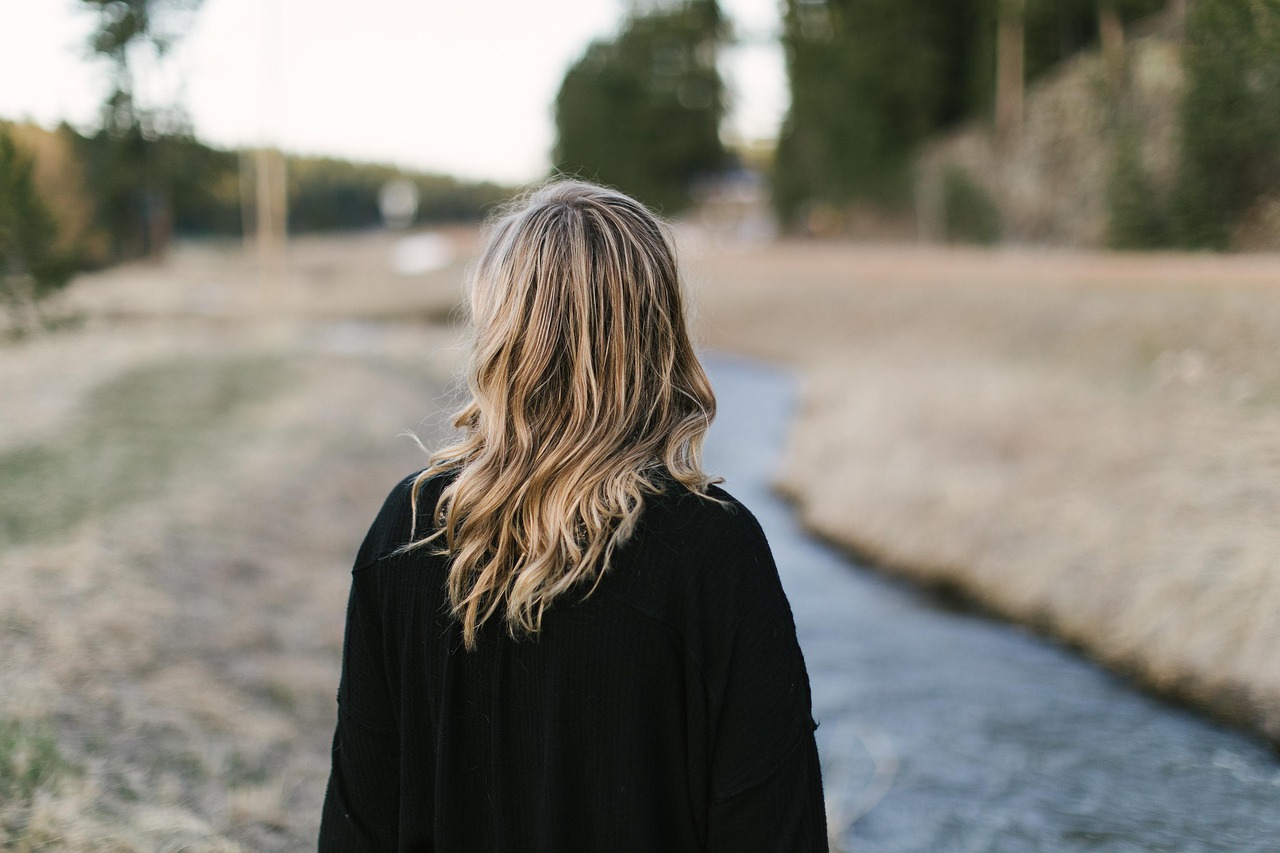
Walking meditation combines the benefits of physical movement with mindfulness practice. Instead of sitting still, you focus on the sensations of walking, such as the feeling of your feet touching the ground and the rhythm of your breath. This practice encourages you to be present in the moment and can be particularly grounding for those who find it challenging to sit still. Walking meditation can be done in nature or even in your home, making it a versatile option for anyone looking to incorporate mindfulness into their daily routine. It’s like taking a stroll with your mind, where each step is a reminder of the present moment.
Loving-Kindness Meditation (Metta)
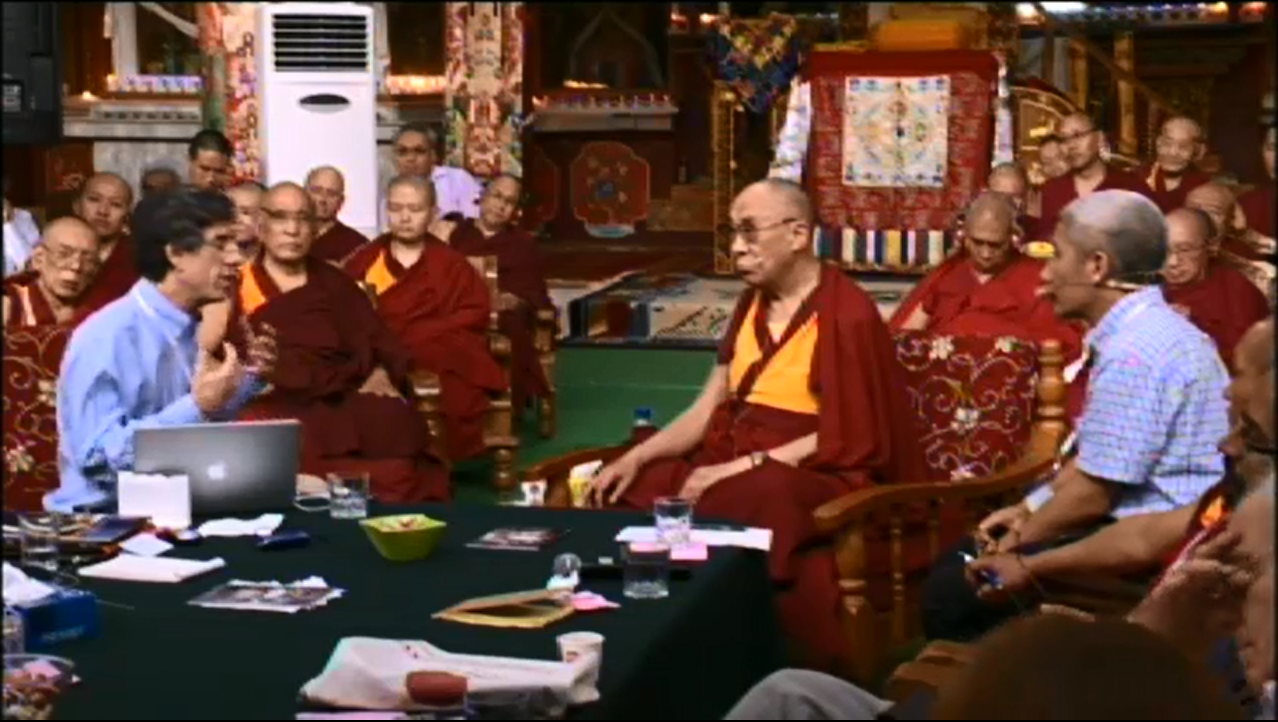
Loving-kindness meditation, also known as Metta, is a practice that focuses on cultivating feelings of compassion and love towards oneself and others. This technique involves silently repeating phrases that express goodwill and kindness, first towards yourself and then extending those feelings to loved ones, acquaintances, and even those with whom you have conflicts. Research has shown that practicing loving-kindness meditation can increase positive emotions and decrease negative feelings, making it a valuable tool for enhancing emotional well-being. Imagine sending out ripples of kindness, like tossing a pebble into a calm pond, spreading warmth and love.
Body Scan Meditation
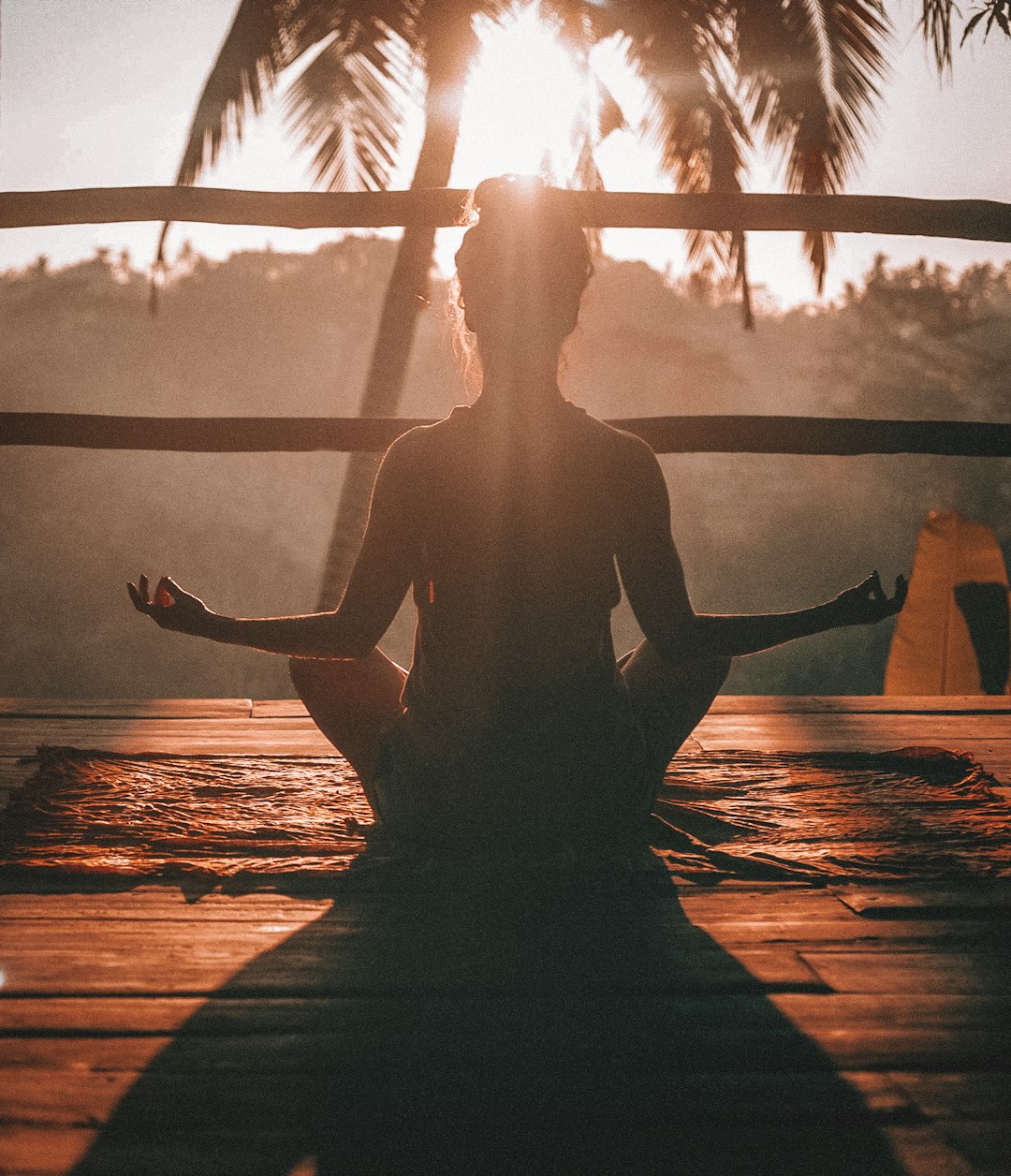
Body scan meditation is a practice that involves paying close attention to different parts of your body, often starting from the toes and moving up to the head. This technique encourages you to notice sensations, tension, or discomfort in each area, promoting relaxation and awareness of bodily sensations. By focusing on the body, you can develop a deeper connection between your mind and physical self, which can lead to reduced stress and improved overall health. Body scans can be particularly helpful for those dealing with chronic pain or anxiety. It’s like conducting a gentle survey of your body, discovering hidden tensions and releasing them.
Breathwork Meditation
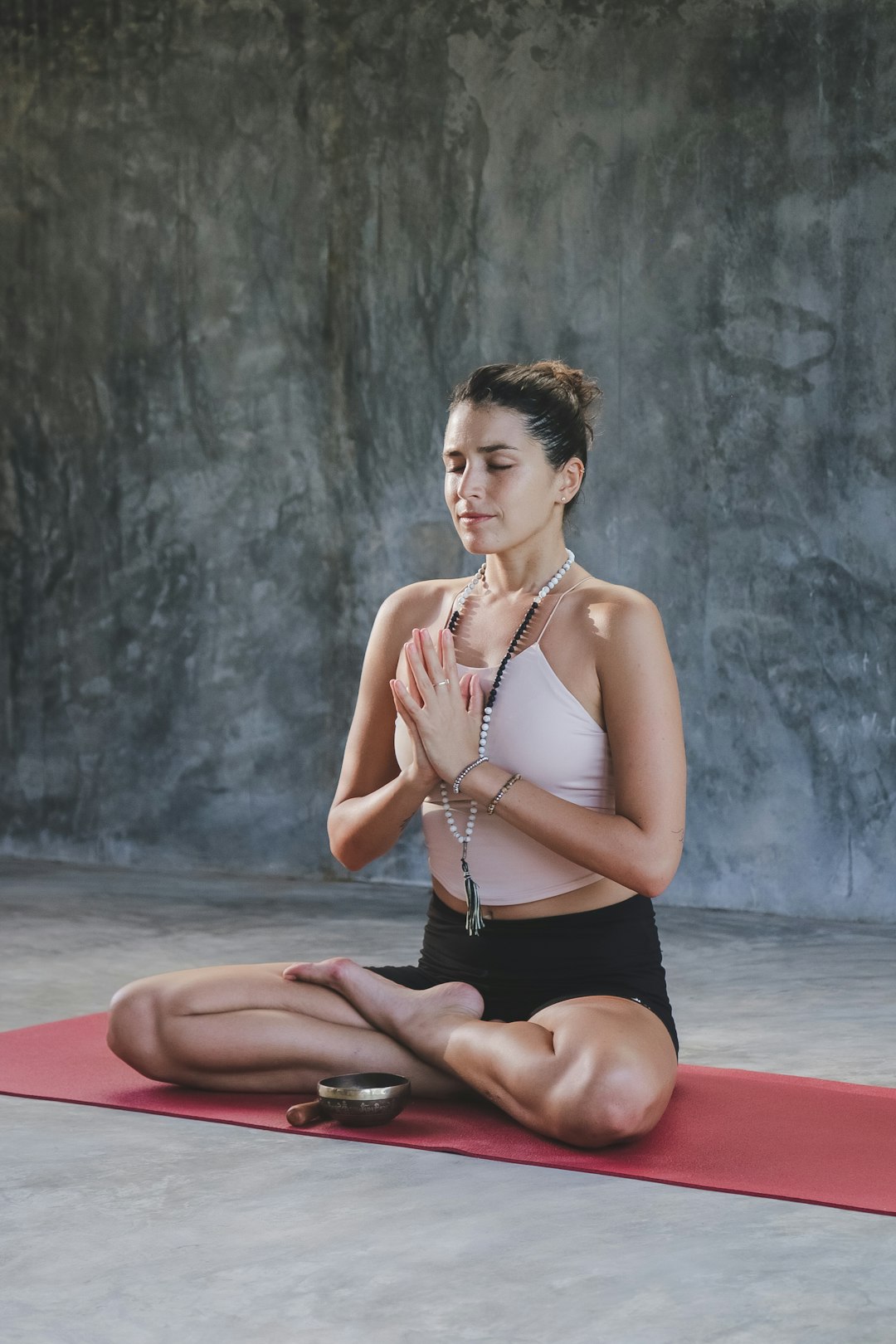
Breathwork meditation focuses on the conscious control of your breath to enhance physical, emotional, and spiritual well-being. This practice can involve various techniques, such as deep breathing, alternate nostril breathing, or rhythmic breathing patterns. Breathwork can help to calm the nervous system, increase energy levels, and promote mental clarity. It is an accessible practice that can be done anywhere and is especially beneficial for those looking to manage stress or anxiety in their daily lives. Imagine harnessing the power of your breath, like a gentle breeze that clears away mental fog and stress.
Chakra Meditation
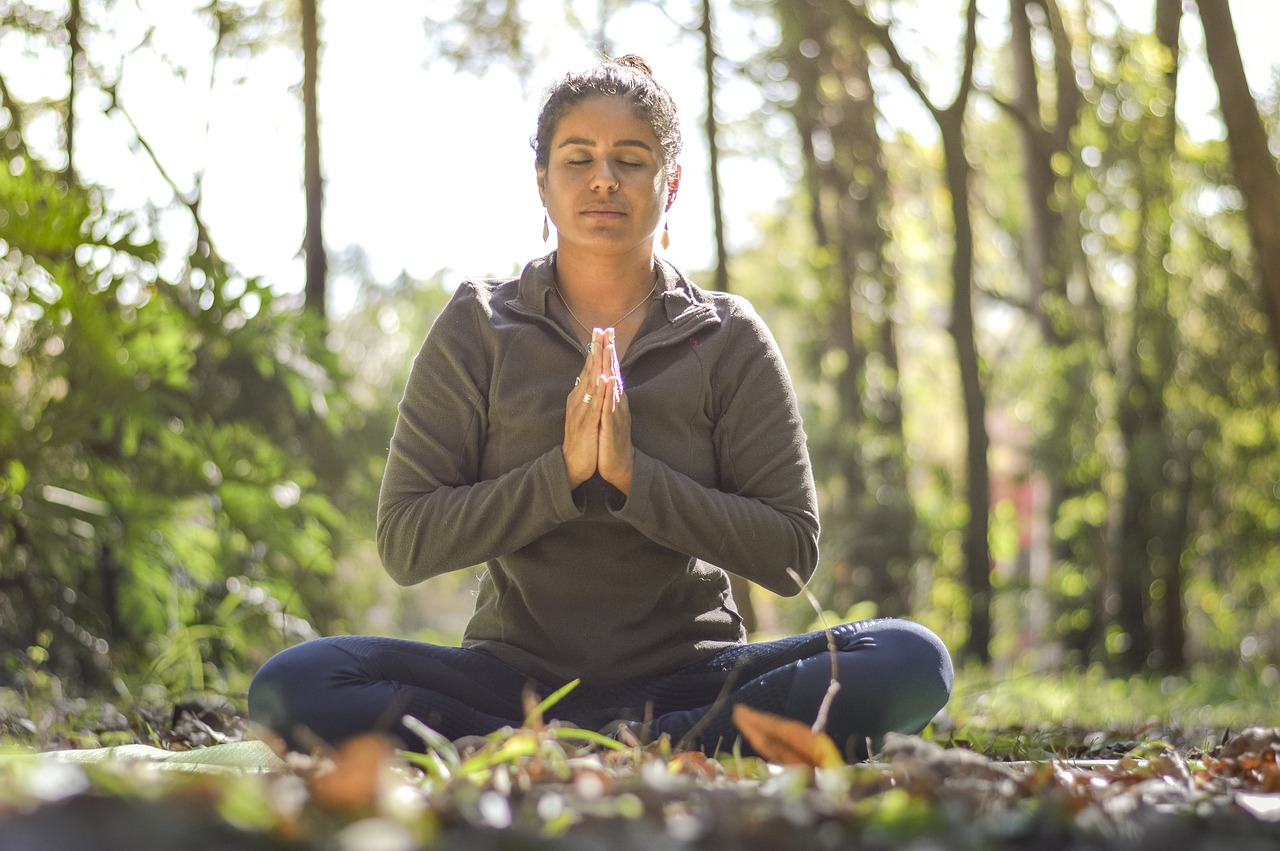
Chakra meditation is based on the belief that there are seven energy centers in the body, known as chakras, that correspond to different physical and emotional aspects of our being. This practice involves focusing on each chakra, often using visualization or specific sounds (mantras) to balance and align these energy centers. By working with chakras, practitioners can enhance their emotional health, increase self-awareness, and promote overall well-being. Chakra meditation can be particularly transformative for those seeking to deepen their spiritual practice. It’s like tuning an instrument, ensuring that each note resonates harmoniously within you.
Nature Meditation
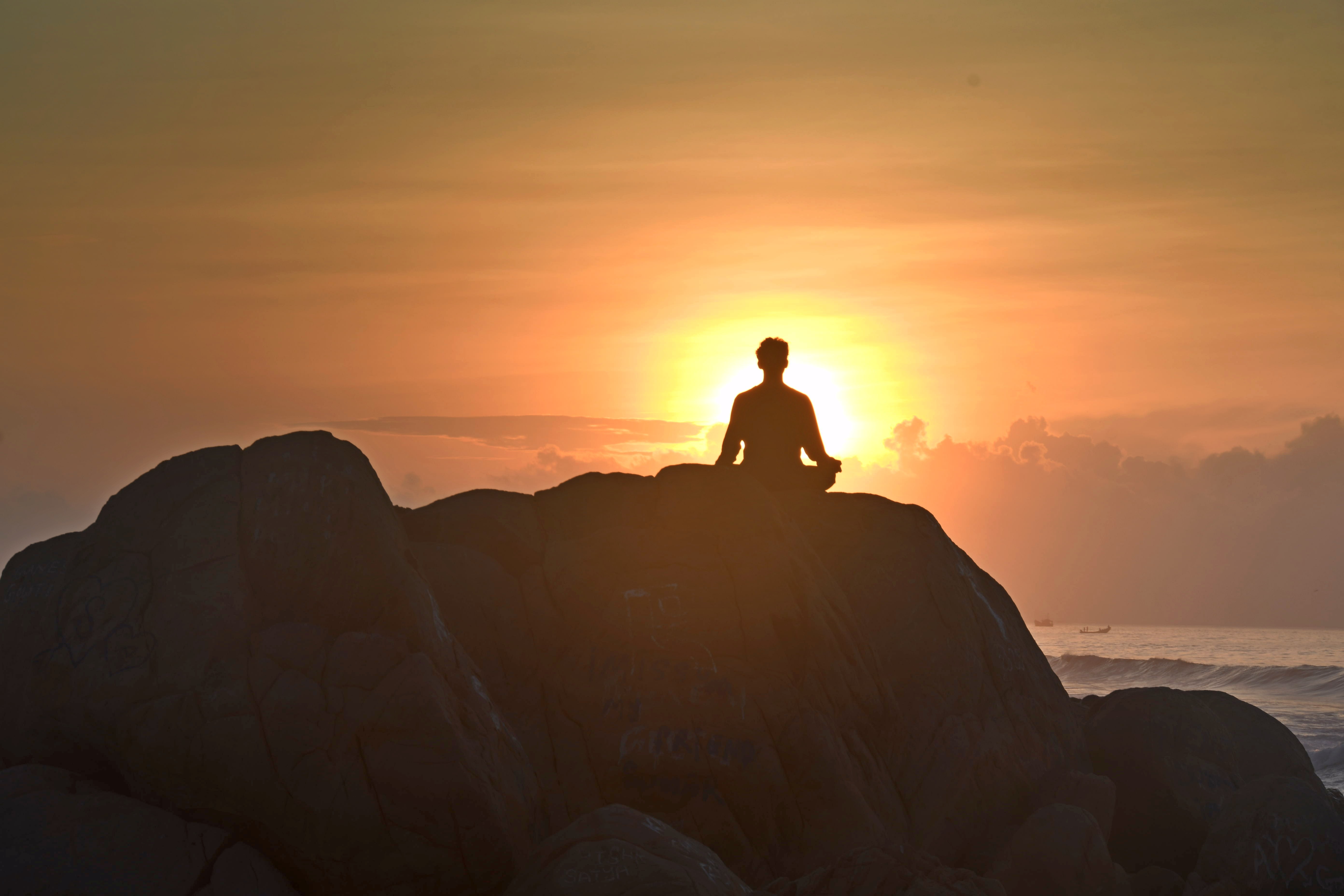
Nature meditation involves immersing yourself in the natural world to enhance your mindfulness practice. This can include activities such as sitting quietly in a park, hiking in the woods, or simply observing the beauty of nature around you. The sights, sounds, and smells of nature can help to ground you and promote a sense of peace and tranquility. Research has shown that spending time in nature can reduce stress, improve mood, and enhance overall mental health, making nature meditation a powerful practice for anyone looking to reconnect with the earth. Picture yourself as a leaf floating on a gentle stream, carried by the rhythm of nature.
Journaling Meditation

Journaling meditation combines the reflective practice of writing with mindfulness. This technique encourages you to write down your thoughts, feelings, and experiences in a non-judgmental way, allowing for deeper self-exploration and understanding. By putting pen to paper, you can clarify your thoughts, process emotions, and gain insights into your life. Journaling can serve as a powerful tool for personal growth and is especially beneficial for those who find it difficult to express themselves verbally. It’s like having a conversation with your inner self, where the page becomes a mirror reflecting your innermost thoughts.
Art Meditation
Art meditation involves using creative expression as a form of meditation. This can include drawing, painting, or any other artistic activity that allows you to focus your mind and express your feelings. The process of creating art can be therapeutic and can help to reduce stress and anxiety. By engaging in art meditation, you can tap into your creative side while also cultivating mindfulness and presence in the moment. This practice is perfect for those who enjoy being hands-on and want to explore their emotions through art. Imagine painting your emotions onto a canvas, each stroke a release of pent-up energy.
In conclusion, these ten transformative meditation practices offer unique ways to enhance your mindfulness journey. Whether you are looking to reduce stress, increase self-awareness, or foster emotional well-being, there is a technique here that can resonate with you. By exploring these lesser-known practices, you may discover new pathways to inner peace and personal growth. So why not give them a try? You might just find a new favorite meditation practice that transforms your life.