

Meditation has been a cornerstone of spiritual and mental practices across cultures for thousands of years. Yet, as time marches on, some ancient meditation traditions have slipped into obscurity, overshadowed by more contemporary or accessible methods. This article delves into ten such traditions, exploring their origins, techniques, and the reasons they have faded from mainstream practice.
The Vedic Meditation

Vedic meditation finds its roots in the Vedas, the ancient sacred texts of India. This form of meditation involves the repetition of mantras—specific sounds or phrases—to transcend ordinary thought and achieve a state of deep relaxation. The power of Vedic meditation lies in its ability to quiet the mind and promote inner peace. However, its decline is largely due to the rise of more accessible meditation practices like mindfulness, which require less training and commitment. Despite its profound benefits, the structured nature of Vedic meditation can be a barrier for those seeking a quick and easy meditation solution.
Taoist Meditation

Taoist meditation is deeply embedded in Chinese philosophy, focusing on harmony with nature and the universe. Techniques often include breath control, visualization, and movement, frequently practiced in tandem with Tai Chi. Despite its comprehensive approach to achieving balance and well-being, Taoist meditation has lost ground as Western meditation practices have gained popularity. Many people are drawn to the simplicity and immediate results of these newer methods, overlooking the rich history and benefits of Taoist traditions. The intricate teachings of Taoism may also intimidate newcomers, leading them to explore more straightforward options.
Dzogchen

Dzogchen, a vital element of Tibetan Buddhism, emphasizes recognizing and maintaining the natural state of the mind. Practitioners engage in specific meditative practices to achieve this heightened awareness. Although Dzogchen offers profound insights into the nature of consciousness, its complexity and the esoteric nature of Tibetan Buddhism have limited its appeal to the general public. The intricate teachings require dedication and understanding that may seem daunting to those unfamiliar with Buddhist philosophy. As a result, Dzogchen remains a hidden gem within the broader landscape of meditation practices.
Sufi Meditation
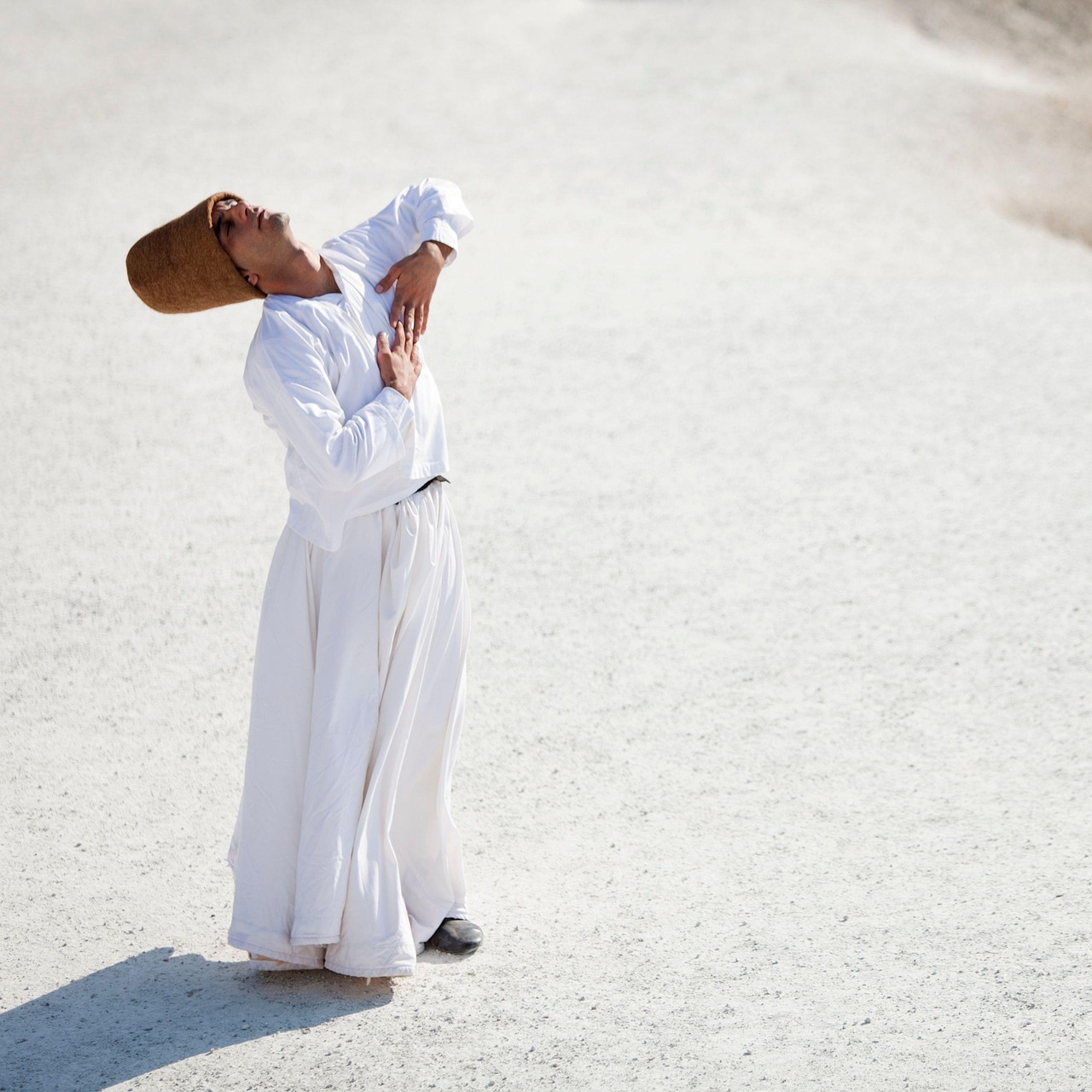
Sufi meditation, a mystical branch of Islam, incorporates practices like Dhikr, which involves the repetitive chanting of God’s names. This form of meditation seeks to cultivate a deep spiritual connection and inner peace. However, Sufi meditation has seen a decline in recognition, often overshadowed by more generalized forms of spirituality that appeal to a broader audience. The nuanced nature of Sufi practices may deter those who are unfamiliar with Islamic traditions, leading them to explore more accessible spiritual paths. Despite this, Sufi meditation remains a powerful method for those seeking a profound connection with the divine.
Zen Meditation (Zazen)

Zen meditation, or Zazen, is renowned for its emphasis on sitting in silence and observing thoughts without attachment. While Zen remains popular, many traditional aspects have faded over time. The rigorous discipline of Zen practice has been diluted by the commercialization of meditation, leading to a superficial understanding of its philosophical roots. The popularity of more casual meditation practices has overshadowed the deeper spiritual insights offered by Zen, causing a shift in focus away from its traditional teachings. However, for those who delve into its depths, Zen meditation continues to offer transformative experiences.
Native American Meditation

Various Native American tribes have unique meditation practices intertwined with rituals and nature. These practices promote a deep connection to the earth and spiritual ancestors. Unfortunately, the fading of these traditions can be attributed to cultural appropriation and the loss of indigenous knowledge due to colonization. As Western cultures have adopted and adapted elements of Native American spirituality, the authenticity and depth of these practices have been compromised. Despite these challenges, efforts to preserve and revitalize Native American meditation traditions continue, honoring the wisdom of indigenous cultures.
Egyptian Meditation

In ancient Egypt, meditation was an integral part of spiritual rituals, often involving visualization and breath control. The Egyptians believed that meditation could connect them with the divine, offering a pathway to spiritual enlightenment. However, this tradition has largely disappeared, with little documentation remaining to illuminate its practices and significance. The scarcity of historical records has left modern practitioners with limited understanding of Egyptian meditation, contributing to its decline. Despite this, the allure of ancient Egyptian spirituality continues to captivate those seeking to explore forgotten traditions.
Christian Contemplative Prayer

Christian contemplative prayer focuses on silent prayer and contemplation of God. While some monastic communities still practice it, the broader Christian community has shifted towards more vocal forms of worship. This shift has led to a decline in contemplative practices that emphasize silence and inner reflection. The fast-paced nature of modern life may also deter individuals from engaging in the quiet introspection required by contemplative prayer. Nonetheless, for those who embrace it, contemplative prayer offers a profound experience of divine presence and spiritual growth.
Shamanic Journeying

Shamanic practices often involve meditation to connect with the spirit world. Through drumming and guided imagery, practitioners seek guidance and healing. However, as modern spirituality has evolved, traditional shamanic practices have been commercialized, leading to a loss of authenticity and depth. The commodification of shamanic traditions has resulted in a diluted understanding of their spiritual significance. Despite these challenges, genuine shamanic practitioners continue to uphold the integrity of their traditions, offering a bridge to the spiritual realms for those who seek it.
The Art of Mindfulness in Ancient Greece

The ancient Greeks practiced mindfulness through philosophical contemplation, focusing on self-awareness and ethical living. This tradition emphasized the importance of introspection and personal growth. However, as modern interpretations of mindfulness have emerged, the philosophical underpinnings that provided depth to the practice have been stripped away. The focus on quick and easy mindfulness techniques has overshadowed the rich history of Greek philosophical contemplation. Despite this, the timeless wisdom of ancient Greek mindfulness continues to inspire those who seek a deeper understanding of themselves and the world around them.