

The Paralyzing Power of Too Many Thoughts

Overthinking is surprisingly common, affecting nearly 73% of adults at least occasionally, according to a 2023 study by the University of Michigan. When your mind gets stuck in a loop of endless scenarios and what-ifs, it’s like being caught in quicksand: the more you struggle, the deeper you sink. This mental paralysis can make even simple decisions feel overwhelming. People who overthink often delay starting important tasks, which leads to missed deadlines and increased stress. Research shows that spending too much time analyzing choices can reduce the likelihood of taking action at all. In the workplace, this kind of paralysis can result in missed opportunities and lost productivity. Overthinking doesn’t just slow you down; it can stop you in your tracks.
Decision Fatigue: When Choices Become a Burden

Each day, the average adult makes about 35,000 decisions, big and small. When you overthink, your brain works overtime on each one, draining your mental energy. Psychologist Dr. Roy Baumeister’s research on decision fatigue reveals that the more choices you face, the harder each one becomes, leading to poorer decisions as the day goes on. Overthinkers are especially vulnerable to this, because they revisit and second-guess their options repeatedly. As a result, they are more likely to make mistakes or avoid decisions altogether. This ongoing cycle saps the energy needed for creative or strategic work. By the end of the day, there’s often nothing left in the tank for tasks that matter most.
Lost Momentum: How Overthinking Delays Progress

Momentum is crucial for productivity. Once you start a task and get into a rhythm, you’re more likely to finish it quickly and efficiently. Overthinking, however, acts as a roadblock, slowing you down right from the start. According to a 2022 survey by the American Psychological Association, overthinkers are twice as likely to procrastinate on important jobs compared to those who act decisively. Every minute spent dwelling on “what ifs” is a minute lost to action. The longer you hesitate, the harder it becomes to regain momentum. This loss of flow can turn a simple project into a drawn-out ordeal, making it feel impossible to complete.
Stress and Anxiety: The Hidden Costs

Overthinking is closely tied to increased stress and anxiety. The American Institute of Stress reports that 33% of people feel extreme stress due to overthinking at work. When you constantly replay scenarios in your mind, your body responds as if there’s a real threat, releasing stress hormones like cortisol. Over time, this chronic stress can lead to headaches, insomnia, and even heart problems. These physical and mental symptoms further reduce your ability to focus and be productive. Instead of moving forward, you end up stuck in a cycle of worry and exhaustion, making it even harder to get things done.
Perfectionism and the Fear of Mistakes

Many overthinkers believe that if they analyze a problem long enough, they can avoid any mistakes. But striving for perfection often backfires. Studies from Stanford University show that perfectionists are less productive because they spend excessive time on details that don’t significantly impact the outcome. The fear of making the “wrong” choice can keep people from making any choice at all. This perfectionism creates a bottleneck in productivity, as tasks pile up waiting for impossible standards to be met. The irony is that trying to avoid failure through overthinking often results in missed opportunities and incomplete work.
Impact on Teamwork and Collaboration

Overthinking doesn’t just affect individuals—it can drag down entire teams. When one team member hesitates or overanalyzes, it can delay group decisions and frustrate coworkers. According to a Gallup poll in 2023, teams with high levels of indecision are 27% less likely to meet project deadlines. Overthinkers may also avoid sharing ideas out of fear of criticism, which stifles creativity and open communication. This reluctance to participate can create bottlenecks, slow projects, and lower team morale. Effective teamwork requires trust and timely action, both of which are undermined by chronic overthinking.
Creative Block: Shutting Down Innovation
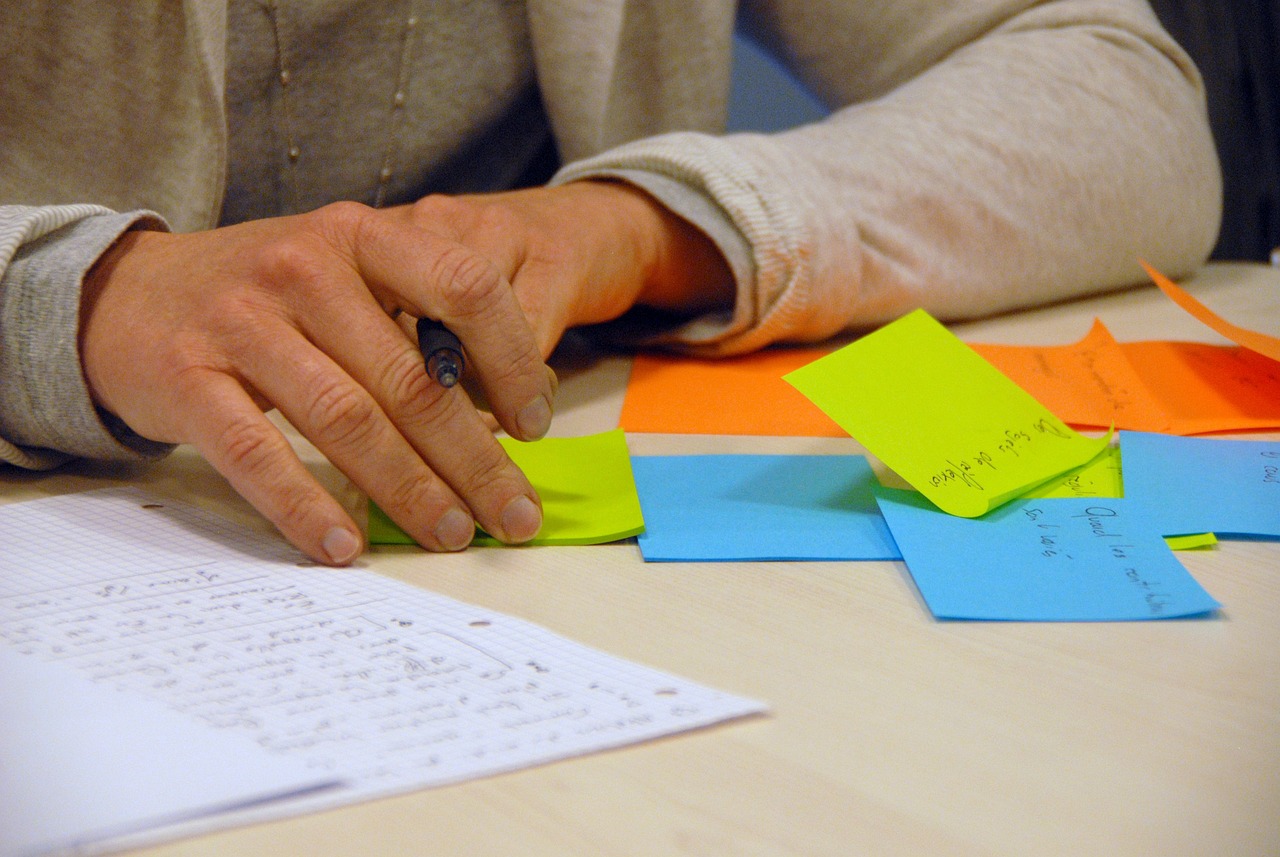
Creativity thrives on spontaneity and risk-taking, but overthinking shuts down both. Neuroscientific research from Harvard in 2024 shows that overthinking activates the brain’s “default mode network,” which is associated with self-doubt and rumination rather than innovation. When you’re stuck analyzing every possible outcome, it’s hard to let your imagination run free. This mental traffic jam blocks new ideas from surfacing. Businesses that encourage quick brainstorming and experimentation outperform those that get bogged down in endless analysis. In other words, overthinking is a serious threat to creative breakthroughs.
Time Wasted: The Real Cost of Overthinking

Time is the one resource you can’t get back, and overthinking is a notorious time thief. Data from RescueTime, a productivity tracking app, found that employees who struggle with overthinking spend up to 25% more time on routine tasks. Instead of making decisions and moving on, they revisit the same issues repeatedly, often without gaining new insights. This wasted time adds up quickly, leading to longer workdays and increased frustration. When hours are lost to indecision, there’s less time for meaningful work, relaxation, or personal growth.
The Link Between Overthinking and Burnout

Burnout is at an all-time high, with 59% of employees reporting symptoms in 2024 according to McKinsey’s global survey. Overthinking is a significant driver of burnout because it demands constant mental effort without producing results. The brain never gets a chance to rest, leading to exhaustion and disengagement. Overthinkers often report feeling “stuck” or hopeless, unable to break free from their mental loops. This chronic mental strain can lead to absenteeism, lower job satisfaction, and even long-term health issues. Addressing overthinking is critical for breaking the burnout cycle.
Breaking the Cycle: Practical Strategies That Work

The good news is that overthinking can be managed with conscious effort. Cognitive behavioral therapy (CBT) is one of the most effective treatments, helping people recognize and challenge unhelpful thought patterns. Mindfulness practices like meditation have been shown to reduce overthinking by up to 30%, according to a 2023 study from Johns Hopkins. Setting time limits for decision-making and prioritizing tasks can also help. Many successful professionals use a “good enough” approach, making decisions quickly and moving forward. By focusing on progress rather than perfection, it’s possible to reclaim productivity and peace of mind.