The Overwhelming Crowds: Art Becomes a Blur
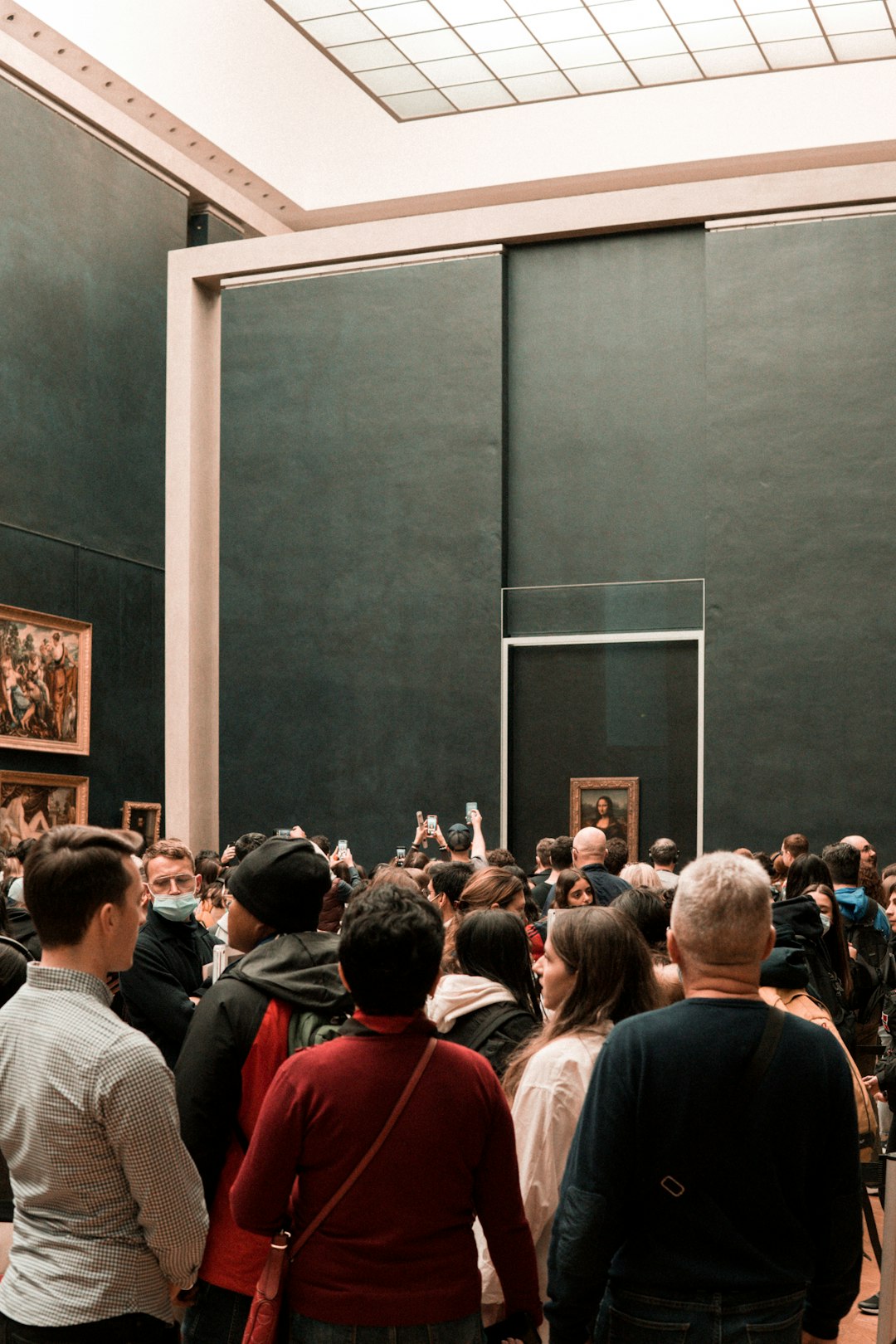
Standing shoulder-to-shoulder with hundreds of strangers, all jostling for a glimpse of a famous painting, can be exhausting. In 2024, the Louvre alone reported over 8 million visitors, many of whom crowd around the Mona Lisa for a fleeting photo. When you’re packed in like sardines, it’s hard to appreciate the quiet details or the emotional impact of a masterpiece. I remember trying to see Van Gogh’s Starry Night in New York, only to be pushed along by the flow of people, barely getting more than a hurried glance. Studies show that crowded environments increase stress and reduce our ability to focus on art (Journal of Environmental Psychology, 2023). For many, a museum visit has turned into a box-ticking exercise rather than a meaningful experience. The magic of seeing great art can simply vanish in all the chaos.
Ticket Prices: Art Isn’t Cheap Anymore
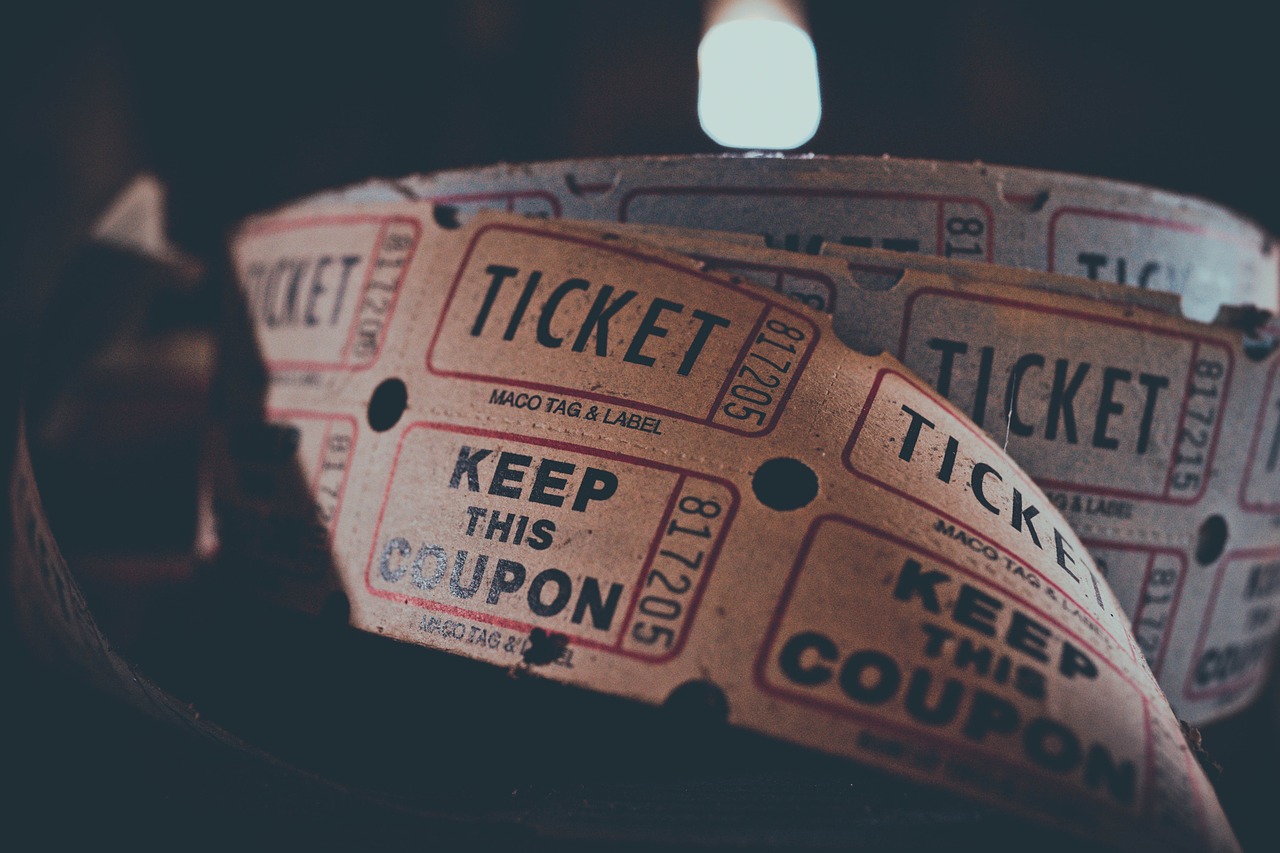
Let’s talk about the cost. In 2025, tickets to top museums like MoMA or the Uffizi now often exceed $30 per adult. That’s before you add special exhibitions or audio guides, which can tack on another $10 or $15. For a family, museum-going has quietly become a luxury. A 2024 survey by the American Alliance of Museums found that 42% of people skip museums due to high costs. I started to wonder if I was paying for the art, or just for the privilege of standing in line. It’s a big reason why I, and many others, have begun to look elsewhere for artistic inspiration.
Photo-Taking Mania: Experience Through a Screen
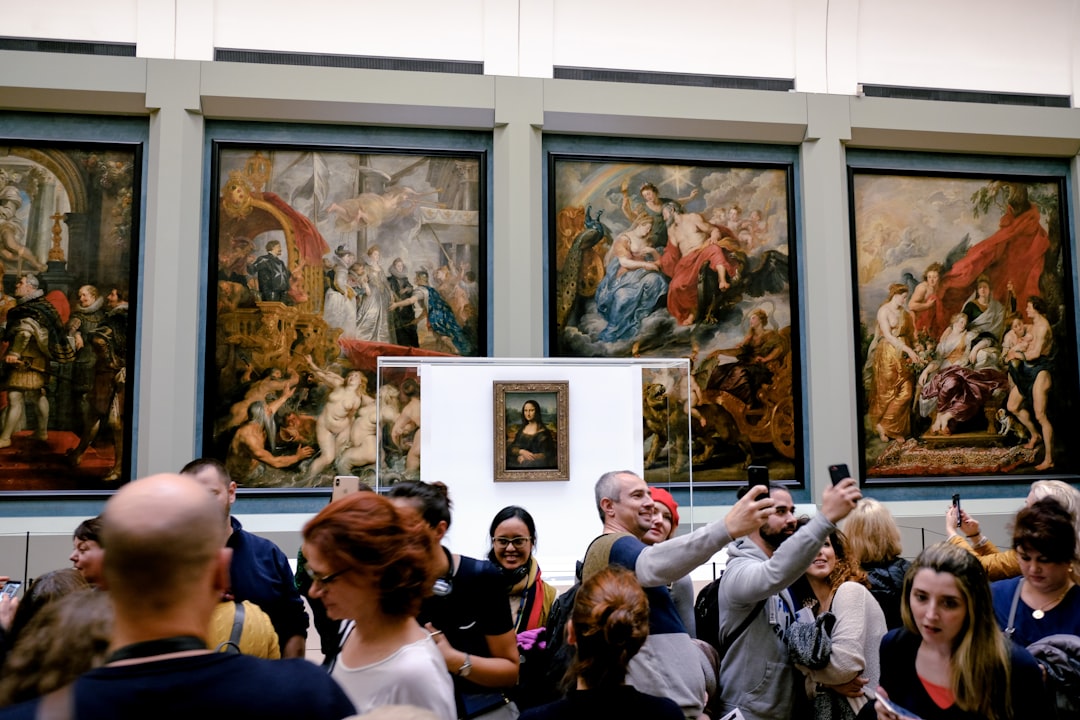
Everywhere you look, visitors are snapping selfies and recording videos, not really looking at the art itself. In 2023, the Getty Museum reported that over 60% of visitors spent more time photographing than observing. This habit changes the whole atmosphere. Instead of a quiet, contemplative space, the galleries feel like a social media parade. I once watched a group spend 15 minutes perfecting their pose in front of a Picasso, only to walk away without a single glance at the painting. Researchers at Fairfield University found that photographing objects actually reduces our memory and enjoyment of them (2023). It’s hard not to feel like the art is just a backdrop for Instagram.
Security Measures: The Constant Reminder of Risk
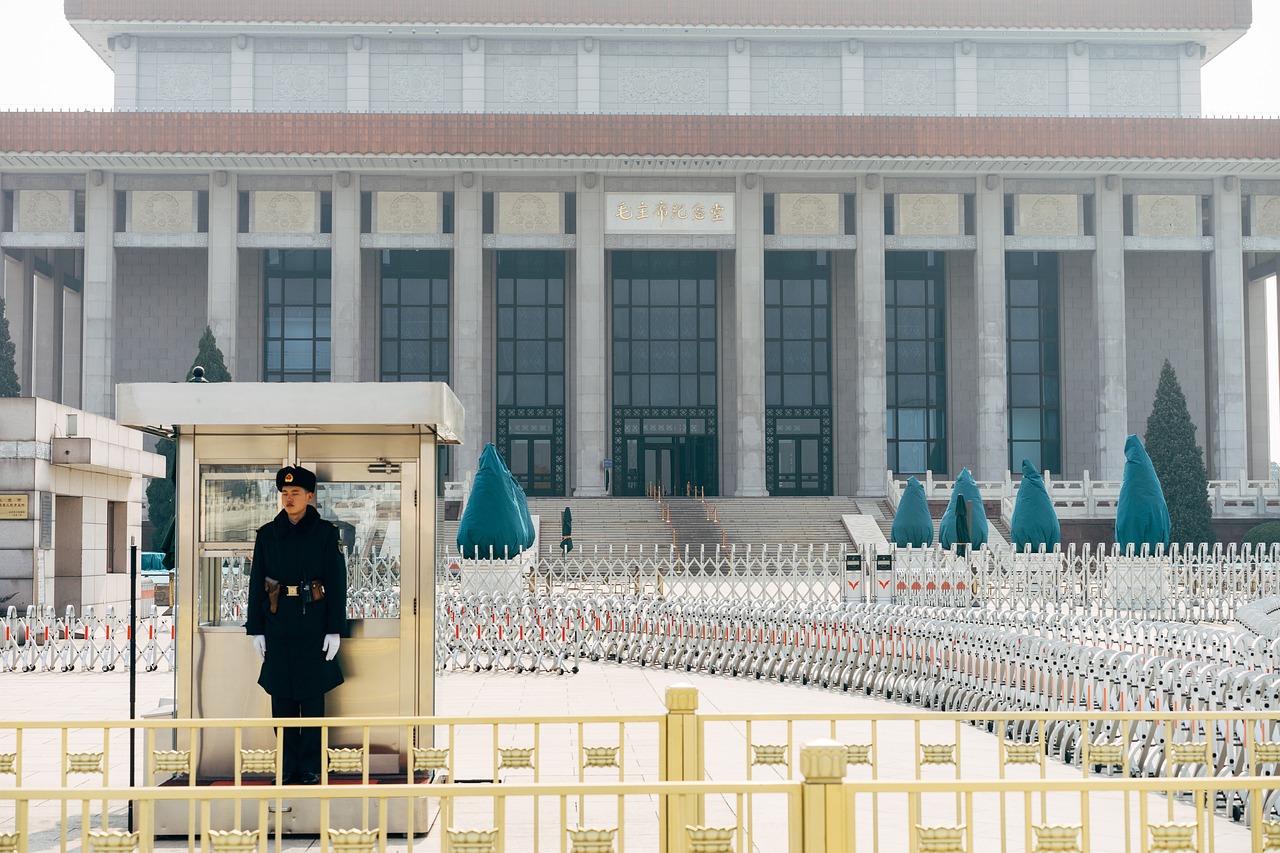
In 2024, after several high-profile art vandalism incidents, security in big museums reached new levels. You’ll find barriers in front of famous works, security guards positioned every few feet, and sometimes even glass cases that reflect light and obscure the art. While these steps protect priceless pieces, they also create a sense of distance and tension. I remember feeling like I was being watched more than the art was. According to a 2025 report by The Art Newspaper, 78% of visitors said security made them feel less comfortable and more distracted. It’s hard to relax and connect with art when you’re constantly reminded of potential danger.
The Same Old Masterpieces: Predictable and Repetitive

Let’s be honest—many famous museums showcase the same pieces year after year. The Mona Lisa, The Starry Night, Monet’s Water Lilies—these are all incredible, but after seeing them a few times, the excitement fades. A 2024 analysis of major museum collections found that less than 10% of works are rotated into public view annually. It starts to feel like you’re going through the motions, seeing what you’re supposed to see, rather than discovering something new. That sense of wonder and surprise, which drew me to art in the first place, has been replaced by predictability.
Limited Accessibility: Not Everyone Feels Welcome

Accessibility remains a major issue. According to the World Health Organization’s 2024 guidelines, nearly 1 in 6 people worldwide live with a disability, and many museums still aren’t fully accessible. From uneven floors to confusing layouts, the experience can be frustrating or even impossible for some guests. Surveys in 2025 show that visitors with mobility or sensory needs often skip museums because of these barriers. I’ve watched friends struggle to navigate crowded, poorly designed spaces. It’s disheartening to realize that the world’s great art is off-limits to so many.
Cultural Bias: Whose Art Gets Shown?

Another reason I stopped going is the lack of diversity in many museum collections. A 2024 study by the Public Library of Science found that over 85% of works in major Western museums were created by white, male artists. This narrow focus means entire cultures and voices are underrepresented. Visiting these galleries started to feel like hearing just one side of the global story. There’s a growing movement, especially among younger visitors, demanding more inclusive and representative collections. But change is slow, and for now, the imbalance is striking.
Short Attention Spans: The Modern Museum Rush
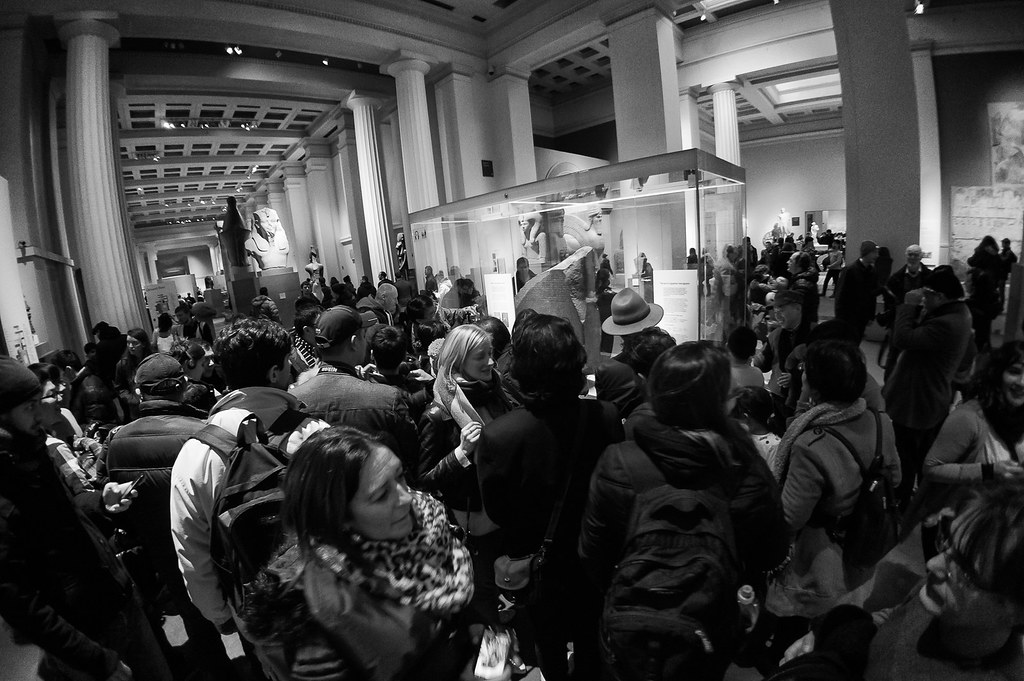
In our fast-paced world, it’s tempting to rush through museums, checking off highlights as quickly as possible. A 2024 study by the Pew Research Center found that the average visitor spends just 27 seconds looking at each work. That’s barely enough time to take in the colors, let alone the meaning. I found myself falling into this trap, too—skimming galleries, not really absorbing anything. It started to feel like speed-dating with art rather than a true connection. Museums are designed for slow looking, but the reality often doesn’t match the intention.
The Rise of Virtual Art: A New Way to Explore
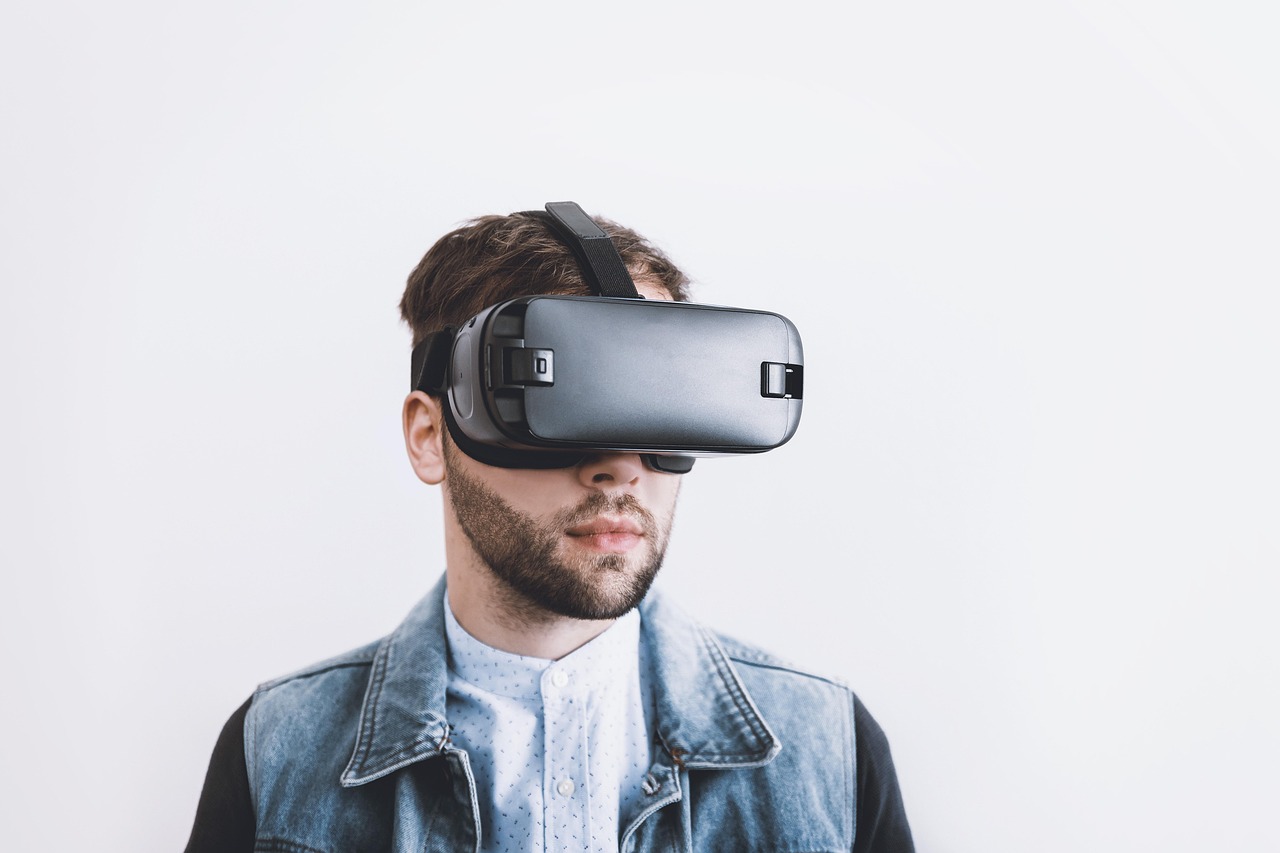
Technology has changed the way we experience art. In 2025, over 70% of museums now offer high-quality virtual tours, some with interactive features or augmented reality. According to Statista, online museum visits have more than doubled since 2019. I found myself preferring these digital experiences—they’re convenient, often free, and let you explore at your own pace. You can zoom in on details, read expert commentary, and even “visit” museums across the world in one afternoon. The digital shift has made art more accessible and personal for many people, including me.
Environmental Impact: The Hidden Cost of Art Tourism
Traveling to see famous art isn’t just expensive—it also leaves a sizable carbon footprint. According to a 2024 report from the International Council of Museums, museum-related tourism accounts for millions of tons of CO2 emissions each year. The crowds, the flights, the energy to keep massive galleries climate-controlled—it all adds up. More people are becoming aware of these impacts and reconsidering their travel habits. I started to feel uneasy about flying across continents just to glimpse a painting for a few seconds. The environmental argument is becoming impossible to ignore.
The Joy of Local and Alternative Art Spaces
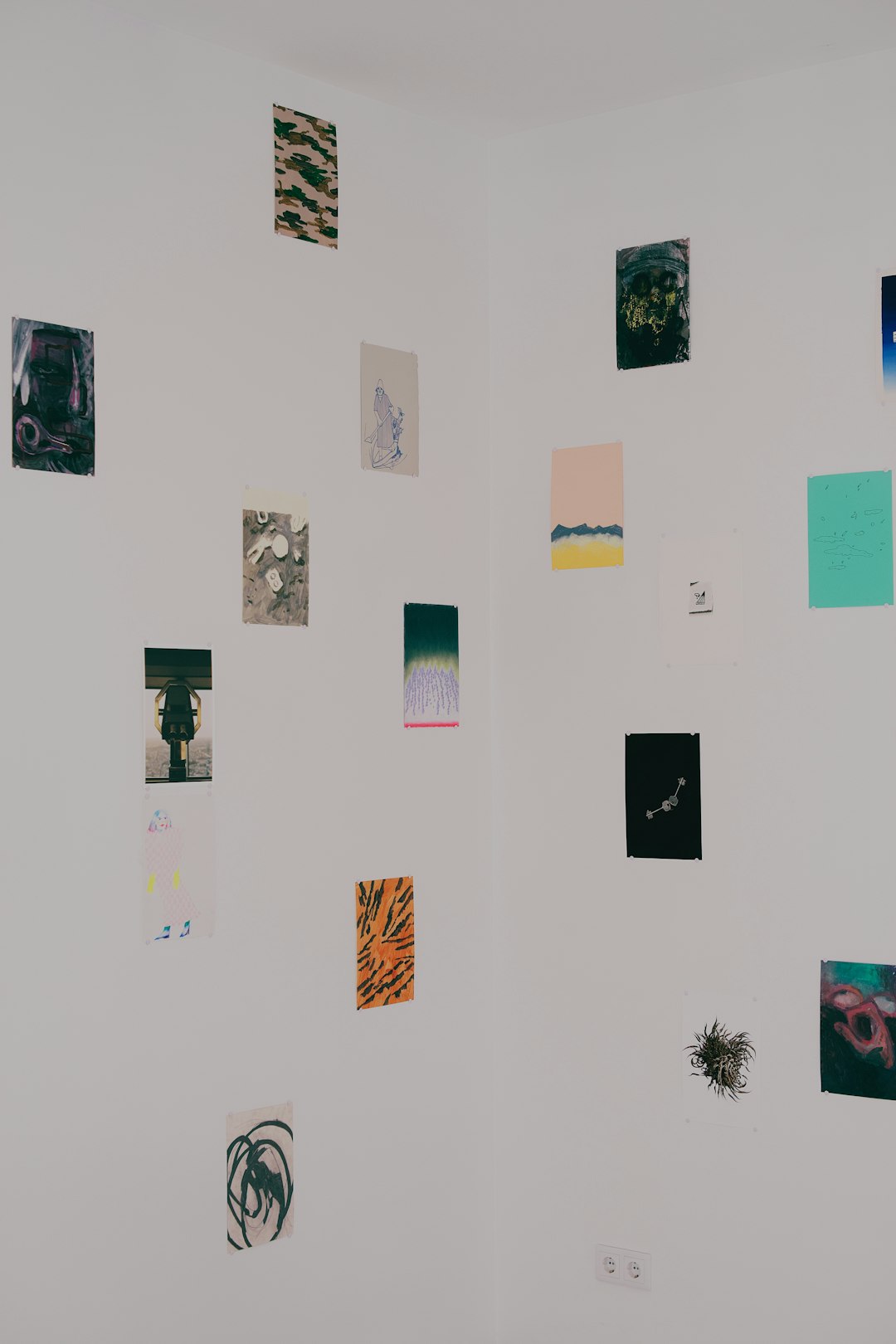
Turning away from blockbuster museums led me to discover community galleries, street art, and independent exhibitions. These places often feature emerging artists and offer a more personal, relaxed atmosphere. According to a 2025 survey by ArtNet, 68% of younger art lovers now prefer local or pop-up galleries over major institutions. I found myself having real conversations with artists, stumbling on unexpected works, and feeling inspired all over again. Sometimes, the best art is right around the corner, not behind velvet ropes and glass.
Personal Burnout: When Art Stops Feeling Special
After years of museum visits, I realized I was no longer excited—I was just going through the motions. The crowds, the cost, the sameness all began to weigh on me. A 2024 poll by Art Fund showed that 53% of regular museum-goers reported “art fatigue” and needed a break. I started to crave a more authentic, less pressured way to enjoy creativity. Stepping away from famous museums wasn’t just a protest—it was a way to fall in love with art all over again, on my own terms.