

The Day I Realized My Recycling Bin Was Lying to Me
It started with a simple question from my ten-year-old nephew: “Why does the recycling truck come to our house if nothing actually gets recycled?” I laughed it off at first, but his innocent question haunted me for weeks. After digging into the actual numbers, I discovered a shocking truth—only 21% of recyclable material is captured and all materials are under-recycled. My well-intentioned sorting routine had been largely meaningless. The moment I stopped putting items in my recycling bin and started paying attention to where they actually went, everything changed. My carbon footprint didn’t increase; my stress levels decreased, and I began making genuinely impactful environmental choices.
The Numbers Don’t Lie: Recycling’s Broken Promise
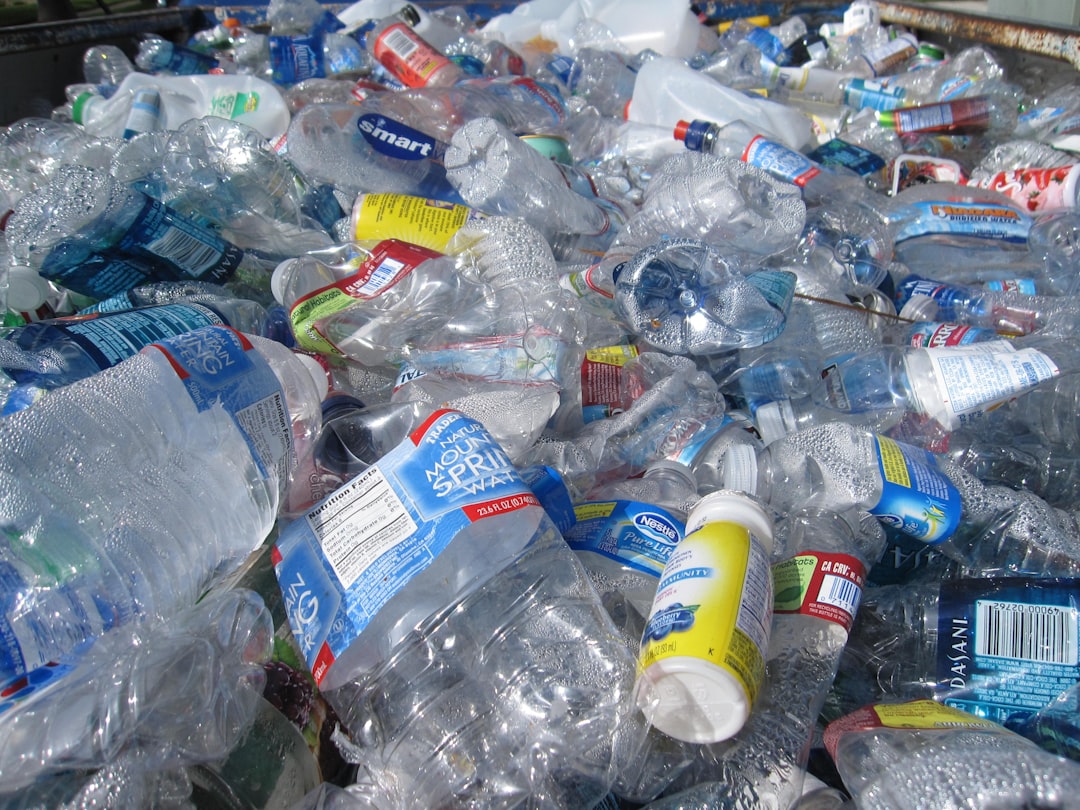
The statistics surrounding recycling are absolutely devastating when you look at them honestly. 91% of the world’s plastic waste is not recycled, and the U.S. has a plastic recycling rate of 5% – the worst of all developed countries. Even more shocking, 76% of recyclables are lost at the household level, meaning our sorting efforts are failing before materials even reach processing facilities. Think about it this way: if you bought a lottery ticket with a 5% chance of winning, would you keep playing? Yet we continue feeding the recycling machine with the same odds of success.
China’s 2018 Ban: When the Recycling Fantasy Collapsed
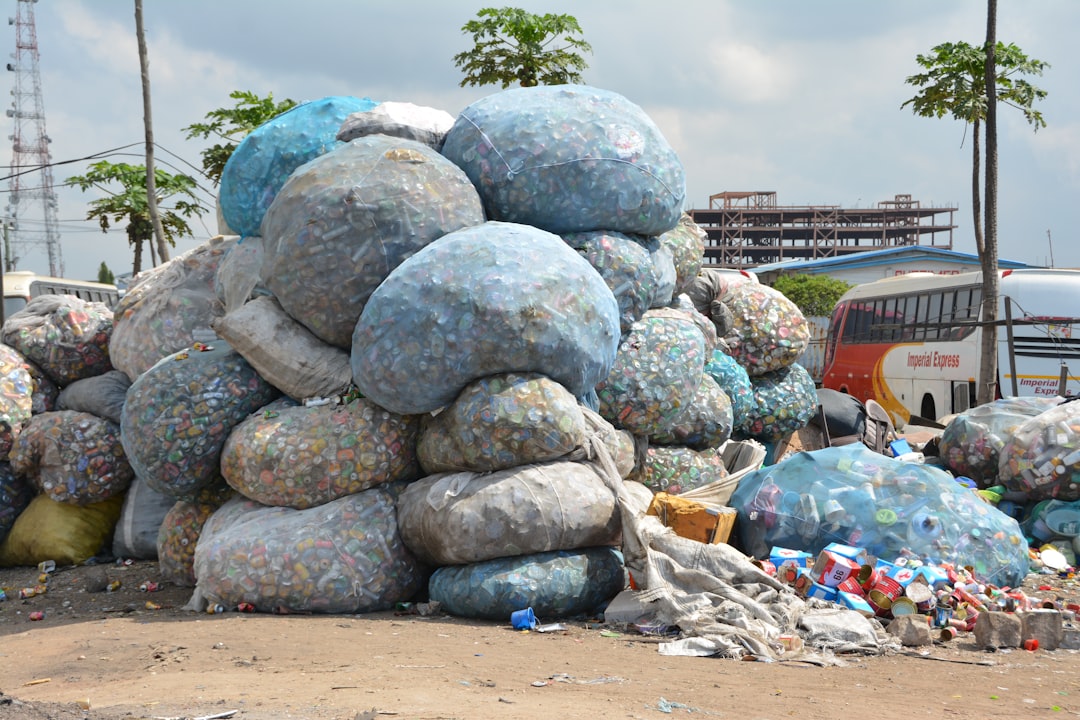
The moment that should have woken everyone up happened in 2018 when China’s “National Sword” policy banned the import of most plastics and other materials headed for that nation’s recycling processors, which had handled nearly half of the world’s recyclable waste for the past quarter century. Suddenly, China’s plastics imports plummeted by 99 percent, and about 111 million metric tons of plastic waste is going to be displaced because of the import ban through 2030. The developed world scrambled to find new dumping grounds, revealing how much our “recycling” was just shipping problems elsewhere. The places trying to take up some of the slack in 2018 tended to be lower-income countries, primarily in Southeast Asia, many of which lack the infrastructure to properly handle recyclables.
The Contamination Crisis: Why Your Best Efforts Backfire
Education is still a necessity as recyclables in the waste stream are highly contaminated, and contaminated recyclables can jeopardize the entire recycling process, resulting in a significant waste of resources. Even in Europe, where recycling is supposedly more advanced, Europe had a 60% PET collection rate in 2022, out of which 10% was contaminated. So 54% of all PET waste in Europe was sorted for recycling. Your pizza-stained cardboard box doesn’t just get rejected—it can contaminate entire batches of otherwise recyclable materials. Just because someone in the United States puts something in the recycle bin doesn’t necessarily mean it is going to be recycled. The recycling plant may decide that some waste might not be recyclable, so it might end up in the landfill anyway.
The E-Waste Apocalypse: Technology’s Dirty Secret

Electronic waste represents one of the most damning failures of the recycling system. The world’s generation of electronic waste is rising five times faster than documented e-waste recycling, with a record 62 million tonnes (Mt) of e-waste produced in 2022. The most shocking part? Less than one quarter (22.3%) of the year’s e-waste mass was documented as having been properly collected and recycled in 2022, and the report foresees a drop in the documented collection and recycling rate from 22.3% in 2022 to 20% by 2030. Every smartphone, laptop, and smart device you’ve ever owned likely ended up in a landfill, despite your best recycling intentions.
Corporate Greenwashing: The Recycling Lie Industry
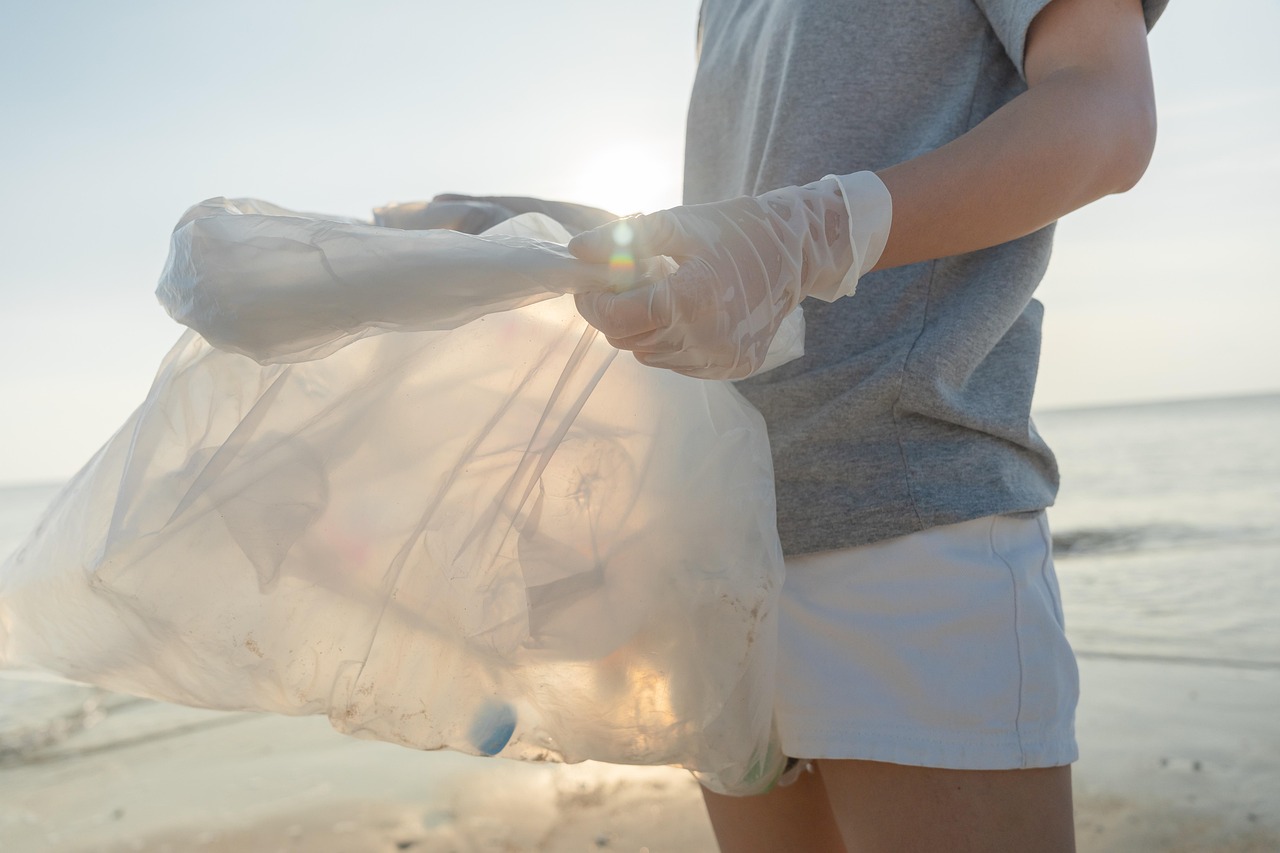
Companies have spent decades promoting recycling symbols and green messaging while knowing the system was fundamentally broken. In the film Plastic Wars, FRONTLINE and NPR claim that plastic makers knew there was no economically viable way to recycle most plastics since 1974 and still publicly promoted recycling. As a result of the environmental backlash and legal threats they faced in the 1980s, it’s argued that the plastics industry began a campaign to sell the promise of plastic recycling. Strategies included the ubiquitous yet overpromising recycling symbols with numbers inside. Even major brands like Starbucks released a “straw-less lid,” as part of its sustainability drive, however this lid contained more plastic than the old lid and straw combination.
The Paper Trail: Even Our “Success Stories” Are Failing
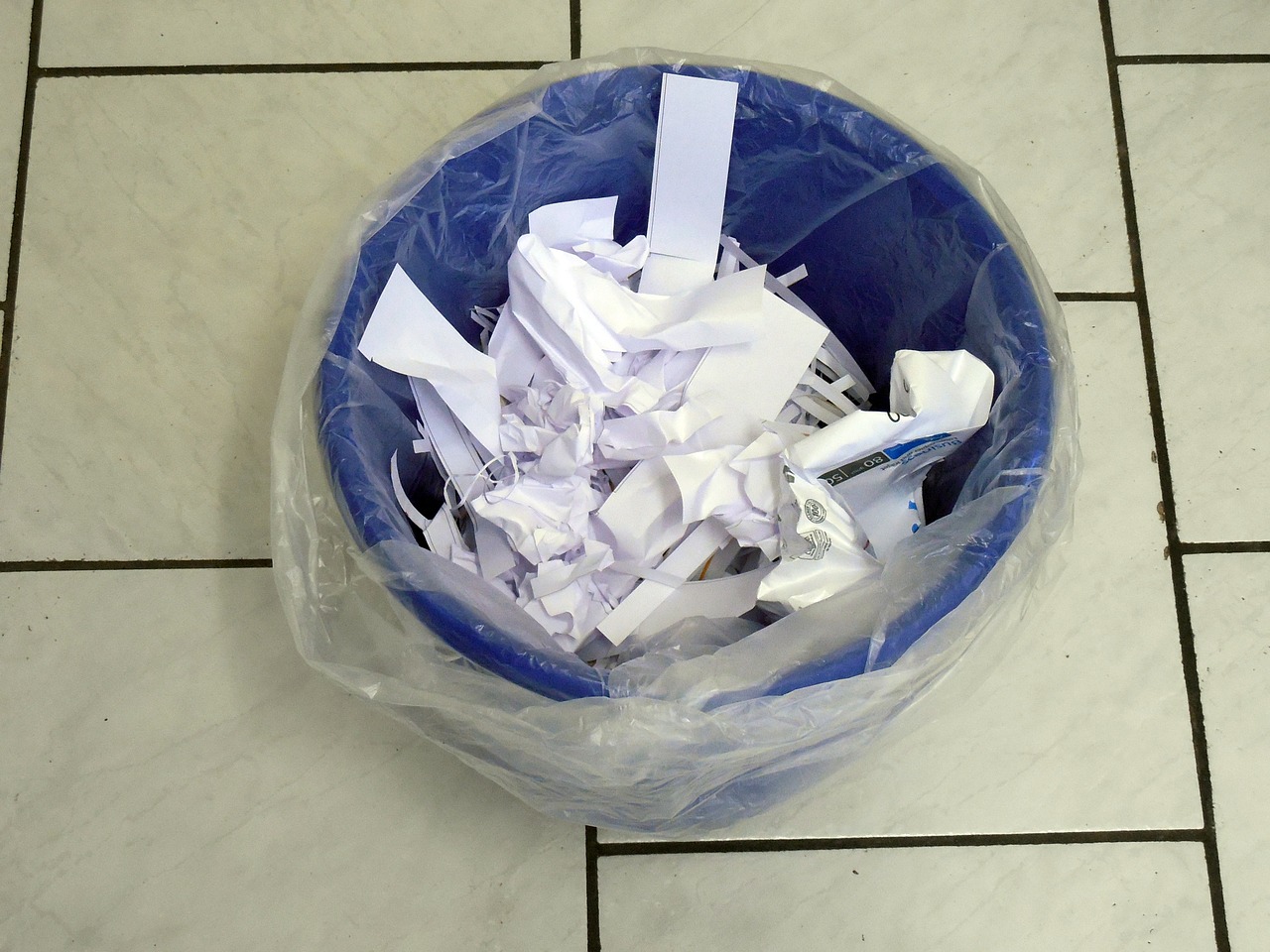
Paper recycling is often held up as recycling’s greatest success, but even here the numbers tell a different story. While 65-69% of paper available for recovery in the United States was recycled in 2023, and the industry recycling nearly 60% more paper today than it did in 1990, the reality is more complex. One study conducted in 2017 put the US spending on wrapping paper, tissue paper, and gift bags at $12.7 billion and most of it is not recycled. Annually, businesses generate a staggering 12.1 trillion sheets of paper. That’s enough to stack a mountain of paperwork that could rival Everest, and paper accounts for half of their total waste output.
The Mental Health Cost of Recycling Theater
There’s something profoundly exhausting about participating in a system you know doesn’t work. I spent years carefully washing containers, sorting materials, and feeling guilty about every piece of “recyclable” waste I threw away. The psychological burden of recycling theater—the performance of environmental responsibility without actual results—creates a form of eco-anxiety that’s rarely discussed. One survey conducted by the Institute of Scrap Recycling Industries (ISRI) suggests that 66% of Americans would NOT recycle a product if it’s not easy or inconvenient to do so. This reveals how much mental energy we’re expending on a system that’s fundamentally broken.
When I Stopped Recycling, Something Unexpected Happened
The day I stopped sorting my recycling was terrifying—I felt like I was betraying everything I’d been taught about environmental responsibility. But something remarkable happened: I started paying attention to what I was actually consuming. Without the false comfort of the recycling bin, I began questioning every purchase. Do I really need this plastic-wrapped item? Can I buy this in bulk? Is there a package-free alternative? My total waste production dropped by an estimated 40% within three months, simply because I couldn’t pretend my consumption was consequence-free.
The Real Environmental Math: Reduce Beats Recycle Every Time
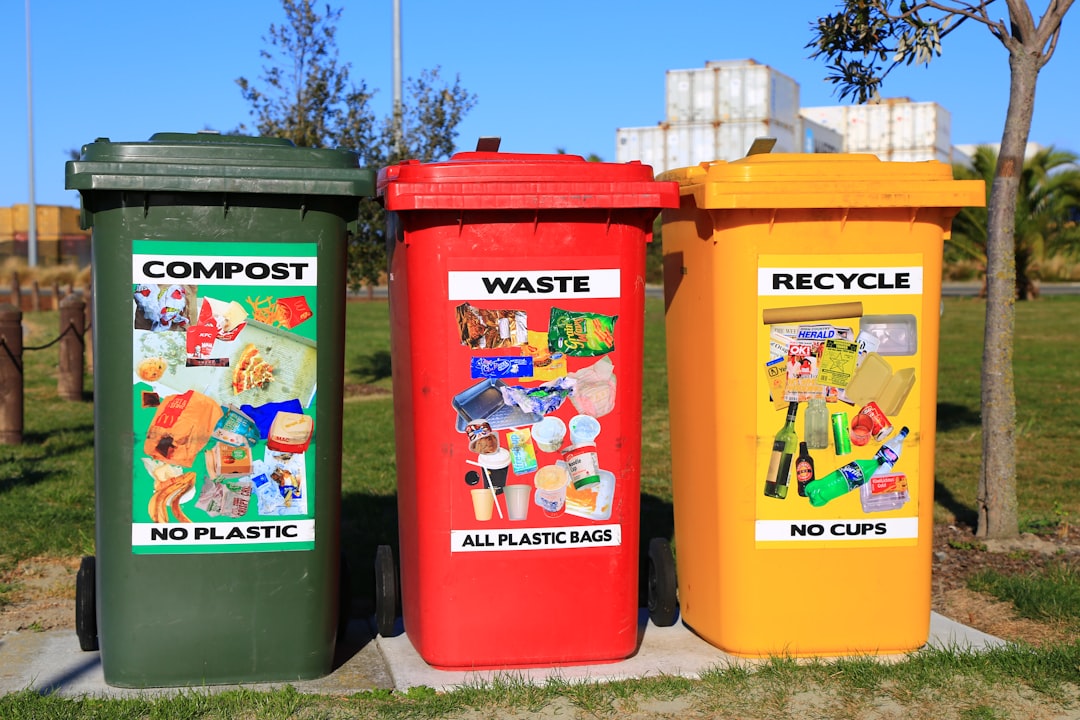
The waste hierarchy has always been “reduce, reuse, recycle”—in that order for a reason. Recycling a ton of plastic bottles can save 3,380 lbs. of C02 emissions – and are tricky to traditionally reuse, but eliminating that plastic consumption entirely saves even more. Reusing or donating a car can save 8,811 lbs. of CO2 greenhouse emissions (compared to building a new one). Correctly reusing a refrigerator can eliminate 566 lbs. of CO2 greenhouse gases – and both are notoriously hard to recycle. When you stop relying on recycling as your environmental safety net, you’re forced to address consumption at its source.
The Aluminum Exception: Why Some Materials Actually Work

I want to be clear—this isn’t about abandoning all material recovery. Aluminum is infinitely recyclable and is one of the most recycled materials. Recycled aluminum saves 94% of the carbon and 93% of the energy needed to make new aluminum. The fact that 75% of all the aluminum ever produced is still in active use today speaks volumes about the sustainability potential of recycling this remarkable material. Aluminum recycling works because it’s economically viable, infinitely recyclable, and doesn’t lose quality. But aluminum represents a tiny fraction of what most people put in their recycling bins.
Building a Post-Recycling Environmental Strategy

Living without recycling doesn’t mean living without environmental consciousness—it means being honest about what actually works. I’ve replaced my recycling routine with a procurement strategy: buying nothing I can’t repair, reuse, or compost. I shop at farmers markets with reusable containers, buy clothing designed to last decades, and choose products with minimal or no packaging. Recyclables save over 700 million tonnes of CO2 emissions every year — a number that’s set to increase to 1 billion tonnes by 2030. More stable and profitable recycling could result in 20% less plastic pollution. A further 60% could be cut with recyclable design guidelines, reuse strategies, and production limits.
The Liberation of Honest Environmentalism
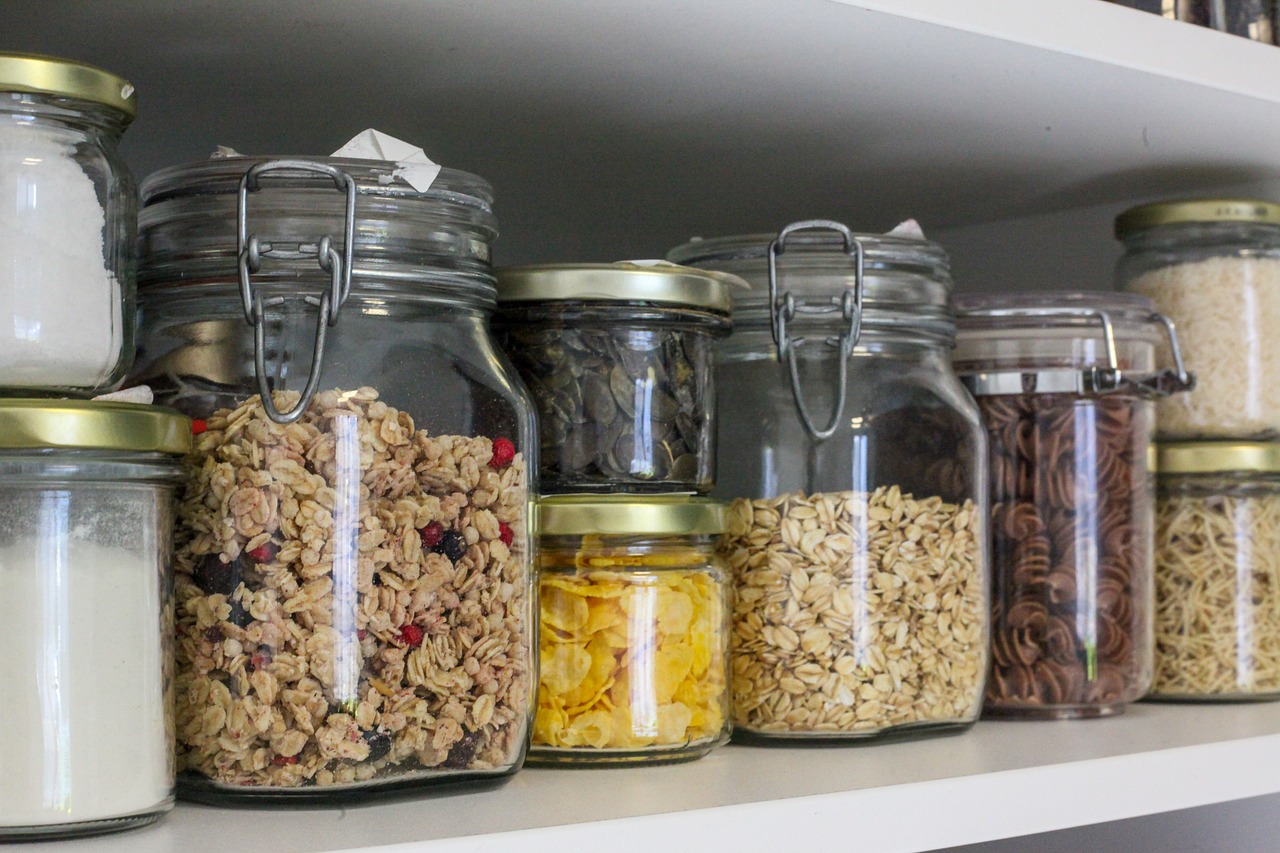
Giving up recycling was one of the most environmentally beneficial decisions I’ve ever made. It forced me to confront the reality of my consumption patterns and make changes that actually matter. Instead of spending energy on sorting waste, I spend it on preventing waste. Instead of hoping my plastic container gets recycled, I choose glass or metal alternatives. Instead of guilt-ridden consumption followed by recycling theater, I practice intentional consumption with clear consequences. A global circular economy will allow us to fulfil our consumption needs with only 70% of the materials we now extract and use.
The recycling system has failed us, but more importantly, it’s failed the planet. Sometimes the most radical environmental action is admitting when something isn’t working and choosing a different path entirely. By abandoning the recycling bin, I didn’t abandon environmental responsibility—I finally found it. What would happen if you stopped pretending your recycling bin was saving the world and started living like it wasn’t?