

1. Maldives: The Unlikely Divorce Leader

It might sound shocking, but the Maldives—a country famous for its pristine beaches and honeymoon resorts—holds the record for the highest divorce rate in the world. According to the United Nations, the Maldives has reported divorce rates as high as 10.97 divorces per 1,000 people per year. The reasons are complex: local laws make it easy to dissolve marriages, and many Maldivians marry young, often leading to mismatched relationships. Some experts say cultural expectations play a huge role, as rapid remarriage after divorce is common, making the process less stigmatized than in many Western cultures. The government has even expressed concern about the trend, as it impacts family stability. This unique mix of tradition and legal freedom makes the Maldives stand out as the world’s divorce capital. It’s a place where marriage can be short-lived, and moving on is simply a part of life.
2. Russia: Where Marriages Are Often Short-Lived

Russia has consistently ranked among the countries with the highest divorce rates, with recent statistics showing about 4.7 divorces per 1,000 people. Economic stress, shifting social norms, and a tradition of marrying young all contribute to these numbers. In Russia, it’s not uncommon for couples to marry in their early twenties, only to discover they grew apart as life progressed. Social researchers point out that the process of getting divorced is relatively straightforward and affordable, making it a common solution for unhappy couples. The pressure of urban life in cities like Moscow and St. Petersburg also plays a role, as do changing gender roles and expectations. Russian officials have even launched campaigns to promote family values, but the numbers remain stubbornly high. Divorce here is not just a legal process but a reflection of a society in rapid transition.
3. United States: Land of Both Weddings and Divorces

The United States is well known for both its high marriage and divorce rates. Recent data from the CDC shows a divorce rate of around 2.5 per 1,000 people, though historically it was much higher. The U.S. culture encourages personal happiness and self-fulfillment, leading many to end marriages that no longer serve them. States like Nevada, with its quick marriage and divorce laws, are especially popular for couples looking to untie the knot fast. Experts say the stigma around divorce in America has faded significantly over the past few decades, making it a common life event for many. The concept of “starter marriages” has gained traction, with couples marrying young, separating, and then remarrying later with more experience. Accessible legal services and a focus on individual rights keep the divorce rate relatively high, even as overall marriage rates slowly decline.
4. Belarus: Quietly Leading in Eastern Europe

Belarus, often overlooked in global statistics, actually has one of the world’s highest divorce rates, hovering around 3.4 divorces per 1,000 people as of recent years. Social scientists attribute this to economic hardship, migration for jobs, and the pressures of modern life. Many Belarusians marry young, but with high unemployment and limited prospects, family strains can become overwhelming. Divorce is not heavily stigmatized, and the legal process is fairly efficient, making it accessible to most people. Urbanization has also changed traditional family roles, leading to more independence, especially among women. Reports indicate that the country’s government has tried to address the issue with social programs, but results have been limited so far. In Belarus, divorce is often seen less as a failure and more as a practical decision for personal well-being.
5. Gibraltar: Small Place, Big Divorce Rate

Gibraltar, a tiny British territory at the southern tip of Spain, unexpectedly ranks in the top divorce capitals, with rates often exceeding 5 divorces per 1,000 people. The small population makes each split statistically significant, but there are deeper reasons as well. The region’s unique mix of British and Mediterranean cultures can create conflicting expectations around marriage. Legal procedures for divorce are straightforward, and the territory’s open attitude towards individual choice means people feel less pressure to stay in unhappy unions. Social commentators note that Gibraltar’s cosmopolitan lifestyle encourages independence and change, both of which can lead to higher divorce rates. It’s a striking example of how even small communities can face big challenges when it comes to marriage stability.
6. India: A Marriage Stronghold Against the Odds
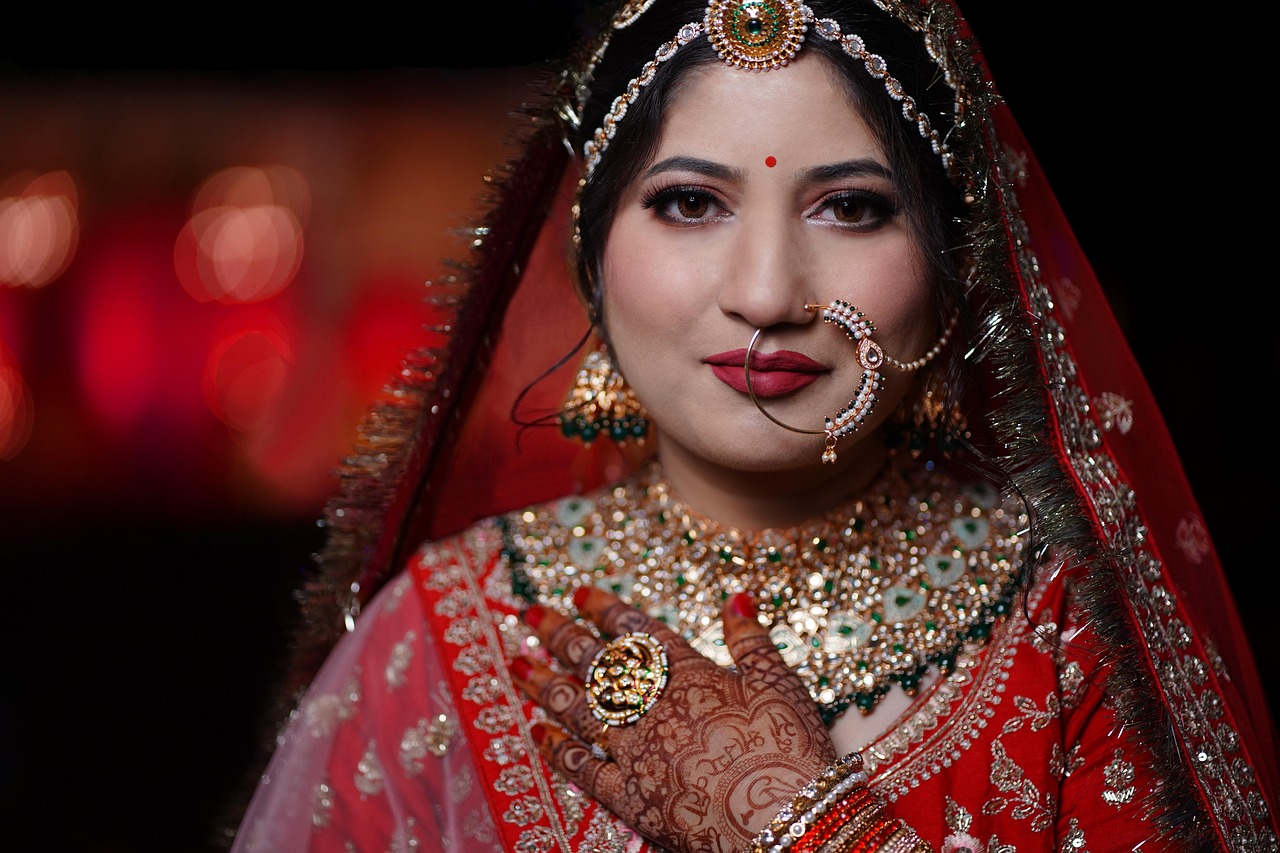
India stands out globally as a marriage stronghold, with one of the world’s lowest divorce rates—estimated at around 1 per 1,000 marriages. Deep-rooted cultural traditions and family involvement play a huge part in keeping couples together. Arranged marriages are still common, and there is significant social pressure to maintain the union, sometimes regardless of personal happiness. Many Indians view marriage not just as a relationship between two people, but as a bond between families. Legal barriers and lengthy court cases also discourage divorce, making it a rare outcome. However, recent years have seen a slow but steady rise in divorce, especially in urban areas where values are changing. Despite these shifts, the institution of marriage in India remains remarkably resilient.
7. Chile: Where Marriage Still Means Forever

Chile is another marriage stronghold, with a divorce rate of less than 1 per 1,000 people, according to the latest government figures. Interestingly, divorce only became legal in Chile in 2004, making it the last country in the Americas to do so. Even now, strong Catholic traditions and social norms discourage separation. Couples often turn to counseling and family support before considering divorce, and many see marriage as a sacred, lifelong commitment. While there has been a slight increase in divorces in recent years, the overall trend remains toward marital stability. Chile provides a striking contrast to countries with high divorce rates, showing how cultural values can shape personal decisions in powerful ways.
8. Philippines: Divorce Is Still Illegal
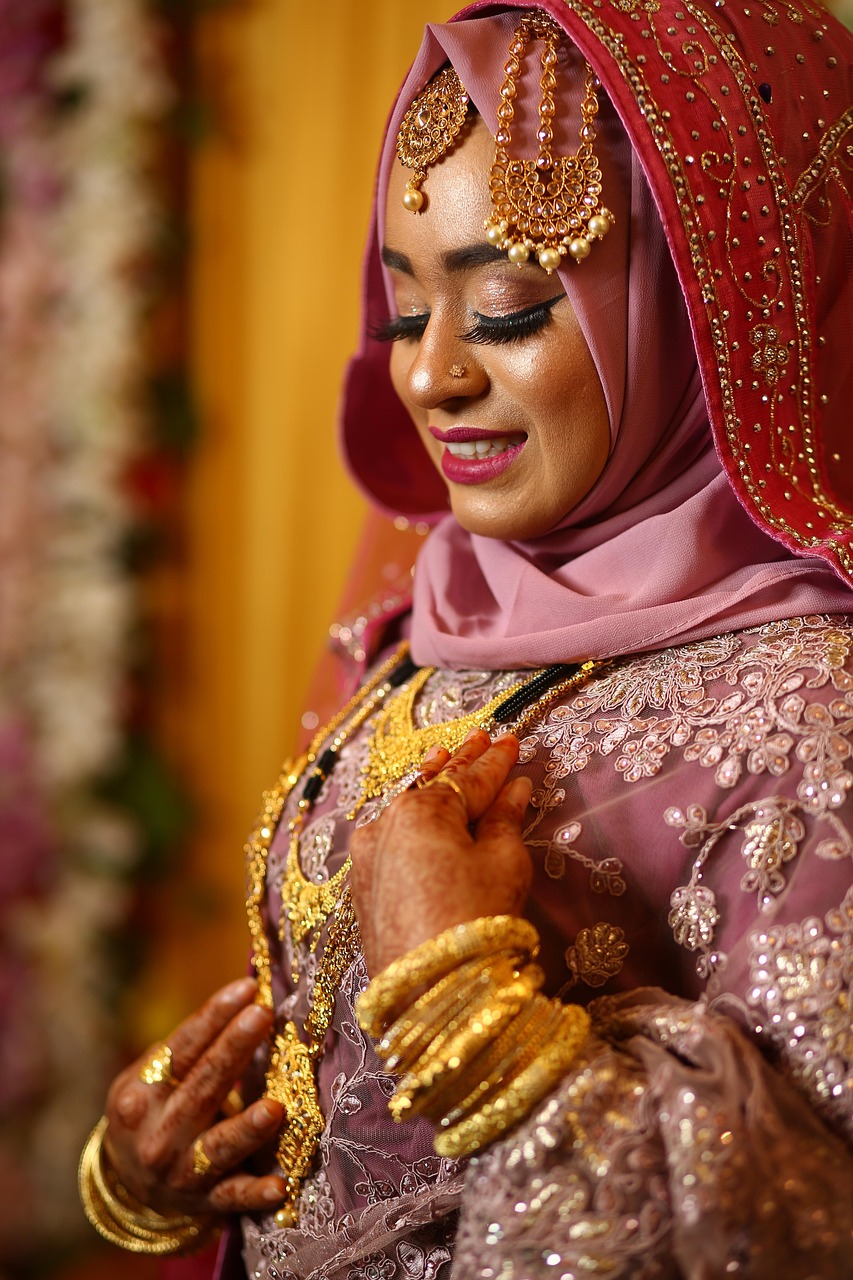
The Philippines is unique among major nations because divorce is still technically illegal for most citizens. Only Muslims are allowed to legally divorce under special circumstances. For the rest of the population, annulment is the only option, and it’s a costly, time-consuming process. This legal barrier keeps the official divorce rate at nearly zero, making the Philippines the world leader in marital stability by default. Social and religious traditions also reinforce the idea that marriage is a lifetime commitment. Despite growing public debate and calls for legal reform, the law remains unchanged as of 2025. This makes the Philippines a fascinating outlier in global marriage and divorce trends.
9. Sweden: Freedom Leads to Higher Divorce
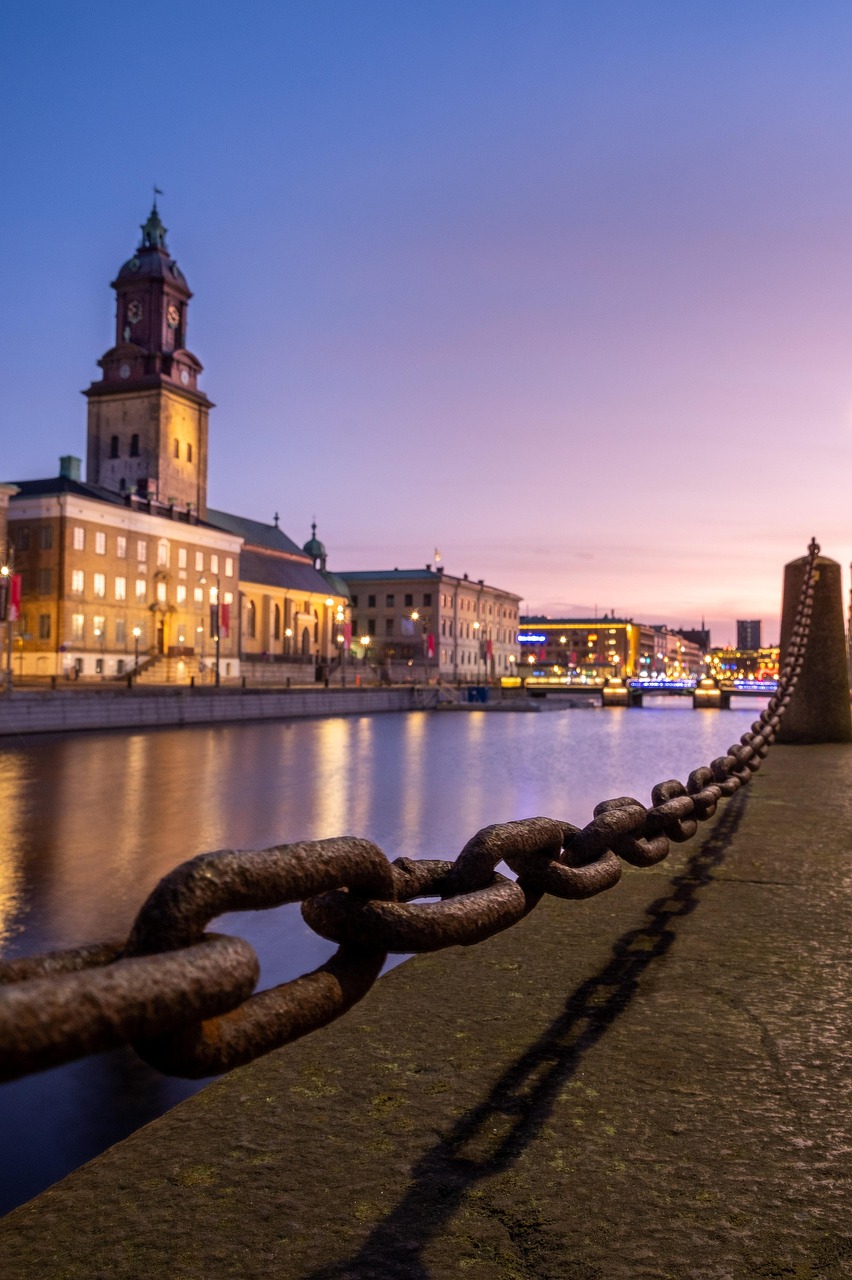
Sweden is often viewed as one of the most progressive countries in the world, and its divorce rate reflects this. With around 2.5 divorces per 1,000 people, Sweden’s laws make it easy to end a marriage, requiring no proof of fault or lengthy waiting periods. Social acceptance of divorce is high, and there is little stigma attached to ending a marriage that isn’t working. Gender equality has also shifted expectations, with both partners feeling empowered to leave unhappy relationships. Children from divorced families are supported by generous welfare programs, reducing the practical hardships of separation. The Swedish approach puts individual happiness at the center, resulting in both high marriage and divorce rates.
10. Italy: Tradition Holds Strong, But Times Are Changing

Italy has long been seen as a country where family and marriage are central to life, but recent years have brought change. The divorce rate remains low compared to other European countries, at around 1.6 per 1,000 people, but it has been steadily rising. Legal reforms in 2015 made it easier and faster to obtain a divorce, shortening the waiting period from three years to just six months in uncontested cases. Social attitudes are slowly shifting, especially among younger generations who prioritize personal fulfillment. However, Catholic traditions still exert a powerful influence, and many Italians continue to see marriage as a lifelong commitment. Italy stands at the crossroads of tradition and modernity, making its marriage trends especially interesting to watch.
11. United Kingdom: Divorce on the Decline

The United Kingdom has historically had a high divorce rate, but the numbers have been falling in recent years. The Office for National Statistics reported a rate of 7.4 divorces per 1,000 married men and women in 2023, the lowest since the 1970s. This decline is partly due to people marrying later in life and cohabiting before tying the knot, which allows couples to better understand their compatibility. Legal reforms, such as the introduction of “no-fault” divorce in 2022, have made separation less contentious but haven’t led to the feared spike in divorce rates. Social acceptance of different family structures has also helped couples make more informed, lasting choices. The UK’s experience shows how cultural and legal shifts can influence marriage stability in unexpected ways.
12. Brazil: Marriages Under Pressure

Brazil’s divorce rate has been climbing over the past decade, reaching around 2.6 per 1,000 people. Economic instability, changing gender roles, and urbanization have put pressure on traditional family structures. The legalization of “express” divorce in 2010 made it much easier for couples to separate, and the COVID-19 pandemic further accelerated the trend as couples spent more time together at home. Despite these changes, there remains a strong cultural emphasis on family, especially in rural areas. Many Brazilians still view marriage as a lifelong commitment, but the reality for urban couples can be very different. Brazil highlights the complex interplay between old values and new realities in modern marriage.