

Billie Jean – Michael Jackson (1983)
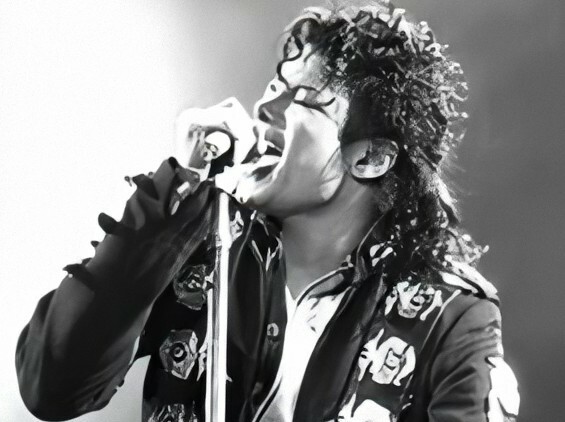
There’s something almost magical about the way “Billie Jean” moves through your speakers. Michael Jackson’s masterpiece from the “Thriller” album didn’t just top the charts—it shattered expectations. The signature bassline, written entirely by Jackson himself, became one of the most recognizable riffs in pop history. What really set this song apart was its influence on both music and visual media. The “Billie Jean” music video, with Jackson’s moonwalk and glowing sidewalk, was one of the first by a black artist to get heavy rotation on MTV—helping to break down racial barriers in the industry. The single spent seven weeks at number one on the Billboard Hot 100, and “Thriller” would go on to become the best-selling album of all time. Industry experts still point to “Billie Jean” as a blueprint for pop perfection. It’s a song that makes you want to dance, but also makes you realize how much music can truly shift culture.
Like a Virgin – Madonna (1984)
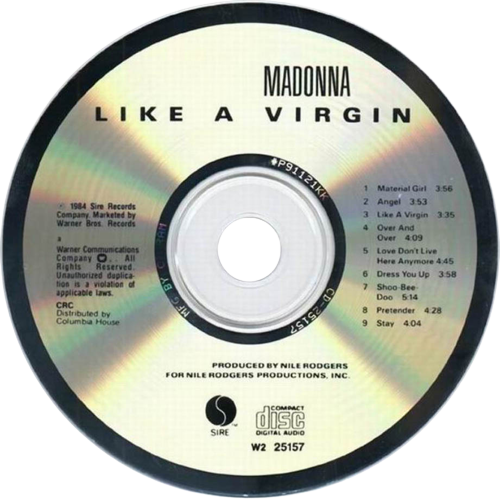
Nobody could ignore Madonna in the 1980s. With “Like a Virgin,” she took the stage and never let go. This song wasn’t just a catchy tune—it was a statement, a declaration of female sexual empowerment at a time when pop was dominated by male voices. The track shot straight to number one and stayed there for six weeks, helping Madonna’s “Like a Virgin” album sell over 21 million copies worldwide. Her performance at the inaugural MTV Video Music Awards, where she rolled around in a wedding dress, shocked and delighted viewers, sparking headlines and controversy. Madonna’s boldness pushed boundaries and made her an icon for self-expression. Sociologists and feminist thinkers often cite this hit as a turning point for women in music, and it helped solidify MTV as the cultural pulse of the decade. The song’s legacy is undeniable; it opened doors for countless artists who followed.
Sweet Child o’ Mine – Guns N’ Roses (1987)
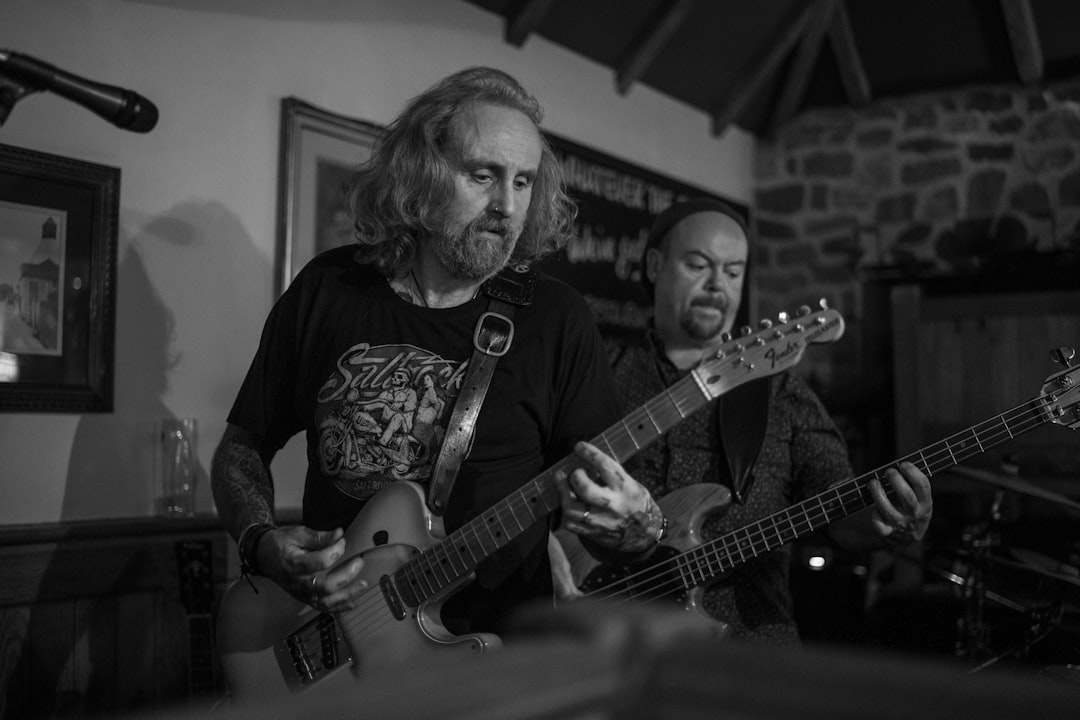
The opening riff of “Sweet Child o’ Mine” is so instantly recognizable that it almost feels like a universal language. Slash’s guitar work on this track is legendary, and according to a 2015 BBC poll, it was voted the greatest guitar riff of all time. Guns N’ Roses brought a raw, unpolished energy back to rock, countering the synth-heavy pop of the era. The song hit number one on the Billboard Hot 100 and played a major role in the success of the band’s debut album, “Appetite for Destruction,” which sold over 30 million copies. “Sweet Child o’ Mine” reignited interest in rock and inspired a new wave of guitar-driven bands. The emotional lyrics and soaring solos gave the genre a fresh shot in the arm when it needed it most. For many, it’s the sound of the late ’80s—loud, gritty, and full of heart.
Walk This Way – Run-D.M.C. ft. Aerosmith (1986)

When hip-hop met rock, the world took notice. “Walk This Way” was originally an Aerosmith song, but when Run-D.M.C. and Steven Tyler joined forces, they created something truly groundbreaking. The collaboration wasn’t just a hit—it became a cultural event, shooting up to number four on the Billboard Hot 100. This fusion helped break hip-hop into the mainstream for the first time, introducing rap to audiences who had never heard it before. MTV played the video non-stop, and suddenly, genres that had been kept apart began to blend. Music historians often call this the dawn of rap-rock, a genre that would explode in the ‘90s. The song’s success proved that music could be a bridge, not a barrier. It’s impossible to overstate how much “Walk This Way” changed the landscape for artists of all backgrounds.
When Doves Cry – Prince (1984)
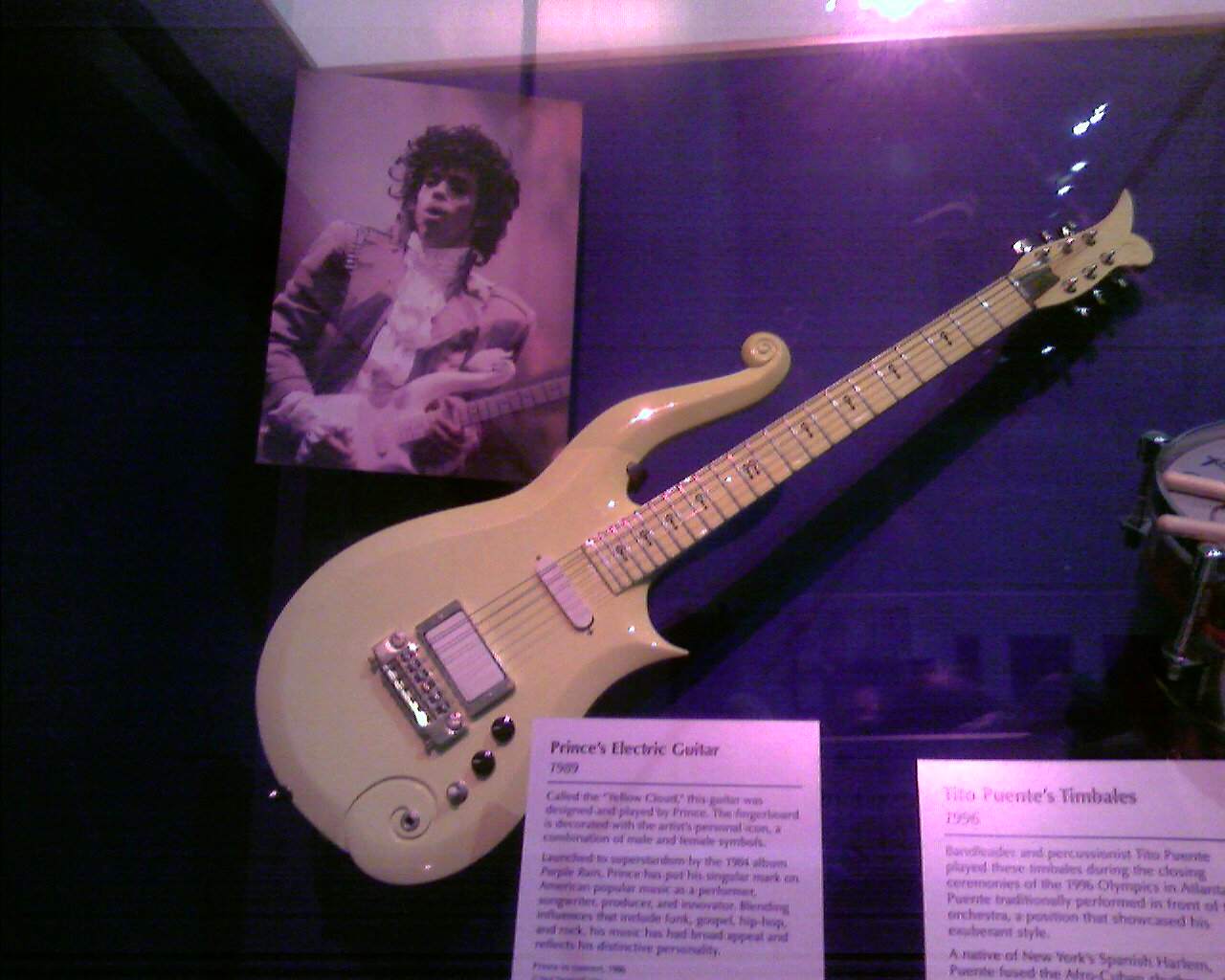
Prince was never afraid to experiment, and “When Doves Cry” is proof that risk-taking can pay off in a big way. The song broke all the rules—no bassline, a swirling mix of rock, funk, and pop, and deeply personal lyrics. Released as the lead single from “Purple Rain,” it became Prince’s first number one single and stayed at the top for five weeks. Critics praised its innovation, calling it a “futuristic marvel” that pushed the boundaries of what pop music could be. Prince’s willingness to blend genres inspired a generation of musicians to break out of their lanes. “When Doves Cry” has been covered and sampled countless times, showing its lasting influence. Even today, its eerie, haunting sound feels ahead of its time.
Every Breath You Take – The Police (1983)
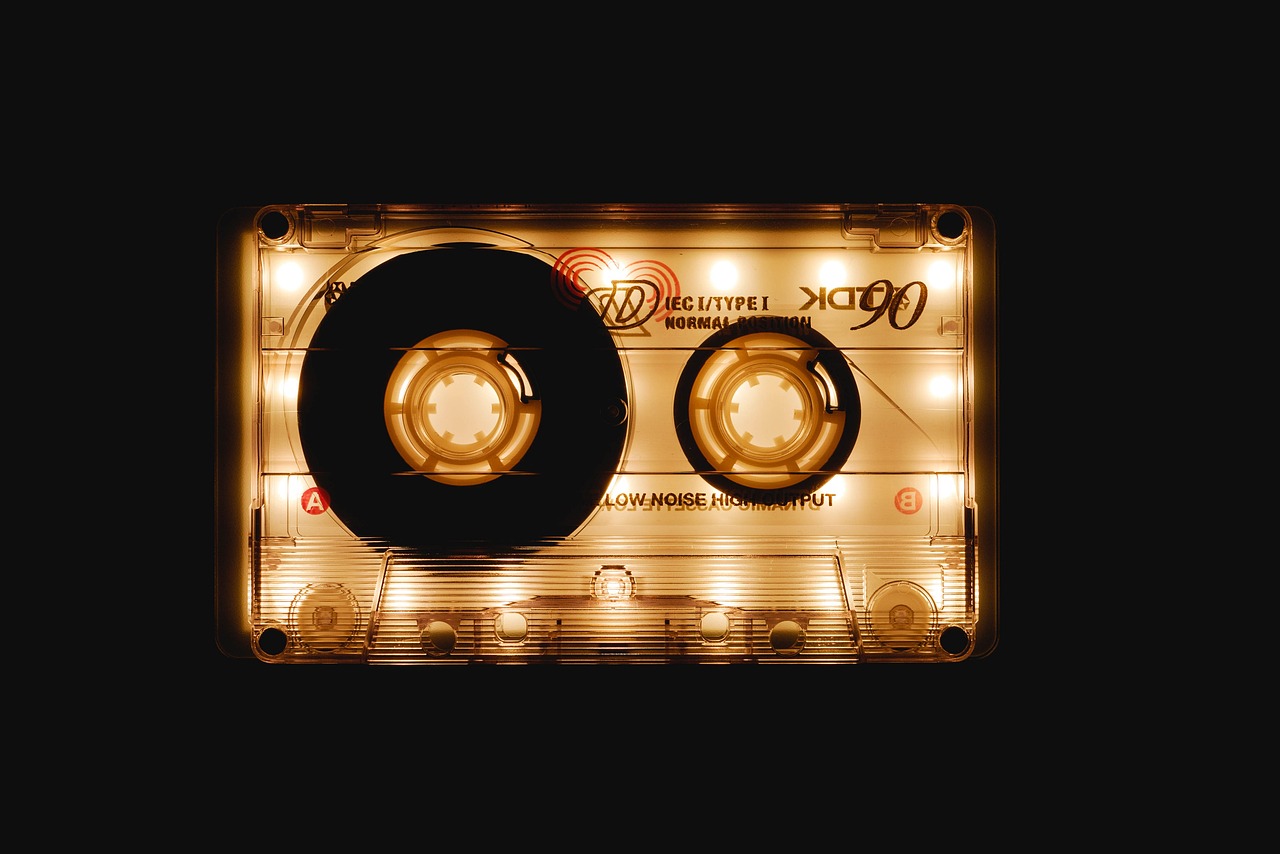
With its hypnotic melody and Sting’s unmistakable voice, “Every Breath You Take” is a prime example of the 1980s’ New Wave sound. Despite being often mistaken for a romantic ballad, the lyrics are actually about obsession and control—a twist that adds to the song’s intrigue. The single dominated the Billboard Hot 100 for eight weeks and was awarded Song of the Year at the 1984 Grammys. “Every Breath You Take” is still one of the most played songs in radio history, with BMI reporting over 15 million radio plays by 2019. The track helped define The Police’s style and influenced countless artists who came after. Its moody atmosphere and subtle intensity have made it a timeless classic.
Born in the U.S.A. – Bruce Springsteen (1984)
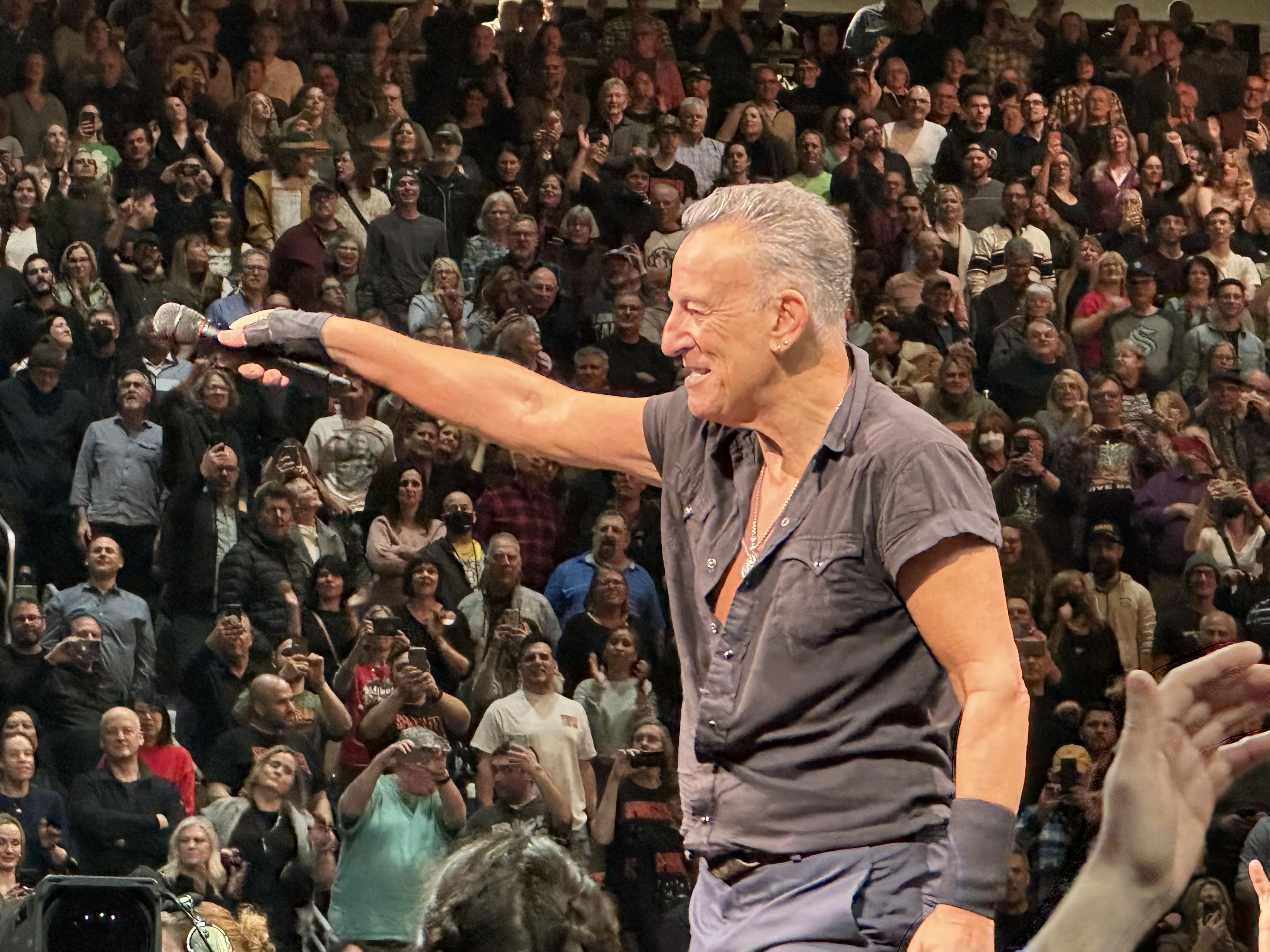
Few songs have been as misunderstood—or as powerful—as “Born in the U.S.A.”. Bruce Springsteen’s anthem is often mistaken for a patriotic celebration, but its lyrics tell a much darker story about Vietnam veterans and the working class. The song’s driving beat and catchy chorus helped it become one of Springsteen’s biggest hits, reaching number nine on the Billboard Hot 100 and selling over 30 million copies worldwide. Political leaders and commentators have debated its meaning for decades, and it has been sampled, quoted, and debated in countless contexts. Springsteen’s ability to combine a stadium-sized anthem with a potent message made “Born in the U.S.A.” a song that forced listeners to think. It’s more than just music—it’s a conversation about what it means to be American.
With or Without You – U2 (1987)
“With or Without You” marked a turning point not just for U2, but for rock music as a whole. The song’s atmospheric sound, driven by The Edge’s shimmering guitar and Bono’s aching vocals, created a new blueprint for rock ballads. It was U2’s first number one hit in the United States and helped the album “The Joshua Tree” sell over 25 million copies. The emotional depth of the song resonated with fans around the world. Music critics often credit “With or Without You” with paving the way for the alternative rock explosion of the 1990s, influencing bands like Radiohead and Coldplay. Its longing, haunting mood is still used in film and TV to evoke powerful emotions. The track proved that rock could be epic without being overblown.
Fight the Power – Public Enemy (1989)
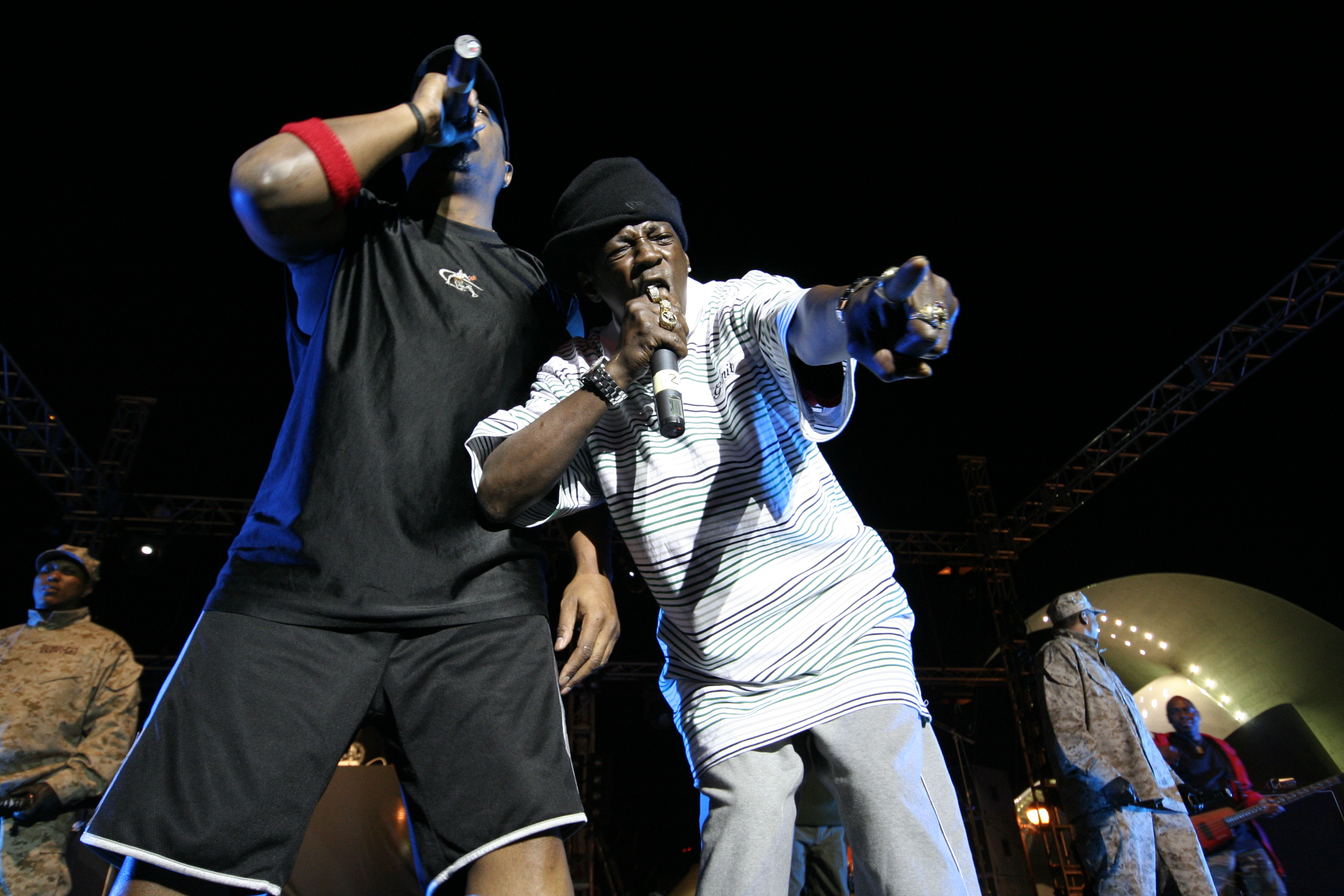
“Fight the Power” hit like a thunderbolt in 1989. Public Enemy’s protest anthem took aim at racism, inequality, and corruption, and it became the rallying cry of the era. The song was featured prominently in Spike Lee’s film “Do the Right Thing,” cementing its place in pop culture history. Rolling Stone named it one of the greatest songs ever written, and its influence can be felt in the work of artists from Kendrick Lamar to Rage Against the Machine. “Fight the Power” challenged listeners to think critically about the world around them and inspired a wave of politically conscious hip-hop. The song’s urgent beat and fierce lyrics still resonate, making it a staple at protests and rallies even today. It’s proof that music can be a weapon for change.
Girls Just Want to Have Fun – Cyndi Lauper (1983)

When Cyndi Lauper burst onto the scene with “Girls Just Want to Have Fun,” she flipped the script on what a pop song could be. With its playful melody and colorful music video, the track became an instant classic, hitting number two on the Billboard Hot 100. Lauper’s quirky style and unapologetic personality made her a role model for self-expression and individuality. The song’s message of female empowerment was ahead of its time, and it’s been embraced by generations of fans. In 2023, Lauper’s anthem was inducted into the National Recording Registry for its cultural significance. “Girls Just Want to Have Fun” isn’t just a party song—it’s a declaration that joy and freedom belong to everyone. The track’s infectious spirit continues to inspire artists and listeners all over the world.