

Stairway to Heaven – Led Zeppelin (1971)
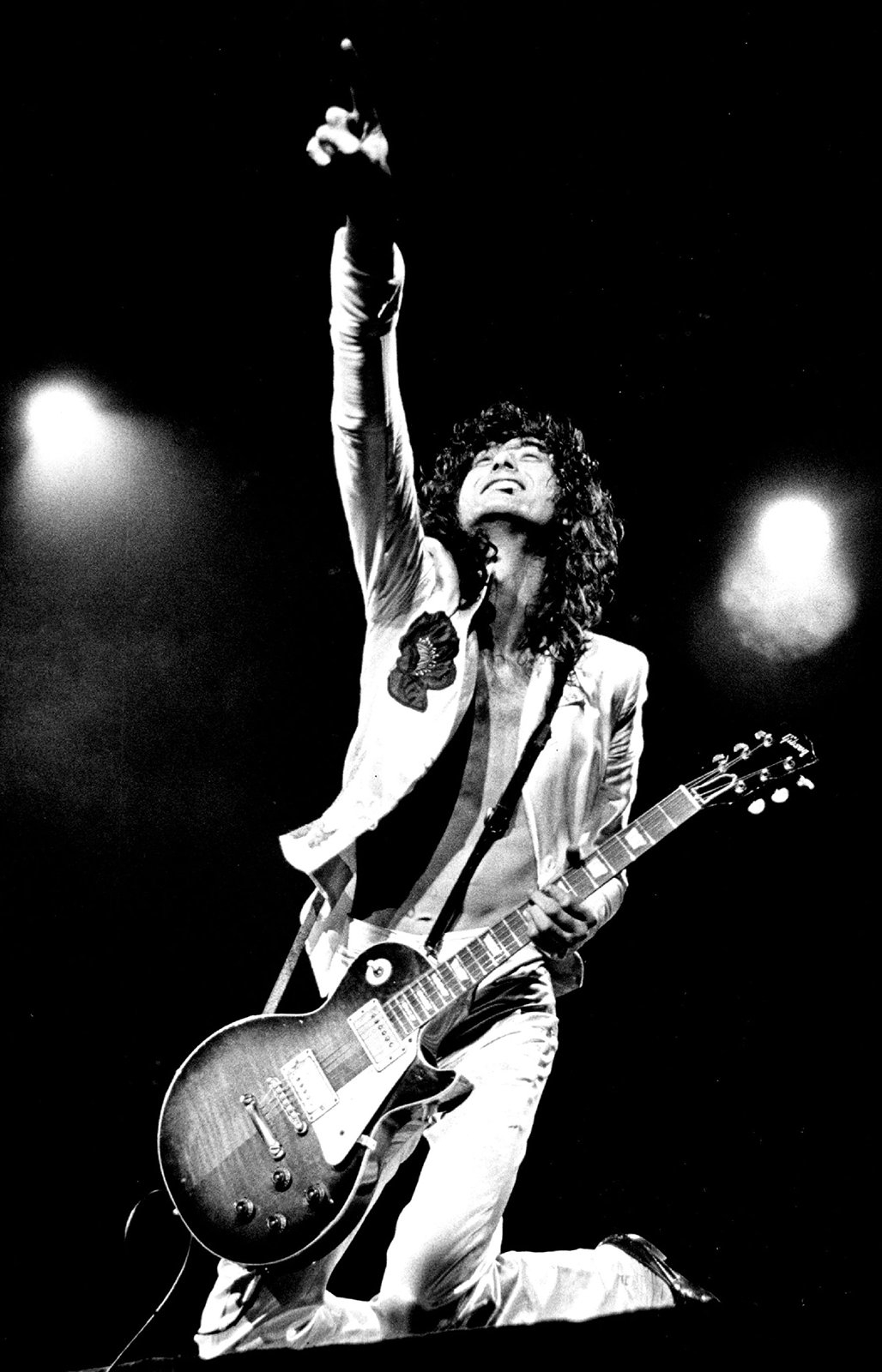
Few songs feel as legendary as “Stairway to Heaven.” The opening notes alone still send shivers down the spine of anyone who grew up in the 70s—or anyone who’s ever picked up a guitar and tried to strum those haunting chords. Released on Led Zeppelin’s untitled fourth album, the track slowly builds from gentle acoustic folk into a roaring rock crescendo that feels like a religious experience. It became an anthem not just for rock fans, but for an entire generation searching for meaning in a rapidly changing world. The song’s lyrics, mysterious and poetic, sparked endless debate about their true meaning—a testament to its enduring mystique. According to Rolling Stone, “Stairway to Heaven” remains one of the most requested songs on classic rock radio, and in 2024, it still ranks among the most streamed 70s tracks on major music platforms. The song’s influence can be felt in countless modern bands who cite Led Zeppelin as a key inspiration. For many, hearing those first few notes is like opening a time capsule back to the days when rock felt dangerous, spiritual, and limitless.
Imagine – John Lennon (1971)

“Imagine” isn’t just a song; it’s a dream put to music. John Lennon’s masterpiece invites listeners to picture a world united in peace, without borders, religion, or possessions dividing us. Released in 1971, at a time when the world was reeling from war and protest, “Imagine” struck a chord that still resonates today. Its simple piano melody and gentle vocals make its message feel even more powerful, almost like a lullaby for grown-ups who still dare to hope. According to Billboard, the song has charted repeatedly over the decades, including a major resurgence in 2020 during global calls for unity. Today, it’s performed at peace rallies and memorials, and covered by artists from every genre. In 2024, “Imagine” remains a go-to reference whenever people need to be reminded of the world’s potential for good. Lennon’s vision, wrapped in a three-minute pop song, continues to inspire new generations to dream of something better.
Stayin’ Alive – Bee Gees (1977)

If you had to pick just one song to capture the energy of the disco era, “Stayin’ Alive” would win every time. The Bee Gees’ signature hit, powered by that unforgettable falsetto and a beat you can’t help but move to, became the heartbeat of the 70s dance floor. Featured in the movie “Saturday Night Fever,” the song helped launch disco into the stratosphere, making it a global phenomenon. In fact, the track’s infectious rhythm has been used in medical training because its tempo matches the ideal pace for CPR chest compressions—a quirky but true testament to its universal appeal. According to the BBC, “Stayin’ Alive” saw a streaming spike in 2023, as nostalgia for disco’s glitzy freedom came roaring back. The Bee Gees turned heartbreak and hardship into something you could dance through, making this song a symbol of resilience during tough times. Even today, the opening bars are enough to fill a dance floor in seconds.
Bohemian Rhapsody – Queen (1975)
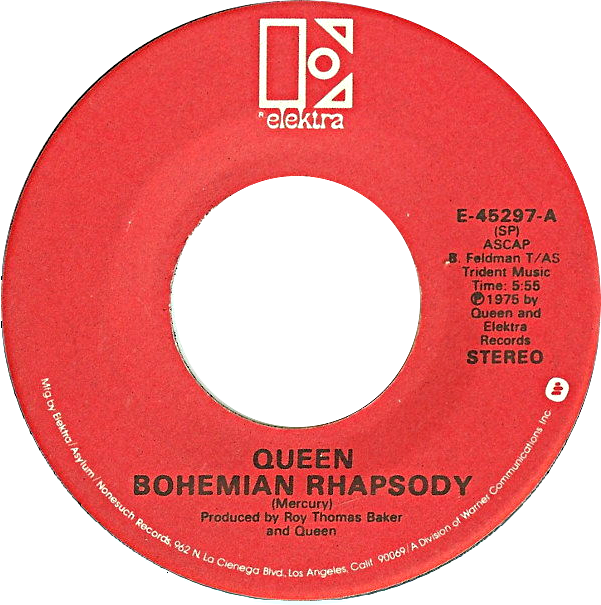
Is it rock? Opera? Pop? “Bohemian Rhapsody” refuses to be put in a box—much like Queen themselves. When this six-minute epic hit the airwaves in 1975, nothing like it had ever been heard before. Freddie Mercury’s vision for the song blended operatic harmonies, hard rock guitar solos, and poetic (sometimes cryptic) lyrics, creating a musical rollercoaster that left listeners stunned. The song’s structure was so unconventional that some radio stations originally balked at playing it, but fans demanded otherwise, and history was made. According to the Official Charts Company, “Bohemian Rhapsody” returned to the charts in 2018 after the release of the Queen biopic—and it hasn’t left the cultural conversation since. Today, it’s a karaoke favorite, a stadium singalong, and a symbol of creative freedom. The line “Mama, just killed a man…” still feels both thrilling and chilling, and the song’s dramatic shifts capture the wild spirit of the 70s.
Hotel California – Eagles (1976)
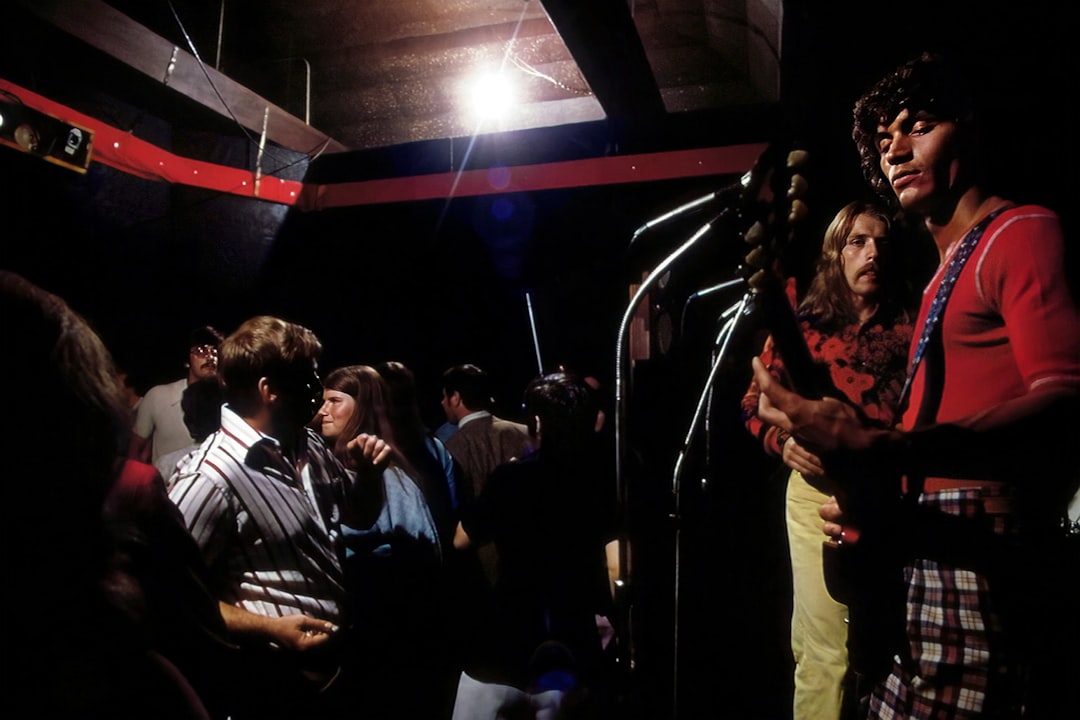
“Hotel California” is more than a song—it’s a whole mood, wrapped in mystery and longing. The Eagles captured a snapshot of 1970s America with this haunting track, blending rock, folk, and a touch of the surreal. The guitar solo—voted one of the best of all time by Guitar World—remains instantly recognizable, and the song’s lyrics have inspired endless theories about their meaning. Some say it’s about the hedonism and excess of California life; others see it as a metaphor for the American Dream gone sideways. In 2022, the Recording Industry Association of America certified “Hotel California” as one of the best-selling singles ever, proving its staying power. The song’s eerie atmosphere and sense of longing still resonate with listeners who find themselves “checking in” but never quite able to leave. It’s a tale as old as time, wrapped in a tune you can’t forget.
What’s Going On – Marvin Gaye (1971)
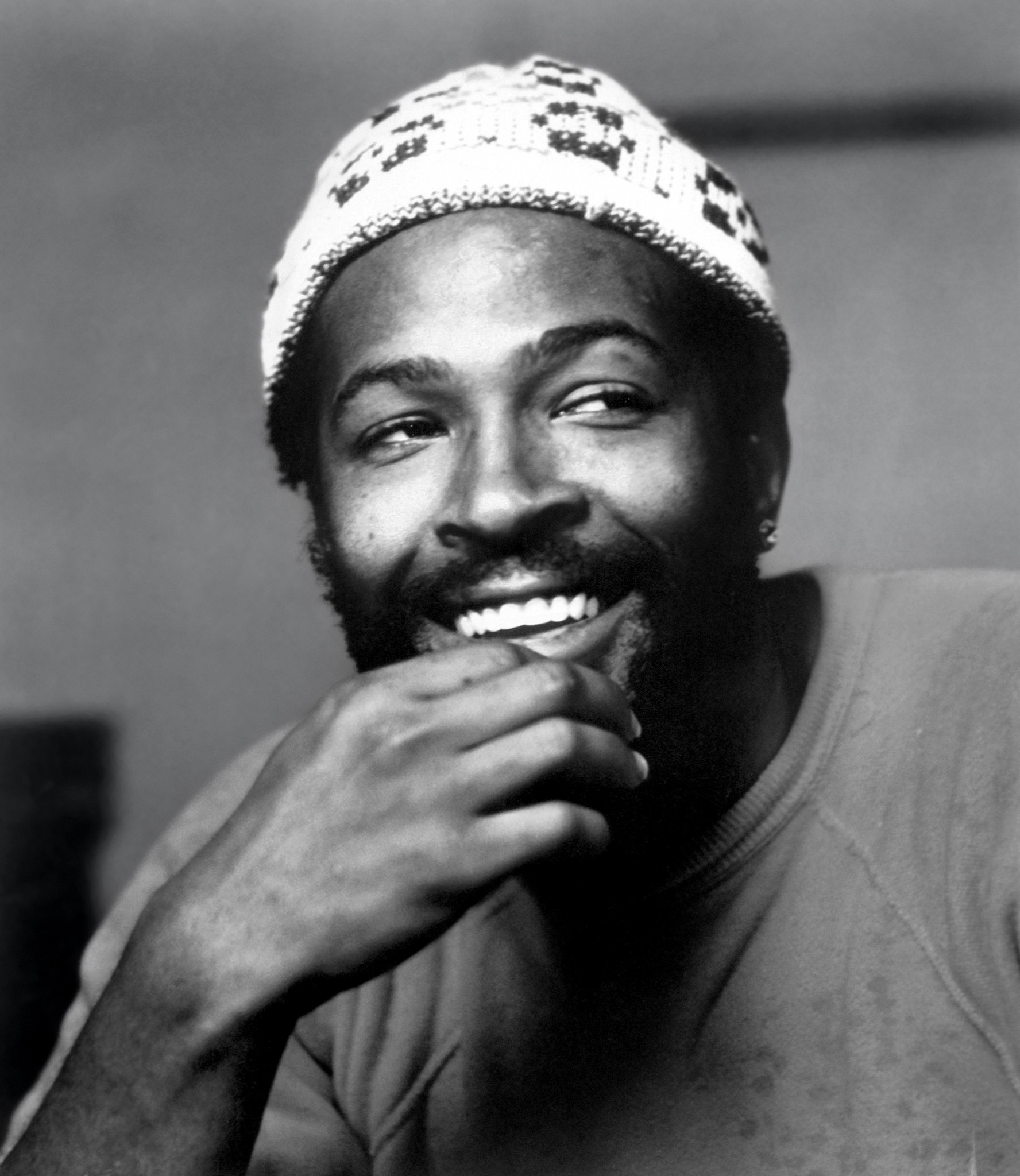
Marvin Gaye’s “What’s Going On” is one of those rare songs that feels like it’s speaking straight to your soul. Released in 1971, as the Vietnam War raged and America grappled with racial strife, Gaye’s gentle voice posed a question that was on everyone’s mind. The song’s smooth grooves and lush arrangements make its tough message go down easy, but the lyrics pull no punches about war, injustice, and environmental disaster. The track became an anthem for the civil rights movement and still shows up in protests and rallies today. In 2023, the Library of Congress named “What’s Going On” one of the most important American songs ever recorded. Modern artists continue to cover it, proving its message is as urgent now as it was 50 years ago. Listening to it today, it’s hard not to wonder: Have we really learned anything since Gaye first asked, “What’s going on?”
Superstition – Stevie Wonder (1972)
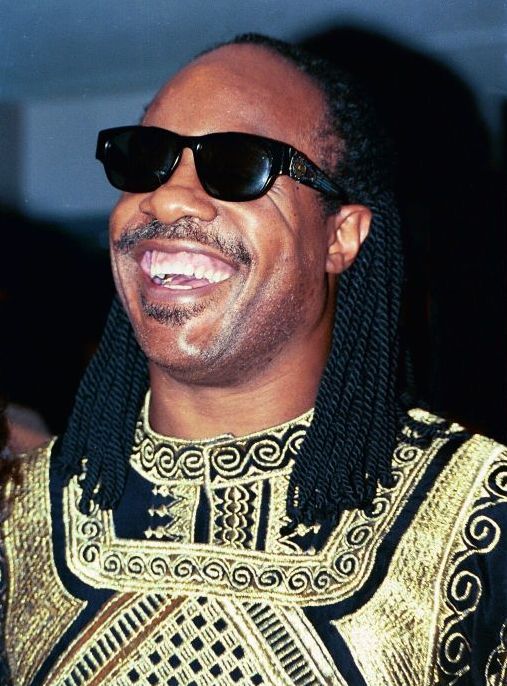
There’s something almost magical about the opening riff of “Superstition.” Stevie Wonder’s 1972 hit bursts out of the speakers with a funky clavinet groove that makes you want to move—no matter where you are. The lyrics warn about the dangers of blindly following old wives’ tales, but the song itself is a celebration of innovation and style. At the time, Wonder was just 22, but he was already changing the sound of soul and pop with his fearless creativity. According to the Grammy Awards, “Superstition” won Wonder a well-deserved Best R&B Vocal Performance, and the song’s influence can still be heard in the work of modern funk and R&B artists. In 2024, it remains a fixture at parties, weddings, and anywhere people want to feel alive. Stevie Wonder’s mix of message and groove made “Superstition” a hit that defined the early 70s and keeps on giving.
Dream On – Aerosmith (1973)
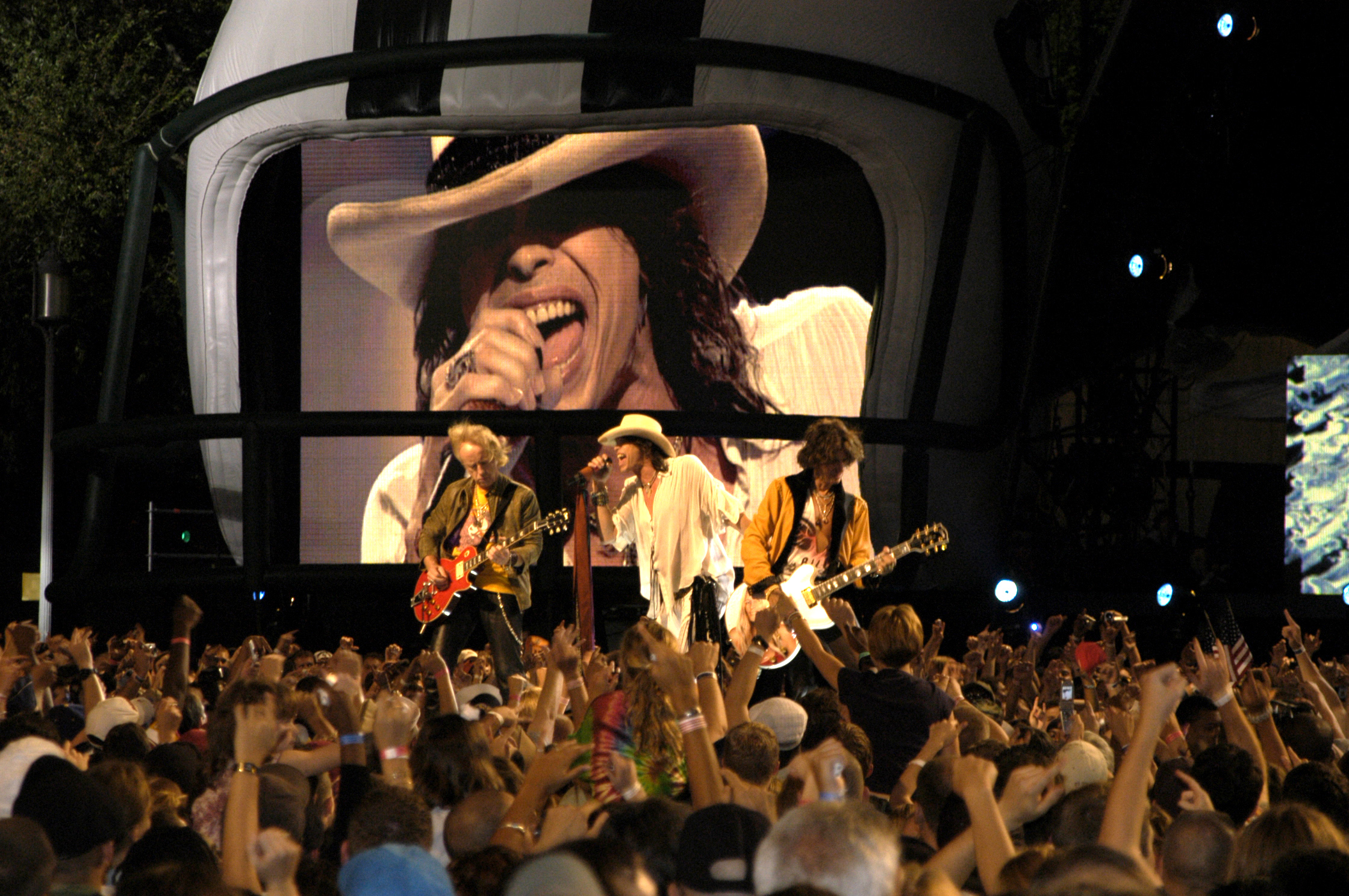
“Dream On” is the kind of song that makes you believe anything’s possible. Aerosmith’s first big hit, released in 1973, found its power in vulnerability—its lyrics about chasing dreams and facing disappointments struck a deep chord with listeners. Lead singer Steven Tyler’s soaring vocals, especially that legendary scream near the end, became an instant trademark. Over the years, the song has been covered and sampled by dozens of artists, cementing its place as a generational anthem. According to the Recording Industry Association of America, “Dream On” crossed the one-million digital sales mark in the U.S. in the last decade—a sign of its lasting appeal. Fans old and new flock to Aerosmith concerts just to hear this song live, hoping to catch some of that magic for themselves. “Dream On” isn’t just a song—it’s a little spark of hope that keeps burning through the decades.
I Will Survive – Gloria Gaynor (1978)

Sometimes, a song isn’t just a hit—it becomes a lifeline. Gloria Gaynor’s “I Will Survive” burst onto the scene in 1978 and quickly became more than just a disco anthem. It turned into an empowering rally cry for anyone who’s ever faced heartbreak, loss, or hardship. The lyrics speak of heartbreak but also of strength and self-worth, and the upbeat tempo makes it impossible to feel sorry for yourself for long. According to the Library of Congress, the song was added to the National Recording Registry in 2016 for its cultural significance. In recent years, “I Will Survive” has been used in everything from movies and commercials to protest marches, symbolizing resilience and the refusal to back down. Even people who don’t know all the words can’t help but shout along to the chorus. It’s a song that turns pain into power, and that’s why it’s still dancing through the years.
American Pie – Don McLean (1971)
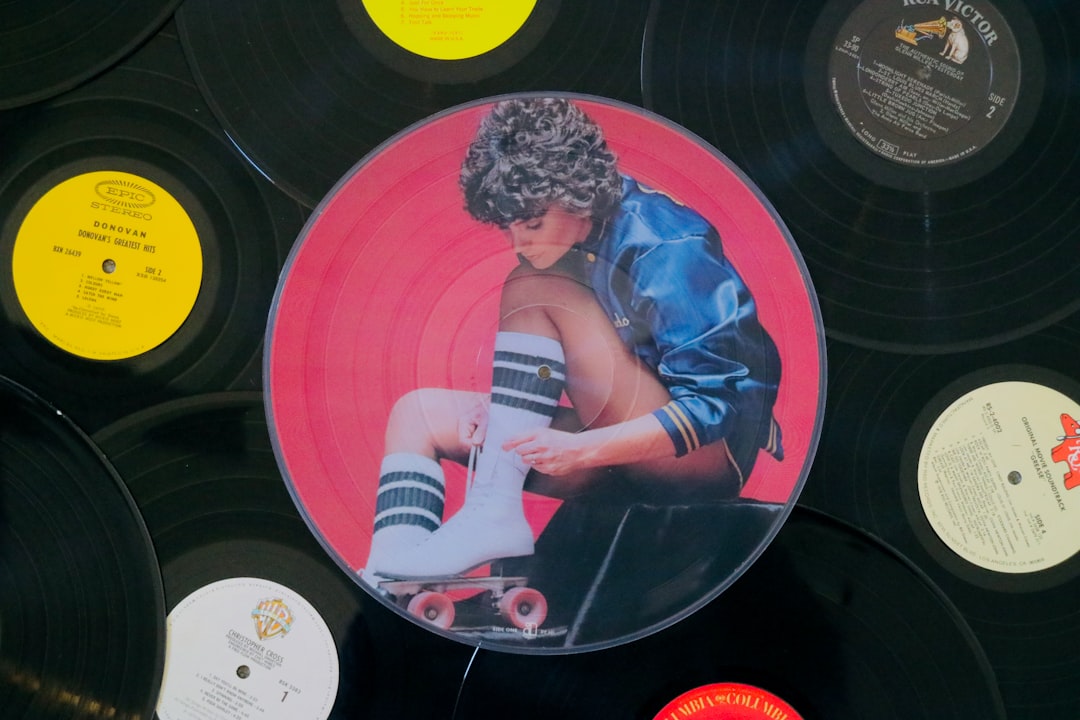
Few songs tell a story quite like “American Pie.” Don McLean’s 8-minute epic, released in 1971, chronicles the end of an era—the “day the music died”—and the changing face of American culture. With its sweeping verses and singalong chorus, the song became an instant classic. Listeners have spent decades decoding its references to musicians, events, and political shifts, turning it into a kind of musical mystery novel. According to the Guinness Book of World Records, “American Pie” became the longest song to ever hit No. 1 on the Billboard Hot 100 at the time. In 2022, the original handwritten lyrics sold at auction for over $1.2 million, proving its lasting value. Even today, when the chorus comes on at a bar or party, people of all ages belt out every word. “American Pie” is a time machine—an emotional journey through loss, nostalgia, and hope that still resonates in 2025.