

Hotel California – Eagles (1976)

The mysterious lyrics of “Hotel California” have sparked countless theories, but Don Felder, who wrote the haunting guitar riff, revealed the song emerged from the band’s own disillusionment with the excesses of 1970s rock culture. Don Henley’s cryptic lyrics about a luxurious prison were inspired by their experiences in the music industry, where success became a golden cage. The song reached number one on the Billboard Hot 100 and became the Eagles’ signature piece, selling over 32 million copies worldwide according to the Recording Industry Association of America. Rolling Stone magazine ranked it as the 49th greatest song of all time in their 2021 updated list. The track’s recording process at Criteria Studios in Miami took months to perfect, with each guitar layer meticulously crafted to create that iconic sound that still gives listeners chills today.
Stairway to Heaven – Led Zeppelin (1971)

Robert Plant wrote the mystical lyrics to “Stairway to Heaven” in just one sitting at Headley Grange, inspired by Celtic mythology and his fascination with ancient Welsh folklore. Jimmy Page had been working on the acoustic guitar progression for years, originally calling it “The Campaign” before Plant’s lyrics transformed it into something transcendent. The song’s eight-minute journey from gentle acoustic beginnings to thunderous electric climax became the blueprint for countless rock epics that followed. Despite never being released as a single in the UK, it topped radio request lists for decades and was certified 37-times platinum by the RIAA in 2022. The track’s cultural impact is immeasurable – it’s been covered by over 100 artists and remains the most requested song on classic rock radio stations worldwide.
Bohemian Rhapsody – Queen (1975)
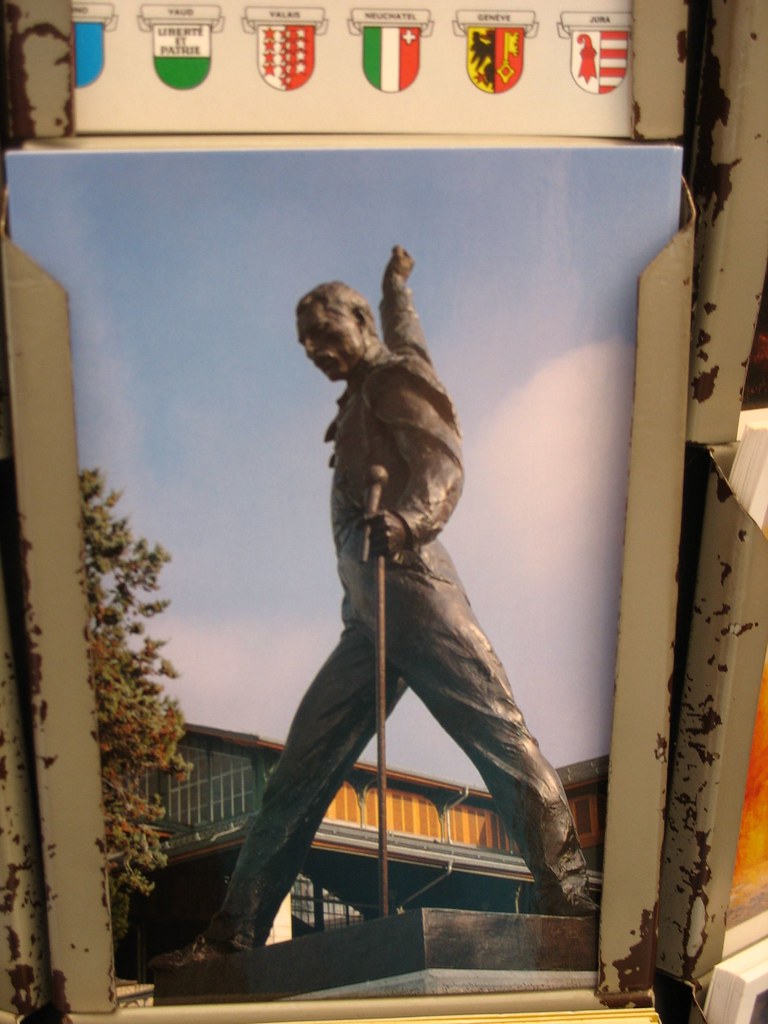
Freddie Mercury spent years crafting “Bohemian Rhapsody” as a mini-opera that defied every convention of radio-friendly rock music, with its six-minute runtime and lack of a traditional chorus. The song’s three distinct sections – ballad, opera, and hard rock – reflected Mercury’s theatrical vision and his desire to push Queen beyond typical rock boundaries. Producer Roy Thomas Baker revealed in recent interviews that the recording sessions at Rockfield Studios involved over 180 vocal overdubs, creating that legendary choir effect. The track spent nine consecutive weeks at number one in the UK charts and experienced a massive resurgence after the 2018 film “Bohemian Rhapsody,” reaching number one again in multiple countries. Mercury never fully explained the song’s meaning, but many interpret it as his personal confession about his sexuality and inner struggles during a time when such topics were rarely discussed openly.
November Rain – Guns N’ Roses (1991)
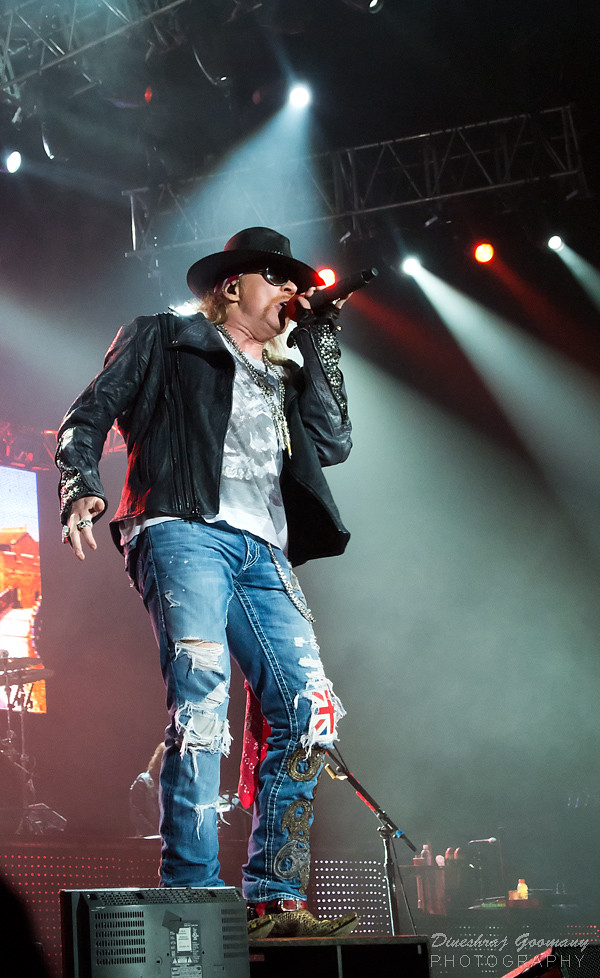
Axl Rose began writing “November Rain” as a teenager, inspired by his tumultuous relationship patterns and his fascination with orchestral rock compositions. The song’s epic nine-minute structure was Rose’s attempt to create a rock symphony, complete with a full orchestra arranged by Robert Williams. The accompanying music video, directed by Andy Morahan, became one of the most expensive ever produced at the time, costing over $1.5 million and featuring Stephanie Seymour as Rose’s bride. The track reached number three on the Billboard Hot 100 and became the longest song ever to crack the top 10 at that time. Rose’s perfectionist approach to the song’s production contributed to the album “Use Your Illusion I” taking nearly four years to complete, with some parts of “November Rain” being re-recorded dozens of times.
More Than a Feeling – Boston (1976)
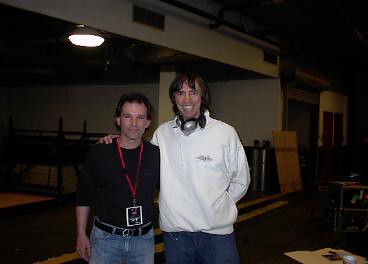
Tom Scholz spent six years perfecting “More Than a Feeling” in his basement studio, using homemade equipment and revolutionary recording techniques that would influence rock production for decades. The song’s distinctive guitar sound came from Scholz’s custom-built Rockman amplifier, which he later patented and sold commercially. Brad Delp’s soaring vocals were recorded through a technique Scholz developed involving multiple microphone positions and analog delay effects. The track launched Boston’s debut album to the top of the charts, where it remained for weeks and sold over 25 million copies worldwide. Scholz’s meticulous approach to production meant the band only released six studio albums over five decades, but “More Than a Feeling” remains a masterclass in arena rock craftsmanship that still influences musicians today.
Alone – Heart (1987)
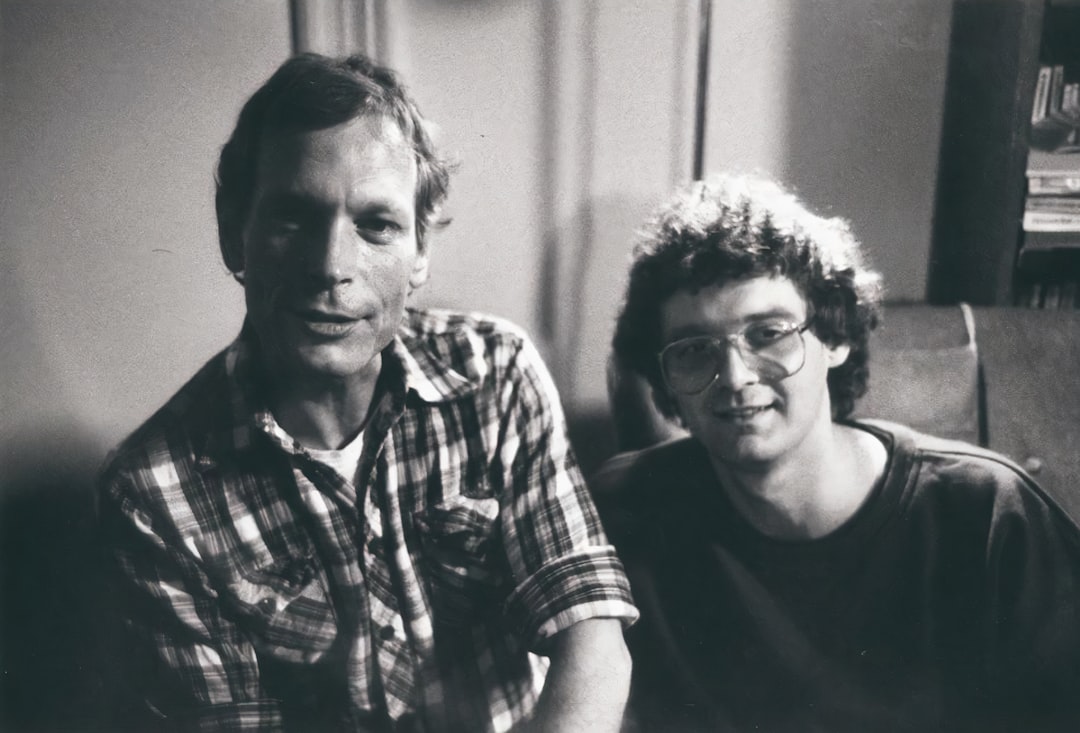
Originally written by Billy Steinberg and Tom Kelly for i-Ten, “Alone” became Heart’s biggest hit when Ann and Nancy Wilson transformed it into a powerhouse rock ballad. The song marked Heart’s comeback after years of creative struggles, with Ann Wilson’s volcanic vocals proving she could adapt to the MTV era while maintaining her rock credibility. The track spent three weeks at number one on the Billboard Hot 100 and became Heart’s only chart-topper, selling over two million copies in the United States alone. Producer Ron Nevison’s polished production helped the song dominate radio and MTV, with its music video receiving heavy rotation throughout 1987. The success of “Alone” proved that female-fronted rock bands could still achieve massive commercial success in an increasingly male-dominated music landscape.
Every Rose Has Its Thorn – Poison (1988)

Bret Michaels wrote “Every Rose Has Its Thorn” on his front porch after a painful phone call with his girlfriend, who was breaking up with him while he was on tour. The acoustic ballad was a departure from Poison’s usual glam metal sound, but it became their biggest hit and signature song. The track spent three weeks at number one on the Billboard Hot 100 and was certified double platinum by the RIAA. Michaels revealed in interviews that the song’s simple chord progression and honest lyrics resonated with fans who were experiencing similar heartbreak. The success of “Every Rose Has Its Thorn” helped establish the power ballad as a necessary component of every hair metal band’s repertoire throughout the late 1980s.
Home Sweet Home – Mötley Crüe (1985)

Tommy Lee wrote the opening piano melody for “Home Sweet Home” while missing his family during a particularly grueling tour, creating one of the most recognizable intros in rock history. The song’s emotional core came from the band’s collective exhaustion with life on the road, transforming their usual hedonistic party anthems into something surprisingly vulnerable. Vince Neil’s vocals captured the longing of every touring musician who had ever felt disconnected from their roots. The track became Mötley Crüe’s highest-charting single, reaching number 89 on the Billboard Hot 100 and earning heavy MTV rotation. The song’s music video, featuring concert footage and behind-the-scenes moments, helped establish the template for rock ballad videos that emphasized authenticity over glamour.
18 and Life – Skid Row (1989)

Sebastian Bach and Rachel Bolan crafted “18 and Life” as a cautionary tale about youth violence and the consequences of reckless decisions, inspired by true crime stories they had read. The song’s narrative structure, following a character named Ricky who throws his life away in a moment of rage, was unusual for hair metal but struck a chord with audiences. Bach’s powerful vocals and the band’s tight musicianship helped the track reach number four on the Billboard Hot 100. The song’s success proved that rock ballads could address serious social issues while still maintaining commercial appeal. “18 and Life” became Skid Row’s signature song and remains a staple of rock radio, demonstrating how metal bands could tackle mature themes without losing their edge.
Love Song – Tesla (1989)

Tesla’s “Love Song” emerged from the band’s desire to create something completely different from their usual hard rock sound, stripping away the electric guitars for an acoustic-based arrangement. The song’s gentle melody and sincere lyrics about romantic devotion became an unexpected hit, reaching number 10 on the Billboard Hot 100. Frank Hannon’s acoustic guitar work and Jeff Keith’s heartfelt vocals created an intimate atmosphere that contrasted sharply with the band’s heavier material. The track’s success helped Tesla establish themselves as more than just another hard rock band, proving they could master multiple musical styles. “Love Song” became a wedding favorite and demonstrated that authenticity could triumph over musical trends, even during the height of the hair metal era.
I Remember You – Skid Row (1989)

Written by Rachel Bolan and Dave “The Snake” Sabo, “I Remember You” was inspired by their shared memories of struggling musicians before achieving success with Skid Row. The song’s acoustic-driven arrangement and Sebastian Bach’s emotional delivery created a perfect counterpoint to the band’s harder material on their debut album. The track reached number six on the Billboard Hot 100 and became one of the most popular power ballads of the late 1980s. Bach’s vocal performance, ranging from tender verses to soaring choruses, showcased his incredible range and helped establish him as one of metal’s premier vocalists. The song’s success proved that even the heaviest bands needed a softer side to achieve mainstream acceptance during the MTV era.
Silent Lucidity – Queensrÿche (1990)

Chris DeGarmo wrote “Silent Lucidity” as an exploration of lucid dreaming and the power of the human mind to overcome fear and uncertainty. The song’s progressive structure and philosophical lyrics represented Queensrÿche’s intellectual approach to heavy metal, setting them apart from their more straightforward contemporaries. Geoff Tate’s operatic vocals and the band’s orchestral arrangements created a haunting atmosphere that perfectly complemented the dream-like theme. The track became Queensrÿche’s biggest hit, reaching number nine on the Billboard Hot 100 and earning heavy MTV rotation. “Silent Lucidity” proved that metal fans were hungry for more sophisticated material, paving the way for the progressive metal movement that would emerge in the 1990s.
High Enough – Damn Yankees (1990)
The supergroup Damn Yankees, featuring Ted Nugent, Tommy Shaw, and Jack Blades, created “High Enough” as their attempt to craft the perfect arena rock ballad. Shaw’s soaring vocals and the band’s layered harmonies created an anthemic quality that made the song an instant classic. The track reached number three on the Billboard Hot 100 and became the band’s biggest hit, proving that veteran rockers could still create relevant music. Producer Ron Nevison’s polished production helped the song dominate radio and MTV, with its music video featuring the band performing in various dramatic settings. “High Enough” demonstrated that rock supergroups could succeed when they focused on songcraft rather than just combining famous names.
When the Children Cry – White Lion (1987)

Vito Bratta and Mike Tramp wrote “When the Children Cry” as a response to the global issues affecting children in the 1980s, from war to poverty to environmental destruction. The song’s acoustic guitar intro and building dynamics created a powerful emotional journey that matched the weight of its subject matter. Tramp’s vocals conveyed genuine concern and hope, while Bratta’s guitar work provided both delicate fingerpicking and soaring leads. The track reached number three on the Billboard Hot 100 and became White Lion’s signature song, proving that hair metal bands could address serious social issues. The song’s music video, featuring images of children from around the world, helped raise awareness about global humanitarian issues and showed rock’s potential for positive social impact.
Winds of Change – Scorpions (1991)

Klaus Meine wrote “Winds of Change” after witnessing the fall of the Berlin Wall and the dramatic political changes sweeping across Eastern Europe. The song’s hopeful lyrics and memorable whistle melody captured the optimism of a world emerging from decades of Cold War tension. The track became a global anthem for peace and change, reaching number four on the Billboard Hot 100 and topping charts in multiple countries. The Scorpions’ decision to write in English rather than German helped the song reach a worldwide audience during this historic moment. “Winds of Change” sold over 14 million copies globally and became one of the best-selling singles of all time, proving that rock music could serve as a soundtrack for historical transformation.