
Born in the U.S.A. – A Vietnam Veteran’s Nightmare
Bruce Springsteen’s thunderous anthem sounds like pure American pride, but it’s actually a bitter critique of how Vietnam veterans were treated. The song tells the story of a working-class man sent to fight in Southeast Asia, only to return home to unemployment and neglect. Springsteen wrote it after reading Born on the Fourth of July by Ron Kovic, a paralyzed Vietnam veteran. The irony is that politicians, including Ronald Reagan, tried to use it as a campaign song without understanding its anti-war message. The upbeat tempo masks lyrics about dead friends and a protagonist who “had nowhere to run to, nowhere to go.”
Every Breath You Take – The Ultimate Stalker Anthem
The Police’s massive hit from 1983 isn’t the romantic love song most people think it is. Sting has repeatedly clarified that it’s about obsession and surveillance, calling it “sinister” and “ugly.” He wrote it during his divorce from his first wife, channeling feelings of jealousy and possessiveness. The lyrics “I’ll be watching you” take on a much darker meaning when you realize they’re threats, not promises of devotion. Despite its disturbing undertones, it became one of the most popular wedding songs of all time. Sting himself has expressed amazement at how people misinterpret such obviously menacing lyrics.
Pumped Up Kicks – School Violence Hidden in Whistles
Foster the People’s catchy 2010 hit disguises one of music’s darkest subjects behind an infectious melody. The song is told from the perspective of a troubled teenager planning a school shooting, specifically targeting kids with expensive sneakers. Mark Foster wrote it to raise awareness about gun violence and mental health issues among youth. The whistled hook and upbeat production deliberately contrast with lyrics about “outrunning my gun” and kids who “better run, better run.” Radio stations initially played it without restriction until listeners began paying attention to the actual words. The song sparked important conversations about hidden violence in seemingly innocent pop music.
Macarena – A Cheating Wife’s Confession
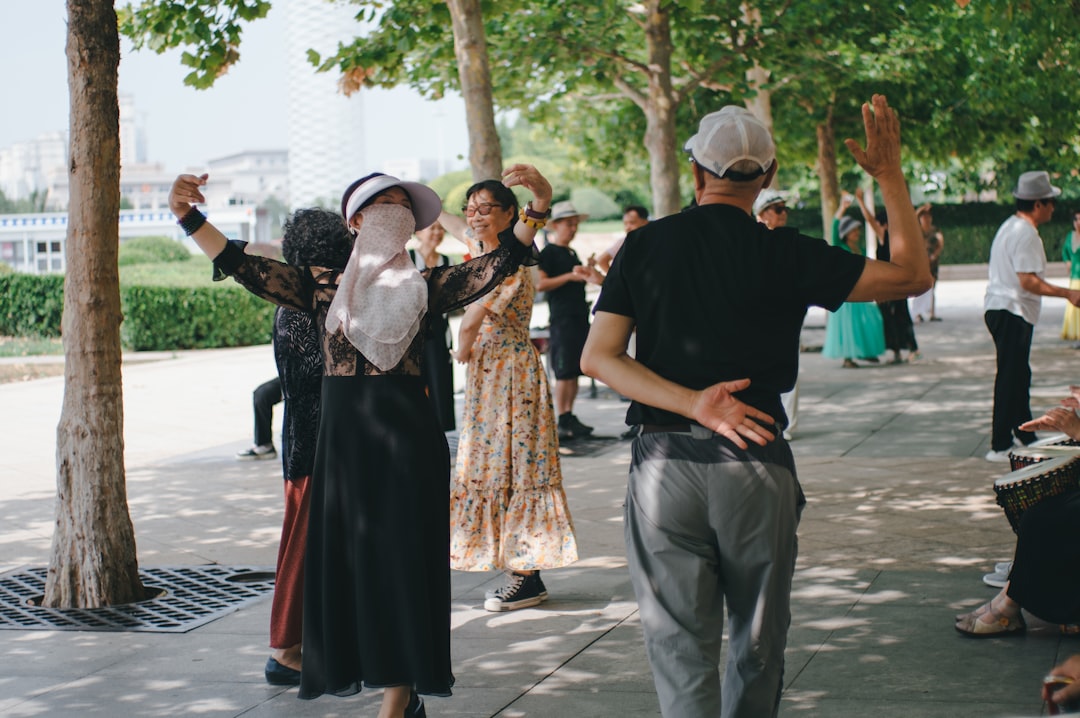
The 1996 dance craze that had everyone moving their hips tells the story of a woman named Macarena who cheats on her boyfriend while he’s away in the army. Los Del Rio’s Spanish lyrics describe how she hooks up with two of his friends, Victorino and Vitorino. Most English-speaking dancers had no idea they were celebrating infidelity while doing the iconic arm movements. The song’s title character shows no remorse for her actions, instead reveling in her sexual freedom. When translated, lines like “give your body joy, Macarena, that your body is to give joy and good thing” take on a completely different meaning than the innocent fun most people associated with the dance.
Hotel California – A Commentary on 1970s Excess
The Eagles’ mysterious masterpiece isn’t just about a spooky hotel—it’s a critique of the hedonistic lifestyle that consumed 1970s rock culture. Don Felder and Don Henley crafted it as an allegory for the dark side of the American Dream, particularly in Los Angeles. The “Hotel California” represents the music industry’s trap of fame, drugs, and materialism that artists found impossible to escape. Lines like “you can check out any time you like, but you can never leave” reflect how success became a prison. The song also references Steely Dan (“they stab it with their steely knives”) in a playful jab at their contemporaries. Despite decades of speculation, the band has consistently maintained it’s about the loss of innocence in American culture.
Semi-Charmed Life – Crystal Meth Disguised as Pop
Third Eye Blind’s breakthrough hit sounds like pure 1990s optimism, but it’s actually about crystal methamphetamine addiction. Stephen Jenkins embedded explicit drug references throughout the seemingly upbeat track, including “doing crystal meth will lift you up until you break.” The “semi-charmed life” refers to the false happiness drugs provide before destroying everything. Most radio listeners never caught the darker lyrics because they’re delivered so quickly and melodically. The song chronicles a relationship falling apart due to substance abuse, with the narrator losing touch with reality. Jenkins has said he wanted to show how addiction can masquerade as fun, just like the song’s deceptive cheerfulness masks its tragic subject matter.
Closing Time – Not About Last Call at the Bar
Semisonic’s 1998 hit seems like the perfect song for bar patrons heading home, but Dan Wilson wrote it about his impending fatherhood. The “closing time” metaphor represents the end of one phase of life and the beginning of another—specifically, becoming a parent. Wilson was expecting his first child when he penned the lyrics, and “every new beginning comes from some other beginning’s end” reflects the transformative nature of parenthood. The line “time for you to go back to the places you will be from” refers to a baby being born into the world. Bar owners worldwide adopted it as their unofficial closing anthem, completely missing its deeper meaning about life transitions. Wilson has expressed amusement that his song about birth became associated with the end of drinking nights.
Come on Eileen – A Coming-of-Age Story
Dexys Midnight Runners’ 1982 Celtic-influenced hit tells the story of sexual awakening and leaving childhood behind. Kevin Rowland wrote it about young love and the pressure to grow up too quickly in working-class Britain. The song’s narrator is urging Eileen to experience adult intimacy, marking the end of their innocent friendship. Lines like “now I must say more than ever, come on Eileen” suggest sexual urgency rather than casual friendship. The reference to “Johnny Ray” connects to an earlier generation’s music, showing how each generation faces the same struggles with growing up. Despite its upbeat tempo, the song carries undertones of lost innocence and the bittersweet nature of coming of age.
Chandelier – Swinging from Addiction’s Grip
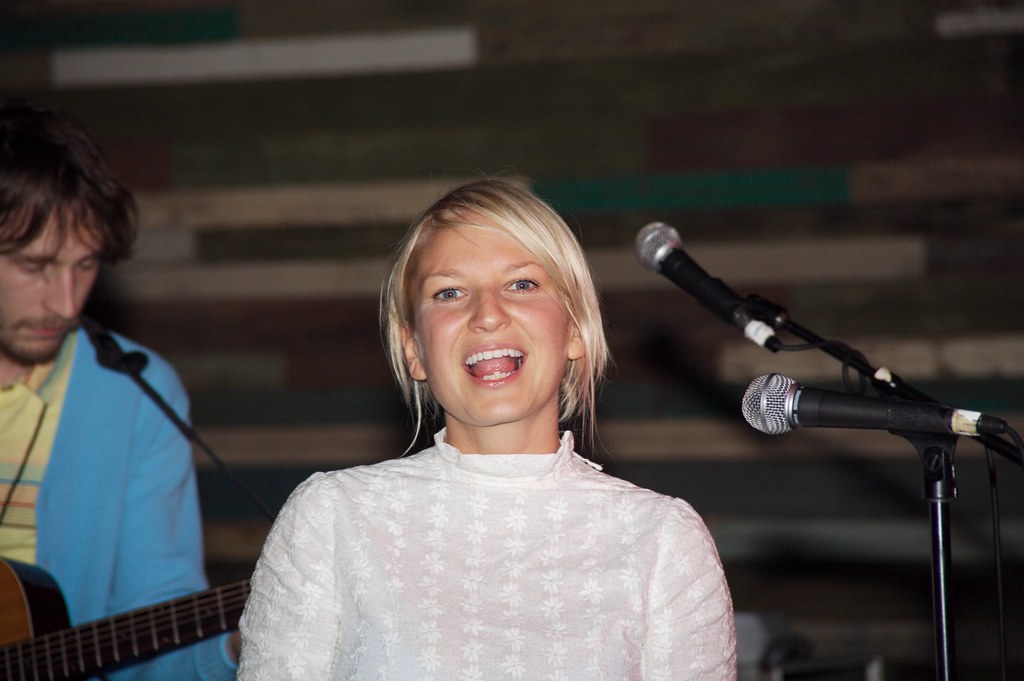
Sia’s 2014 powerhouse anthem isn’t about party celebration—it’s a raw confession about alcoholism and self-destructive behavior. The Australian singer wrote it during her own struggles with substance abuse, using the chandelier as a metaphor for feeling fragile and ready to crash. Lines like “I’m gonna swing from the chandelier” represent living dangerously on the edge of destruction. The song’s party imagery masks deeper themes of using alcohol to numb emotional pain and maintain a facade of happiness. Sia has been open about how the track reflects her personal battles with addiction and the entertainment industry’s pressures. The upbeat production contrasts sharply with lyrics about feeling like “a party girl” who’s actually falling apart inside.
Blackbird – A Civil Rights Anthem Disguised as Nature
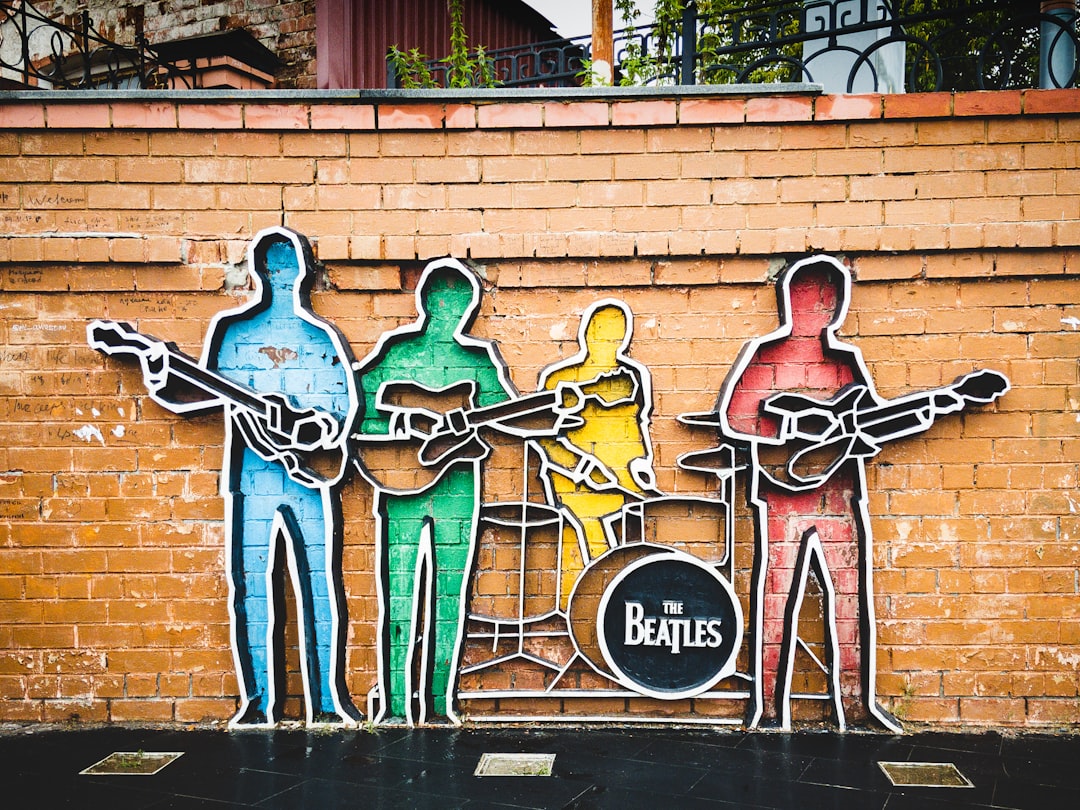
Paul McCartney’s gentle 1968 ballad about a bird learning to fly was actually inspired by the civil rights movement and specifically written for African American women facing racial oppression. McCartney has confirmed that “blackbird” was his metaphor for Black women breaking free from societal constraints during the height of the civil rights era. The “broken wings” represent the barriers imposed by segregation and discrimination, while learning to fly symbolizes achieving freedom and equality. He wrote it after reading about the Little Rock Nine and other brave individuals challenging racial injustice. The song’s acoustic simplicity masks its powerful political message, with lines like “you were only waiting for this moment to be free” carrying deep social significance. Many listeners heard only a pretty song about nature, missing its connection to one of America’s most important social movements.
What stories have you been singing along to without realizing their true meaning?