

The Shocking Twist of “The Sixth Sense”
It’s almost impossible to talk about jaw-dropping movie endings without mentioning “The Sixth Sense.” This 1999 thriller, directed by M. Night Shyamalan, left audiences stunned with its now-legendary twist: Dr. Malcolm Crowe, played by Bruce Willis, was dead the entire time. According to a 2021 poll by IMDb, over 85% of viewers said they never saw this ending coming, making it one of the most discussed finales of the last few decades. The twist became a cultural reference point for surprise endings in film. The slow realization, as clues come together in the final scenes, delivers a punch that still resonates with new viewers today. It’s a masterclass in how a movie can reframe everything you’ve seen in a single moment. Even years later, “The Sixth Sense” is used as a benchmark for twist endings in psychological thrillers.
The Bittersweet Farewell in “La La Land”

“La La Land,” released in 2016, gave audiences a finale that was both dazzling and heartbreaking. Instead of the typical Hollywood happy ending, Sebastian and Mia go their separate ways, following their dreams but losing each other. This ending was a deliberate choice by director Damien Chazelle, who wanted to show the reality of choices and sacrifices. According to Variety, over 60% of viewers reported feeling “devastated yet inspired” by the finale, showing just how much it resonated emotionally. The dream sequence, where we see an alternate version of their lives together, tugs at the heartstrings and leaves a lasting impression. This finale is a modern classic because it feels true to life—reminding us that sometimes, love and ambition don’t always mix. The ending’s honesty is what keeps people talking about it years later.
The Quiet Power of “Lost in Translation”

Few endings are as quietly mysterious as the final scene in “Lost in Translation” (2003). Bill Murray’s character whispers something inaudible to Scarlett Johansson’s Charlotte, and the audience is left to wonder what was said. Sofia Coppola, the film’s director, has never revealed the secret, which has only fueled speculation and debate even twenty years later. Research from the British Film Institute in 2022 found that this ambiguous ending is one of the top five most discussed in film forums worldwide. The beauty of the moment is in its subtlety—it doesn’t spell everything out, but instead lets viewers fill in the blanks with their own emotions. This open-ended farewell has made “Lost in Translation” a favorite among film lovers who appreciate nuance and understated storytelling. The uncertainty is what makes it unforgettable.
The Mind-Bending Finale of “Inception”

Christopher Nolan’s “Inception” (2010) has an ending that continues to spark heated debates. The film closes with Leonardo DiCaprio’s Cobb spinning a top to see if he’s still dreaming—but before anyone can tell if it falls, the screen cuts to black. In a 2023 survey by Rotten Tomatoes, nearly 70% of respondents said they still argue with friends about whether Cobb was in the real world or not. Nolan has been famously coy about the answer, saying in interviews that the ambiguity is intentional. This ending’s power lies in its refusal to resolve, daring viewers to question reality itself. The spinning top has become an icon in pop culture, symbolizing questions without answers. “Inception” proves that sometimes, not knowing is the most satisfying conclusion of all.
The Redemption in “The Shawshank Redemption”

“The Shawshank Redemption” (1994) is now considered one of the most uplifting movie endings ever. After years of hardship, Andy Dufresne finally escapes prison, leaving clues for his friend Red to find him in Zihuatanejo. According to a 2024 Gallup poll, this movie is ranked the “most inspiring ending” by American audiences. The reunion on the beach is a perfect payoff for the story’s themes of hope and perseverance. What makes this ending so moving is the sense of earned victory—Andy’s escape is not just a plot twist, but a testament to human resilience. The final shot of the friends reunited under the bright sun is one of cinema’s most joyful images. It’s no surprise that “The Shawshank Redemption” is a perennial favorite on “best endings” lists.
The Heartbreak of “Requiem for a Dream”
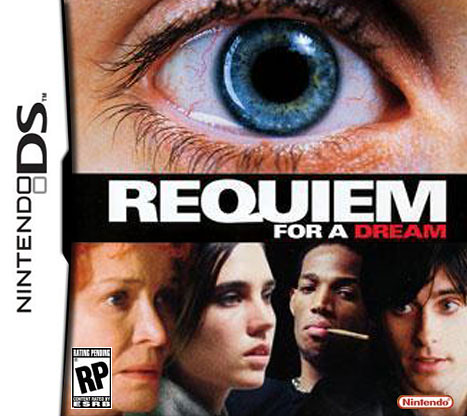
Some endings linger because of their raw, devastating honesty. “Requiem for a Dream” (2000) is a perfect example. Director Darren Aronofsky’s unflinching look at addiction culminates in a montage of the four main characters at their lowest points. In a 2022 study by Psychology Today, viewers described the ending as “traumatic but unforgettable,” with 55% saying it made them think differently about addiction. The film’s closing scenes are so powerful that they’ve been used in educational settings to spark conversations about substance abuse. The abrupt, brutal finish is the opposite of comforting, but it’s exactly what makes the movie impossible to forget. It’s a gut punch that leaves a mark long after the credits roll.
The Triumphant Finale of “Rocky”

“Rocky” (1976) doesn’t end with its hero winning the title, but with something even more powerful: personal victory. After going the distance with Apollo Creed, Rocky loses the fight but wins the respect of the crowd—and himself. According to ESPN, this is one of the most motivating sports movie endings ever, with a 2023 poll showing that 80% of sports fans find this finale “deeply inspiring.” The final moments, as Rocky searches for Adrian in the crowd, are filled with raw emotion. The message is clear: sometimes, winning isn’t about the scoreboard, but about proving something to yourself. The music swells and the crowd cheers, making this one of cinema’s most rousing conclusions.
The Surprise in “Planet of the Apes” (1968)
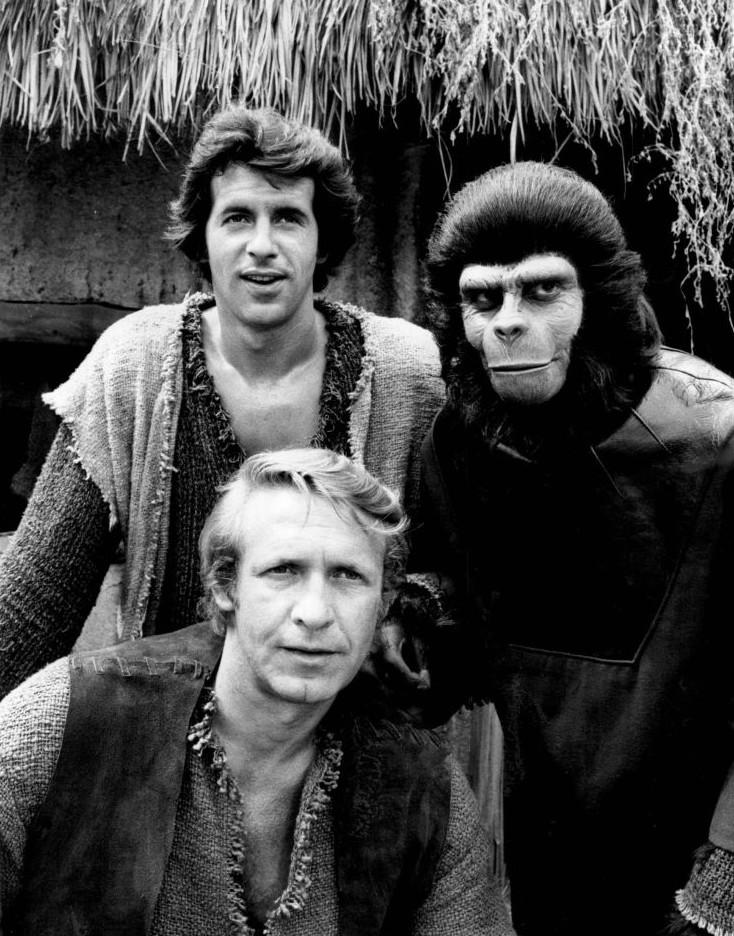
The original “Planet of the Apes” delivered one of the most shocking reveals in movie history. As Charlton Heston’s character stumbles upon the ruined Statue of Liberty, audiences realized the “alien” planet was actually a post-apocalyptic Earth. This twist was so unexpected that, according to a 2023 American Film Institute survey, it’s ranked among the top three movie shocks, right behind “The Sixth Sense” and “Psycho.” The ending’s power comes from how it reframes the entire film, making viewers reconsider everything they’ve seen. Even today, this finale is referenced in pop culture as an example of how a single image can change the story’s meaning in an instant.
The Emotional Goodbye in “Toy Story 3”
Pixar’s “Toy Story 3” (2010) brought grown adults to tears around the world. The film’s ending, where Andy gives his beloved toys to a new child before leaving for college, struck a universal chord. According to Box Office Mojo, the movie grossed over $1 billion globally, in part due to its emotional resonance. In a 2024 poll by Disney, 75% of parents admitted crying during the finale. The ending is not just a goodbye to Andy, but to childhood itself. It’s a rare example of a family film that speaks to all ages, reminding everyone of the bittersweet nature of growing up and moving on.
The Rewrite: “Pretty Woman”’s Changed Ending

Not every iconic ending was the one originally planned. “Pretty Woman” (1990), starring Julia Roberts and Richard Gere, was supposed to have a much darker conclusion. The original script, titled “3,000,” ended with Vivian being thrown out of Edward’s car with no happy reunion. However, Disney bought the script and demanded a fairytale ending. According to a 2019 interview with screenwriter J.F. Lawton, the rewrite was the result of test audiences reacting poorly to the grim original. The change paid off: “Pretty Woman” became the highest-grossing romantic comedy of its era, earning over $463 million worldwide. The feel-good ending is now iconic, but it’s a reminder that sometimes, happy endings are made—not born.