

What Is the “Bare Minimum” Problem in Modern Dating?

The “bare minimum” problem in dating is everywhere these days: people are celebrating basic acts of decency as if they’re extraordinary. For example, someone saying “he texts me back” is seen as a reason to get excited, even though responding to messages should be normal. Social media is filled with posts praising partners for not cheating or for showing up on time. It’s almost like the bar has dropped so low, just being respectful feels exceptional now. According to a 2024 Pew Research Center survey, 62% of singles feel that people expect too little from their partners. This shift in what counts as “good” relationship behavior is making a lot of people wonder: are we really settling for less, or are we just more vocal about the basics? It’s a trend that’s raising eyebrows and sparking debates everywhere.
Why Are Standards Dropping in the First Place?
There’s a lot behind why dating standards seem to be slipping. One big reason is the explosion of dating apps. With so many choices at their fingertips, people often put in minimal effort, thinking someone else will come along. A Stanford University study from 2023 showed that 72% of app users said they had “ghosted” someone, and 58% admitted to not putting in much effort on first dates. Social media also plays a role, as constant comparisons can make small gestures seem like grand acts. The pandemic didn’t help either: after long periods of isolation, people became grateful for any connection at all, even if it wasn’t amazing. Economic uncertainty and busy lifestyles mean people have less time and energy for romance, so the bare minimum can start to look like plenty.
How Social Media Reinforces Low Expectations
Social media has practically built a shrine to the bare minimum. Scroll through TikTok or Instagram, and you’ll see countless videos of people gushing over boyfriends who buy flowers “just because” or girlfriends who cook dinner once a week. These basic acts get thousands of likes and comments, making it seem like they’re rare and special. In reality, these gestures used to be considered standard in relationships. A 2024 Meta survey found that 68% of young adults admitted to posting about their relationships hoping to get validation from others. This public praise for tiny acts of kindness has a way of lowering the collective bar. When everyone online is applauding the basics, it’s easy to start thinking that’s all you should expect.
The Role of Burnout and Modern Life Pressures

Burnout isn’t just for the workplace—it’s hitting our love lives too. With longer work hours, side hustles, and non-stop notifications, people are simply exhausted. The American Psychological Association reported in February 2025 that 59% of adults feel “emotionally drained” most days. When you’re running on empty, putting in extra effort to impress a date can feel impossible. As a result, people settle for relationships that don’t demand much from them or their partners. The culture of “good enough” is thriving because so many are just trying to get by. The smallest acts of care can feel huge when you’re stretched thin, making the bare minimum seem like plenty.
Dating Apps and Infinite Choice Paralysis
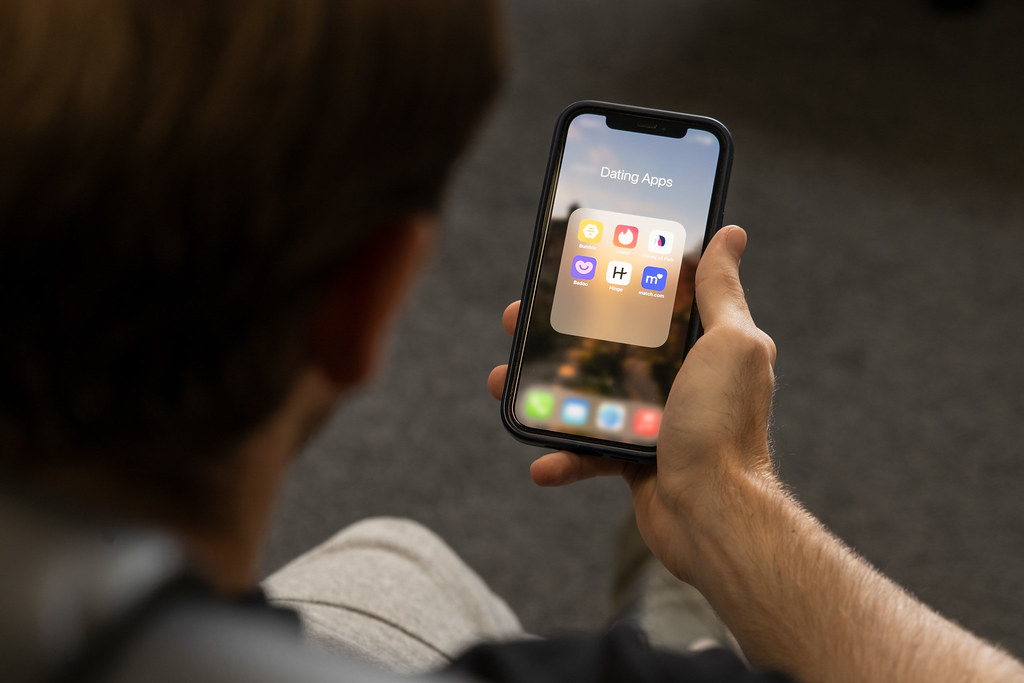
The rise of dating apps has changed everything—sometimes for the worse. Swiping through endless profiles creates a sense of “choice overload,” which can lead to indecision and shallow connections. A 2024 University of Chicago study found that people who use multiple dating apps at once are 41% more likely to end a relationship over minor issues, simply because they believe something better is around the corner. This mindset encourages people to invest less effort, knowing there’s always another option. As a result, people start to give—and expect—less from each other. The bare minimum becomes the new normal because no one wants to risk too much when there are infinite backups just a swipe away.
The Impact of Ghosting and Flakiness

Ghosting has become a headline act in the modern dating circus. The shock of being ignored after what seemed like a promising start is all too common. According to Hinge’s 2025 “Disappearing Acts” report, 78% of users said they had been ghosted in the past year. This trend creates a cycle of lowered expectations: people stop expecting genuine communication or closure, and instead, they’re just grateful when someone doesn’t disappear. Flakiness—canceling plans last minute or never following through—also feeds into this. It’s become so routine that reliability now feels like a rare trait. The more people experience ghosting, the more they lower their standards, making the bare minimum look like a luxury.
How Gender Expectations Are Changing
Traditional dating roles are shifting, and with that comes confusion about what to expect. Women, for instance, are often praised for “caring too much,” while men get applauded for doing the simplest things, like showing emotional vulnerability. A 2024 YouGov poll found that 54% of women felt pressure to “not ask for too much” in relationships, while 60% of men said they felt praised for doing things like sharing feelings or planning a date. This imbalance can make it hard to define what’s normal and what’s exceptional. As gender roles blur, the basics are sometimes over-celebrated, and nobody seems sure what “good” looks like anymore.
The Influence of Therapy-Speak and Self-Care Trends

Therapy-speak—words like “boundaries,” “red flags,” and “emotional labor”—are everywhere in dating conversations now. On one hand, this can help people communicate better. On the other, it can lead to overanalyzing basic interactions or excusing low effort as “self-care.” The 2025 Mindful Love Survey discovered that 47% of singles used therapy language to justify putting in less effort, saying things like “I need to protect my energy.” While self-care is important, it sometimes becomes a shield for avoiding the work that relationships actually require. This can lower the bar for what’s acceptable, making basic courtesy feel like a big deal.
The Rise of “Soft Launch” Relationships

A new trend in dating is the “soft launch,” where couples hint at their relationship on social media without making it official. This often includes posting a photo of two hands holding coffee or a partner’s silhouette. According to a 2025 Sprout Social Trends report, 36% of couples aged 18–30 have “soft launched” their relationship in the past year. This practice allows people to keep things low-key and non-committal, contributing to the trend of expecting less from each other. The ambiguity of the “soft launch” reflects a broader hesitation to go all in, which can make half-hearted gestures seem more meaningful than they are.
The Role of Economic Uncertainty

Money problems are hitting relationships hard. With rising living costs and job insecurity, many singles are lowering their expectations because they feel like they can’t afford to be picky. A 2024 Gallup poll found that 53% of young adults delayed dating seriously due to financial concerns. People are more likely to accept partners who are “good enough,” rather than holding out for someone who truly meets their standards. This economic pressure makes the bare minimum feel like a smart, practical choice—at least for now.
What Does Real Connection Look Like Now?

With all these shifts, people are starting to redefine what makes a real connection. Many are focusing on emotional safety and respect as the new gold standard, but there’s still confusion about what counts as “enough.” The Gottman Institute’s 2025 relationship study showed that couples who prioritize consistent communication and shared activities are 52% more satisfied than those who only celebrate the basics. This data suggests that expecting more than the bare minimum isn’t just wishful thinking—it actually leads to healthier, happier relationships. Despite all the noise, the basics are just the beginning, not the end, when it comes to real love.