

Brazil Nuts – The Selenium Superstars
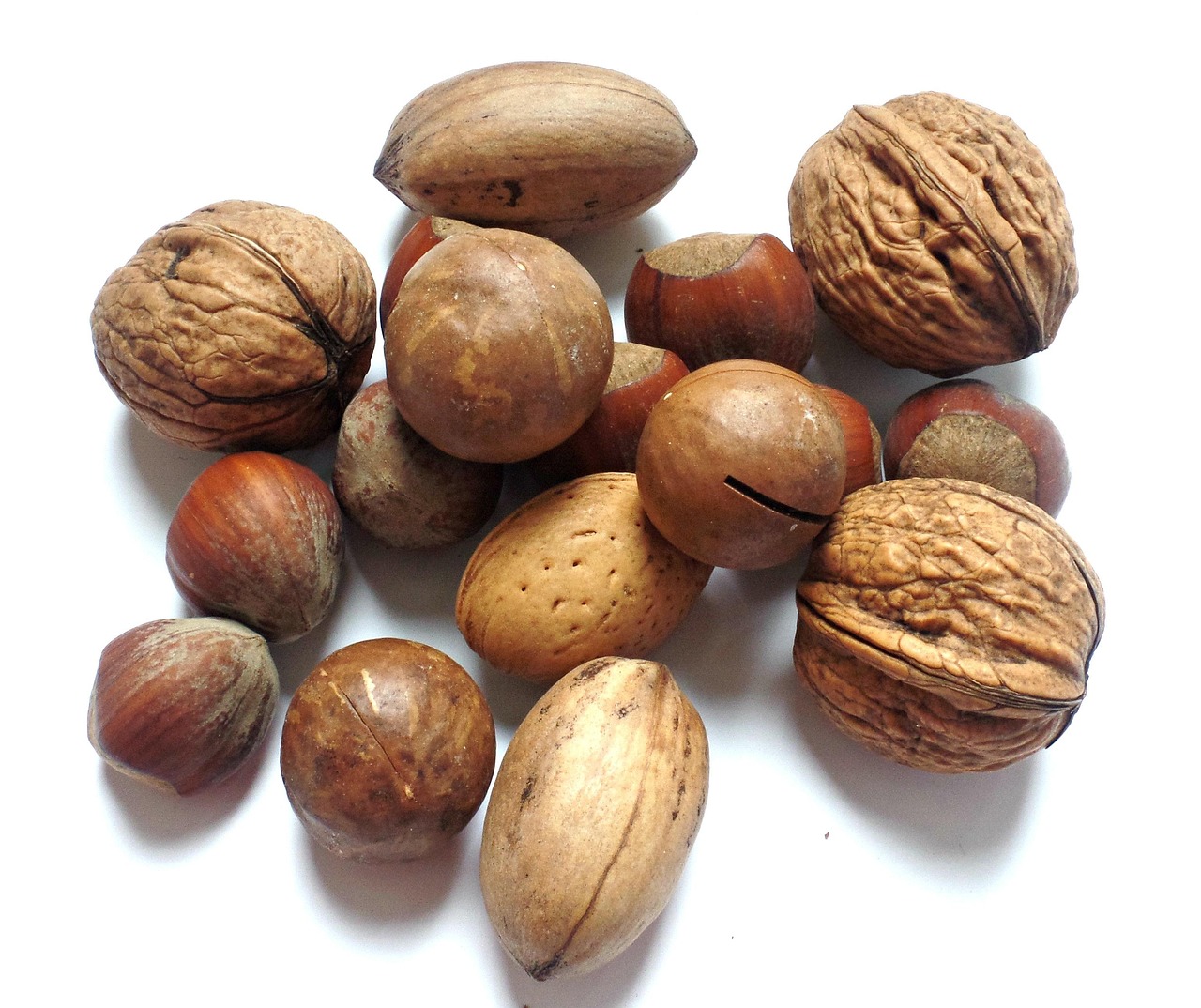
Just one Brazil nut contains 96 micrograms of selenium, which equals 175% of your daily needs, making them the most nutrient-dense choice on our list. Brazil nuts contain the highest concentration of selenium of any food consumed by humans, transforming these Amazon-grown giants into nutritional powerhouses. Higher levels of selenium can help strengthen your immune system and improve your outcomes with various health conditions, such as cancer, heart disease, infections, and infertility, with eating just two Brazil nuts a day maintaining selenium intake as effectively as a supplement. However, their top ranking comes with a crucial warning: An intake of 5,000 mcg of selenium could result in toxicity, making it important to limit intake to one to three medium-sized Brazil nuts daily. Studies show eating one Brazil nut per day for 8 weeks lowered total cholesterol and fasting glucose levels in healthy adults, proving that sometimes less really is more.
Walnuts – The Brain’s Best Friend

Walnuts are a great source of alpha-linolenic acid (ALA), an omega-3 fatty acid that is important for reducing inflammation, and it is the only nut significantly high in these omega-3 fatty acids. Think of walnuts as brain food with superpowers – studies have shown that the antioxidants and anti-inflammatory polyphenols found in walnuts may improve brain function and slow mental decline that occurs with aging. They have greater antioxidant activity and significantly more healthy omega-3 fatty acids than any other common nut, which explains why researchers gather annually at UC Davis for walnut conferences. A 2021 study found that consuming 30 to 60 grams of walnuts daily is beneficial for heart health, equivalent to 1 to 2 ounces or a 1/4 to 1/2 cup of walnuts. A 30g handful of walnuts contains 1.9g of omega-3 ALA, making them an excellent plant-based alternative to fish oils.
Almonds – The Vitamin E Champions
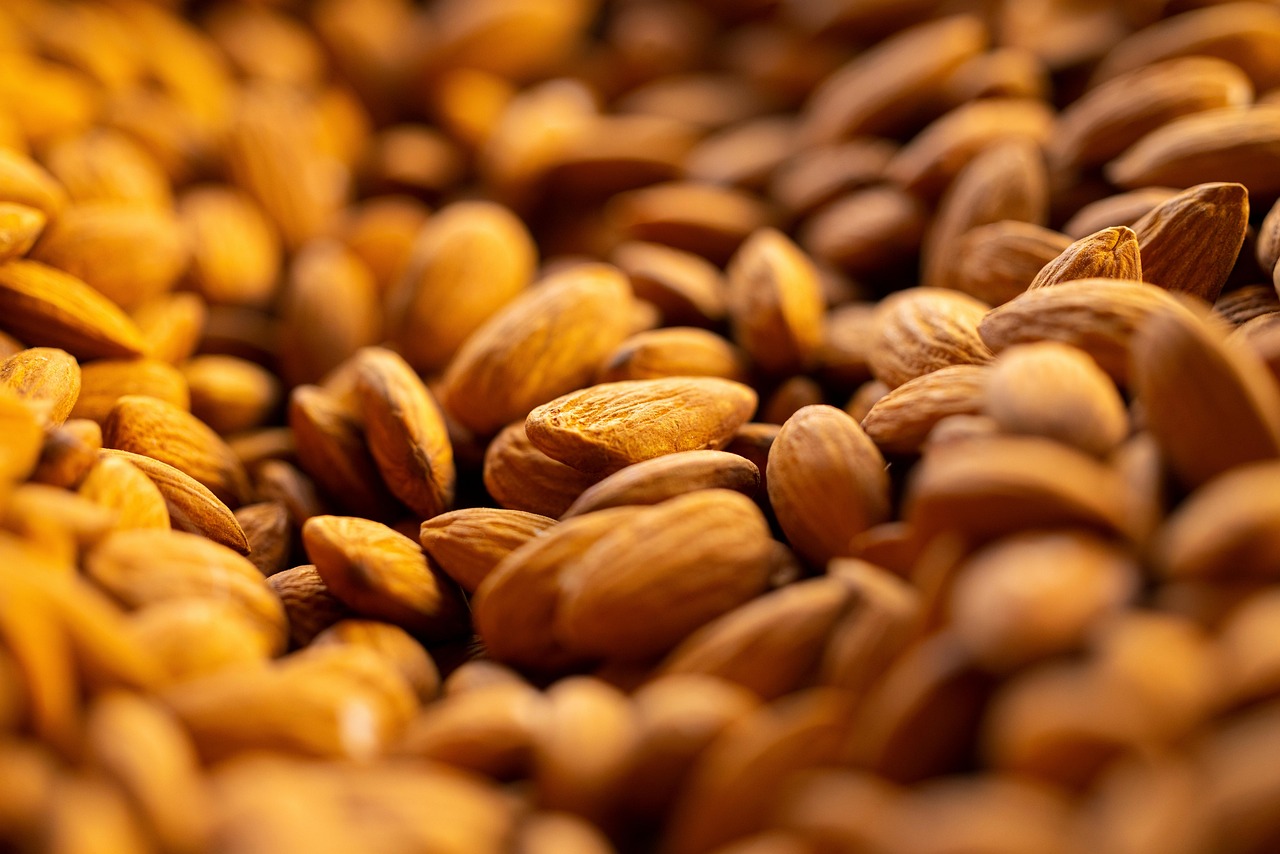
Almonds rank near the top of just about every nutritional scientist’s list when it comes to nuts that offer great health advantages, containing more fiber than any other nut—a whopping 17.9 grams in a single cup. These nuts are particularly high in vitamin E, making them one of the healthiest nuts for those looking to improve skin and vision health. Picture almonds as your daily dose of youth – they’re rich in vitamin E, which promotes skin health, a strong immune system, and supports vascular function, plus a cup contains 386 milligrams of magnesium, which is critical for muscle function, and studies show almonds help lower LDL cholesterol levels. The antioxidants in almonds can protect against obesity, diabetes, and metabolic syndrome, and they’re versatile, often a favorite among nut eaters. Additionally, it’s been found that there are at least 20 percent fewer calories than expected in nuts such as almonds because some of those calories are excreted in stool.
Pistachios – The Complete Protein Powerhouse
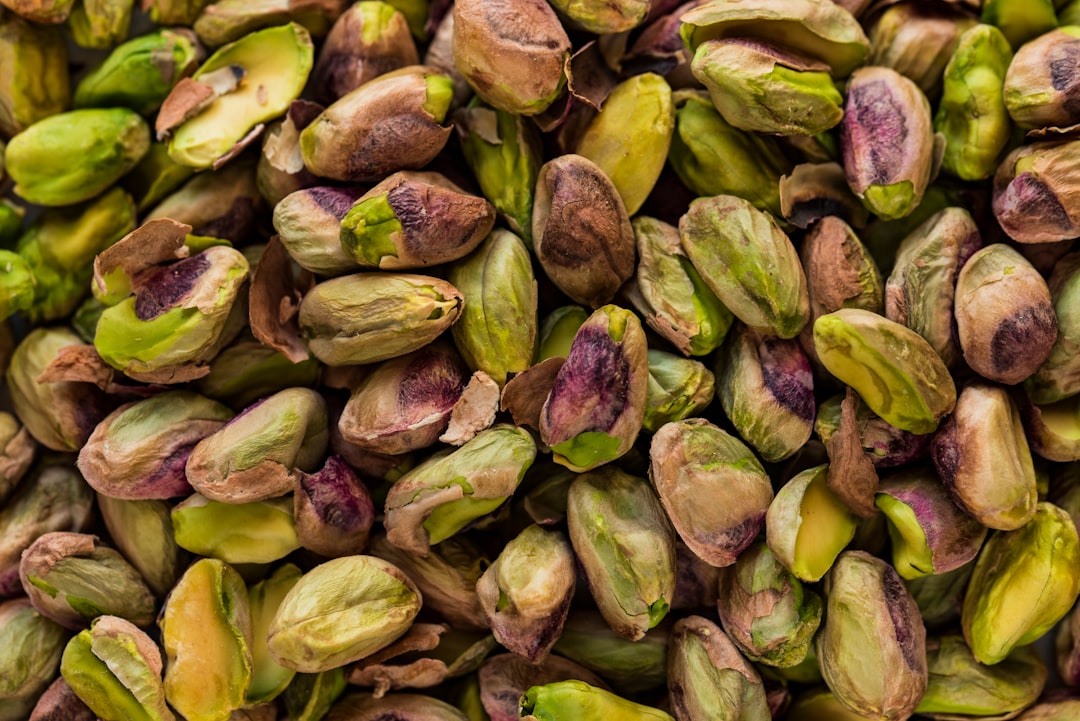
Pistachios qualify as a source of complete protein containing all essential amino acids in adequate amounts, joining the ranks of quinoa, chickpeas, and soybeans as plant proteins popular among vegetarians. Pistachios are especially rich in lutein and zeaxanthin, two important antioxidants for eye health, making them stand out from other nuts. Pistachios are a great source of plant-based protein because they are one of the few plants that contain all nine essential amino acids in adequate quantities, meaning they are a complete protein, which some plant-based eaters may find difficult to fulfill in their diets. Despite their nutritional density, pistachios are among the lowest-calorie nuts and are rich in essential amino acids, which must be obtained through diet. Another benefit is that they are a good source of melatonin, which promotes healthy sleep, and their signature green color comes from phytochemicals, lending to their antioxidant and anti-inflammatory properties.
Macadamia Nuts – The Stability Masters

Macadamias are the healthiest nut due to the fact that they have the lowest omega-6 fatty acid content (4%), meaning that 96% of the fatty acids in macadamias are highly stable and resistant to rancidity. This is a good thing if you keep a container of them in the backseat of your car for quick snacks, as even in the heat of summer, they will stay nice and fresh for weeks due to their powerhouse fatty acid profile. Macadamia nuts have a total fat content of 76%, higher than almost any other nut, but most of this fat is monounsaturated, which can help lower “bad cholesterol”. Westerners get plenty of omega-6 fats from processed foods, which in excess contribute to inflammation, so getting even more from nuts isn’t a good idea, making macadamias the nut you should reach for most often, particularly if you’re still relying on processed meals.
Cashews – The Mineral Goldmine

Cashews are some of the healthiest nuts because of their vitamin K and magnesium values, as both vitamin K and magnesium support bone health and healthy blood, helping to protect against many diseases. Cashews contain a bundle of essential minerals like zinc, copper, magnesium, and manganese (key for energy production, immune support and bone health), and they’re also rich in leucine, the essential amino acid that triggers muscle synthesis. Cashews also have around five grams of protein per ounce, and as with most nuts, they do have quite a high fat content but eating them sparingly is a wonderful way to give your diet a healthy boost. Most of the fats in cashews are monounsaturated fats, which are the heart-healthy kind. Cashews and pistachios have some of the lowest fat contents per serving of the healthiest nuts, with cashews having 13.2 grams of fat per ounce.
Hazelnuts – The Heart Helpers
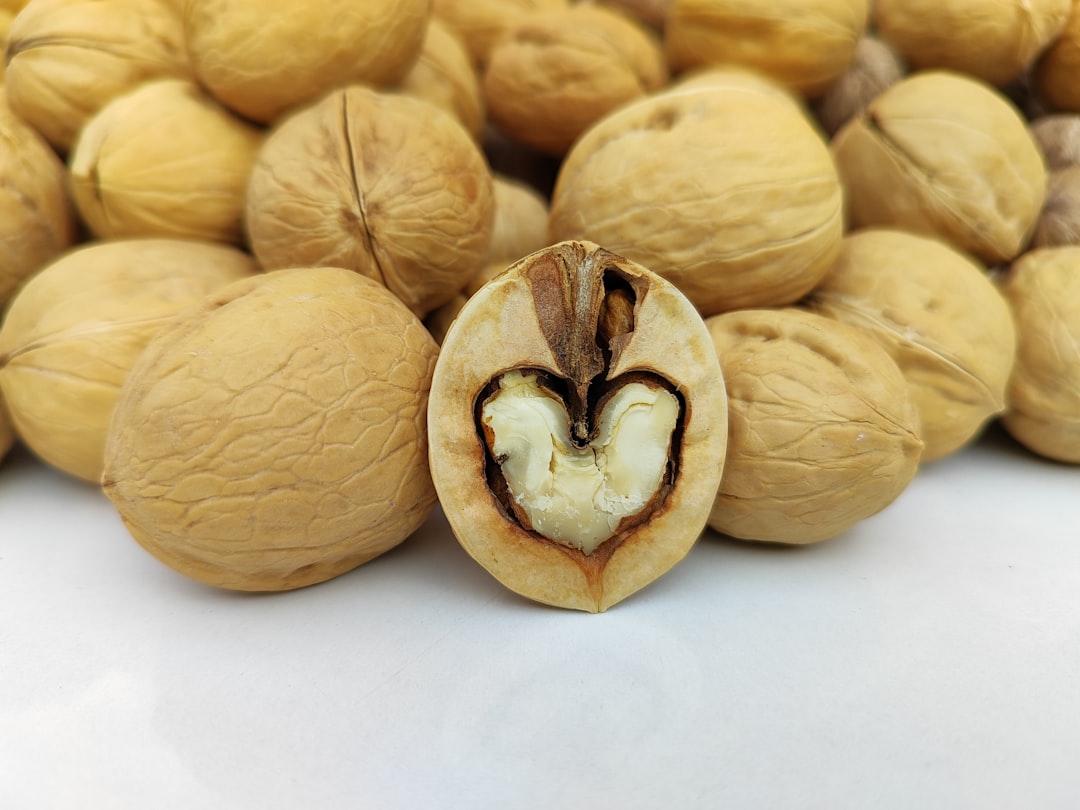
Hazelnuts are highly nutritious, packing healthy fats, protein, and fiber, and may have antioxidant and anti-inflammatory effects because they’re loaded with beneficial compounds. A 2016 review of 9 studies suggests that regularly eating hazelnuts may help reduce heart disease risk factors like elevated LDL cholesterol and total cholesterol. Hazelnuts have a distinctive flavor that makes them a favorite in sweet foods, and contain less protein than other nuts but may make up for it with other health benefits. Research in the Journal of Clinical Lipidology shows hazelnuts may help reduce cholesterol. Hazelnuts contain smaller amounts of alpha-linoleic acid (ALA) omega-3 fat, adding to their nutritional profile.
Pecans – The Antioxidant All-Stars

Pecans might be the underdog of the nut world, but they pack a serious antioxidant punch that deserves recognition. Some of the top healthiest types of nuts include almonds, pecans, and pistachios, with pecans earning their spot through impressive antioxidant content. Pecans contain smaller amounts of alpha-linoleic acid (ALA) omega-3 fat, contributing to their heart-healthy profile. These buttery nuts are particularly rich in vitamin A and vitamin E, making them excellent for skin health and immune function. While they’re higher in fat than some other nuts, most of this fat consists of heart-healthy monounsaturated fats. Pecans also provide decent amounts of manganese, which supports bone health and wound healing, making them a well-rounded nutritional choice.
Peanuts – The Protein Powerhouses (Though Not Really Nuts!)
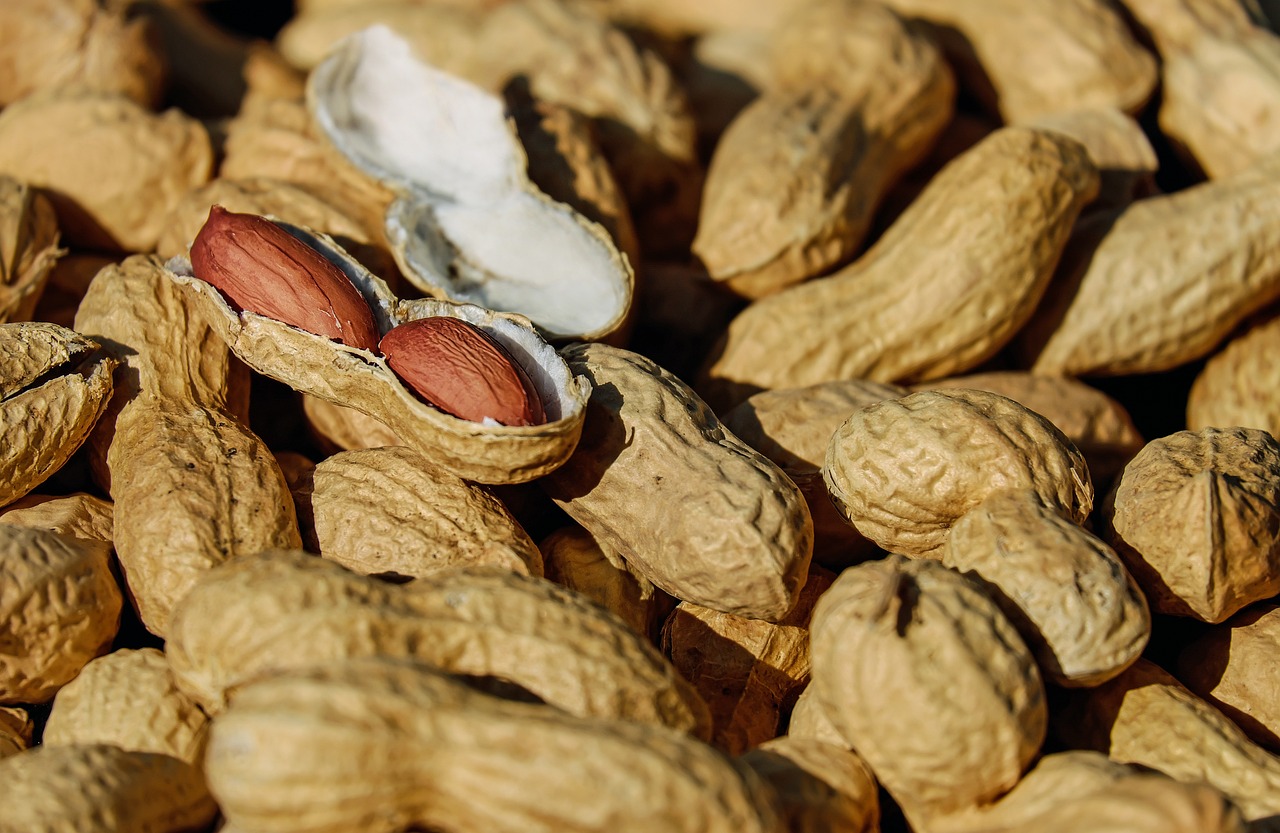
While technically a legume instead of a nut, peanuts have nutritional makeup similar to nuts and deserve inclusion, with peanuts being one of the best choices for protein as they have 26 grams of protein per 100-gram serving. Peanuts boast more protein than most nuts, clocking in at over 7 g per 1-oz serving, compared to almonds and pistachios with about 6 g of protein, cashews with about 5 g, and walnuts with 4 g. Peanuts contain more niacin than any nut—a whopping 17 milligrams in a single cup, and niacin is a B vitamin that supports your nervous and digestive systems and has been associated with reduced arthritis pain. This popular treat also has a high folate content, and folate is essential during pregnancy and aids in the development of new cell production. For the biggest nutritional value for your buck, you can’t beat peanuts and pistachios, as they are among the highest in protein, lowest in fat, and lowest in calories.
Pine Nuts – The Tiny Treasures
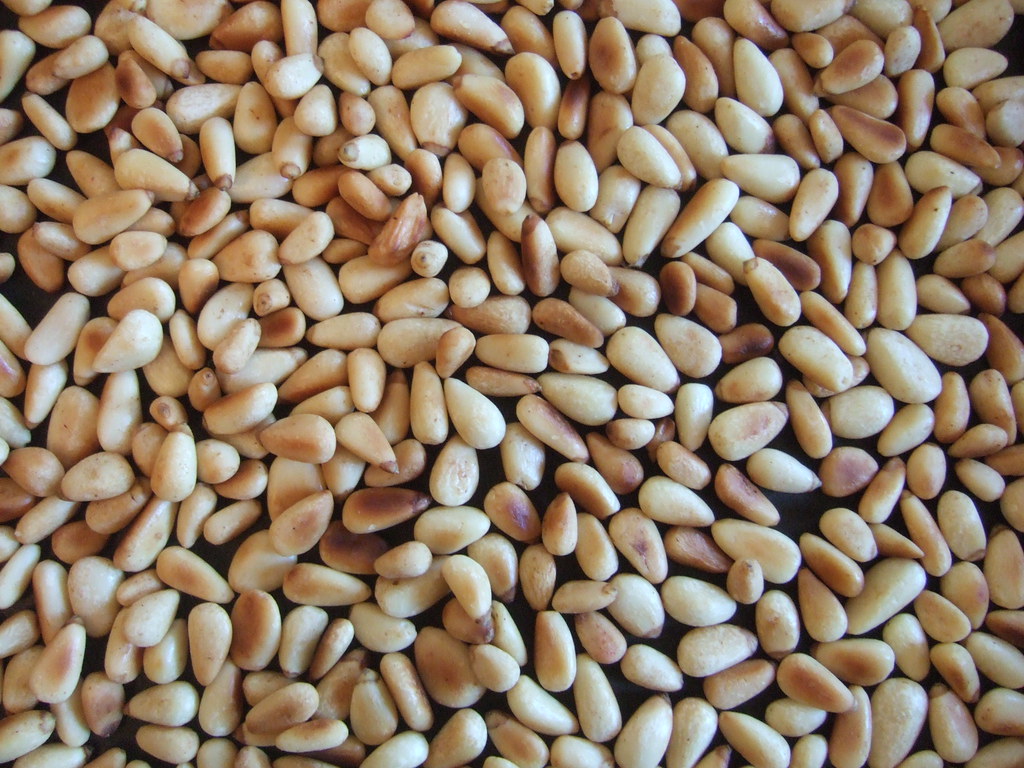
Contrary to popular belief, pine nuts aren’t actually nuts but seeds derived from the pine cone family and are still nutritious even though they technically aren’t nuts. Pine nuts are high in potassium and have been shown to alleviate some of the negative health effects of diabetes, and they also have many uses, including being a main ingredient in pesto and working perfectly sprinkled over salads. These Mediterranean favorites are surprisingly rich in protein and healthy fats, making them perfect for anyone following a plant-based diet. Pine nuts contain impressive amounts of vitamin K, which is essential for bone health and blood clotting. They’re also loaded with magnesium and zinc, supporting everything from immune function to wound healing. Their delicate, buttery flavor makes them a gourmet addition to both sweet and savory dishes, though their higher price point puts them at the bottom of our practical ranking.
What makes this ranking fascinating is how each nut brings something unique to the table – from Brazil nuts’ selenium superpowers to walnuts’ brain-boosting omega-3s. The key takeaway? There’s really no “worst” nut on this list, just different nutritional profiles that serve different health goals. Mix and match these nutritional powerhouses throughout your week, and your body will thank you for the variety.