The Psychology Behind Celebrity Worship Has Gone Too Far

Celebrity worship disorder affects approximately 15% of the global population according to recent studies from the International Association of Applied Psychology in 2024. What started as innocent admiration has morphed into something far more concerning. Research from UCLA’s Center for Digital Mental Health found that excessive celebrity fixation correlates with decreased self-esteem and unrealistic life expectations. The constant bombardment of perfect images and curated lifestyles creates a dangerous disconnect from reality. When we place actors on pedestals, we’re essentially setting ourselves up for perpetual disappointment and inadequacy.
Social Media Has Destroyed the Mystery That Made Stars Special
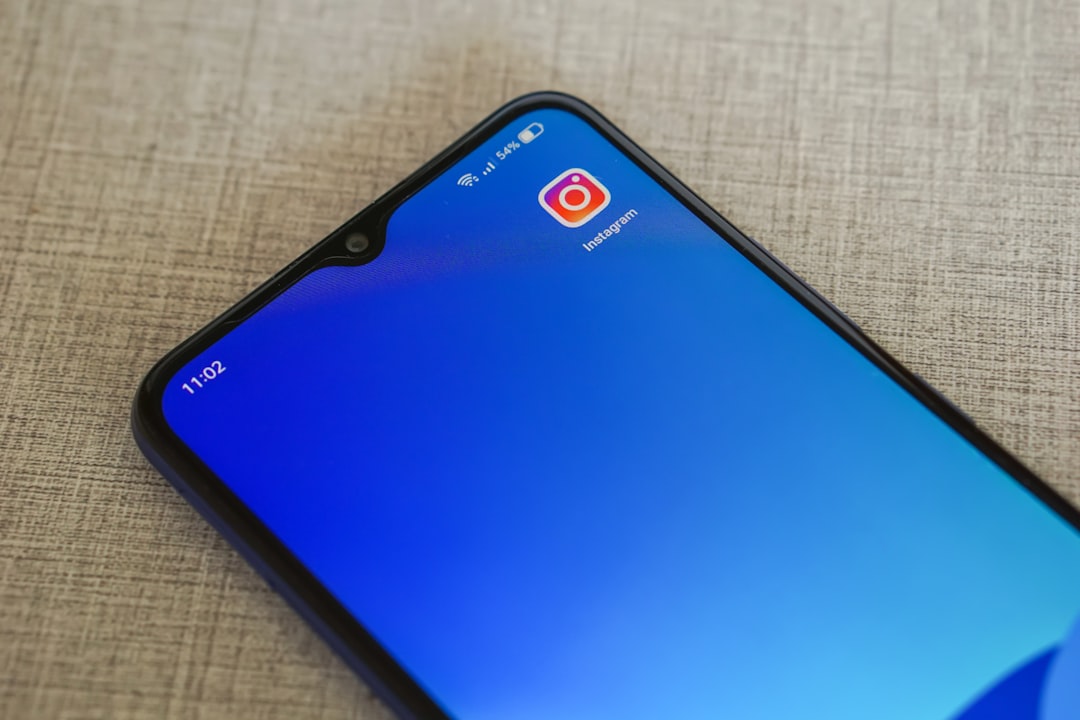
Remember when actors were mysterious figures we only saw on screen or in carefully orchestrated interviews? Those days are long gone. Instagram and TikTok have stripped away the mystique that once made celebrities captivating. A 2023 study by the Digital Wellness Institute revealed that 78% of celebrities post mundane daily activities, from their morning coffee to their grocery runs. This over-exposure has transformed otherworldly stars into ordinary people desperately seeking attention. The magic dies when you realize your favorite actor spends their day posting thirst traps and sponsored content for teeth whitening products.
The Dark Reality Behind Hollywood’s Perfect Facade

The entertainment industry’s underbelly continues to shock us with each passing scandal. From Harvey Weinstein to more recent allegations against prominent figures, the pattern is clear and disturbing. The #MeToo movement revealed that an estimated 94% of women in entertainment have experienced sexual harassment according to USA Today’s 2024 investigation. Mental health issues, substance abuse, and toxic work environments plague the industry at unprecedented rates. When we idolize these individuals, we’re often unknowingly supporting a system built on exploitation and suffering.
Financial Inequality Makes Celebrity Worship Morally Questionable
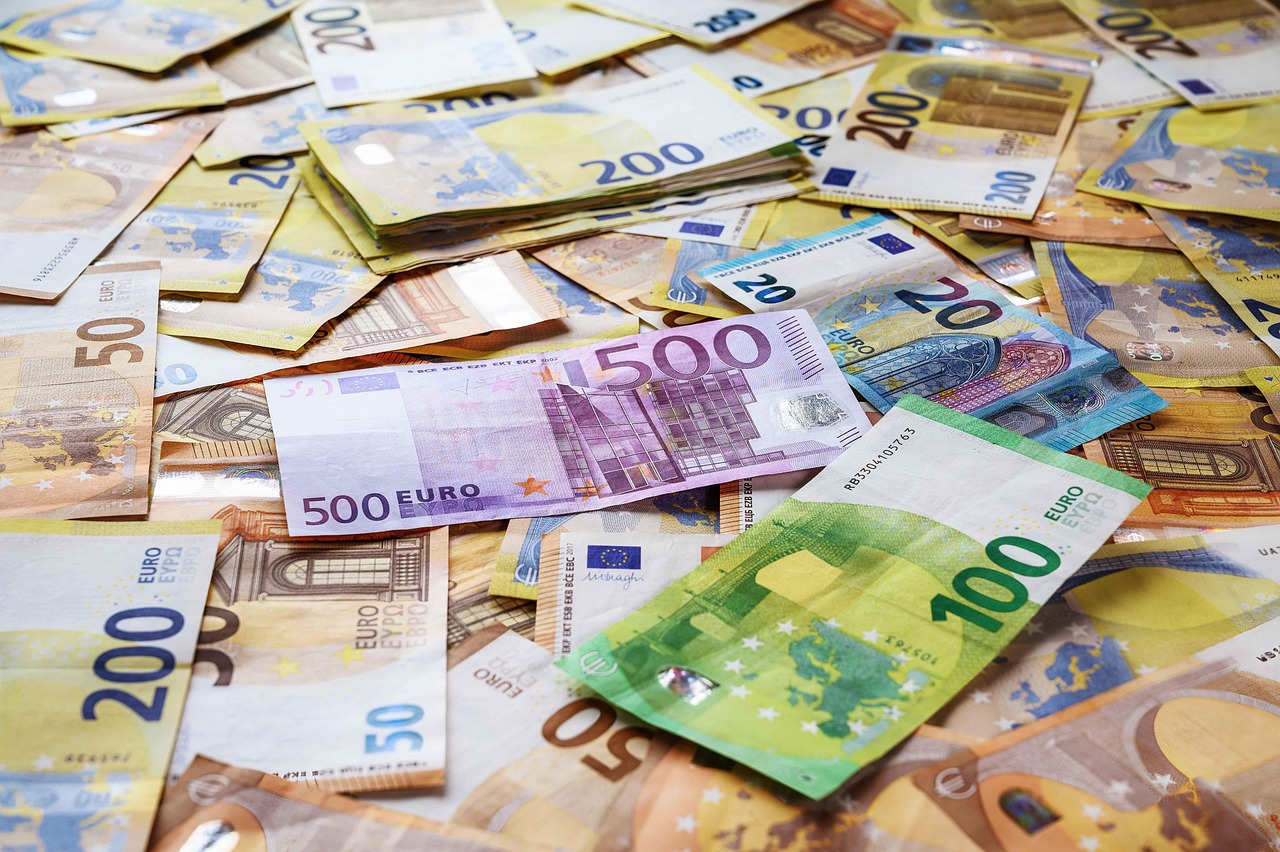
While teachers, nurses, and essential workers struggle to make ends meet, A-list actors command salaries exceeding $20 million per film. Forbes’ 2024 report shows that the top 10 highest-paid actors earned a combined $582 million in a single year. Meanwhile, the median household income in America hovers around $70,000 annually. This grotesque disparity becomes even more problematic when we consider that these astronomical paychecks come from our ticket purchases and streaming subscriptions. We’re literally funding a system that perpetuates extreme wealth inequality while our own communities lack proper funding for education and healthcare.
The Authenticity Crisis: Everything Is Scripted and Calculated

Every tweet, every red carpet appearance, every “candid” moment is carefully orchestrated by teams of publicists and social media managers. A former Hollywood publicist revealed in 2024 that celebrities typically have 5-8 people managing their public image at any given time. Their personalities are brands, their relationships are marketing opportunities, and their “authentic” moments are strategic content decisions. The person you think you admire doesn’t actually exist—it’s a carefully constructed persona designed to maximize profit and influence. This realization fundamentally changes how we should view celebrity culture.
Mental Health Impact on Fans Is Severely Underestimated
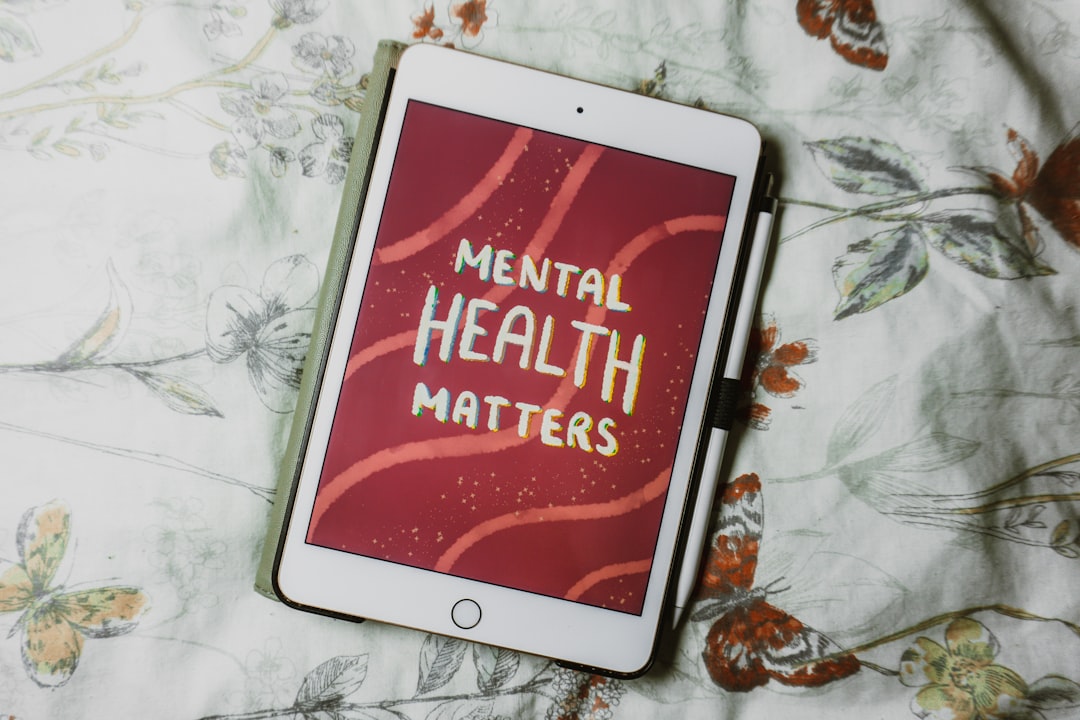
Parasocial relationships with celebrities can seriously damage your mental wellbeing, according to research published in the Journal of Behavioral Health in 2023. Fans who reported high levels of celebrity attachment showed increased rates of anxiety, depression, and body dysmorphia. The study tracked 10,000 participants over two years and found that those who reduced their celebrity consumption showed marked improvements in self-worth and life satisfaction. When we invest emotional energy in one-sided relationships with people who don’t know we exist, we rob ourselves of the capacity for genuine human connections. The opportunity cost of celebrity obsession is real relationships and personal growth.
The Environmental Hypocrisy Is Staggering
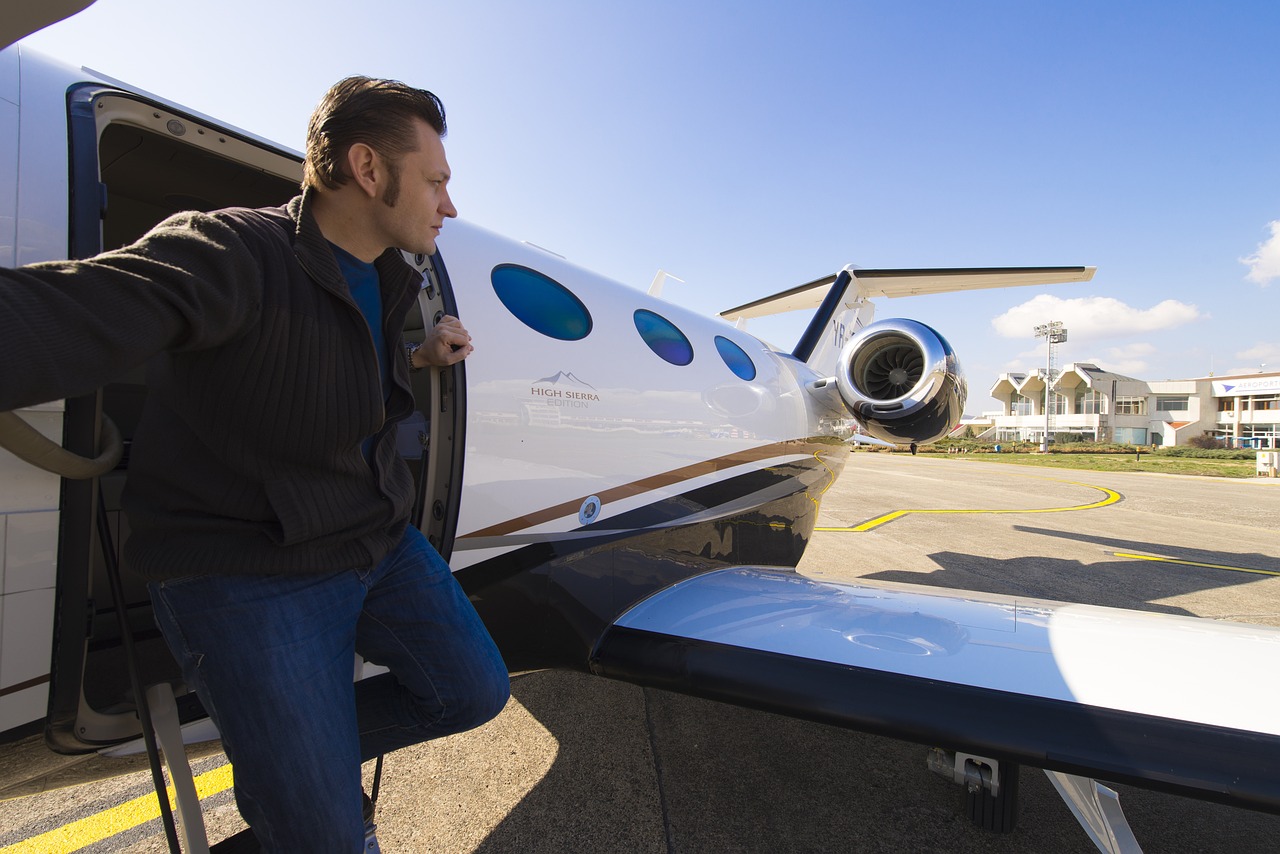
Many celebrities preach about climate change while living the most environmentally destructive lifestyles imaginable. Private jet usage among A-listers increased by 23% in 2024, according to aviation tracking data from FlightAware. Leonardo DiCaprio, despite his environmental activism, has one of the largest carbon footprints in Hollywood due to his frequent private jet travel and massive yacht excursions. Taylor Swift topped the list of celebrity CO2 emissions in 2023, generating over 8,000 times the average person’s annual carbon output. Their hypocrisy undermines legitimate environmental efforts while their fans continue to blindly support and defend these contradictions.
Acting Talent Has Been Replaced by Social Media Followers
Casting decisions increasingly depend on Instagram follower counts rather than actual acting ability. A 2024 industry report from Variety revealed that 67% of major studios now consider social media reach as a primary factor in casting decisions. This has led to a decline in performance quality and the rise of influencer-actors who can’t actually act. The craft of acting—the dedication, training, and artistic integrity—has been replaced by the ability to go viral. When talent becomes secondary to online popularity, we lose the artistry that once made cinema truly special.
The Political Weaponization of Celebrity Influence
Celebrities increasingly use their platforms to push political agendas, often without proper understanding of complex issues. A Reuters analysis from 2024 found that celebrity political endorsements can swing elections by up to 3% in key demographics, despite most celebrities lacking policy expertise. This influence becomes dangerous when actors with no background in economics or foreign policy shape public opinion on critical national issues. The worship of celebrities grants unqualified individuals outsized political power, undermining democratic discourse and informed decision-making. Their opinions carry weight not because of expertise, but because of fame—a fundamentally flawed system.
The Addiction Economy Profits from Your Obsession

Entertainment companies deliberately engineer celebrity content to trigger dopamine responses and create addiction-like behaviors in consumers. Netflix’s algorithm specifically promotes celebrity-focused content because it generates 40% more viewing time than non-celebrity programming, according to their 2024 data leak. Social media platforms boost celebrity posts because they drive engagement and ad revenue. The entire system is designed to keep you hooked, scrolling, and consuming while extracting maximum profit from your attention. Recognizing this manipulation is the first step toward breaking free from the celebrity worship trap.
Real Heroes Deserve Your Attention Instead

While we obsess over actors pretending to be heroes on screen, actual heroes work tirelessly without recognition. Emergency responders, medical researchers, teachers, and social workers contribute infinitely more to society than someone who memorizes lines for a living. Dr. Sarah Chen, who developed breakthrough cancer treatments at Johns Hopkins, earns less in a year than most actors make in a single day. The firefighter who saved three families from a burning building will never trend on Twitter. When we redirect our admiration toward people making real differences, we support a value system based on genuine contribution rather than entertainment value.
The Liberation of Letting Go

Stepping away from celebrity worship isn’t about becoming cynical—it’s about reclaiming your mental energy and authentic values. Studies from the Mindfulness Research Institute show that people who reduced celebrity media consumption by 50% reported significant improvements in life satisfaction within six months. You stop comparing your real life to their highlight reels, you save money previously spent on celebrity-endorsed products, and you develop deeper appreciation for the actual people in your life. The freedom that comes from not caring about celebrity drama, fashion choices, or relationship status is genuinely liberating. Your emotional bandwidth becomes available for relationships and pursuits that actually matter.
Building a Life Worth Living Without Celebrity Distraction
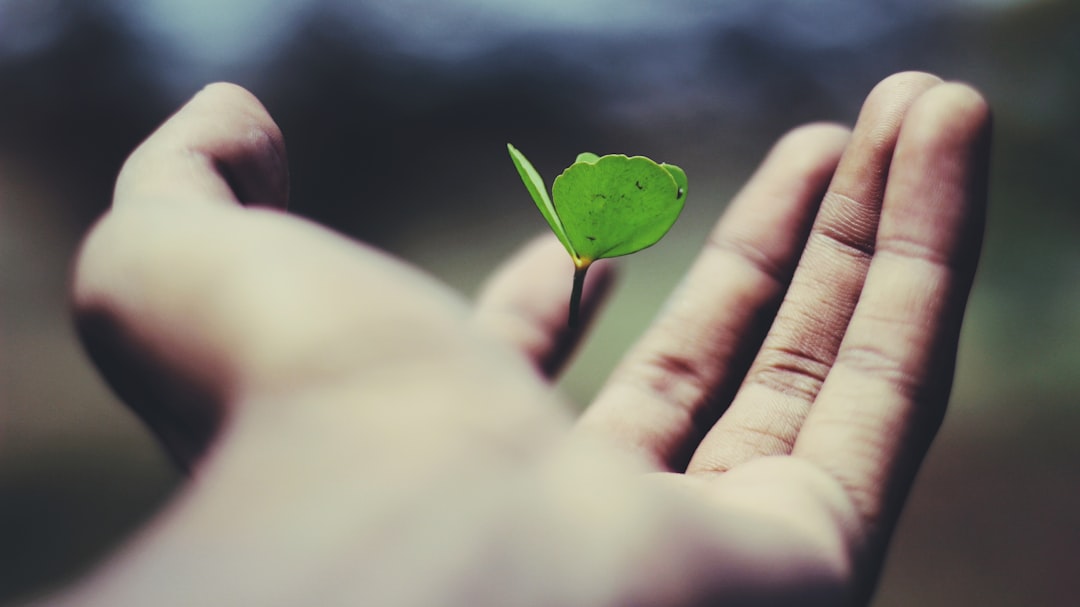
Instead of following someone else’s curated existence, you can focus on creating your own meaningful story. The time previously spent consuming celebrity content can be redirected toward learning new skills, building relationships, or contributing to your community. Research from Stanford’s Behavioral Science Lab found that people who eliminated celebrity media consumption invested an average of 8 additional hours per week in personal development activities. When you stop living vicariously through actors, you start living authentically through yourself. The most fulfilling life isn’t found in the theater or on your phone screen—it’s built through your own choices, relationships, and experiences.
The entertainment industry will survive without your worship, but will you thrive without theirs? The choice to step away from celebrity obsession isn’t just about changing your media habits—it’s about reclaiming your agency and attention for what genuinely matters. What kind of life could you build if you invested that energy in yourself instead?