
Understanding Your Energy Peaks and Valleys
Every person has natural highs and lows in their daily energy. According to research from the National Institutes of Health, most adults experience the highest alertness between 9 a.m. and 11 a.m., with energy dipping after lunch. By simply tracking your own patterns for a week—jotting down when you feel most alert and when you’re sluggish—you can start to plan your toughest tasks during your peak times. This method allows you to use your strongest mental energy on what matters most, rather than wasting it during your low periods. For example, if you’re a morning person, try to schedule meetings or creative work then. If you notice you’re always dragging after lunch, plan easier or routine tasks for that window. Tuning into your own rhythms can increase productivity without requiring longer hours or more effort. It’s not about squeezing more out of every hour, but about matching the right task to the right time.
Embracing the Power of Microbreaks
Many people believe working longer hours means getting more done, but science challenges this. A Stanford University study found productivity drops sharply after 50 hours of work per week. Regular microbreaks—short pauses lasting 1-5 minutes every hour—have been shown to boost concentration and reduce fatigue. You might simply stand up, stretch, or look out a window. These tiny breaks help reset your brain and body, preventing the sluggishness that builds up with nonstop work. Even a quick walk to refill your water can be enough. Over the course of a day, these minutes add up to a big increase in energy and focus. The key is consistency: set a timer if you need a reminder. Microbreaks are a secret weapon for staying efficient without burning out.
Prioritizing Ruthlessly With the 80/20 Rule
Not all tasks are created equal. The Pareto Principle, or 80/20 rule, suggests that 80% of your results come from just 20% of your efforts. Research in workplace efficiency confirms this pattern: focusing on your most important projects or clients often yields the biggest rewards. Start each day by identifying your top two or three priorities—the tasks that, if finished, would make the day a win. Write them down and tackle them first, before emails or meetings distract you. By consistently targeting the “vital few” rather than the “trivial many,” you’ll accomplish more while using less energy overall. This approach reduces decision fatigue, since you’re not constantly weighing dozens of low-impact tasks, and it helps you build momentum for the rest of the day.
Cutting Down on Digital Distractions

With smartphones buzzing and emails pinging, digital distractions are a major drain on energy. According to a 2024 survey by RescueTime, workers lose an average of 2.5 hours daily to interruptions from apps and notifications. Turning off non-essential alerts, using tools like website blockers, or setting “focus hours” can reclaim huge chunks of your time and attention. Consider moving your phone out of arm’s reach while working or scheduling email checks at set intervals instead of responding instantly. The less you switch contexts, the less mental energy you waste. Over days and weeks, these small changes can help you finish work faster and with fewer mistakes, freeing up energy for other parts of your life.
Streamlining With Checklists and Templates
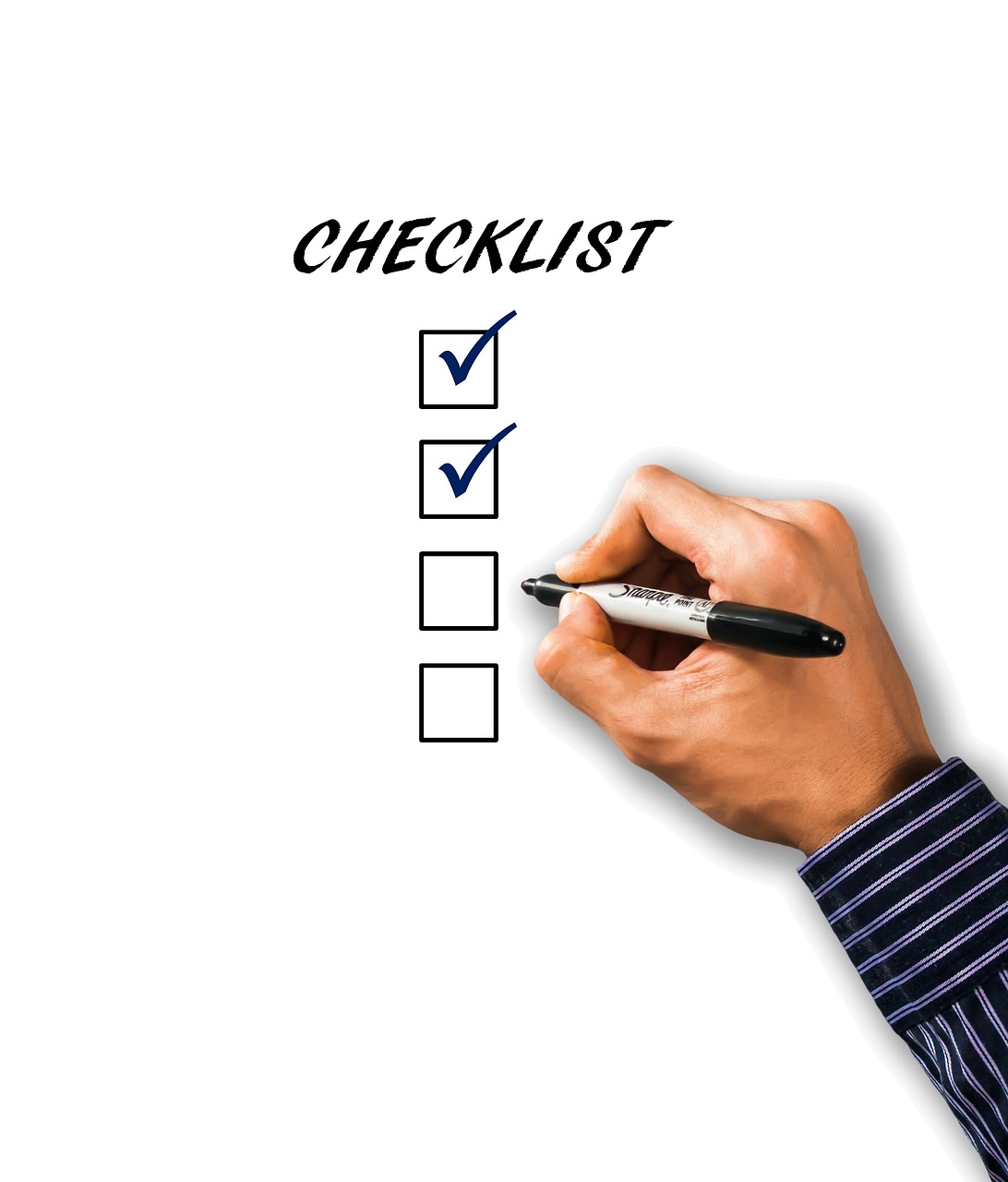
Checklists and templates aren’t just for pilots or surgeons—they can boost efficiency for everyone. Research published in the Harvard Business Review found using checklists reduces errors and speeds up routines by up to 30%. For repetitive tasks, create a step-by-step list or a template document so you don’t have to reinvent the wheel each time. For example, if you send similar emails often, save a draft template to personalize as needed. The more you automate the routine, the more energy you conserve for creative or strategic work. Over time, these tools also reduce stress since you’re less likely to forget key steps and you don’t waste mental bandwidth on small decisions.
Mastering the Art of Single-Tasking
Multitasking sounds efficient, but studies from the American Psychological Association show it can decrease productivity by up to 40%. Every time you switch between tasks, your brain uses extra energy to “reset”—a phenomenon called attention residue. Instead, practice single-tasking: focus on one thing at a time, and don’t move on until it’s done or until a set period has passed. You’ll find you finish projects faster and with fewer mistakes. Try using a timer—work on one task for 25 minutes, then break for 5 minutes. This technique, called the Pomodoro Method, is proven to keep your mind fresh and focused. Single-tasking might feel slow at first, but it delivers better results with less effort in the long run.
Optimizing Your Workspace for Comfort
An uncomfortable workspace can sap energy without you even realizing it. Poor lighting, bad posture, and clutter are common culprits. The Occupational Safety and Health Administration (OSHA) recommends arranging your chair, keyboard, and monitor so you’re not straining your neck or wrists. Adding plants or artwork can lift your mood and even boost creativity, according to a 2023 University of Exeter study. Clean your desk at the end of each day to reduce visual distractions. Even small tweaks—like using a standing desk part-time or adjusting the temperature—can make a big difference in how energized you feel. When your body is comfortable, your brain works better, and you can get more done with less fatigue.
Fueling Your Body and Brain Wisely

What you eat and drink has a direct impact on your energy and efficiency. Skipping meals or relying on sugar and caffeine can cause spikes and crashes, making it harder to focus. The CDC recommends eating balanced meals with protein, whole grains, fruits, and vegetables to maintain steady energy. Staying hydrated is crucial, too: even mild dehydration can reduce concentration by up to 25%, according to recent research from the Mayo Clinic. Keep a water bottle handy, and snack on nuts or fruit instead of chips or candy. Smart nutrition doesn’t just keep you healthy—it helps your mind stay sharp and productive all day long.
Learning to Say No
One of the most powerful tools for efficiency is simply declining requests that don’t align with your priorities. A 2024 Gallup poll found that people who regularly say no to unnecessary meetings or obligations report 20% higher job satisfaction and less burnout. It’s not selfish—it’s necessary for protecting your time and energy. If you’re asked to take on something extra, pause to consider whether it fits your goals. Practice polite but firm ways to decline, such as, “I appreciate the offer, but I have to focus on my current projects.” By guarding your schedule, you create more space for what really matters, and you avoid the stress of overcommitment.
Harnessing Technology to Automate the Mundane
Smart use of technology can eliminate repetitive, low-value work. In 2025, tools like AI-powered scheduling assistants, automatic bill pay, and workflow automation apps are more accessible than ever. According to a recent McKinsey report, automation can save the average worker up to 12 hours per week on routine tasks. Start by identifying chores or tasks you do over and over—like data entry, appointment booking, or even grocery shopping—and explore apps or devices that can handle these for you. Over time, the saved hours add up, and you can redirect your energy toward creative or high-impact work. Let technology take care of the boring stuff so you don’t have to.
Building Consistent Sleep Habits

Sleep is the foundation of all energy management. The Sleep Foundation finds that adults who get 7-9 hours of restful sleep perform better on cognitive tests and report higher productivity. Irregular sleep schedules, late-night screens, or caffeine too close to bedtime can disrupt your rest and leave you dragging the next day. Simple changes—like going to bed at the same time each night, dimming lights in the evening, and keeping your bedroom cool—can improve sleep quality. Many successful people, from athletes to CEOs, swear by their sleep routines as the secret to sustained efficiency. Protecting your sleep is one of the smartest ways to boost your daily energy without doing anything extra.