

Reframe Your Mindset: Focus on High-Impact Tasks

Most people believe that working harder always leads to better results, but the truth is surprisingly different. According to the Pareto Principle, or the 80/20 rule, around 80% of outcomes come from just 20% of efforts. This means that if you focus your energy on the most important tasks, you can often accomplish much more in less time. For example, in a recent 2024 productivity study, researchers found that employees who identified and prioritized their highest-value activities were 60% more efficient. Instead of trying to do everything, ask yourself: What task will make the biggest difference today? By regularly reviewing and reorganizing your to-do list, you can let go of busywork and concentrate on what truly matters. This not only saves energy but also boosts your overall results.
Embrace Smart Automation Tools
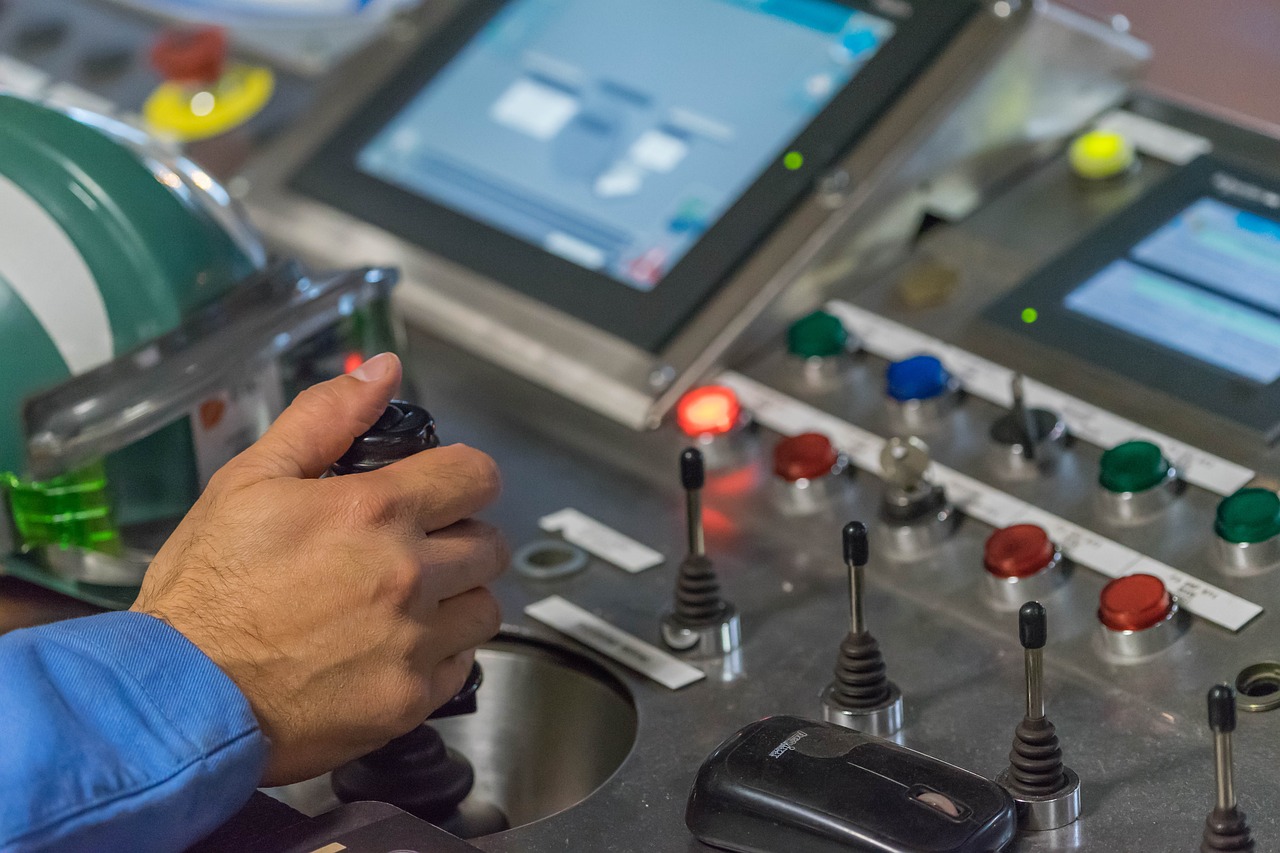
Automation is no longer just for tech experts. In 2025, more than 65% of small businesses are using automation tools to simplify repetitive tasks, according to new business technology reports. Tools like calendar scheduling apps, automatic email responders, and workflow managers can take care of routine work, freeing you up for creative or strategic projects. Even simple actions, like setting up automatic bill payments or using task management software, can save you hours each week. The key is to notice which tasks you repeat often and search for an app or tool that can handle them. As the saying goes, “Let the robots do the boring stuff.”
Master the Art of Saying No

It’s tempting to say yes to every opportunity, but this often leads to burnout and mediocre results. A 2023 Harvard Business Review survey revealed that professionals who set clear boundaries and declined low-value tasks were 47% more productive than those who didn’t. Saying no isn’t about being rude; it’s about protecting your energy for the tasks that matter most. If you struggle with this, practice polite phrases like, “I’d love to help, but I need to focus on my priorities right now.” Learning to say no allows you to invest your limited time in projects that have the greatest payoff.
Leverage the Power of Deep Work

Distractions are everywhere, but research from Stanford University shows that multitasking can reduce productivity by up to 40%. Deep work—uninterrupted focus on a single task—has been proven to yield higher quality results in less time. To get started, set aside blocks of time where you silence notifications, turn off your phone, and commit to one important task. Even 90 minutes of deep work can rival a whole day of scattered effort. This mental discipline not only gets things done faster but also improves your skills over time.
Harness the Science of Small Breaks

Working non-stop can actually slow you down. A 2024 study published in the Journal of Occupational Health Psychology found that people who took short breaks every hour were 34% more productive and experienced fewer mistakes. Breaks help your mind reset, reduce fatigue, and increase creativity. Try the Pomodoro Technique: work for 25 minutes, then take a 5-minute break. After four cycles, enjoy a longer rest. This rhythm keeps your energy levels high and helps you return to your tasks with renewed focus.
Declutter Your Physical and Digital Spaces

Clutter isn’t just messy—it can drain your mental energy, too. According to a 2023 UCLA study, a messy workspace increases stress levels and reduces efficiency. Clearing your desk, organizing your files, and keeping your digital desktop tidy can have a surprising impact on your ability to think clearly and work quickly. Set aside 15 minutes each week to declutter both your workspace and your computer. Simple habits like naming files clearly and using folders help you avoid wasted time searching for documents.
Adopt “Good Enough” Instead of Perfection

Perfectionism can be a hidden enemy of productivity. Research from the University of Bath in 2024 showed that people who aimed for “good enough” rather than perfect results completed projects 55% faster and reported lower stress. Not every task requires your absolute best effort; sometimes, aiming for completion rather than perfection is the smartest way to achieve more. Ask yourself, “Will this extra hour really make a difference?” Often, it’s better to move on once a task meets basic standards and invest your energy elsewhere.
Practice Effective Delegation

Trying to do everything yourself is a recipe for exhaustion. In a 2024 study of top-performing teams, those who delegated tasks effectively finished projects 33% ahead of schedule. Delegation means trusting others to handle tasks that match their strengths, freeing you up for higher-level work. Start by identifying what only you can do, and what others can handle. Communicate clearly, set expectations, and check in periodically. Delegating is not about losing control—it’s about multiplying your impact.
Set Clear, Achievable Goals

Vague goals lead to scattered effort. According to a 2025 report by the American Psychological Association, people who write down specific, measurable goals are 42% more likely to achieve them. Break big projects into smaller milestones, and celebrate progress along the way. For example, instead of saying, “I want to get fit,” set a goal like, “I’ll walk 30 minutes every day for a month.” Clear targets give you direction and motivation, making it easier to use your energy effectively.
Use the Two-Minute Rule

The Two-Minute Rule, popularized by productivity expert David Allen, is simple: if a task takes less than two minutes, do it immediately. This prevents small jobs from piling up and becoming overwhelming. A 2023 study on workflow efficiency found that using this rule reduced task backlogs by 28%. Examples include replying to a quick email, filing a document, or making a short phone call. By handling minor tasks on the spot, you keep your to-do list lean and your mind clear for bigger challenges.
Invest in Restful Sleep

Sleep is the ultimate productivity booster. The CDC reported in 2024 that adults who regularly get 7-8 hours of sleep are 30% more productive and less likely to make mistakes at work. Lack of sleep slows reaction times, clouds judgment, and drains your motivation. Simple habits like keeping a consistent bedtime, avoiding screens before bed, and creating a calm sleep environment can make a huge difference. Prioritizing sleep isn’t a luxury—it’s the foundation for achieving more with less effort.
Tap Into the Power of Positive Routines

Routines might sound boring, but they’re a secret weapon for saving effort. According to recent behavioral research, when you turn important tasks into habits, you use less mental energy deciding what to do next. For instance, a morning routine that includes planning your day and a short exercise session can boost focus and mood. Over time, these automatic behaviors remove daily friction and help you maintain momentum, even when motivation dips.
Stay Inspired by Tracking Progress
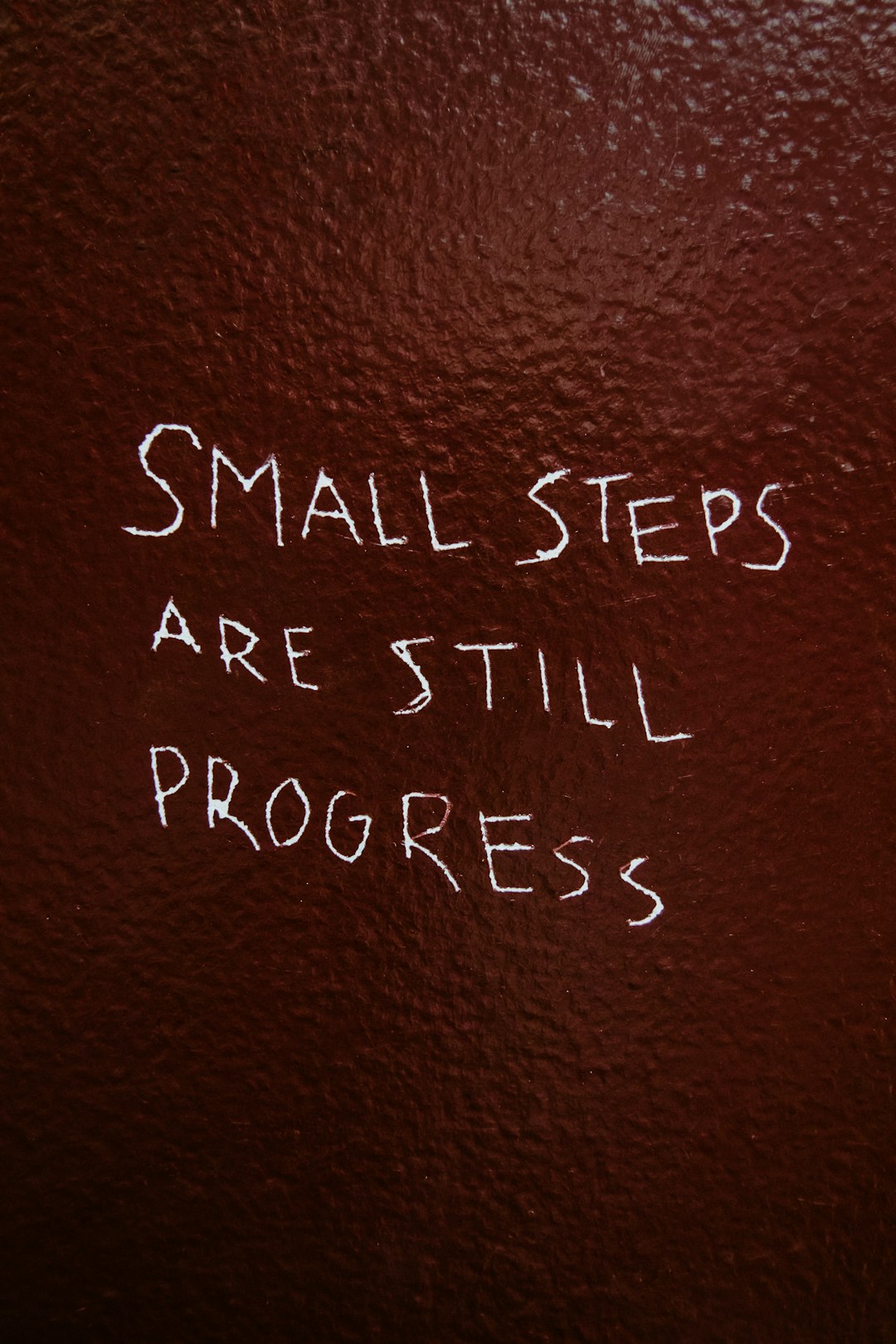
Seeing real progress keeps motivation high, even during tough projects. Data from a 2025 Gallup poll shows that workers who track their achievements are 48% more likely to meet their goals. Use a simple journal or an app to note finished tasks, milestones, or anything you’re proud of. Looking back at how far you’ve come can be a powerful push to keep going. This sense of accomplishment helps you use your energy wisely and avoid getting stuck.
Surround Yourself with Supportive People

The people around you can have a huge effect on your productivity. According to a 2024 MIT study, individuals with positive, encouraging colleagues or friends are 39% more likely to achieve their goals with less effort. Supportive people offer advice, motivation, and sometimes a well-timed push when you’re struggling. Choose to spend time with those who inspire you, share your values, and challenge you to do better. This social boost can make even the hardest goals feel easier and more rewarding.