

The Bermuda Triangle: Vanishing Without a Trace
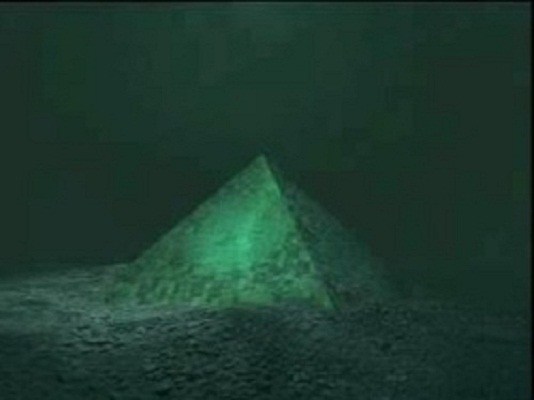
The Bermuda Triangle, a mysterious patch of the Atlantic, has been the scene of countless disappearances. From the infamous Flight 19, which vanished in 1945, to entire ships lost with all hands, the pattern is deeply unsettling. Scientists have speculated about everything from rogue waves to magnetic anomalies that might scramble navigation systems. Some studies suggest that sudden methane gas eruptions from the ocean floor could sink ships rapidly, but no single theory explains every incident. The US Coast Guard reports that the region doesn’t have more disappearances than other heavily traveled parts of the world, yet the sheer volume of oddities here keeps experts guessing. Even with modern technology like GPS and radar, ships and planes continue to encounter unexplained mishaps in this area. The lack of physical evidence—wreckage is rarely found—leaves the Bermuda Triangle as one of the world’s most baffling natural mysteries.
The Taos Hum: An Audible Mystery

In the small town of Taos, New Mexico, a strange low-frequency hum has driven some residents to distraction. Described as a persistent droning noise, the hum is only heard by a small fraction of the population—estimates suggest less than 2%. Scientists from Los Alamos National Laboratory and other institutions have investigated, using sensitive microphones and vibration sensors to hunt for a source. Industrial equipment, high-voltage power lines, and even secret government projects have all been floated as possible explanations. Yet, after decades of study, no physical origin has been discovered. Some experts suspect the phenomenon may be a form of “otoacoustic emission,” where the brain creates a sound with no external source. Still, the Taos Hum remains an enigma, with sufferers reporting headaches, insomnia, and even anxiety as a result of the relentless sound.
The 2004 Indian Ocean Tsunami: Catastrophe Beyond Comprehension
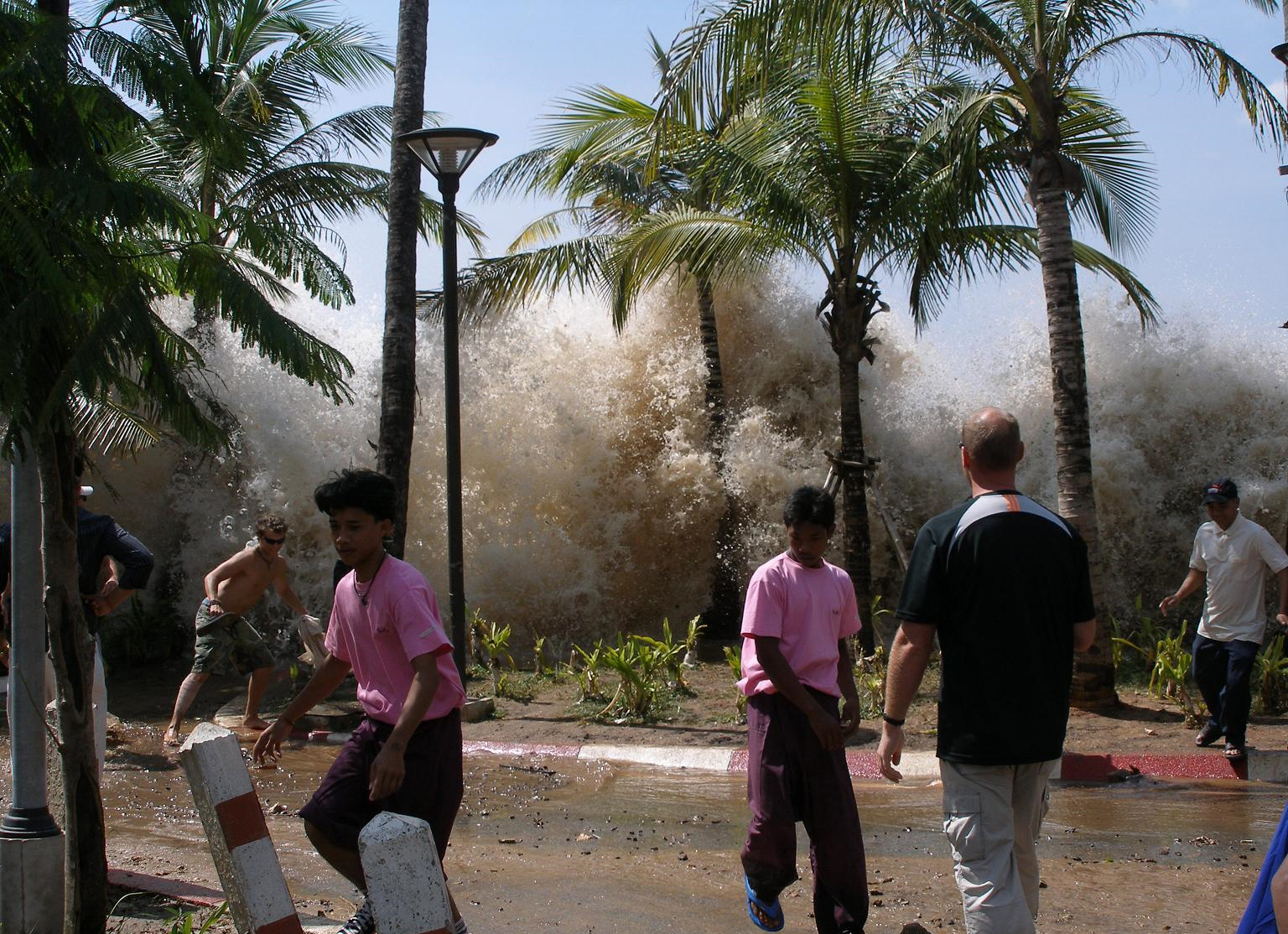
On December 26, 2004, a colossal undersea earthquake measuring 9.1 to 9.3 on the Richter scale ripped through the Indian Ocean. The resulting tsunami swept across 14 countries and claimed the lives of over 230,000 people. What baffles scientists is not just the scale of destruction, but the inexplicable speed and force with which the waves traveled. Waves moved as fast as 500 miles per hour, leaving almost no time for warnings. In the years since, researchers have combed through seismic data and post-disaster satellite images to try to understand the exact mechanics. Some findings suggest that the unique shape of the ocean floor amplified the waves, but models still struggle to replicate the full ferocity of the event. Despite advances in tsunami detection, the Indian Ocean disaster stands as a grim reminder of nature’s unpredictable power.
The Great Migration of Monarch Butterflies: Navigating the Impossible

Every autumn, millions of monarch butterflies embark on a staggering journey from Canada and the northern United States to central Mexico, traveling up to 3,000 miles. Scientists have tagged and tracked these delicate insects, yet the secret to their precise navigation remains unsolved. Monarchs that begin the migration are not the same individuals that complete it—each leg of the journey is carried out by successive generations. Unlike birds, monarchs cannot learn the route from their parents. Researchers have proposed that the butterflies use a combination of the sun’s position, Earth’s magnetic field, and even scent cues to find their way. Genetic studies have uncovered some clues, but the full mechanism is still unknown. Every year, these tiny creatures accomplish a feat that seems beyond reason, defying the odds and leaving scientists awestruck.
The “Zombie” Fungus: Mind Control in the Wild

The world of insects hides a horror story straight from science fiction: the Ophiocordyceps fungus, which infects ants and turns them into unwitting zombies. Once infected, the ant is compelled to climb to a high point, clamp down, and die—allowing the fungus to sprout from its head and release spores. Scientists have mapped the fungus’s genome and observed it in action, but the precise chemicals and neural pathways used to hijack the ant’s body are still a mystery. Even more puzzling, the fungus seems specialized to only infect certain ant species, suggesting a long evolutionary arms race. Researchers have found evidence that infected ants display altered gene expression and neurotransmitter activity, but how the fungus times the ant’s death with such accuracy is unknown. The sheer complexity of this parasitic relationship continues to inspire both fear and fascination.
Bioluminescence in the Deep Ocean: The Glow That Defies Darkness
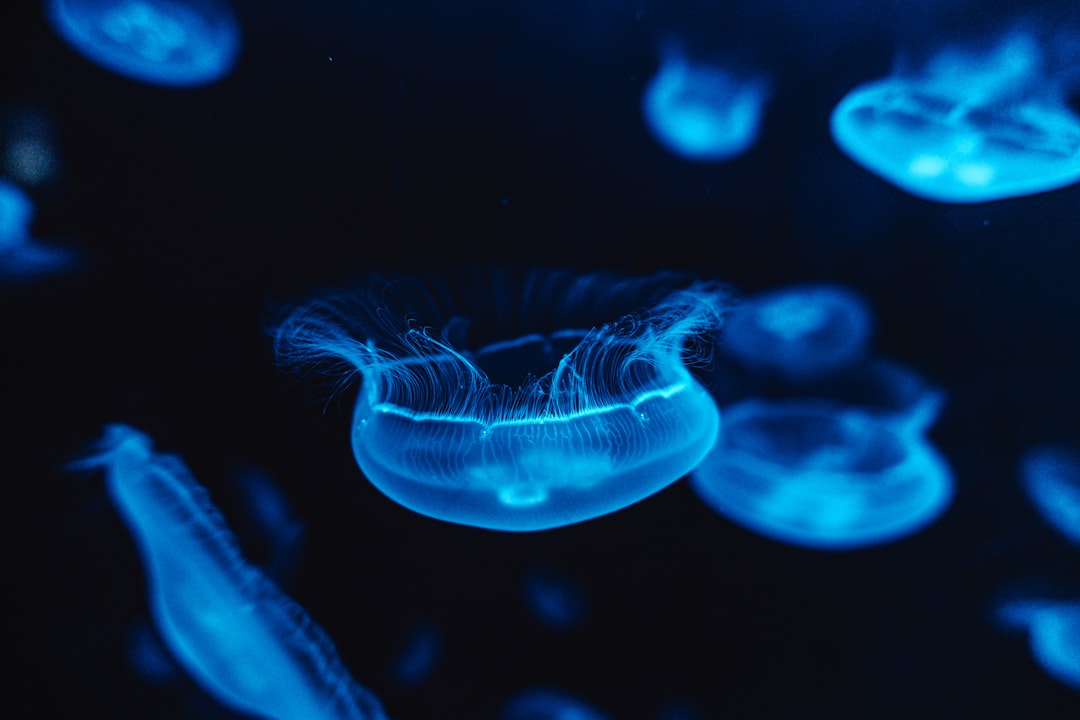
Descend into the ocean’s depths, and you’ll find a world ablaze with ghostly lights—creatures like the anglerfish, vampire squid, and countless jellyfish flash and glow in total darkness. This bioluminescence is created through chemical reactions, often involving the enzyme luciferase and the molecule luciferin. Yet, the full picture of how and why these lights evolved is still incomplete. Some species use their glow to lure prey, others to escape predators, and some for communication. Scientists have catalogued hundreds of different bioluminescent mechanisms, but deep-sea exploration is still in its infancy; new glowing creatures are discovered every year. The variety and complexity of these lights suggest evolutionary strategies we haven’t even imagined. With 80% of the ocean still unexplored, bioluminescence remains one of nature’s brightest unsolved puzzles.
The Voynich Manuscript: The Book That No One Can Read

Housed at Yale University’s Beinecke Rare Book & Manuscript Library, the Voynich Manuscript has confounded scholars for over a century. Its pages are filled with bizarre drawings—unrecognizable plants, naked women bathing in green pools, and astrological diagrams—accompanied by a script that matches no known language. Linguists and cryptographers, including some from the NSA and British intelligence, have tried to crack the code using artificial intelligence and frequency analysis. In 2024, a team from the University of Alberta reported that some patterns resembled rare medieval codes, but no one has produced a coherent translation. Some suggest the book is a hoax, while others argue it’s a lost language or an ancient pharmacopoeia. The manuscript’s carbon-dated vellum puts its creation around the early 15th century, but its true origin and purpose remain a tantalizing mystery.
The “Sailing Stones” of Death Valley: Rocks on the Move
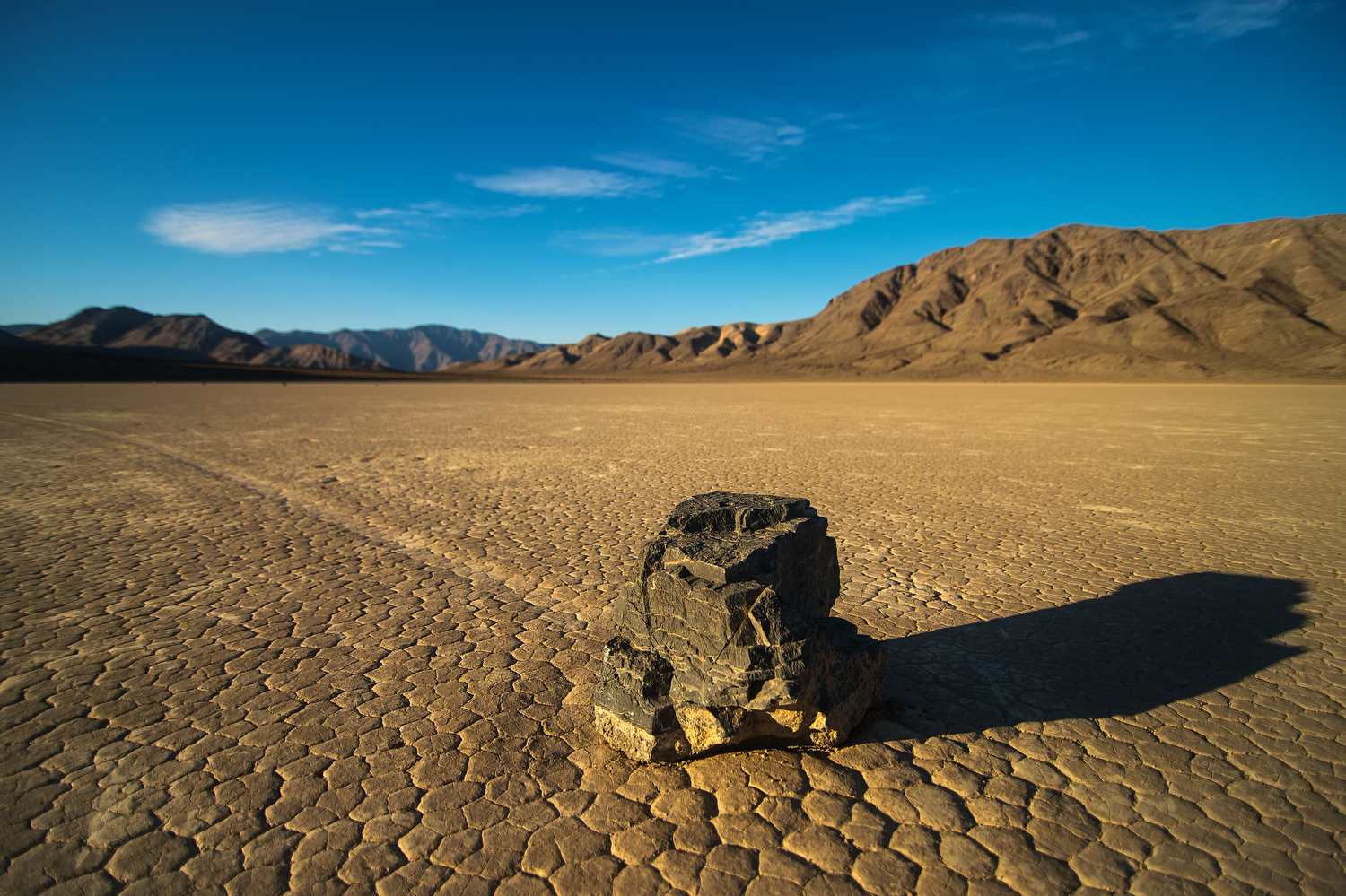
In California’s Racetrack Playa, massive rocks weighing up to 700 pounds have been found with long trails behind them, as if they somehow slid across the desert floor. For decades, visitors and scientists alike were stumped—there were no visible forces or signs of human interference. In 2014, researchers finally caught the stones in action using time-lapse cameras and GPS trackers. They discovered that during rare winter nights, thin sheets of ice form underneath the rocks. When the morning sun melts the ice, even a light breeze can gently push the stones, leaving tracks in the soft mud. However, not every instance fits this explanation, and scientists still debate how such large rocks move in conditions with no ice. The phenomenon remains a stunning example of how simple processes can create seemingly impossible outcomes.
The Tunguska Event: Earth’s Biggest Unsolved Blast

On June 30, 1908, a colossal explosion rocked the remote forests of Siberia, flattening an area larger than the city of London. Eyewitnesses saw a fireball streak across the sky, followed by a shockwave that knocked people off their feet hundreds of miles away. Modern calculations estimate the blast at 10–15 megatons—about 1,000 times more powerful than the Hiroshima bomb. Most scientists agree that a comet or meteor exploded in the atmosphere, vaporizing before it hit the ground. However, no impact crater or definitive fragments have ever been found. Some researchers suggest the object was made of ice, which would have disintegrated without a trace, but others argue there are still unexplained anomalies in the soil and trees. Over a century later, the Tunguska event remains one of the greatest scientific mysteries on the planet.
Ball Lightning: The Phantom Fireballs
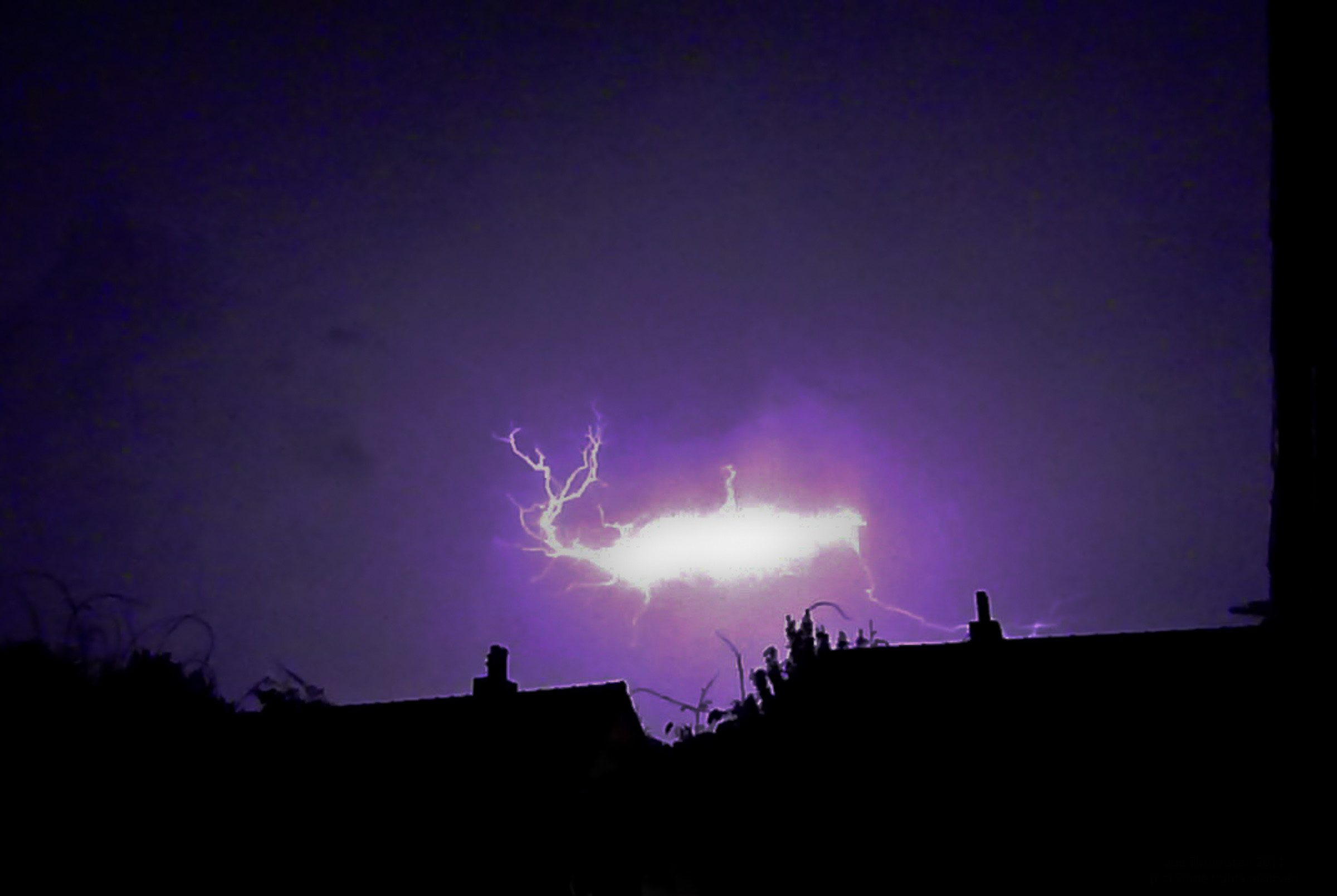
For centuries, people around the world have reported seeing glowing orbs of lightning—sometimes floating through windows or hovering above the ground during thunderstorms. Known as ball lightning, these fireballs can last for several seconds, move erratically, and even explode with a bang. Despite thousands of eyewitness accounts, including those from respected scientists and pilots, ball lightning’s existence was long dismissed as folklore. In recent years, researchers have managed to photograph and even recreate ball lightning under laboratory conditions, but the process is not well understood. Some studies suggest the phenomenon is caused by microwave radiation, while others point to vaporized silicon. The unpredictable nature and fleeting lifespan of ball lightning make it extremely difficult to study. To this day, the true nature of ball lightning continues to elude scientific explanation.
The Immortal Jellyfish: Nature’s Fountain of Youth

The tiny Turritopsis dohrnii jellyfish, found in oceans worldwide, has a life cycle that seems to defy the natural order. When injured or threatened, this jellyfish can revert its cells back to a juvenile state and start its life over—essentially becoming biologically immortal. Scientists have studied its genetics and cellular processes in detail, discovering a unique ability to transdifferentiate, or convert, specialized cells into other types. However, the exact triggers and pathways that allow this transformation remain poorly understood. Some researchers hope unlocking this secret could provide clues to human aging and regeneration. Despite years of research, the immortal jellyfish’s powers remain one of nature’s most intriguing unsolved tricks.
The Blood Falls of Antarctica: The River That Bleeds Red
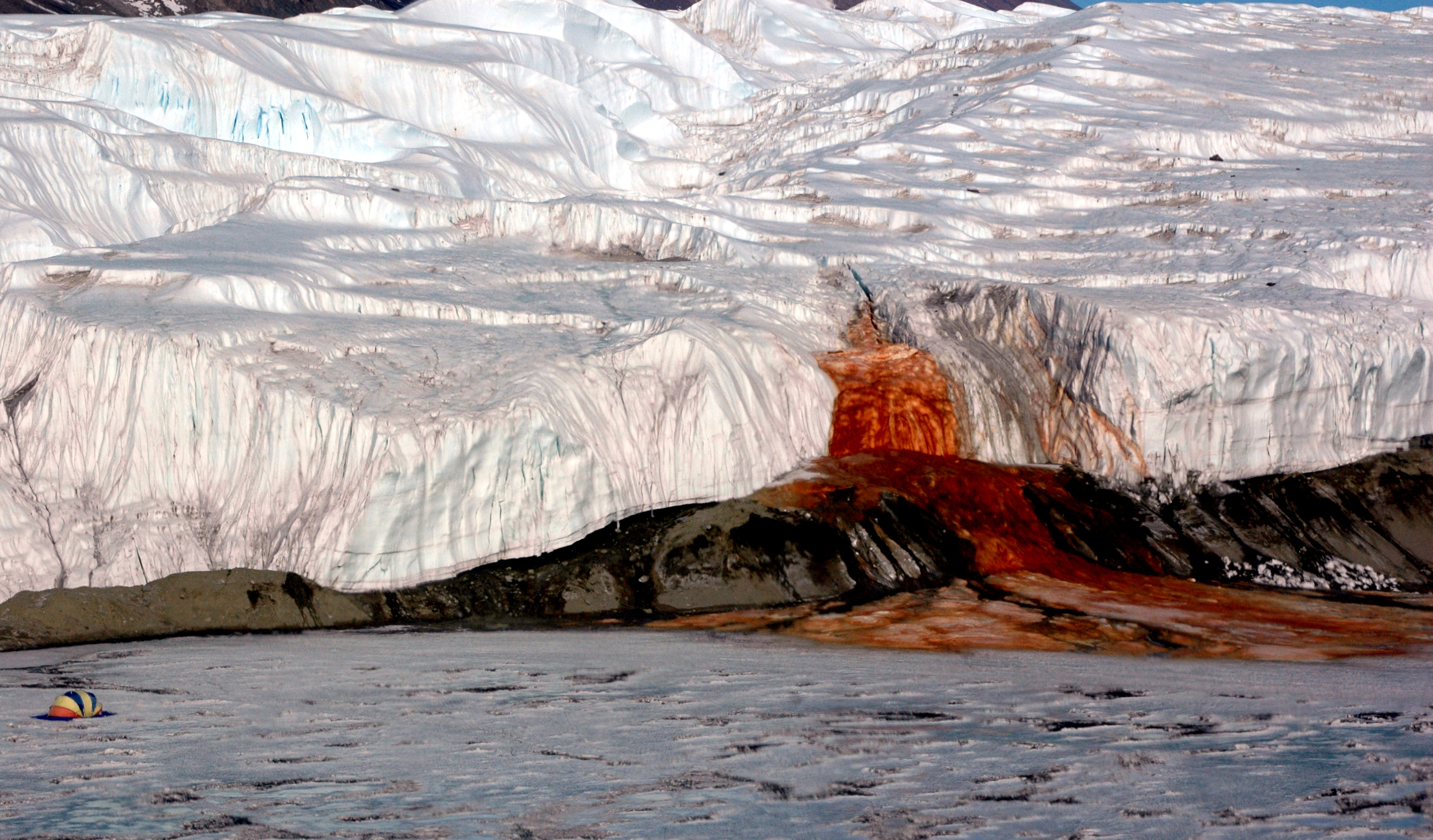
Deep in Antarctica’s McMurdo Dry Valleys, a five-story waterfall pours a vivid red stream onto the ice. Called Blood Falls, the phenomenon is caused by water rich in iron oxides, released from a subglacial lake isolated for millions of years. While the chemical reaction that creates the red color is understood, the survival of microbes in the oxygen-free, salty brine beneath the glacier is still a mystery. Scientists drilling into the ice have found entire ecosystems thriving without sunlight or oxygen, raising questions about life’s resilience. The exact origin and evolution of these microbes are unclear, and some researchers believe they could offer clues about life on other planets. Blood Falls stands as a vivid reminder of how much remains hidden beneath Earth’s surface.