

Julius Caesar: 23 Wounds but Only One That Mattered
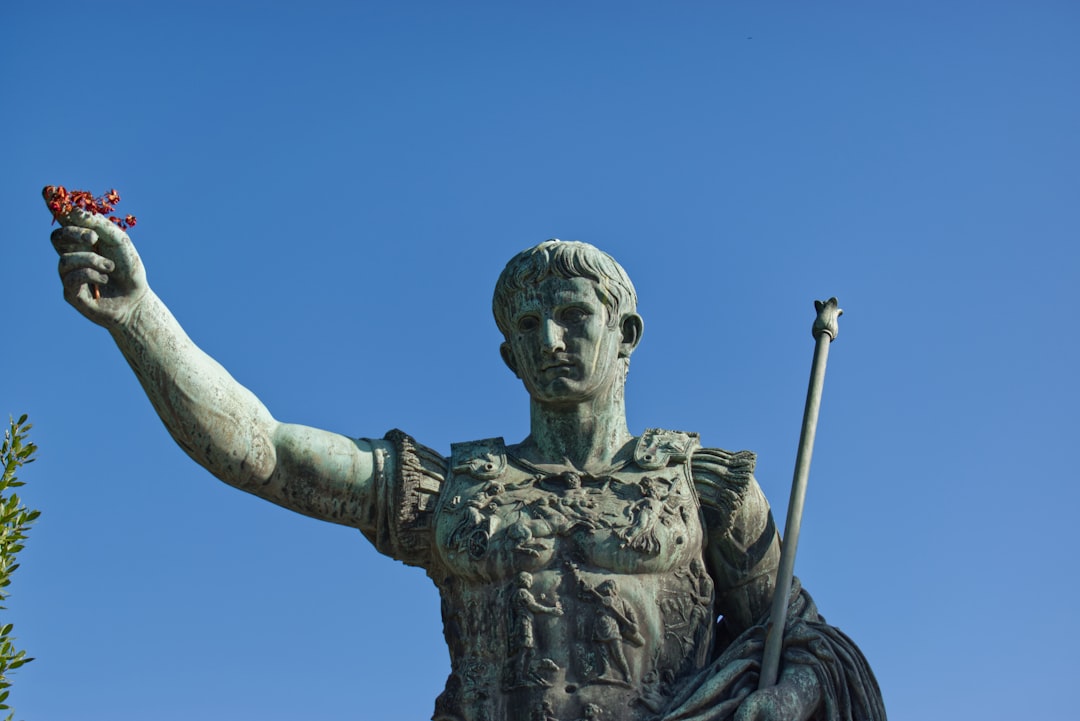
The conspiracy against Rome’s most powerful leader involved between 60 and 70 senators who stabbed Caesar approximately 23 times on the Ides of March, 44 BCE. According to Suetonius, a physician who performed the autopsy established that only one wound (the second one to his ribs) had been fatal. Think about that for a moment – despite being attacked by dozens of conspirators with daggers, Caesar’s death was mostly attributable to blood loss from his stab wounds. A wax statue of Caesar was erected at the Forum displaying the 23 stab wounds. The assassination that was meant to save the Roman Republic actually triggered its downfall, proving that sometimes the cure becomes deadlier than the disease.
Cleopatra VII: The Asp That Probably Never Existed
According to the most widely repeated theory of Cleopatra’s death, she died from a venomous snake bite, inflicted either by an asp (a small viper) or an Egyptian cobra. But here’s the shocking reality: Cobras were typically at least five feet long, and could grow up to eight feet; much too large to smuggle into Cleopatra’s mausoleum in a basket of figs, as the story goes. In addition, not all snake bites are deadly, and those that are kill their victims slowly and painfully, making it hard to believe a snake was able to kill Cleopatra and her two maids in the short time it took for Octavian to receive her note and send his guards. German toxicologist Dietrich Mebs worked with historian Christoph Schaefer to determine which poisons Cleopatra might have used. They decided it was hemlock, mixed with wolfsbane and opium. The snake story? Pure Hollywood drama.
Napoleon Bonaparte: Arsenic Red Herring in Saint Helena
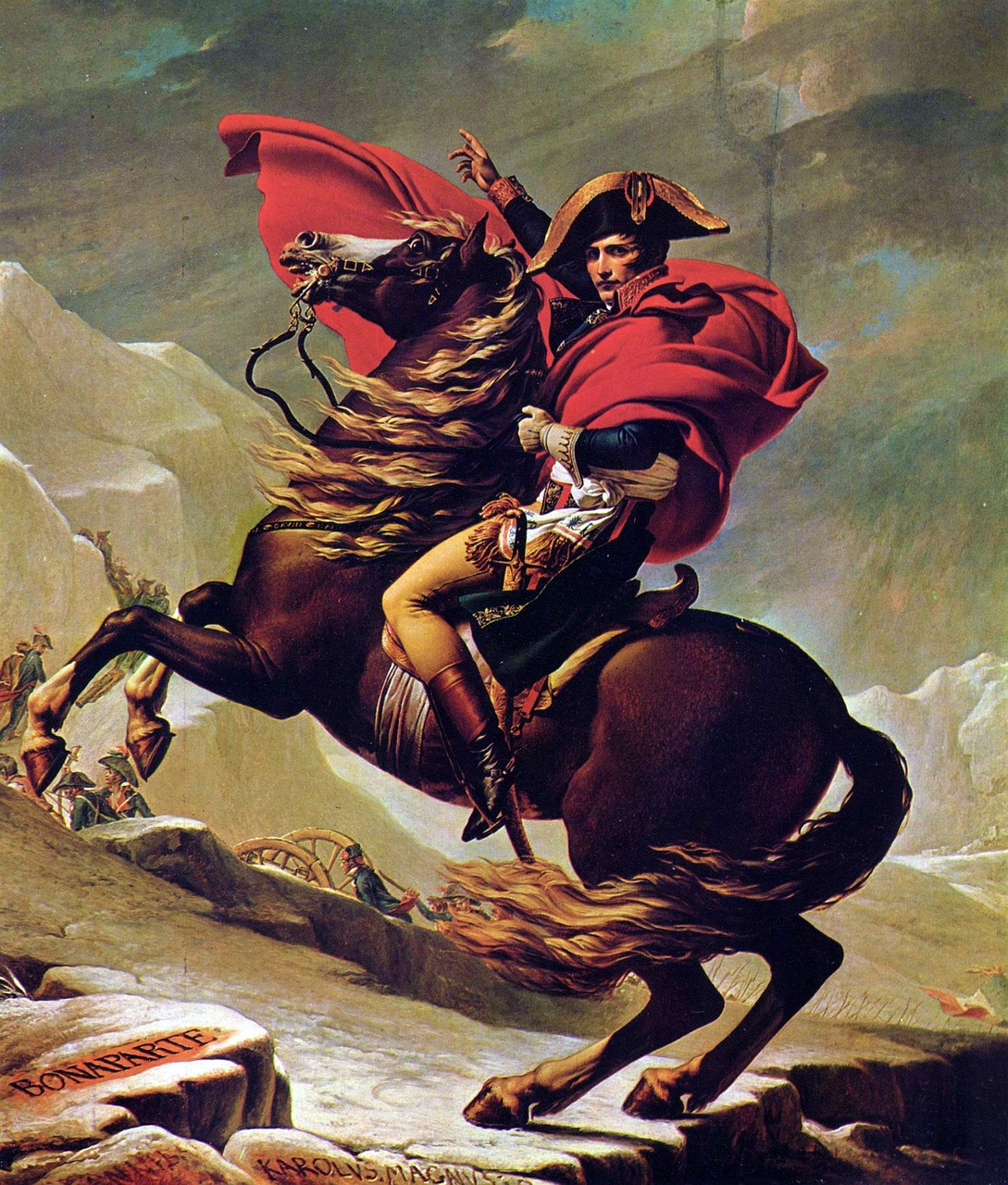
While arsenic poisoning might make for a more compelling tale and be useful for propaganda, all evidence, both historical and archeological, suggests that Napoleon Bonaparte died of stomach cancer. The results of the study show high levels of arsenic in Napoleon Bonaparte’s hair throughout his life, suggesting he was not poisoned at the end of his life while in exile on the island of Saint Helena. Rather he probably absorbed arsenic constantly throughout his life, the researchers say. The level of arsenic in the hair samples from 200 years ago was found to be 100 times greater than the average level detected in samples from persons living today. In fact, the Emperor’s hair had an average arsenic level of around ten parts per one million, whereas the arsenic level in the hair samples from currently living persons was around one-tenth of a part per one million. So much for the dramatic poisoning theory – Napoleon was just living in a more toxic world than we do today.
Abraham Lincoln: A Single Fatal Shot from Behind
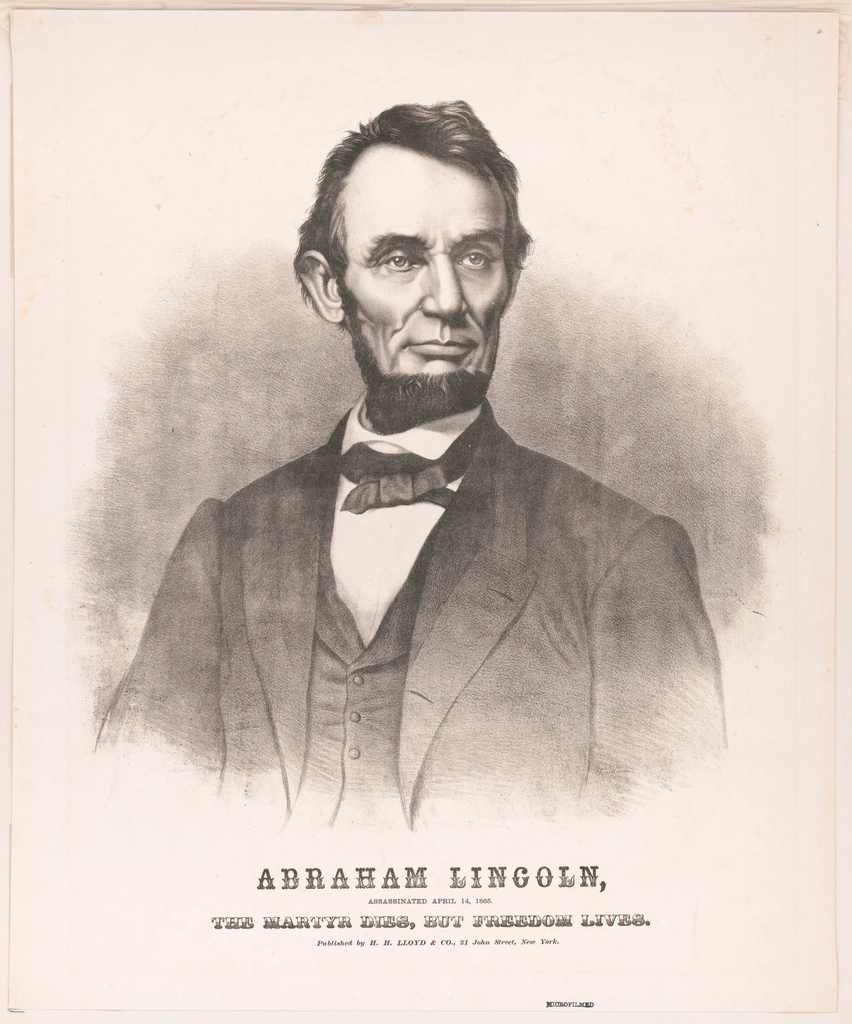
On April 14, 1865, Abraham Lincoln, the 16th president of the United States, was shot by John Wilkes Booth while attending the play Our American Cousin at Ford’s Theatre in Washington, D.C. Abraham Lincoln was attending a performance of the comedy, Our American Cousin, at Ford’s Theatre, when he was shot by John Wilkes Booth in the back of the head with a .44 caliber derringer. He died in the Petersen family’s boarding house at 7:22 a.m. on April 15, 1865. The president was carried across Tenth Street to the boarding house of William Petersen, where he died at 7:22 a.m. the following morning. After a dramatic initial escape, Booth was killed at the end of a 12-day chase. Powell, Herold, Atzerodt, and Mary Surratt were later hanged for their roles in the conspiracy. Sometimes the simplest explanation is the correct one – despite countless conspiracy theories, this was exactly what it appeared to be.
Adolf Hitler: Cyanide and Gunshot in a Berlin Bunker
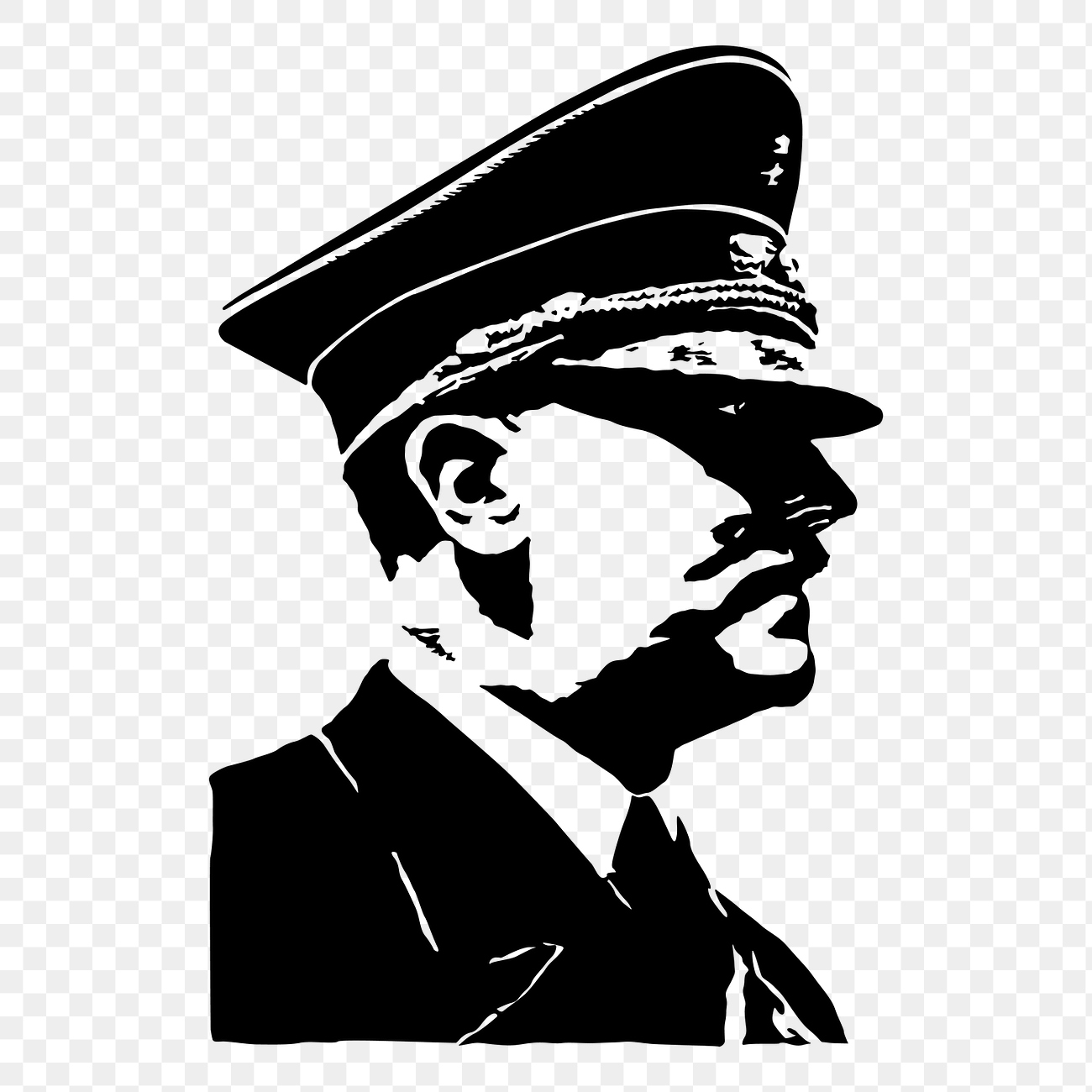
Adolf Hitler, chancellor and dictator of Nazi Germany from 1933 to 1945, committed suicide via a gunshot to the head on 30 April 1945 in the Führerbunker in Berlin after it became clear that Germany would lose the Battle of Berlin. Eva Braun, his longtime companion and wife of one day, also committed suicide by cyanide poisoning. Eyewitnesses who saw Hitler’s body immediately after his suicide testified that he died from a self-inflicted gunshot, presumably to the temple. Günsche entered the study shortly afterwards, later stating that Hitler “sat… sunken over, with blood dripping out of his right temple. He had shot himself with his own pistol.” On April 30, 1945, holed up in a bunker under his headquarters in Berlin, Adolf Hitler commits suicide by swallowing a cyanide capsule and shooting himself in the head. Historians have largely rejected these as part of a deliberate disinformation campaign by Joseph Stalin to sow confusion regarding Hitler’s death. This disinformation, propagated by Stalin’s government, has been a springboard for various conspiracy theories, despite the official conclusion by Western powers and the consensus of historians that Hitler killed himself on 30 April 1945.
Joan of Arc: Burned for Cross-Dressing, Not Heresy
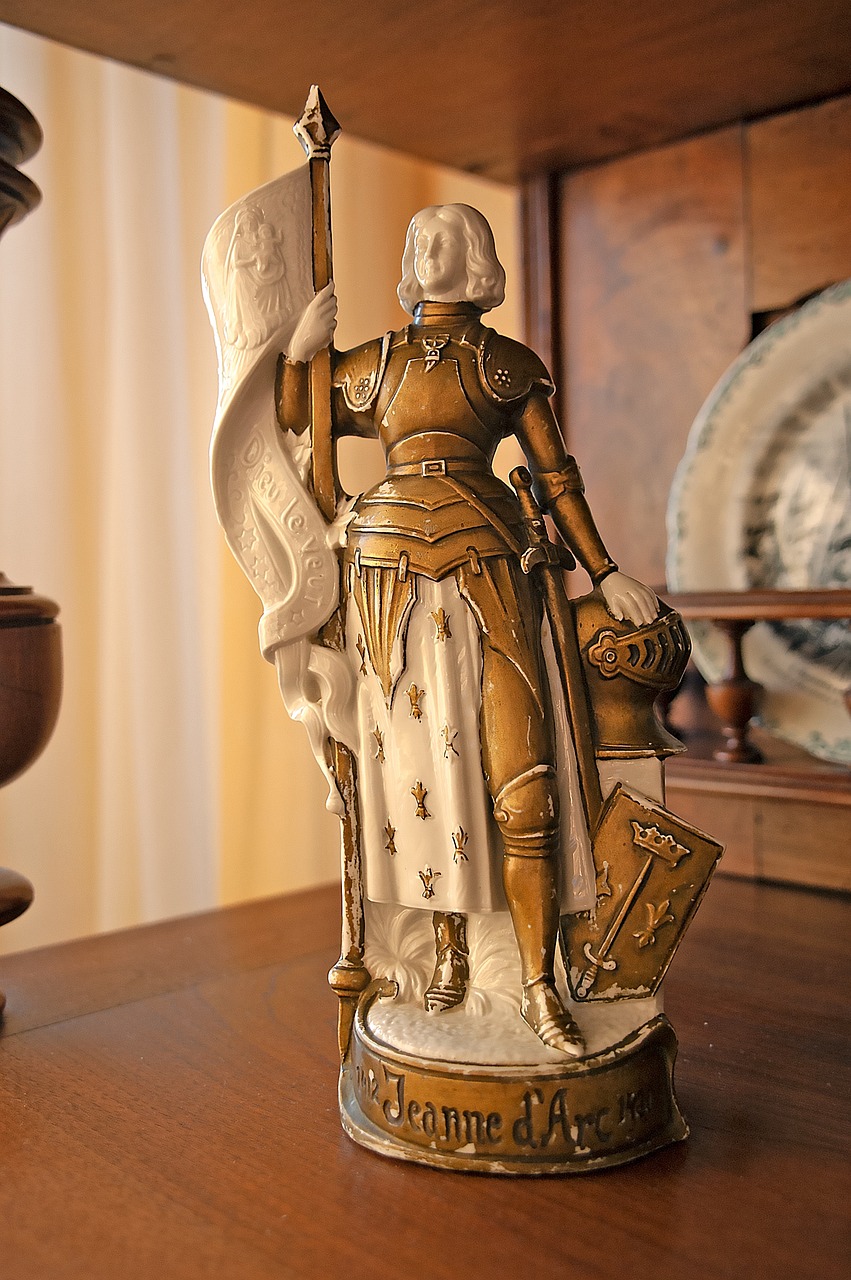
True, she was burned at the stake at the age of 19, but it wasn’t for heresy or witchcraft, as the story often goes. In the end, the only crime that the Inquisition tribunal could formally charge the chaste maiden with was that of wearing men’s clothes. The court found her guilty of heresy and she was burned at the stake. On May 30, 1431, Joan of Arc was burned at the stake at the Old Marketplace in Rouen. Hobbins adds that the motivation for the trial was political, because Joan’s claims were political. “If true,” he writes, “they would have invalidated the English claim to legitimate rule in France. Of course, exposing Joan as a fraud, or as someone deluded by evil spirits, would also have struck at the legitimacy of Charles VII.” Eighteen years after Joan of Arc’s execution, an ecclesiastical tribunal initiated a retrial at the request of Charles VII. The tribunal declared that the judgement of the original trial was not valid because it was biased and had not followed proper procedure. On May 16, 1920, Pope Benedict XV canonized Joan of Arc as a Saint. Even medieval courts could admit their mistakes – eventually.
Alexander the Great: The Mystery That Time Couldn’t Solve

Alexander the Great died suddenly in Babylon in 323 BCE at the age of 32, and the cause remains one of history’s greatest medical mysteries. Some ancient sources suggest he succumbed to a fever after days of illness, while modern theories propose everything from typhoid fever to poisoning to an autoimmune disorder. What makes his death particularly eerie is that his body reportedly didn’t decay for days after his death, which some historians cite as evidence of poisoning, while others suggest it indicates he may have been in a coma rather than actually dead. The man who conquered most of the known world was ultimately conquered by something so small we still can’t identify it. His death triggered the collapse of his vast empire as his generals fought over the pieces, proving that even the greatest conquerors are ultimately mortal.
Marie Antoinette: Guillotined After a Show Trial
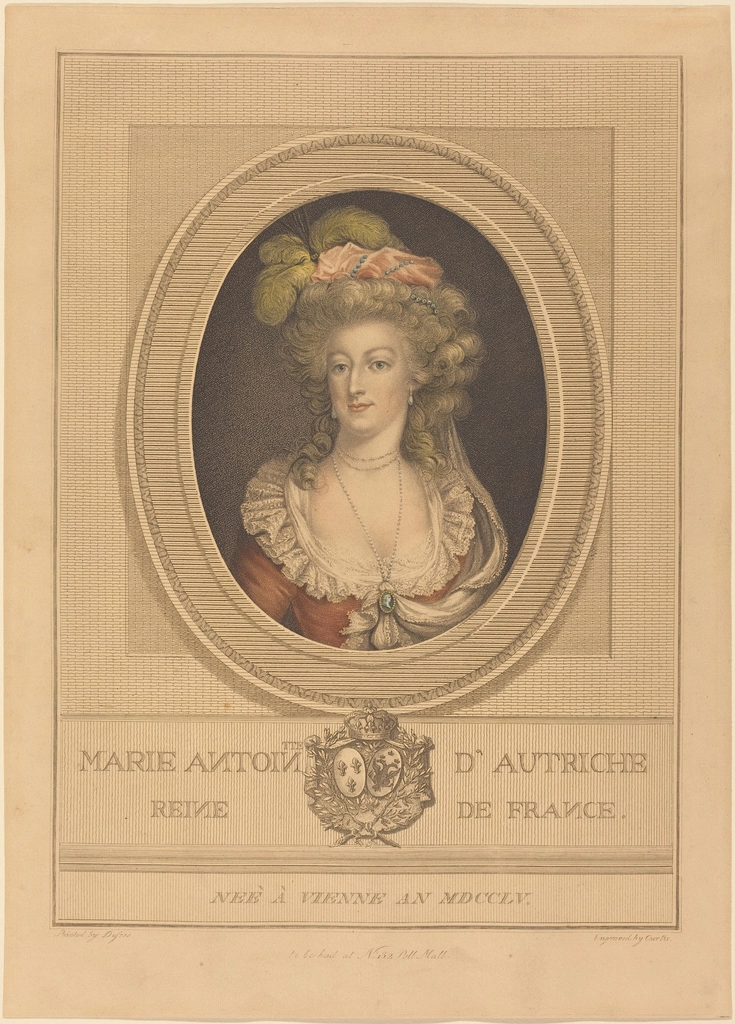
Marie Antoinette met her end on October 16, 1793, when she was executed by guillotine during the height of the French Revolution’s Reign of Terror. Contrary to popular belief, she never actually said “Let them eat cake” – that phrase was attributed to her by revolutionary propagandists to paint her as callously out of touch with the suffering of ordinary French people. The trial that led to her execution was little more than political theater, with the outcome predetermined by the revolutionary tribunal. She was charged with treason and conspiracy against the liberty of the nation, though the evidence was largely fabricated or exaggerated. Her dignity in the face of death was noted even by her enemies – she apologized to her executioner when she accidentally stepped on his foot while mounting the scaffold. The woman who became the symbol of royal excess died with more grace than those who condemned her.
Socrates: Choosing Death Over Exile
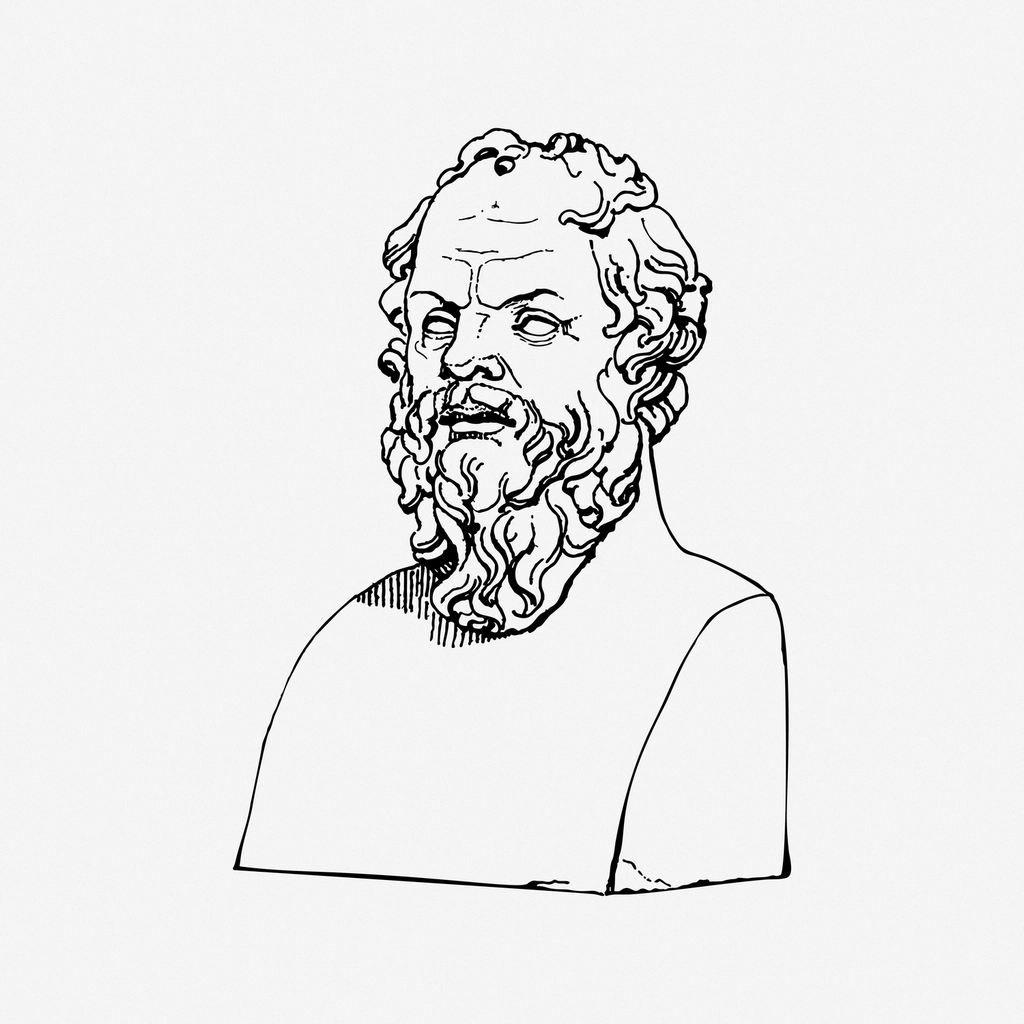
In 399 BCE, the great philosopher Socrates was brought to trial in Athens on charges of corrupting the youth and impiety against the gods. Rather than fleeing the city or accepting exile, he chose to defend his life’s work and philosophy before the court. When found guilty, he was offered the chance to propose an alternative punishment to death, but his suggestions